AI's impact on the startup and innovation ecosystem [Q&A]
Early stage businesses face many challenges. Not least of these is selecting the right technology solutions, something made even more difficult by the emergence of new technologies.
We spoke to Paul Pluschkell, founder and CEO of StartupOS, to find out about how AI and other technologies can impact on new businesses.

Why cloud attacks no longer need malware [Q&A]
As organizations have come to rely more on the cloud, it's become an increasingly attractive target for cybercriminals seeking to steal data or extract ransoms.
In the past this has involved the use of malware, but as attackers get more sophisticated there’s a move towards different types of attack. We spoke to Shai Morag, SVP and general manager cloud security at Tenable, to discover more about these threats and how to tackle them.

Why software support AI chatbots should supplement, not supplant, human experts [Q&A]
Many enterprises have begun to rely more heavily on chatbots to provide software support, and this often means customers find it hard to get in contact with an experienced, human engineer when they encounter an issue that they need help resolving.
While this might save costs in the short term, it can seriously damage the company’s brand in the long term. We talked to Craig Mackereth, EVP, global service delivery at Rimini Street to find out about the overuse of AI chatbots for enterprise software support and ways that vendors could use generative AI to actually improve the customer experience.

AI crawlers -- what are they and why are they a problem? [Q&A]
Organizations have grappled with business threats posed by various automated bots and crawlers over the years. The latest flavor to take the spotlight is AI crawlers which source proprietary content to feed the AIs they serve.
We spoke to Eyal Benishti, CEO of IRONSCALES, to discuss AI crawlers and why it's important for security teams to establish boundaries for their use.

How 'internet fracturing' is challenging enterprise growth [Q&A]
We tend to think of the internet as being something that's the same all over the world, but with nations like China, India and Russia increasingly closing off the wider web to their citizens, is the global nature of the internet under threat?
We spoke to Ruoting Sun, VP of Product at Secureframe about the phenomenon of 'internet fracturing' and what it means for businesses.
Why new compliance rules are changing the game for CISOs [Q&A]
The job of the CISO is becoming increasingly complex, with new rules around security and compliance, disclosure requirements following incidents, and more.
We spoke to John Morello, CTO of Gutsy, a company which was the first to apply process mining to security, to find out how things are changing and how CISOs should respond.

Why robust KYC procedures are crucial for all SaaS companies [Q&A]
For banks, know-your-customer (KYC) measures amount to 40 percent of all anti money laundering (AML) compliance costs, totaling $5.7 million each year. This sum is tiny, however, compared to what is paid for non-compliance. In 2022, global fines for inadequate AML grew by 50 percent, almost reaching $5 billion.
We spoke to Vaidotas Šedys, head of risk management at web intelligence platform Oxylabs, to discover that KYC-related challenges are not just faced by banks but are an issue for proxy and web scraping service providers too.

Protecting sensitive data in the cloud [Q&A]
The use of sensitive data for business is crucial. The growing amount of sensitive data stored in cloud infrastructure and applications creates an increasing and constantly evolving data risk landscape for organizations.
The main cause of risk is how broadly this data is shared within and outside the organization, and how it is being used by users, services, or other applications. We spoke to Liat Hayun at Eureka Security about how this risk can be addressed while still allowing safe use and storage of data.
The role of data governance in developing AI [Q&A]
The term 'prompt engineer' has become a bit of a buzz word for future-of-work topics. What isn't discussed as much, and is arguably more important to AI models, is the role of the data governance architect.
Satish Jayanthi, CTO & co-founder of Coalesce believes that without good data governance, organizations will go nowhere in extracting value from AI and ML models. We talked to him to find out more.

How to ensure customers and developers are on the same page [Q&A]
It should be the case that in the business world systems deliver for the customer. But often there can be conflict between what the customer wants -- usability and feeling valued -- and what the developer is looking to provide -- technical mastery, collaboration and self-serve capabilities.
We spoke to Gilad Shriki, co-founder of Descope to discover how enterprises can satisfy the needs of both.

The next era of information management [Q&A]
With the emergence of generative AI technology, information management is undergoing rapid transformation.
The productivity of knowledge workers is critically important to the growth and profitability of businesses, and organizations are turning to solutions that help automate mundane, time-consuming tasks. We talked to Antti Nivala, founder and CEO of M-Files, to find out more aboput this new era of information management.
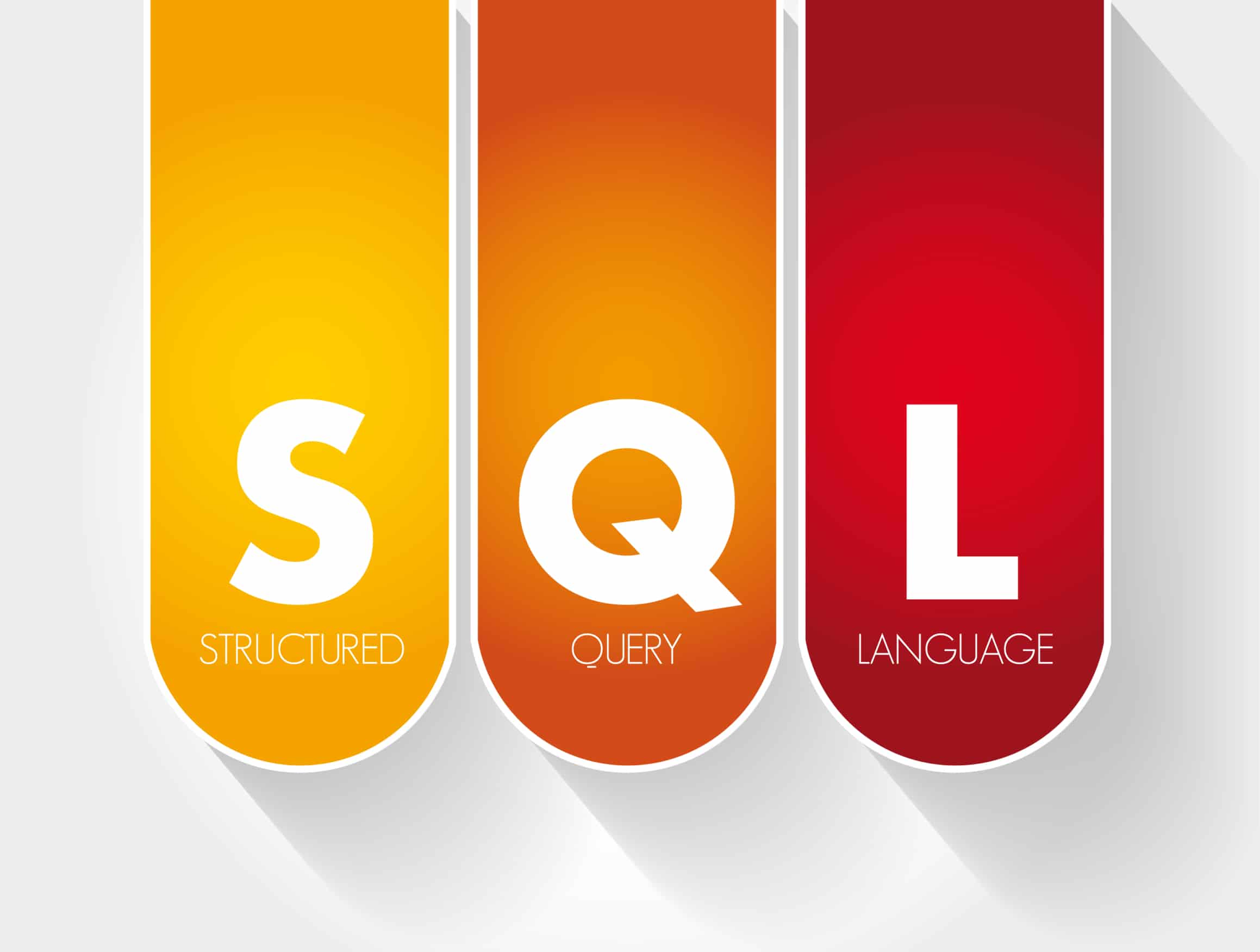
SQL turns 50 this month -- why is it still going strong? [Q&A]
Data management language SQL (originally published as SEQUEL) first appeared in May 1974, so this month marks its 50th anniversary.
We spoke to Peter Zaitsev, founder at Percona, to find out why SQL has survived for the last 50 years, and is still the third most used language for programmers and software developers according to Stack Overflow.

CI/CD and how data is the gatekeeper of productivity [Q&A]
Using CI/CD (continuous integration and continuous deployment) is supposed to streamline and speed up application development.
However, outdated cloud-based approaches negate many of the benefits. Buildkite's co-founder and CEO, Keith Pitt helped pioneer the hybrid CI/CD approach, which combines elements of both managed and self-hosted CI/CD. With hybrid, users control the build environment and can customize their needs. We spoke to Keith to learn more

The changing face of the cybersecurity market [Q&A]
The cybersecurity world is a fast changing one with a constant arms race between attackers and defenders.
New entrants are always coming to the market with innovative technologies to solve particular problems. We spoke to Justin Somaini, a partner at cybersecurity venture capital firm YL Ventures, to find out more about up and coming security trends and shaping the future of cybersecurity.
The human challenges of dealing with security alert backlogs [Q&A]
Most security teams experience some level of alert overload, struggling to prioritize the issues demanding immediate attention from those that are less pressing. This can lead to a backlog of problems to be dealt with and consequent stress on team members.
We talked to Yoav Nathaniel, CEO and co-founder of Silk Security, about why alert backlog is a people problem rather than a technological problem and how IT and security teams can overcome this challenge.