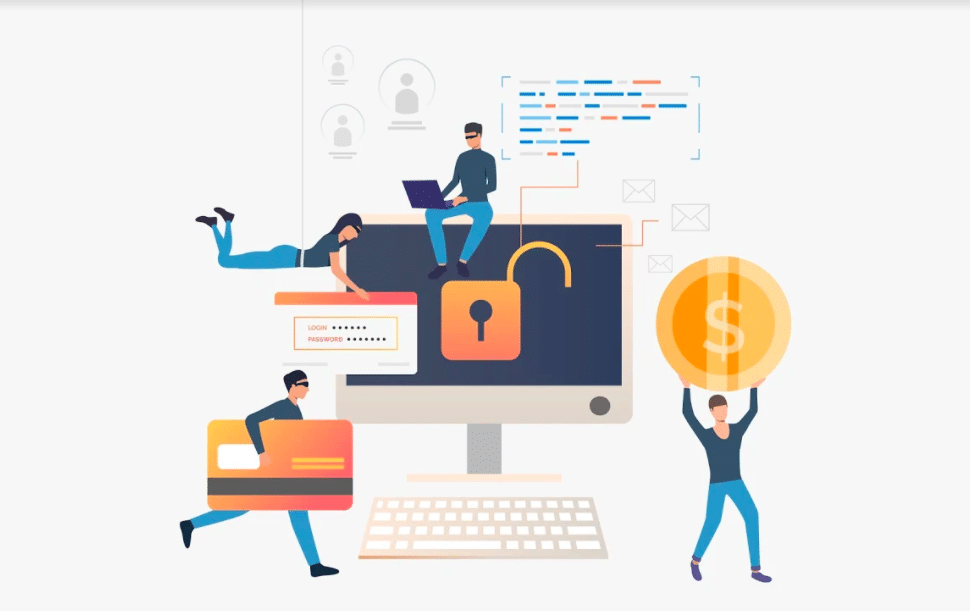
Cybercrime peaked astronomically in 2020: Learnings and predictions for 2021
Nothing could have prepared us for 2020 -- a year that demanded a swift and dramatic restructure of corporate operations in response to the Covid-19 pandemic.
Remote workforces were created overnight, even within industries who never had the experience of managing effective, remote working teams. With limited time and resources to prepare and support home working employees, a makeshift remote setup was thrust upon us. This, consequently, created an opportunity for massive cyber security breaches and a stream of cyber attacks, which can have a devastating impact on businesses when the cost of a data breach averaged between $184k and $715k for a medium-sized business in 2019. 2020 was an opportunistic year for cyber criminals, who took advantage of a time of uncertainty. In the UK, businesses experienced a 31 percent increase in cyber crime during the height of the pandemic, with phishing emails up by nearly 700 percent, preying on what should be a company’s greatest cyber defense asset; their employees.

The post-pandemic impact for Service Provider Networks in 2021
The year 2020 was challenging to say the least. Between the pandemic, shutdowns, wildfires and other natural disasters, most of us will look forward to a new beginning in 2021. However, the pandemic response in 2020 will have a lasting impact on how and where consumers and businesses will use networks services, how service providers will build out their networks, and where they will invest in additional capacity.
On that basis, here are a few predictions for 2021 for service providers:

Encryption, zero trust and the quantum threat -- security predictions for 2021
We've already looked at the possible cybercrime landscape for 2021, but what about the other side of the coin? How are businesses going to set about ensuring they are properly protected next year?
Josh Bregman, COO of CyGlass thinks security needs to put people first, "2020 has been incredibly stressful. Organizations should therefore look to put people first in 2021. Cybersecurity teams are especially stressed. They've been tasked with securing a changing environment where more people than ever before are working remotely. They've also faced new threats as cyber criminals have looked to take advantage of the pandemic: whether through phishing attacks or exploiting weaknesses in corporate infrastructure. Being proactive, encouraging good cyber hygiene and executing a well thought out cyber program will go a long way towards promoting a peaceful and productive 2021, not least because it will build resiliency."

More automation, earlier security and 'Switzerland platforms' -- development predictions for 2021
The switch to remote working and the surge in online shopping during 2020 has seen a greater focus on the experience that software provides.
There have of course been other pressures on developers too, but what can we expect to happen in the next year?

Firmware attacks, sophisticated ransomware and ID fraud -- cybercrime predictions for 2021
2020 has seen cybercriminals step up their efforts to exploit the surge of people working from home, as well as seeking to exploit news and information about the pandemic.
This is a notoriously difficult area to predict, but what do experts think we’ll see happening in 2021?

2021 will be the year we redefine innovation
Most people will be glad to see the back of 2020. It caused stress for workers in many industries around the world, as well as hardship for businesses, and forced people out of routines they had been used to operating in for years. It also forced the hand of businesses to innovate and roll out technology projects faster than usual. Whether it was COVID-19 contact tracing applications or contactless grocery orders, we saw the strength of IT teams working closely with the rest of the business to bring about change.
But now comes the next stage. 2021 will be a time to build on what took place in an unprecedented year and discover ways to uncover value. We’ll know exactly what outcomes our innovations are generating and thus we’ll be better informed for the steps we take in years to come. As we look to the new year, here are the top trends that will be most critical to the IT industry.
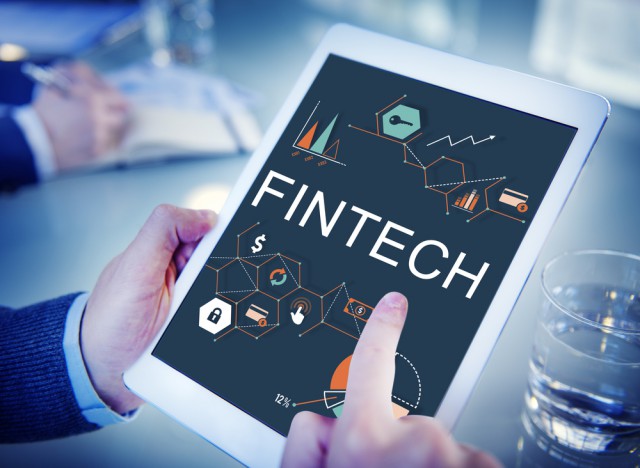
Cryptocurrency becomes mainstream and new digital standards arrive -- fintech predictions for 2021
In recent years we've seen some significant shifts in the financial sector, with newer businesses using technology to challenge more established players.
Much of this has centered around the use of blockchain, although cryptocurrency still hasn't entered the mainstream. What do experts think we'll see in the fintech space next year?

Ten predictions for applications and application delivery in 2021
We’ve become an application-centric society. We use apps to help us do our work, to communicate, to stream entertainment, to monitor our health, and to do a whole lot more. Over the years, the number of desktop and mobile apps has grown dramatically. Where we deliver them from has changed too. The cloud has played a huge role as we move away from strictly on-premises data centers to a hybrid cloud and multi-cloud approach. And, of course, the COVID-19 pandemic has had a profound impact on how we built, delivered, and consumed our applications in 2020. But what will 2021 bring?
Here are 10 predictions for applications and application delivery in the coming year.
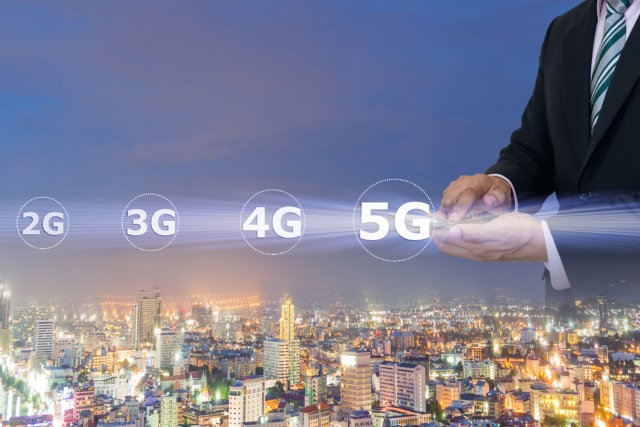
Enabling the edge, more IoT devices and more risks -- 5G predictions for 2021
As the worldwide roll out of 5G networks gathers pace, what do industry experts believe will be the opportunities and threats that they will bring?
Verizon Media's chief business officer Iván Markman expects 5G to push more computing to the edge, "As 5G deployment grows across networks, offering much faster data speeds and low-latency, and computing is increasingly done at the edge of the cloud instead of inside a device, it will in turn lead to new form factors for devices as they don't need such huge computing power as they require right now to deliver XR experiences. We have already seen great strides forward in 2020 with live events across music, sports and beyond with new immersive XR experiences for audiences both at home and within venues."
Engaging B2B customers in 2021: Three predictions
The ability of customer-facing teams to adapt to rapid changes in the face of unprecedented disruption over the past year has been remarkable. Preparing ahead for the new year, companies are realizing that many of the changes they’ve implemented in reaction to the crisis will in fact have to become a fundamental part of their strategy for business growth.
Here are three of the norms business leaders will need to come to terms with to plan for recovery and renewal in 2021.

Tighter integration, collaboration and 'cloudjacking' -- cloud predictions for 2021
We've seen a general move to the cloud over the last few years, while 2020's pandemic has forced more organizations to turn to the cloud in order to support their remote workers.
Can we expect this trend to continue into next year and what other factors might come into play?

Democratization, ethics and data poisoning -- AI and ML predictions for 2021
In the second of our series of pieces looking at technology predictions for 2021 we look at the field of AI and machine learning.
This has the potential to impact on many areas of commerce, science and digital transformation, but what do industry experts think?
Working from home is here to stay, increased focus on SD-WAN and zero trust -- network predictions for 2021
After 2020 managed to turn most of the world on its head, making predictions for 2021 might seem to be a bit risky. Plenty of industry experts have been doing so, however, which means that it's time for our usual seasonal round ups of what you can expect to see from the technology world next year.
One of the biggest impacts of 2020's pandemic has been on networks as more people than ever have switched to remote work. Let's have a look at how the industry thinks this will play out in 2021.

Looking ahead to the cybersecurity challenges of 2022
Just in case you didn't have enough to worry about at the moment, the Information Security Forum has published its Threat Horizon 2022 report, looking ahead to the cyber challenges of the next two years.
Balancing today's realities with forecasts that push the limits of thinking, the report highlights nine major threats, broken down into three themes, that organizations can expect to face as a result of developments in technology.
2020 brings the death of IT
IT -- Information Technology -- grew out of something we called MIS -- Management Information Systems -- but both meant a kid in a white shirt who brought you a new keyboard when yours broke. Well, the kid is now gone, sent home with everyone else, and that kid isn’t coming back… ever. IT is near death, fading by the day. But don’t blame COVID-19 because the death of IT was inevitable. This novel coronavirus just made it happen a little quicker.
I mentioned the switch from MIS to IT because that name change presaged the events I am describing here. Management Information Systems was an artifact of big business, where corporate life was managed rather than lived. Information Technology happened when MIS escaped into the wild. MIS meant office buildings and Local Area Networks while IT includes home workers in their pajamas which, frankly, describes me at this precise moment.