
57 percent of internet users are worried about malvertising
According to a new survey by advert filtering company AdGuard, 57 percent of internet users have either fallen prey to advert scammers, or are worried about malicious and phishing advertising.
In addition 48 percent of respondents have experienced privacy issues with tracking requests hidden in online ads, leading to the email spam, unwanted incoming calls and IM chats.
How ransomware is going manual to target victims [Q&A]
The ransomware attacks that make the news are the ones like WannaCry and NotPetya that spread rapidly and affect many businesses.
But there's a new breed of manual ransomware attack happening that seeks to pick its victims much more selectively with a view to causing maximum disruption. We spoke to Roy Fisher, incident investigator at cyber security company MWR to find out more.

Following NSA endorsement, the US government can buy secure messaging tools from BlackBerry
BlackBerry has announced that it is now able to sell its secure messaging solutions to the US and Canadian governments. The news comes after the company received endorsement from the NSA's National Information Assurance Partnership for SecuSUITE for Government.
BlackBerry points out that governments have long had to contend with wiretapping and other forms of surveillance, and says that SecuSUITE for Government offers effective end-to-end encryption for voice calls and text messages.

Goldeneye attack is not ransomware
On June 27, reports of a rapidly spreading ransomware attack started to emerge from Ukraine. The speed at which critical infrastructure networks were shutting down pointed to a ransomware application with a wormable component, whose virality called to mind the WannaCry ransomware. In less than three hours, the infection crippled banks, ATMs, public transport and an airport, as well as utilities provider Kyivenergo. Then it spread outside the Ukraine.
As multiple critical infrastructure networks reported major blackouts, Bitdefender started an internal investigation over isolated malware samples to trace the attack’s origin and better understand what it targeted, and how.
Data breaches are down but retailers still think they’re vulnerable
US retail data breaches have dropped from 22 percent last year to 19 percent this, but 88 percent of retailers still think they’re vulnerable according to a new report.
The latest retail edition data threat report from cyber security specialist Thales e-Security, in conjunction with 451 Research, shows that 52 percent of retailers have suffered a data breach in the past. However, retailers may not be learning from past mistakes, with more than half of the 19 percent that were breached this year having also experienced a breach previously.
Dow Jones server leaks personal info of 2.2 million customers
Private information of more than two million customers of the Dow Jones publishing agency have been exposed online.
According to the IB Times, a configuration error on the Dow Jones & Co. cloud storage server led to sensitive information including names, addresses, account information, emails and the last four digits of credit cards for almost 2.2 million people becoming available to anyone with an Amazon Web Services Account.
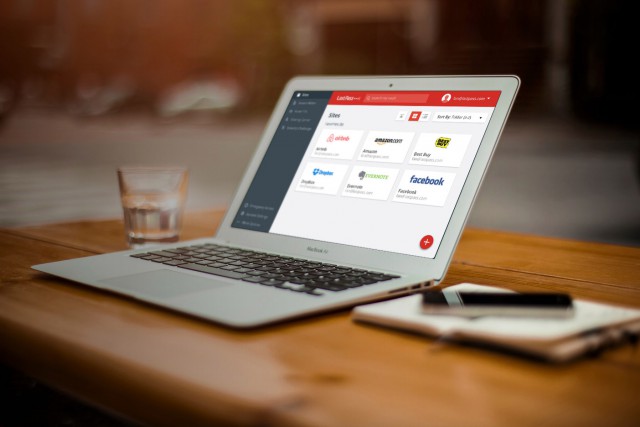
LastPass lets you share passwords with its new Families subscription
Sharing some accounts with friends or family members has its perks, but it can also be risky. Many people expect to use simple passwords, which is why you may be tempted to go for something that's easy to remember. Not to mention that they also lose the credentials from time to time, so you have to share them again via email or texts, which is not really safe.
But LastPass may have come up with a better option. Its new Families subscription lets you have multiple users on a plan so that you can share usernames and passwords, among other things like bank accounts and credit cards, while maintaining a high level of security.
Online courses train the next generation of credit card criminals
E-learning courses costing under $1,000 are giving aspiring cyber criminals the potential to make $12k a month, based on a standard 40-hour working week according to new research.
The study from digital risk management company Digital Shadows finds the courses, available to Russian speakers only, last for six weeks and comprise 20 lectures with five expert instructors. The course includes webinars, detailed notes and course material at a cost of RUB 45,000 ($745), plus $200 for course fees.

How healthcare providers are getting IoT security wrong
More than 90 percent of healthcare IT networks have IoT devices connected to them, but those devices may not be properly protected according to a new study.
The survey by IoT security solutions company ZingBox shows that over 70 percent believe that the traditional security solutions used to secure laptops and servers are sufficient to secure IoT connected medical devices.
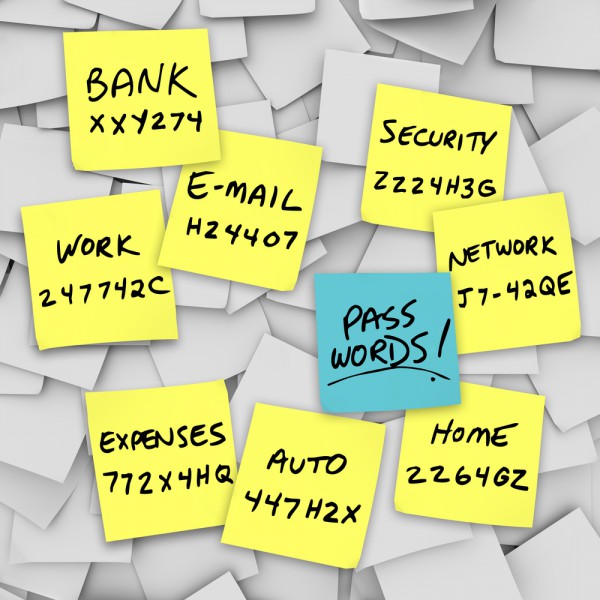
Most Americans reuse passwords, with millennials the worst culprits
A new survey of over 1,000 US adults reveals that 81 percent of people surveyed admit to using the same password for more than one account.
Among millennials where 92 percent say they use the same password across multiple accounts. More worrying still, more than a third (36 percent) report that they use the same password for 25 percent or more of their online accounts.
The cost of recovery from a security breach? Over £1 million for UK businesses
A business in the UK would need to spend over £1 million to recover from a security breach, new research has claimed.
According to the 2017 Risk:Value report from NTT Group, UK companies have to pay more than the global average of £1 million, which has gone up from the previous report’s estimate of $907,000.

FBI issues a warning to parents about the privacy and safety of internet-connected smart toys
The FBI's Internet Crime Complaint Center (IC3) has issued a PSA warning about the potential dangers of smart toys. The bureau encourages parents to consider cyber security before bringing internet-connect toys into the home because they could risk the privacy and safety of children.
The announcement warns of the potential for personal information to be gathered through such toys. The presence of sensors, microphones, cameras, data storage components, speech recognition and GPS, coupled with cloud storage of data, is cited as cause for concern, and parents are urged to check privacy agreements.

How large would the financial losses get in case of a global cyber attack?
A global cyber-attack could be as expensive as a major natural disaster, a new report has claimed.
Analysis by Lloyd’s of London compared the effects of a hypothetical global cyber-attack to the super storm known as Hurricane Sandy that hit the US coast in 2012, in terms of the financial impact.

iOS and its effect on enterprise security
Over the past decade, iOS devices have found their way into many businesses. According to a new report this has led to an increase in the number of attacks and incidences of malware on the platform.
Mobile threat defense company Skycure analyzed the security impact of iOS on the enterprise over the past ten years and found that the percentage of enterprise iOS devices that have malicious apps installed today has more than tripled since the third quarter of 2016. In comparison, the rate of Android malware infections has stayed relatively flat.
Symantec and Bay Dynamics partner to fight insider threats
Insider threats are a major problem for all types of organization and more than ever firms are looking for data loss prevention strategies.
Cyber security specialist Symantec is integrating Bay Dynamics' Risk Fabric analytics platform with its data loss prevention and other technologies, to create a central point of behavioral analytics that dynamically delivers mitigation actions to keep malicious insiders from stealing sensitive data.