
Oracle releases emergency patch to address Cl0p data theft attacks in E-Business Suite
Oracle has released an emergency patch and an urgent security warning about a 0-day vulnerability in Oracle E-Business Suite.
Tracked as CVE-2025-61882, the security flaw has a severity rating of 9.8 and is described as an “easily exploitable vulnerability”. Oracle warns that the vulnerability is “remotely exploitable without authentication”, going some way to explaining why it is seen as being so serious an issue.
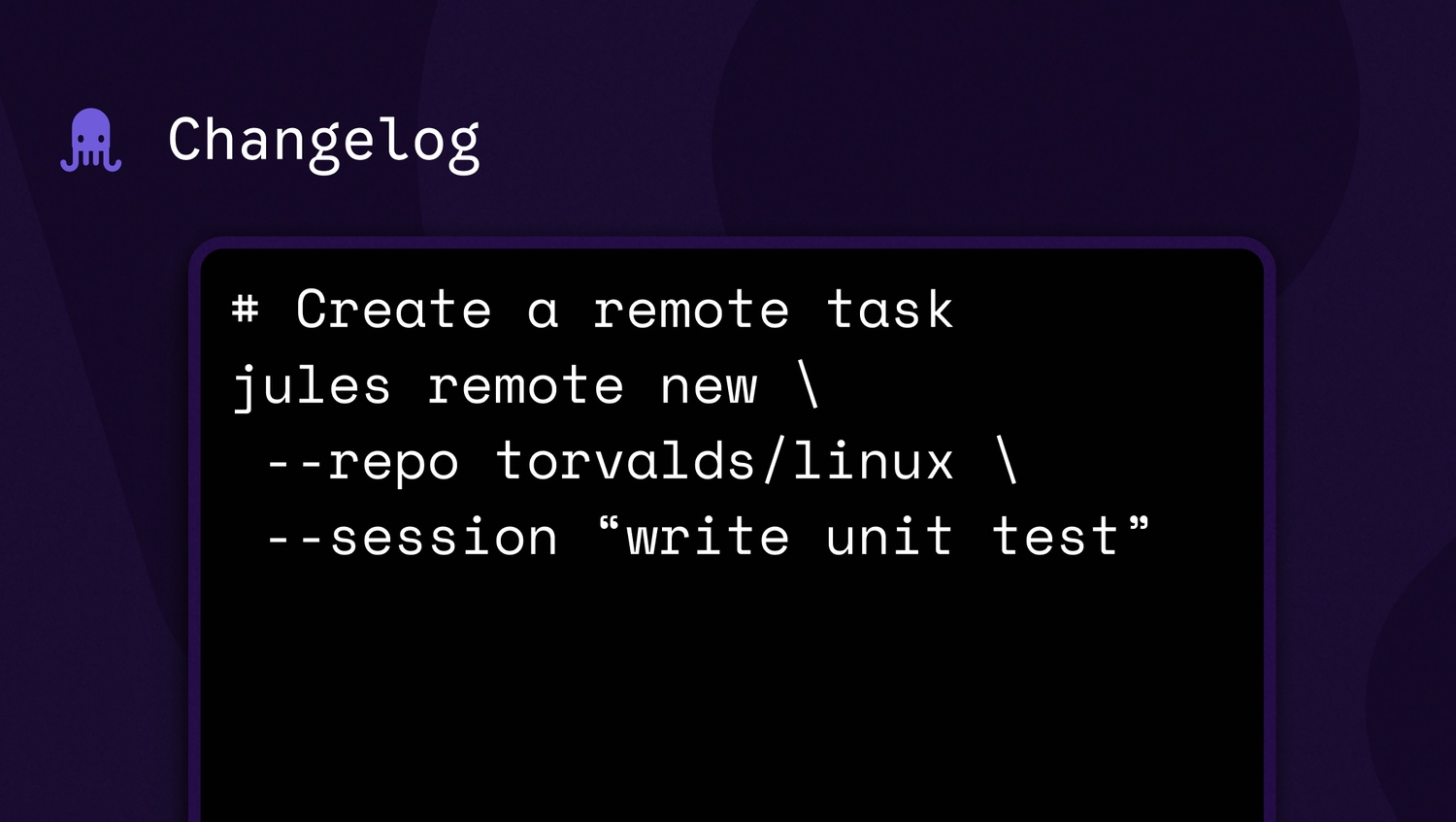
Google unveils Jules Tools, its AI command line coding tool
Anyone who thought command line tools were in danger of being consigned to the history books, Google’s unveiling of Jules Tools put pay to that idea.
For anyone not familiar with Google’s offerings, Jules Tools is a command line interface for its Jules asynchronous coding agent. Google is hardly setting a trend here – there are command line interfaces available for other AIs – but with Jules itself only having launched in December, the speed is a little surprising.

Discord admits customer data theft after third-party security breach
The personal data of Discord users has been exposed after a third-party customer service provider suffered a data breach.
Hackers were able to obtain support tickets from an unnamed company used by Discord to provide support. From this, they were then able to gain access to data including names and government-issued IDs.
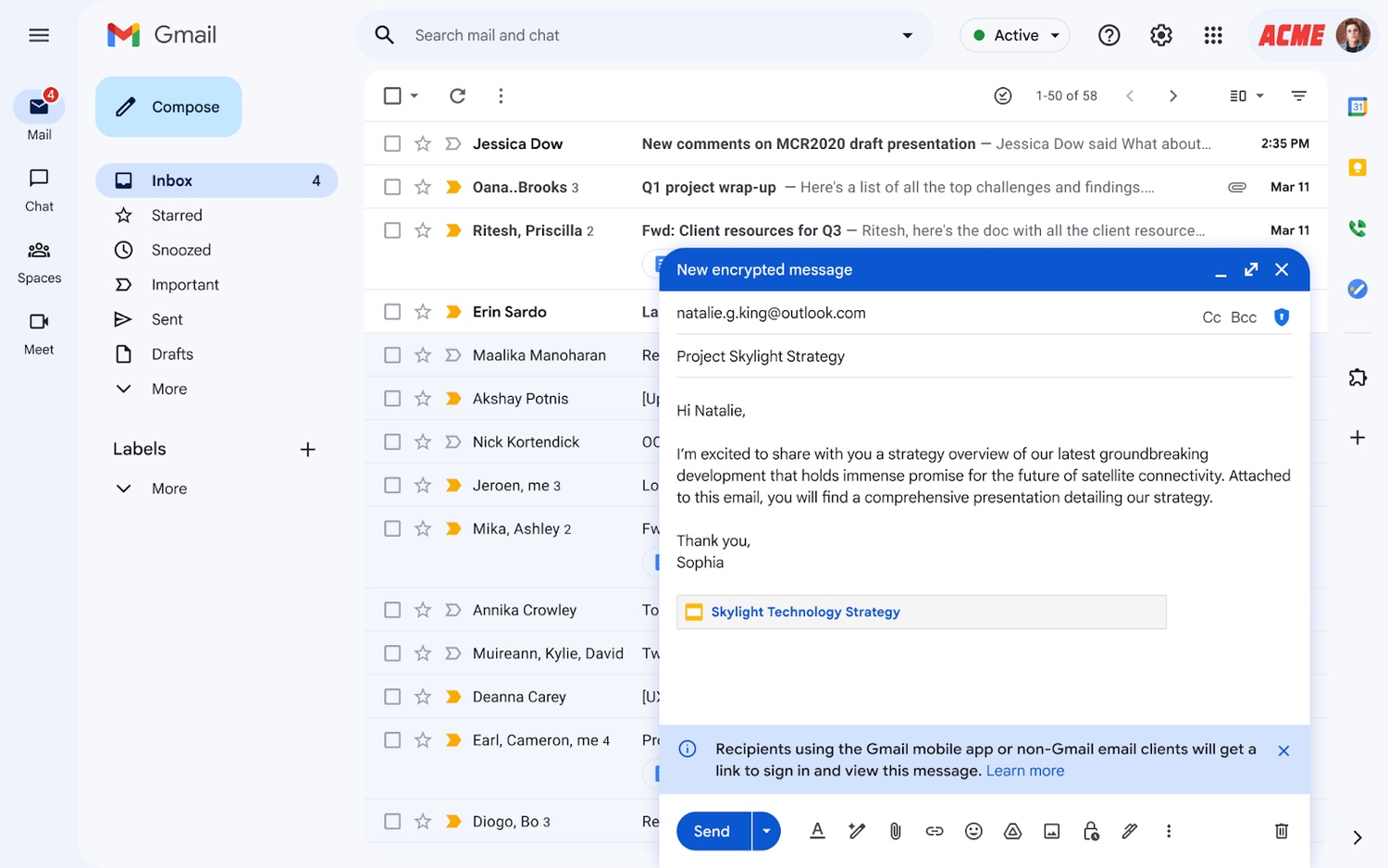
Gmail makes encrypted emails more useful for business users
Google has announced that it is now possible to send Gmail end-to-end encrypted emails to anyone. Until this change was introduced, E2E emailing was only supported between Gmail to Gmail communications.
But now email encryption is being opened up and made platform agnostic. While this means that encrypted emails can be sent to anyone, it is something that needs to be enabled, and there are a few things to keep in mind.

Perplexity releases AI web browser, Comet, for free; security warnings follow
Perplexity is the latest company to release an AI-powered web browser. Comet is available free of charge for Windows and macOS, and it is looking to compete with the likes of Opera’s Neon.
Comet is not brand new. It launches in July to a limited audience, but now its AI powers are being made available to everyone. But while there is much excitement from Perplexity about the launch, and excitement from users, there is also a warning from security experts.
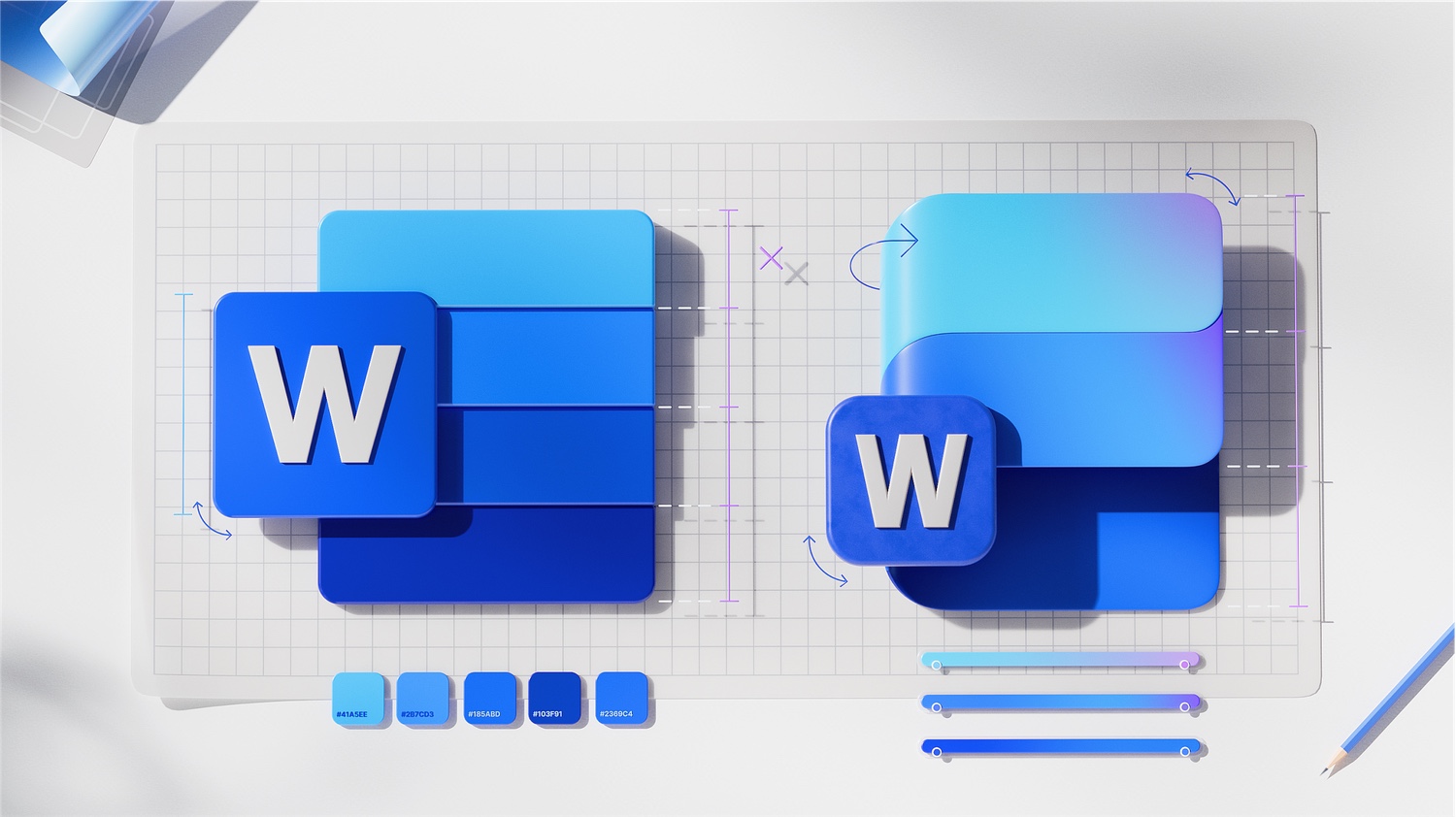
Microsoft is giving its icons a sleek and smooth makeover
Microsoft has officially announced a subtle revamp of its Microsoft 365 icons. Taking something of a cue from Google, the redesign is subtle and sees a switch towards using gradients and flowing colors.
The update is the first for Office icons since 2018, and this latest change is a gentle revisiting and dialling up of the changes that were introduced then. This is not a rebrand or a major change, but a pleasing evolution.

Apple yanks ICEBlock app from the App Store after DoJ pressure
Apple has removed from its App Store, ICEBlock – described as “Waze but for ICE sightings”. The app launched back in April after Donald Trump announced a crackdown on immigration.
ICEBlock provides people with a way to report sightings of ICE (Immigration and Customs Enforcement) agents. The US Department of Justice was among those voicing concerns that agent tracking put people’s lives at risk, particularly in light of attacks on ICE facilities.
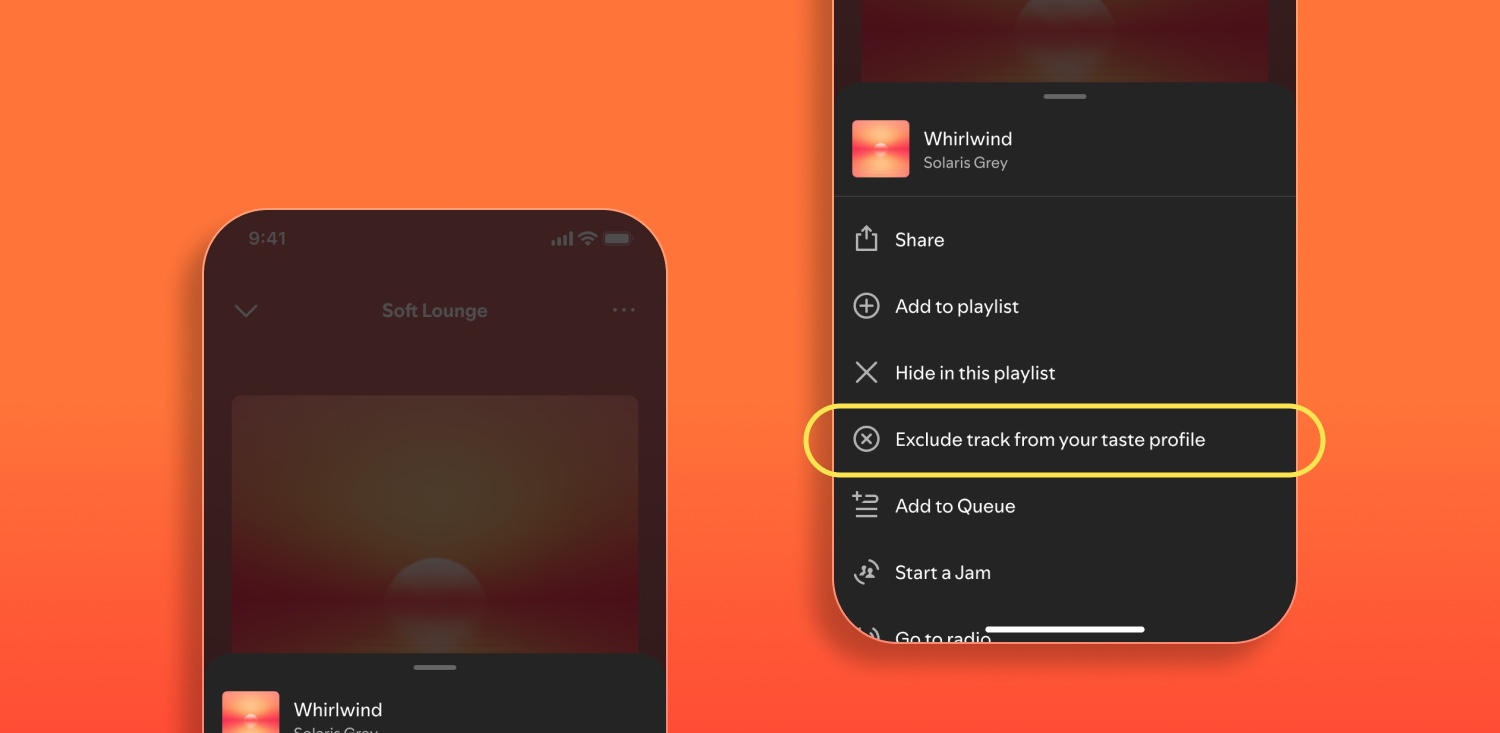
Spotify now lets you listen to a track without it influencing the algorithm
The Spotify recommendation algorithm is problematic, and easily sent askew by random tracks you listen to. The company has just announced that it is rolling out the option for users around the world to exclude individual tracks
This may sound like something we’ve heard before, but previous exclusion options have related to playlists. Now you can stop that one song your kid keeps listening to from causing your recommendations to be in a similar vein.

Red Hat confirms hackers have breached GitLab instances and stolen data
A group of hackers calling itself the Crimson Collective says that it has compromised GitLab instances belonging to Red Hat and stolen hundreds of gigabytes of data.
Red Hat has confirmed that it has suffered a data breach, but is yet to provide much in the way of details. The hacking group says that it managed to access 28,000 internal development repositories, and has stolen almost 570GB of compressed data.

Imgur no longer available in the UK
Image-hosting service Imgur is currently blocking UK users from accessing its content. The move comes after regulators threatened to impose fines on the company.
The Information Commissioner’s Office (ICO) is unhappy with how Imgur – and its parent company MediaLab – handles children’s data. The ICO had conducted investigations into various technology firms as it checked their compliance with online safety laws.
Microsoft starts the official rollout of Windows 11 25H2
We have known that the day was coming, and now it has arrived. Smack in the middle of H2, Microsoft has finally made Windows 11 25H2 available – for what it is worth.
While preview builds of Windows 11 25H2 have been available to Windows Insiders for a while, and to seekers more recently. But now the rollout to everyone and anyone is underway. What can you expect from this most recent “feature update” to Windows 11? Not – as even Microsoft admits – very much, really.
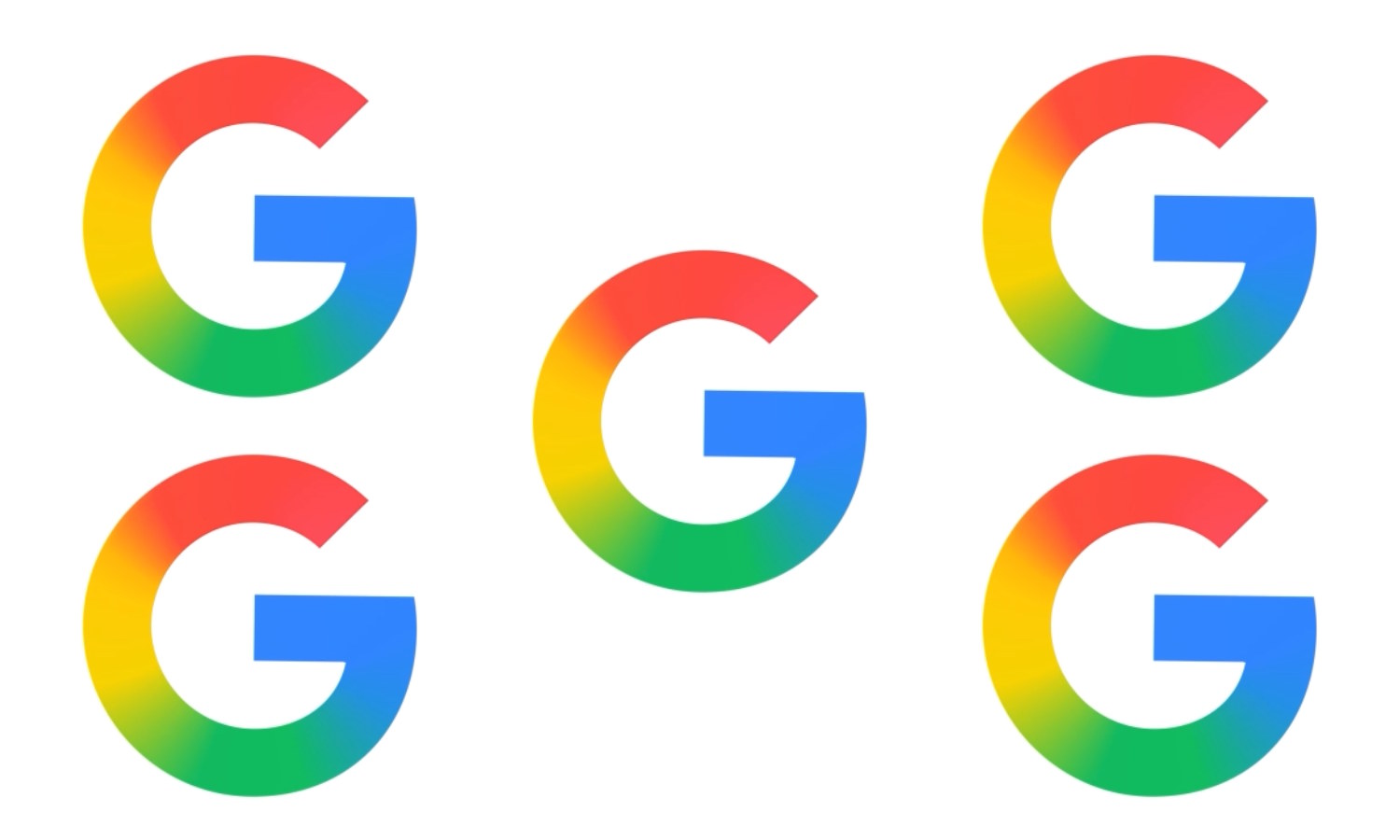
Google makes its new gradient G logo company-wide
It is a little while since Google first started to use an updated version of its colorful G logo. The design revamp saw the company moving away from the four colored blocks of color towards something with more flow.
The graduated look of the G was introduced with little in the way of fanfare, and quite what Google had planned was not clear. Now, having seemingly tested the waters by trying out the new look in a limited number of places, the company is ready to use it more extensively.

Ad-free versions of Facebook and Instagram are coming to the UK – for a price
Meta has announced that it is launching a subscription service in the UK that will let users of Facebook and Instagram pay to avoid ads.
The plan has already been rejected by the European Union, but this does not affect post-Brexit UK. Separate subscription tiers are available for the social platforms’ mobile apps and the web. For anyone unwilling or unable to pay, the Facebook and Instagram experience will remain riddled with ads.

Microsoft makes Windows 10 ESU completely free... for a year... for some
With just a month to go until the official end of support for Windows 10, Microsoft has been forced to cede ground. The company will now offer a year of ESU (Extended Support Updates) available completely free of charge, no strings attached, for people living in the European Economic Area (EEA).
While free access to the ESU program is available in other parts of the world, it is only available with conditions. In Europe, these conditions no longer apply.

YouTube finally lets you hide recommendations at the end of videos
There is a lot to feel frustrated about in relation to YouTube, but Google has announced a change that helps to squash one of its annoyances.
While in-video ads are becoming increasingly difficult to avoid – short of paying for the privilege – there is now a way to hide “end screens”. These short snippets at the end of the video you have just watched are a form of advertising used by creators to promote their other content.