Microsoft launches new open-source project to bring Linux tool eBPF to Windows
Microsoft has launched a new project which has the aim of bringing Linux kernel tool eBPF (Extended Berkeley Packet Filter) to Windows.
The company insists that the move to get the technology working in Windows does not represent creating a fork of eBPF. Instead, it will use existing projects, including the IOVisor uBPF project and the PREVAIL verifier, to run eBPF programs and APIs on top of its own operating systems -- specifically Windows 10 and Windows Server 2016 or above.
Microsoft removes all Windows 10 upgrade blocks including Conexant audio driver issues
Microsoft has now resolved all known issues that were preventing people from updating Windows 10. The company had put upgrade blocks in place that stopped users with certain hardware from upgrading to Windows 10 version 2004 and 20H2.
The last two safeguards to have been removed relate to Conexant audio drivers and Conexant ISST audio drivers. This change means that the latest version of Windows 10 can now roll out to more people, just ahead of Windows 10 version 1909 reaching end of life later this month.
Microsoft withdraws AMD driver that causes INACCESSIBLE_BOOT_DEVICE error in Windows 10
Microsoft has pulled an AMD SCSI driver from Windows Update after it was found to cause boot problems for numerous people.
Reports came from many users who experienced boot problems, BSoDs, INACCESSIBLE_BOOT_DEVICE errors "bricked"systems after installing the troublesome driver. The driver -- Advanced Micro Devices, Inc. - SCSIAdapter - 9.3.0.221 -- has now been withdrawn, but anyone who has already updated will need to manually uninstall it.
Bye bye, Windows 95! Windows 10 Sun Valley update brings a host of new icons
There is a lot to look forward to in the future of Windows 10, and the not-too-distant Sun Valley update is an excellent case in point.
With the Sun Valley redesign, Microsoft is giving the operating system a much-needed visual overhaul. We already know about changes to the general look, new menu design, and even a new default font, but icons are also getting a big refresh -- including plenty of old favorites that have not changed since the days of Windows 95.

Audio editor Audacity has the audacity to add telemetry collection -- and users are not happy
Whatever the reasons behind it, the inclusion of telemetry collection in software never goes down well -- as Microsoft knows all too well from the reaction to Windows 10 telemetry. Now, open-source audio editor Audacity has taken the decision to add such data capture into the software.
The development team stresses that telemetry exists solely to "identify product issues early", but there has already been quite a backlash. The sharing of data with Google and Yandex has not gone well.
How to block site notification requests in Chrome
There are many things to get annoyed by online, and we're not just talking about the content you find and the people you encounter. It used to be that pop-ups were the scourge of the internet, but these have been replaced by new irritants -- in particular ads, cookie warnings and site notifications.
Pop-ups have all but died a death and ads can -- should you wish -- be avoided with various blockers. There's little that can be done to stop sites warning your about cookies, but when it comes to being pestered by sites asking if you would like to receive notifications, you can take action. Here's how to block notifications and notification requests in Chrome across Windows, macOS and Linux.
Microsoft may have cancelled Windows 10X
Microsoft has put the development of Windows 10X on hold and will not release the operating system in 2021, according to insiders. But the truth is that the company may have completely given up on producing its much-hyped Chrome OS competitor.
The news is hardly surprising; things have been very slow for Windows 10X for quite some time now, with Microsoft gradually changing its focus and seeking to lower expectations. Now it seems that the company is more interested in channelling its efforts into Windows 10 proper and the upcoming Sun Valley update.
Dell issues critical security update to patch serious driver flaws on hundreds of millions of systems
Dell has patched a recently discovered series of security flaws in a driver installed on hundreds of millions of computers. Tracked as CVE-2021-21551, no fewer than five high severity vulnerabilities were found to exist in Dell's dbutil_2_3.sys firmware update driver since 2009.
The flawed DBUtil driver is installed on consumer and enterprise desktops, laptops and tablets around the world. If exploited, the vulnerabilities could be used to "escalate privileges from a non-administrator user to kernel mode privileges". The problem only affected Windows systems, not those running Linux.
Microsoft is ramping up efforts to forcibly remove Flash from Windows with KB4577586 update
The software blight and security nightmare that is Flash has all but died. In theory it is dead already, with support for Adobe Flash Player having drawn to an end last year and Microsoft having pushed out an update to carve it out of Windows.
But the company has realized that there are a lot of systems out there that still have the cancerous software installed, and starting next month it will ramp up its effort to kill it off once and for all. This means that more people will be receiving the KB4577586 update.

How to bypass 'Windows protected your PC' message in Windows 10
Microsoft has included various protective and security tools in Windows 10, and for the most part these are very welcome. But there are times when the operating system is a little over-zealous, and the protection becomes intrusive and restrictive. A good example is the SmartScreen filter which has been designed to safeguard your computer against potentially dangerous software downloaded from the internet.
You'll know when this kicks in as when you try to run or install a particular app, you'll see a message that reads "Windows protected your PC" and the operation is blocked. In some instances you'll be able to easily bypass the block, but this is not always the case. So what can you do? Here's how to get around SmartScreen.
Microsoft is working towards running Linux as ARM64 Hyper-V guest
Microsoft's love affair with Linux has been developing in recent years, and has now reached the stage of being a serious relationship. Such is Microsoft's commitment that the company is now actively involved in contributing to the Linux kernel.
One of the latest updates sees the company shifting its focus slightly when it comes to Hyper-V. Its virtualization tool has thus far been largely fixated with x86_64, but now there is a move towards "running Linux as ARM64 Hyper-V guest".
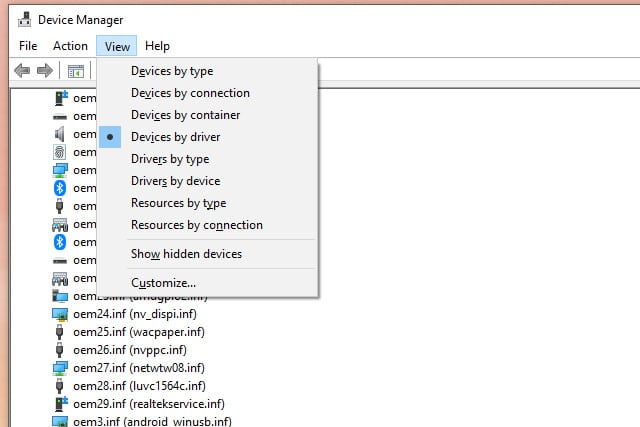
You can now find out which devices are using a particular driver in Windows 10
Drivers are essential to the smooth running of your computer, but they can also be tricky little blighters and the source of all manner of problems -- as anyone who has installed a duff update will attest. Now Microsoft is introducing an important change that will make it much easier to see which hardware is using which drivers.
The change is coming as part of an update to the Device Manager, and it's something that can currently be seen in the preview builds of the operating system. It will probably be included as part of the Windows 10 Sun Valley update that will make its way to users later in the year.
New Microsoft Graph APIs give greater control over Windows updates
Microsoft has released a public preview of new APIs for Microsoft Graph that give system administrators, developers and professionals fine-grain control over updates for Windows 10.
The new APIs are powered by the Windows Update for Business deployment service and allow for greater management of update deployment in various environments. Control over the installation of Windows 10 updates is something that administrators and regular users alike have long craved, but it is something that has been made all the more important this year following the release of a seemingly endless string of problematic updates.

How to restart your graphic drivers in Windows 10 with a secret keyboard shortcut
There are many reasons that Windows 10 can freeze leaving you unable to continue with the work you were in the middle of, or play the game you were about to beat. All manner of issues can arise that lead to your computer hanging and requiring you to restart.
But before you reach for that power button, it is worth giving something else a try -- restarting your graphics card drivers. How can you do this if your system is seemingly frozen? There's a keyboard shortcut that can help you out.
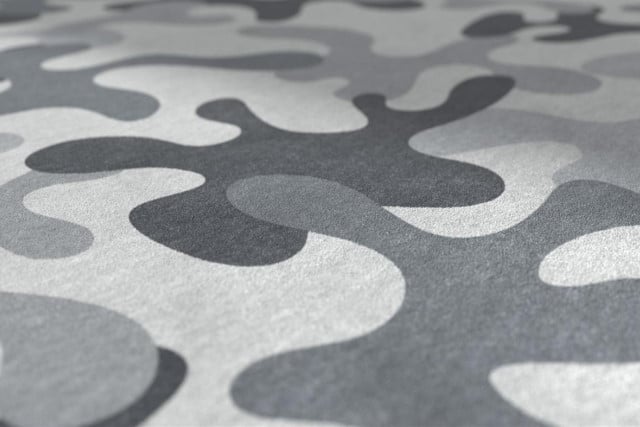
Microsoft releases two free Camo theme packs for Windows 10
If you've been looking for a way to customize the look of your computer, Microsoft has just released two free Theme Packs for Windows 10.
The Forest Camo and Arctic Camo theme packs have been designed to match special editions of the Microsoft Bluetooth mouse, but they can be downloaded for free regardless of whether you own this device. It's not all that often that you get something for free, so when it happens, grab whatever's on offer!