Department of Justice's Antitrust Division launches big tech investigation
Without naming any names, the Department of Justice has announced today that its Antitrust Division is to launch an investigation into the practices of "market-leading online platforms".
The probe comes amid concerns that the big names in technology are "engaging in practices that have reduced competition, stifled innovation, or otherwise harmed consumers". While the DoJ has not officially named any of the companies it is planning to look into as part of its investigation, the likes of Facebook, Google (or Alphabet) and Amazon are likely to feature prominently.

'Critical' vulnerability discovered in VLC on Linux and Windows -- but VideoLAN says it is not reproducible
Reports have emerged of a security bug in the Windows and Linux versions of VLC, making it vulnerable to remote-code execution via malicious videos. But although German and American security experts have branded the flaw as "critical", VLC-maker VideoLAN is downplaying things.
In fact, more than downplaying the vulnerability, VideoLAN is flat-out denying that it exists, with the software developer dismissing it as "fake news". [UPDATE: the vulnerability has now been pretty much debunked]
Privacy concerns raised that SmartScreen in Edge shares browsing history with Microsoft
A security researcher has revealed that the SmartScreen feature of Microsoft Edge is sharing full URLs of pages visited with the Windows-maker. Also shared are users' account IDs, raising concerns about privacy-invading tracking of browsing history.
SmartScreen is a security feature that Microsoft uses to identify phishing and malware websites, but the lack of obfuscation or anonymization of URLs shared with the company opens ups the potential for invasions of privacy and the revealing of sensitive information.
Apple may buy Intel's modem business for $1 billion as early as next week
Apple is said to be in advanced talks with Intel with a view to buying the company's 5G modem business for a figure upwards of $1 billion.
Following legal wrangles and fallings out with Qualcomm, Apple eventually came to an agreement with the firm, but now it seems that the iPhone-maker is turning its attention to Intel. The deal is said to include a portfolio of patents and staff.
Microsoft to pay $26 million to settle claims of violating the Foreign Corrupt Practices Act
Microsoft has come to an agreement with the US Justice Department and the SEC because of employee misconduct in Hungary. The company was to face a probe over violations of the Foreign Corrupt Practices Act.
In agreeing to pay this money, Microsoft is neither really admitting guilt nor denying the claims made against it, and company President and Chief Legal Officer Brad Smith has written to all employees saying: "There is no room for compromise when it comes to ethical business practices".
Microsoft plows $1 billion into OpenAI partnership
Microsoft is investing $1 billion in a multi-year partnership with OpenAI-- a company co-founded by Elon Musk three years ago.
The partnership will see Microsoft and OpenAI working together to build new Azure AI supercomputing technologies. Microsoft says that it will focus on building a platform to create new AI technologies and deliver on the promise of artificial general intelligence (AGI).
European Commission rules that UK dwelling EU citizens can still hold .eu domains after Brexit
What Brexit really means for the UK -- whenever it may end up happening -- still remains to be seen. But a new ruling by the European Commission means that even after leaving Europe, UK citizens will still be able to hold .eu top-level domains after leaving the European Union.
The ruling is a reversal of a decision taken earlier in the year that EU citizens living in the UK post-Brexit would not be able to own such domains. It comes as the Commission becomes increasingly concerned about the "uncertainties surrounding the ratification of the Withdrawal Agreement", and what the implications of this could be.
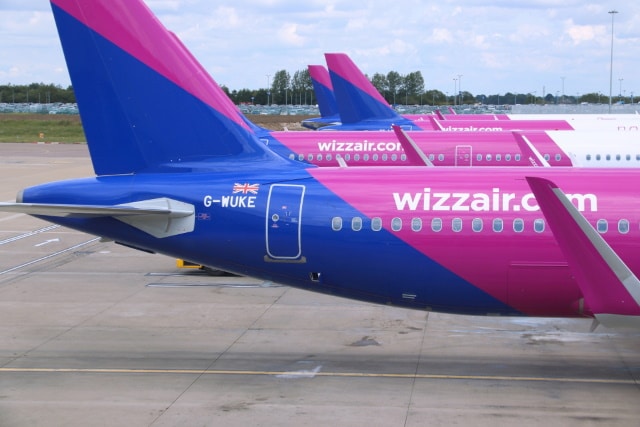
Wizz Air sends out password reset emails to millions of customers following 'technical irregularity'
Hungarian airline Wizz Air has emailed millions of customers informing them that their passwords have been reset.
While the company is at pains to stress that it has not been the victim of hacking, nor is any personal information at risk, the email took many customers by surprise and raised concerns about a possible data breach.
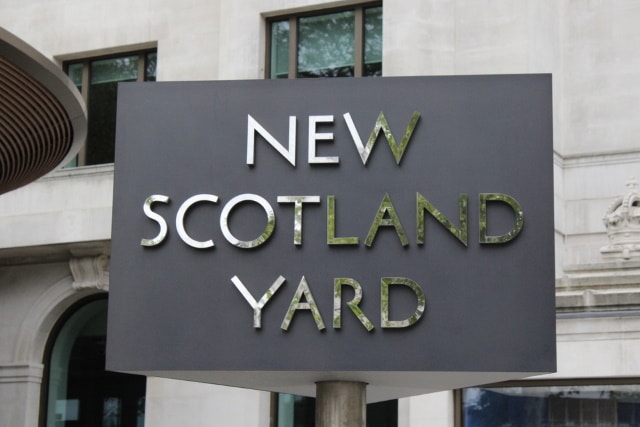
Scotland Yard Twitter account and website hacked
The Twitter account of Scotland Yard has been hit by hackers, resulting in a series of strange and offensive tweets being sent to hundreds of thousands of followers. The website for the Metropolitan Police was also hacked.
Tweets sent by the hackers made references to Keemstar as well as drill artist Digga D, calling for the rapper to be freed from prison. The attack by hackers also resulted in a series of emails being sent out to journalists via the Metropolitan Police's official email address.
Google boosts Chrome bug bounties
Bug bounty programs have become a popular way for companies to unearth security issues in software and address them quickly. Google is no stranger to such programs, and it has just announced massive increases to the payouts made for finding vulnerabilities in Chrome.
Some rewards have doubled while others have tripled, taking the maximum compensation for reporting a security flaw in Google's web browser -- and other Chromium-based browsers -- to an impressive $30,000.

Slack resets hundreds of thousands of passwords following data breach
Slack has just been made aware of additional information about a security breach that took place back in 2015, forcing the company to reset the passwords of around 1 percent of its users.
The company announced earlier this year that it has a daily userbase of over 10 million people, so this means that a huge number of users are affected by the incident no matter how much Slack tries to downplay it.
Google is closing a Chrome API loophole to make Incognito Mode more secure and private
Following increasing awareness that using Incognito Mode in Chrome can be detected, and it is still possible for sites to track your online behavior when you're using it, Google has announced upcoming changes that will close a loophole.
The update is due at the end of this month and it addresses a chink in the FileSystem API. Google says the change are coming in Chrome 76, and will also make it harder for publishers to determine when people are trying to bypass paywalls.
Microsoft is ripping SMS Connect from Skype... Again
Microsoft has announced that it is cutting the SMS Connect feature from Skype at the end of August.
The feature -- which makes it possible for Android users to send and receive text messages via Skype on their computers -- has been dropped in the past but made a reappearance last year. But now Microsoft is trying to push people into using the Your Phone app instead.
Microsoft warns thousands that they are victims of state-sponsored hacking
Microsoft has revealed that it has issued warnings to nearly 10,000 people that they are the targets or victims of state-sponsored hacking.
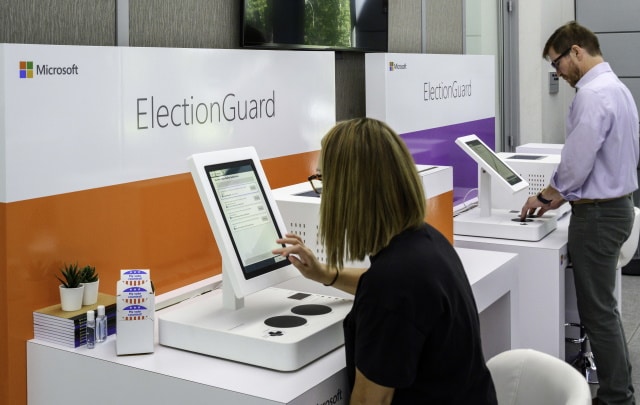
The announcement comes as Microsoft showcases election systems running Microsoft ElectionGuard which not only helps to increase security, but also makes voting more accessible. Microsoft reveals that the vast majority of the state-sponsored attacks targeted enterprise customers, but there were still a significant number of regular consumers affected.
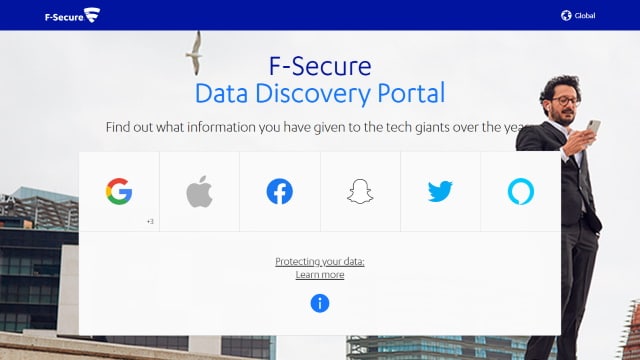
F-Secure's Data Discovery Portal reveals what the big tech companies know about you
In an age where people want -- even expect -- everything for free, particularly online, the price we pay for using various services is our privacy. Social networks are obvious collectors of personal data, but it doesn't end there... and who really knows what information has been collected about them over the years?
This is what F-Secure hopes to cast a light on with its new Data Discovery Portal which aims to "expose the true cost of using some of the web's most popular free services". It covers Amazon, Apple, Facebook, Google, Snapchat and Twitter.