
Mastering tenant-to-tenant cloud migrations: Strategies for success
Tenant-to-tenant cloud migrations have become pivotal for organizations striving to boost operational efficiencies and seamlessly adapt to dynamic changes such as mergers, acquisitions, and organizational restructuring.
These migrations are about more than transferring data and applications between cloud environments. They also represent a strategic move towards greater scalability and improved resource management, enabling businesses to respond more agilely to market demands and growth opportunities.

Azure outages should spark new urgency for a multi-cloud approach
July 19th 2024 will go down as a tough day for many IT teams, and the day started even worse for businesses using Microsoft Azure and its supported services. In addition to the widely publicized global outage caused by a CrowdStrike update, Microsoft Azure's Central US Region was down for five hours due to an unrelated failure, impacting millions of business users worldwide.
As if that wasn't enough, less than two weeks later, Microsoft Azure experienced another global outage lasting more than six hours. According to the company's service status page, it was Microsoft's 8th service status-related incident.
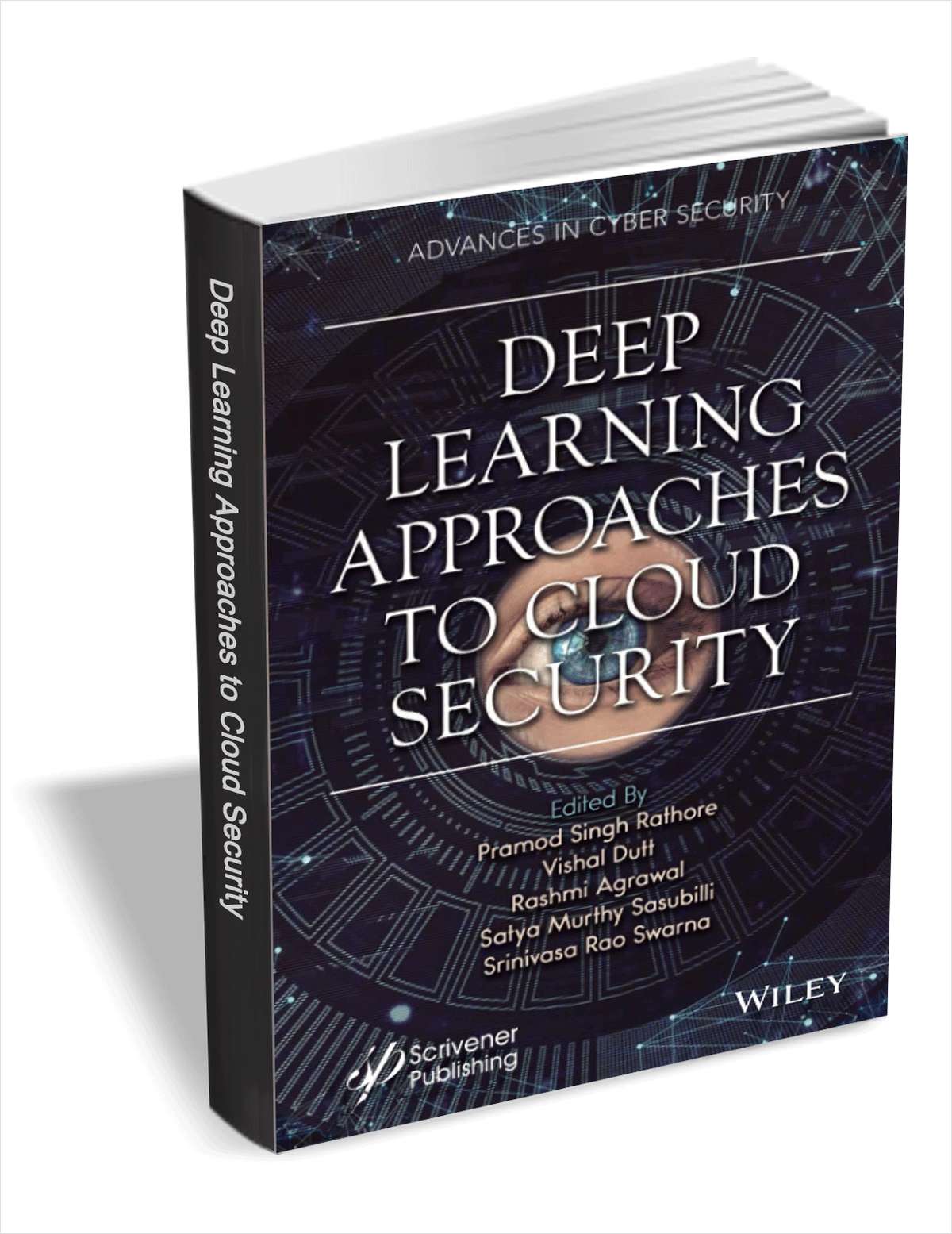
Get 'Deep Learning Approaches to Cloud Security' (worth $190) for FREE
Covering one of the most important subjects to our society today, Deep Learning Approaches to Cloud Security delves into solutions taken from evolving deep learning approaches, solutions allowing computers to learn from experience and understand the world in terms of a hierarchy of concepts, with each concept defined through its relation to simpler concepts.
Deep learning is the fastest growing field in computer science. Deep learning algorithms and techniques are found to be useful in different areas like automatic machine translation, automatic handwriting generation, visual recognition, fraud detection, and detecting developmental delay in children. However, applying deep learning techniques or algorithms successfully in these areas needs a concerted effort, fostering integrative research between experts ranging from diverse disciplines from data science to visualization.

Migrating to the cloud: The key to business scalability, flexibility and cost-effectiveness
Whenever a new technology hits the business mainstream, key decision makers try to figure out how it can be incorporated into their existing workflows. This is driven by the need to stay on the cutting edge and not lose out to competitors, as well as the goal of constantly improving efficiency and cutting costs. The most obvious current example of this is AI, which is the hot new piece of technology that businesses are trying to utilize. The other main technology that exemplifies this is cloud computing.
There are many reasons organizations are looking to the cloud as a business enabler, with scalability, flexibility, and cost-effectiveness being only a portion of the long list. Any business that is not currently considering incorporating some aspect of cloud technology into their existing systems will fall behind compared to the rest of the industry, due to the many ways in which it can benefit workflows and help drive revenue.

Cloud and AI expansion lead to data protection challenges
Enterprise IT leaders are grappling with unprecedented challenges in data protection and governance, driven by the rapid adoption of cloud applications and generative AI, according to a new report.
The study from backup and recovery platform Keepit finds that although 70 percent of respondents report that their financial applications are covered by data protection strategies, a significant portion of other key systems and custom applications remain vulnerable.

Cloud security vendors with cloud cultures: Operating in sync with customers
Cloud-native security companies understand that while digital transformation is the future for most, if not all, organizations across industries, it’s also introducing a host of new cybersecurity challenges that customers need support navigating. For example, as hybrid work and distributed workforces become more normalized, there’s a growing need for solutions and processes to ensure this anytime, anywhere collaboration happens securely. Moreover, as the number of cloud services in use across organizations increases, more sensitive data is being stored in the cloud, and companies continue to lack visibility and/or control over their cloud activities, cloud security is only becoming more critical with time.
However, to build security solutions that solve for these challenges and others, cloud-native security vendors need to first understand the exact nature of the issues their customers are facing. One way they typically approach this is by being deeply integrated into the market and relying on customer feedback to shape their product offerings. But there’s another, often-overlooked way for these companies to stay close to customers’ changing needs: fostering an internal cloud-centric culture themselves. By practicing what they preach, cloud vendors can best support customers and optimize their solutions.

Transferring photos and videos from Google Photos to Apple iCloud Photos is now a whole lot easier
Interoperability between rival platforms, including the ability to easily transfer data from one to another, is something that only really benefits users. There is little, if anything, positive to stem from one company making it easy to move to a competitor.
But when it comes to cloud storage for photos and videos, migrating from Google to Apple is being simplified. While transferring Google Photos to iCloud has been possible for a while, the process has been an uphill struggle. Now this is changing.

Forensics or fauxrensics? What to look for in cloud forensics and incident response [Q&A]
The rapid deployment of cloud resources has led to misconfigurations and security risks, leaving security teams scrambling to adapt and secure their businesses following migrations away from traditional on-premises environments.
Despite successfully enhancing prevention and detection in the cloud, organizations now face a significant challenge in assessing the true scope and impact of issues that do arise.
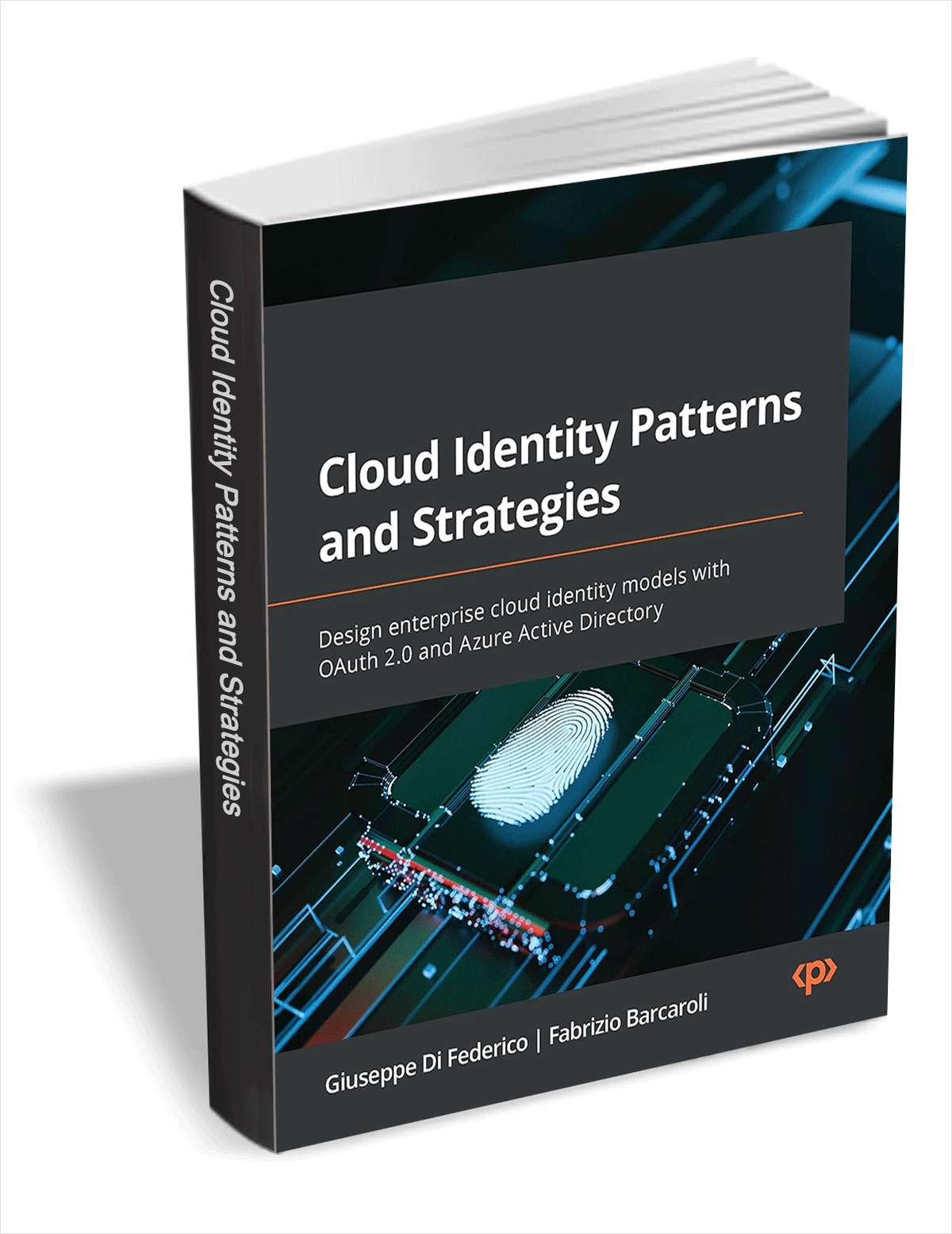
Get 'Cloud Identity Patterns and Strategies' (worth $28.99) for FREE
Identity is paramount for every architecture design, making it crucial for enterprise and solutions architects to understand the benefits and pitfalls of implementing identity patterns.
However, information on cloud identity patterns is generally scattered across different sources and rarely approached from an architect’s perspective, and this is what Cloud Identity Patterns and Strategies aims to solve, empowering solutions architects to take an active part in implementing identity solutions.
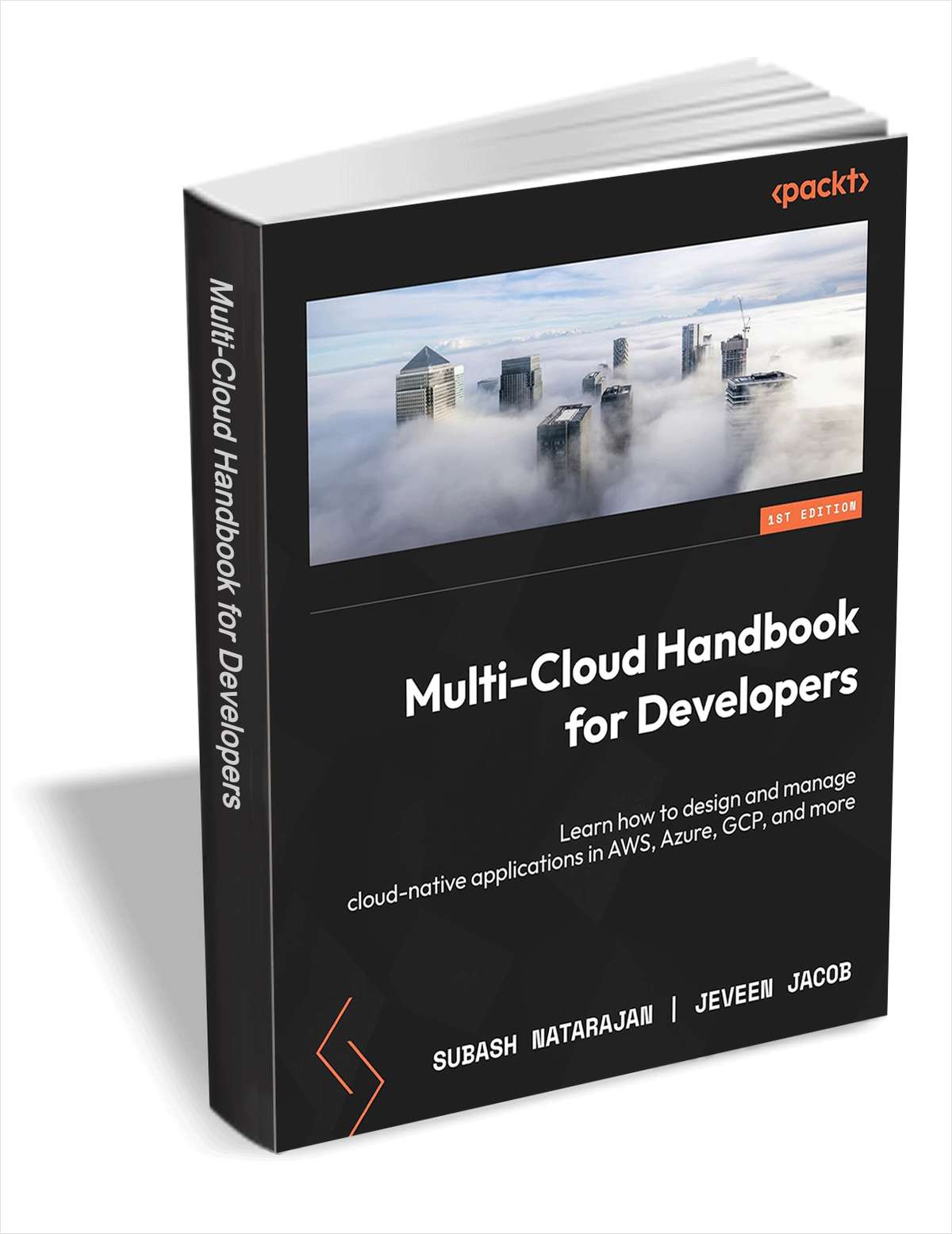
Get 'Multi-Cloud Handbook for Developers' (worth $39.99) for FREE
Unleash the power of cloud computing with Multi-Cloud Handbook for Developers, your guide to mastering the nuances of cloud-native and multi-cloud, covering practical strategies for design, development, and management.
Explore the essential concepts, challenges, and methodologies critical for navigating the complex landscape of modern cloud computing. Using core architectural and design principles (such as microservices and 12-factor architecture) and advanced strategies (such as distributed application design patterns, domain-driven design (DDD), and API-first strategies), you’ll learn how to build portable and efficient apps across various cloud platforms.

The latest cybersecurity trends and how to guard against them [Q&A]
The cybersecurity landscape is a constantly changing one, with new threats emerging and old ones evolving. This makes it difficult for organizations to ensure their defenses are up to the task of properly protecting them.
We spoke to Balazs Greksza, threat response lead at Ontinue which recently published its first threat intelligence report, to find out about the latest threats and how organizations can address them.

Sysdig uses automation to cut cloud incident response times
Cloud security company Sysdig is launching a new, enhanced cloud-native investigation process designed to cut incident analysis time to just five minutes.
By visualizing a given incident in the Sysdig Cloud Attack Graph, security analysts can gain a dynamic view of the relationships between resources for a better understanding of the killchain and potential lateral movement across a cloud environment.

Fears rising cloud costs could mean job losses
A new survey of 1,000 finance and engineering professionals in the US reveals that 58 percent of respondents say their cloud costs are too high.
The study from CloudZero also shows that 75 percent of employees say they fear losing their jobs if cloud costs abruptly surge by 50 percent or more. This unease is particularly heightened among employees at larger companies, with 100 percent of those at organizations with over 9,000 personnel believing their positions are vulnerable.

70 percent of enterprises have dedicated SaaS security teams
Organizations have prioritized investment in SaaS security, with 70 percent establishing dedicated SaaS security teams, despite economic uncertainty and workforce reductions.
A new report from the Cloud Security Alliance (CSA), commissioned by cloud security specialist Adaptive Shield, also finds 39 percent of organizations are increasing their SaaS cybersecurity budgets compared to last year.

74 percent of companies struggle with cloud spending
New research from tech consultancy esynergy, which surveyed 700 business and tech leaders in the US and UK, finds 74 percent of organizations struggle to optimize cloud spend.
It also finds that 51 percent anticipate making a change to their cloud strategy in response to cost pressures. Increasingly they're looking at FinOps (financial operations) is to ensure that cloud resources are used efficiently.