Bye bye, TLS 1.0 and 1.1: Apple, Microsoft, Mozilla and Google all wave adieu to old security protocol
As part of a coordinated movement between four of the biggest names in tech, the old TLS 1.0 and 1.1 security protocols are to be killed off in Safari, Edge, Internet Explorer, Firefox and Chrome in 2020.
Apple, Microsoft, Mozilla and Google have come together to purge the internet of these old and buggy protocols, noting that most people have now moved to TLS 1.2, if not TLS 1.3. Although 94 percent of sites already support version 1.2, a tampering off period over the next 18 months will give everyone a chance to catch up.
Facebook says it could use data from Portal devices to target users with ads
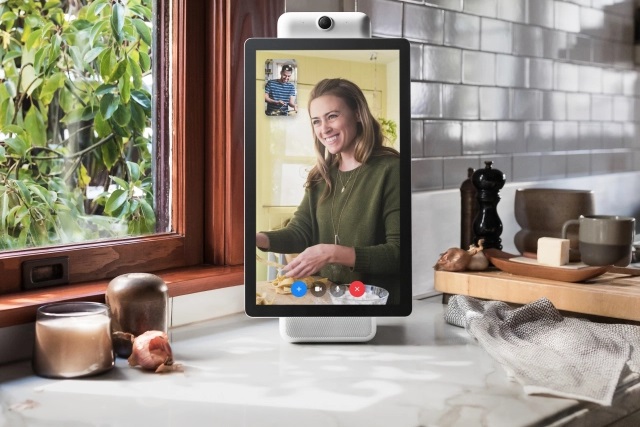
When Facebook unveiled its Portal and Portal+ video calling hardware last week, there were immediate concerns voiced about the privacy implications of the social network's new devices.
Facebook has been insistent that Portal is "private by design", and the company said no data -- such as call logs and app usage information -- would be used to target users with ads. Now the company has changed its mind and says that actually it could be hitting users with targeted ads.

Google to charge smartphone makers to use Google Play in Europe in response to antitrust ruling
Following a European Commission ruling earlier in the year that Google had exploited Android for "very serious illegal behavior" and used its mobile operating system "as a vehicle to cement its dominance as a search engine", the company was hit with a record €4.34 billion ($5 billion) fine.
Today Google has outlined how it will respond to the European ruling, in addition to appealing against it. One of the things the company will do is to start charging smartphone makers a licensing fee to use Google Play.
Amazon launches new waterproof Kindle Paperwhite
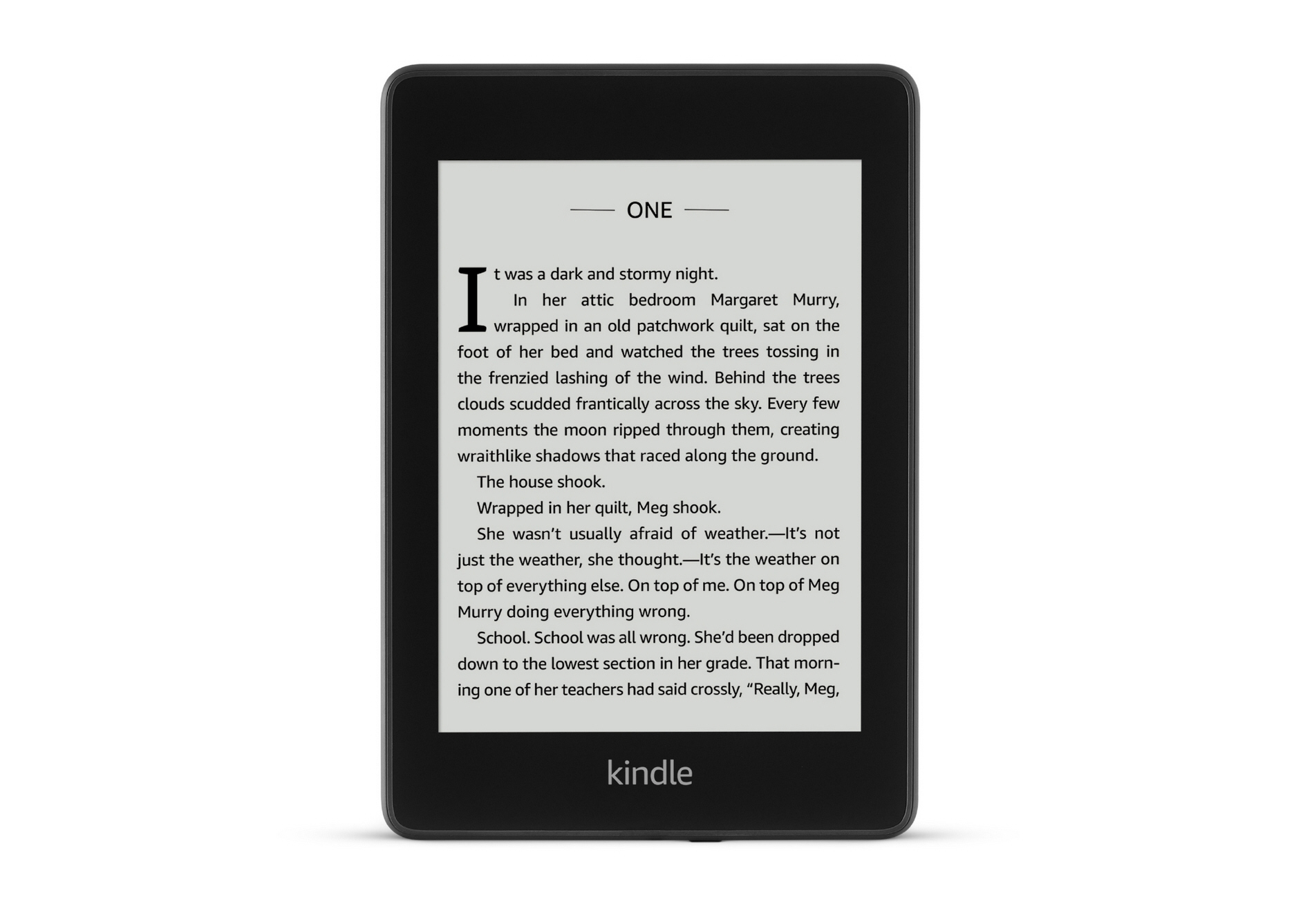
Amazon has launched a new version of its Kindle Paperwhite. The latest incarnation of the ebook reader is not only thinner and lighter than its predecessors, but also waterproof.
The new model boasts twice the storage space of previous Kindles, and the screen is not only the highest resolution offered by Amazon (300ppi), but also flush with the front of the reader's bezel for a higher-quality finish. Anyone buying the device can enjoy six months of Kindle Unlimited for free, giving plenty of opportunity to test the battery, the life of which Amazon says is "measured in weeks".
Real-time Google Translate comes to all Google Assistant headphones and Android phones
Previously a Pixel exclusive, Google is opening up real-time translation to a wider range of devices. So wide, in fact, that real-time Google Translate is now available to all Assistant-optimized headphones and Android phones.
For quite some time, the option was only available to people with a Google Pixel phone paired with Pixel Buds earphones, but now just about everyone has access to the feature.

Google is 'exploring' a censored search tool for China
The possibility of Google making a return to China was leaked this summer, but the company has remained pretty tight-lipped about the matter. But now CEO Sundar Pichai has spoken publicly about the prospect of Google producing a censored version of its search engine to comply with Chinese regulations.
Speaking at a conference in San Francisco, Pichai revealed that Google has, internally, built a search engine for China, because "we wanted to learn what it would look like". He said that the company is "exploring" the idea, and pointed out that 99 percent of searches would not be censored.
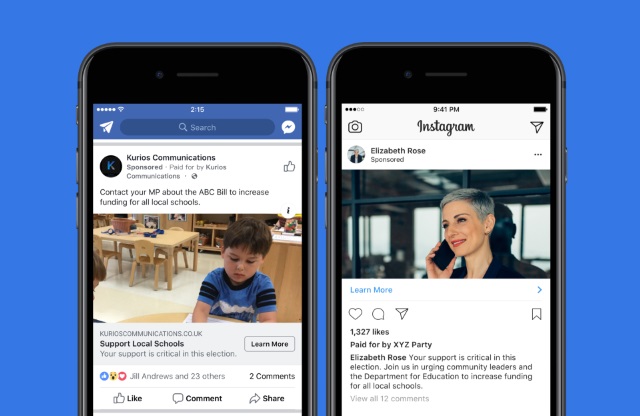
Transparency: Facebook to reveal who pays for political ads in the UK
In recent years there have been concerns about the influence it is possible to exert over election results through social media. As well as fears relating to fake news and misinformation, there have also been calls for greater transparency when it comes to revealing the funding of political advertising.
To address some of these concerns, Facebook has announced that any ads running in the UK that make reference to political figures will have to publicly reveal the identity of the organization or individual that paid for them. The new rules about transparency will apply to both Facebook and Instagram.

Winamp is being updated and reimagined as an audio app for mobile
The name Winamp -- you know, the audio player that "really whips the llama's ass" -- is one that will stir up nostalgic memories for people of a certain age. Since its inception in the mid-90s, Winamp gained a huge and loyal following but, after changing hands a couple of times since the turn of the century, it was then largely forgotten.
But Winamp is making a comeback. In the next few days the desktop app will be getting an update -- not that this is something you should expect too much from -- but it is what's happening in 2019 that's really exciting.

Malicious messages are locking up PlayStation 4 consoles
We've heard of problems with specially-crafted messages being used to lock up iPhones, and now a similar problem has been found with the PlayStation 4. Anyone who receives one of these messages will find that their console completely locks up -- and the only way out of it is to perform a factory reset.
The problem lies in messages that include unrecognized characters, and it is being exploited by some gamers to boot people offline in the middle of games -- Rainbow Six in particular. While there is no fix available at the moment, there are steps you can take to prevent the issue affecting you.
Privacy: Twitter is under investigation for data collection through its link-shortening system
Twitter is being investigated by the Irish Data Protection Commission (DPC) over concerns about how much data it collects through its t.co link-shortening tool.
The Irish privacy regulator is concerned about the amount of data Twitter is able to collect through the service -- something that was only heightened by the company's refusal to hand over information about link tracking when it was requested.
Microsoft employees use open letter to urge company not to get involved in JEDI military project
Last week, Google said that it had concerns about the use of AI in the US Department of Defense's JEDI (Joint Enterprise Defense Infrastructure) project, and as such it would not be bidding for the contract.
Now Microsoft employees have published an open letter expressing their concerns about JEDI, the secrecy it is shrouded in, and the potential for it to cause harm or human suffering. The letter has a simple message: "Microsoft, don't bid on JEDI".
An Unsend option is coming to Facebook Messenger
Mark Zuckerberg caused controversy around six months ago... nothing strange for Facebook you may think. On this occasion, the founder of the social network managed to upset people when it turned out he had deleted messages he had sent through Facebook Messenger: an option that wasn't -- and isn't -- available to other Facebook users.
At the time, when the matter came to light, Facebook said that the ability to unsend messages would ultimately give everyone the option to delete the messages they had sent. At long last, the feature is being tested, so we might see if released publicly in the not-too-distant future.
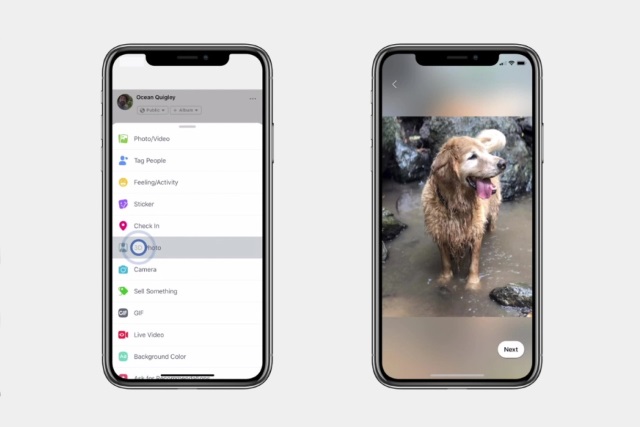
Now you can post 3D photos to Facebook from your smartphone
A new option is in the process of rolling out to Facebook users around the world: the ability to post 3D photographs. The key attraction here -- apart from the fact that 3D images look kind of cool -- is that no special equipment is needed.
Of course, you have to be realistic with your expectations. The new 3D photos feature does not create interactive, fly-through images or anything fancy like that. Rather it plays with parallax effects to create the illusion of depth that you can enjoy by scrolling, panning and tilting your phone.
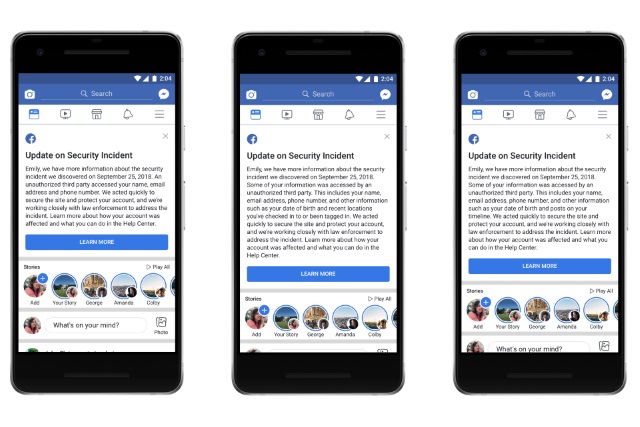
How to see if you were affected by the huge Facebook hack
The most recent Facebook security issue is one of the most serious yet for users of the social network. Depending on which numbers you are look at, the hackers who exploited a security flaw have impacted on anything between 14 and 30 million people.
Facebook is still -- with the help of law enforcement agencies -- investigating the incident, and in the meantime many people feel as those they are being left in the dark. If you want to find out if your account has been affected, here's what you need to do.
Facebook says hackers accessed highly-detailed personal data of 15 million users
In a news release with the bizarrely vague title of "An Update on the Security Issue", Facebook has revealed that the "View As" security breach it opened up about recently gave hackers access to the personal details of 15 million users.
Having previously advised that the access tokens stolen by hackers had not been used to infiltrate other apps and services, the social networking giant now says 15 million people have had their names and contact details exposed. 14 million users had significantly more details revealed, including username, relationship status, religion, hometown, birthdate, places they have checked into, and recent searches.