


Chinese 'kidney for iPad' trial starts
Nine people have gone on trial in the central province of Hunan, China, accused of illegal organ trading and intentional injury after a 17-year old high school student sold one of his kidneys to buy an iPad and iPhone. The teenager, identified in a report by the state-run China Daily as Wang Shangkun from the Anhui province, was allegedly recruited through a chat room by one of the defendants, and paid 22,000 Yuan ($3,456) for the organ, which was removed in an illegal transplant operation by a team from a local hospital. The kidney was sold by the gang behind the trade to an unknown buyer for 150,000 Yuan ($23,566) and a further $10,000 in cash, netting them a profit of around $30,000.
While to Westerners $3,458 seems a shockingly low price to sell a kidney for (especially considering how much the recipient was willing to pay), it’s important to put that figure into context. The average wage paid to workers assembling Apple products at Foxconn is around 2,200 Yuan ($346) a month, so the figure Wang received would have equated to nearly ten months’ salary for someone working at the plant -- a colossal amount of money to a young man still in full-time education.

New Google trial includes Gmail in search results
Google is always trying out new ideas, and its latest experiment will allow users to locate personal Gmail messages through Google Search. Once enabled you just type what you’re looking for into the search box, and if there are any matching emails stored in your Gmail account they’ll be pulled out and displayed in a sidebar on the right of the results page. You can also search for contacts at the same time and, as a bonus, get updated information and statuses for any flights mentioned in Gmail messages.
At first glance this latest innovation might not seem a particularly useful feature, but it will allow you to find important messages without having to go into Gmail, simply by typing what you’re looking for into your browser’s search field. Obviously the results will only be visible to you and not to other users.

10 interesting things we’ve learned from the Apple vs. Samsung trial (so far)
We’re only into the second week of the "patent trial of the century" but we’ve already been granted an unprecedented peek behind the curtain into the notoriously secretive world of Apple Inc. Here, in no particular order, are ten of the most fascinating reveals from the trial to date.
Steve Jobs was open to the idea of a seven inch iPad

Real-money gambling arrives on Facebook
Although online gambling is essentially illegal in most US states, in the UK it’s both very popular and well-regulated. Facebook has been in discussion with a number of UK-based operators about introducing real-money games to the social network since last summer, and the first of what will likely become a deluge of gambling apps has finally arrived on the site. The new game, from UK-based Gamesys, is called Bingo and Slots Friendzy and will allow British users aged 18 and over (and in possession of a credit card) to play for real cash prizes while chatting with friends. As is the case with most online gambling games in the UK, this one comes with a big cash incentive for new players. Deposit £10 to get £30 to wager.
Commenting on the launch, Facebook’s Head of EMEA Gaming Partnerships, Julien Codorniou, said, "People love playing new types of games with their friends on Facebook and real money gaming is a popular leisure activity in the UK. We’re delighted to be working with Gamesys to enable them to offer their games on Facebook so that people can enjoy playing more games with their friends."
There are more than 83 million active 'fake' users on Facebook
Tucked away in Facebook’s company filings published this week, was an interesting snippet of information. Although the social network had 955 million Monthly Active Users (MAUs) as of June 30, 2012, an increase of 29 percent from this time last year, some 8.7 percent of that figure – around 83 million users - were identified by Facebook as likely to have come from fake sources.
The number of people actively using the service is calculated using internal company metrics based on the activity of user accounts, and Facebook has determined that roughly 4.8 percent of its MAUs may have originated from duplicate accounts, with a further 2.4 percent coming from user-misclassified accounts (that is personal profiles created instead of pages for businesses or "non-human entities," like pets), and 1.5 percent from undesirable accounts (those created by spammers, for example).

5 things I hate about Gmail
Let me preface this article by saying I’m a long time Gmail fan. I signed up as soon as an invite came my way, and have used it as my primary email service ever since. Although I now have an Outlook address, and really like what Microsoft has done with its Hotmail replacement so far, I can’t see switching over to it full time. I’m too attached to Gmail to ever think of saying goodbye.
But, that said, I’m not as enamored with the webmail service as I used to be. There are just certain issues that prevent me from really, truly appreciating it as I have in the past. Gmail is still great, and I don’t want to appear churlish about a free service that mostly outshines the competition, but here are some problems I have with it.
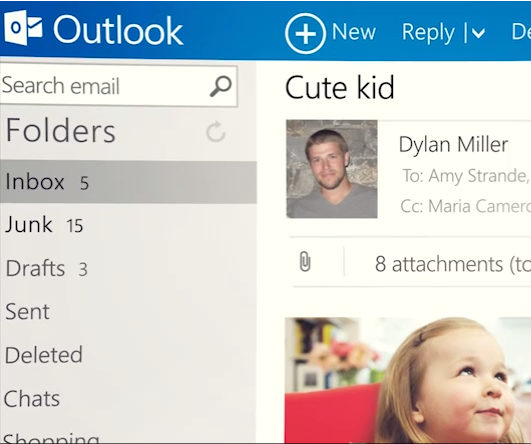
Microsoft relaunches Hotmail as Outlook
Today, Microsoft unveiled the latest incarnation of its popular Hotmail service, and as well as a new look it’s been given a new name, although it’s one that everyone in the business world will be intimately familiar with -- Outlook.
This rebranding is a huge step for Microsoft and signals the death of Windows Live, which never really caught on in the way the company would have liked.

Making a bad joke on Twitter shouldn’t be a criminal offense
I like to make jokes. In fact so deep is my love of comedy I’ve co-authored a couple of non-fiction humor books. I can see the funny side in most things, but I’m also able to self-censor. That is, if I think up a joke that someone may find genuinely offensive or upsetting, I will choose very carefully whether or not to say it or post it. I’ve learned over the years to think before speaking, although that doesn’t mean I’ll always do it.
Twitter is full of would-be comedians posting jokes and irreverent observations. Sometimes they’ll score a hit, other times a miss. When a joke occurs, they’ll rush to post it in an effort to impress their peers, and score retweets. The speed that Twitter operates at means people often don’t think before they post. When someone tweets something in bad taste, followers will pick up on it, and the sheer weight of disapproval will frequently lead to the removal of the offending missive and a swift apology.
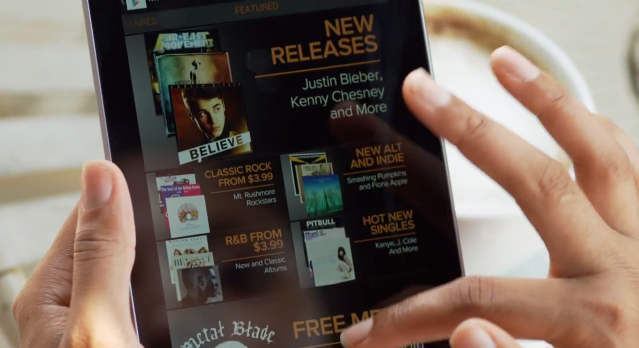
Google resumes 16GB Nexus 7 sales
When the larger model of the Nexus 7 vanished from the Play store a week ago, it was generally assumed that demand outstripped supply. After all, the tablet has been insanely popular since its launch, and pretty much sold out everywhere. The fact that the 8GB model was still available in the store just suggested that people were more interested in physical memory than cloud storage.
But then the conspiracy theories began to kick in. There had been a lot of complaints about the 16GB model prior to its disappearance, with most focusing on screen issues, which led my colleague Joe Wilcox to question whether the model had been withdrawn for reasons other than just overwhelming popularity. His article certainly struck a nerve and generated some interesting comments, including further complaints about the device. Could he be right? Was there more to the story than Google was telling us?

Olympics fans asked not to tweet during events
London 2012 has been described as the first true “social media games”, with sports fans tweeting, texting and sending photos and videos live from events. But on Sunday it became clear that all this activity placed a strain on the networks when a deluge of messages sent by fans lining the streets to watch the men’s cycling road race prevented TV commentators from telling how far ahead the leaders were.
The problem, apparently with one so-far unidentified provider, stopped data from the cyclists’ GPS satellite navigation system getting through to the studios, leading to confusion. The International Olympic Committee (IOC) was forced to ask enthusiastic tweeters to limit the sending of non-vital messages -- at least until more network capacity could be arranged.
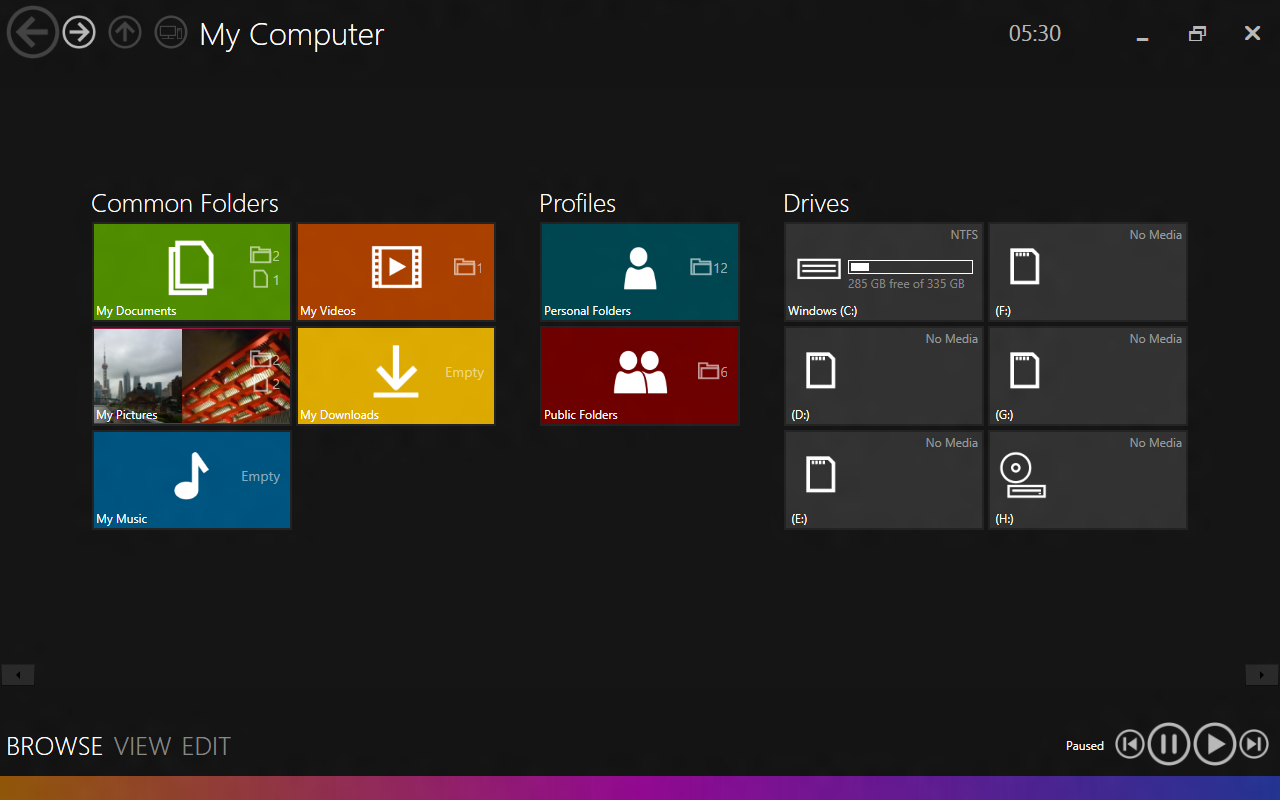
Upgrade Windows 8 with an awesome Metro-themed Explorer
Whether you love or hate Metro (and BetaNews readers certainly seem to be divided on the topic), it’s an integral part of Windows 8 and something we’re all going to have to learn to get along with. Although I personally find using the interface with a keyboard and mouse a rather clumsy experience, I do appreciate Metro’s aesthetics and think it's a bit annoying (not to mention odd) that Microsoft hasn’t extended its design to Windows Explorer.
Unsurprisingly, I’m not alone in this viewpoint but while I’m happy to just complain about it Julien Manici decided to do something and has come up with a very early, but brilliant application called Immersive Explorer.
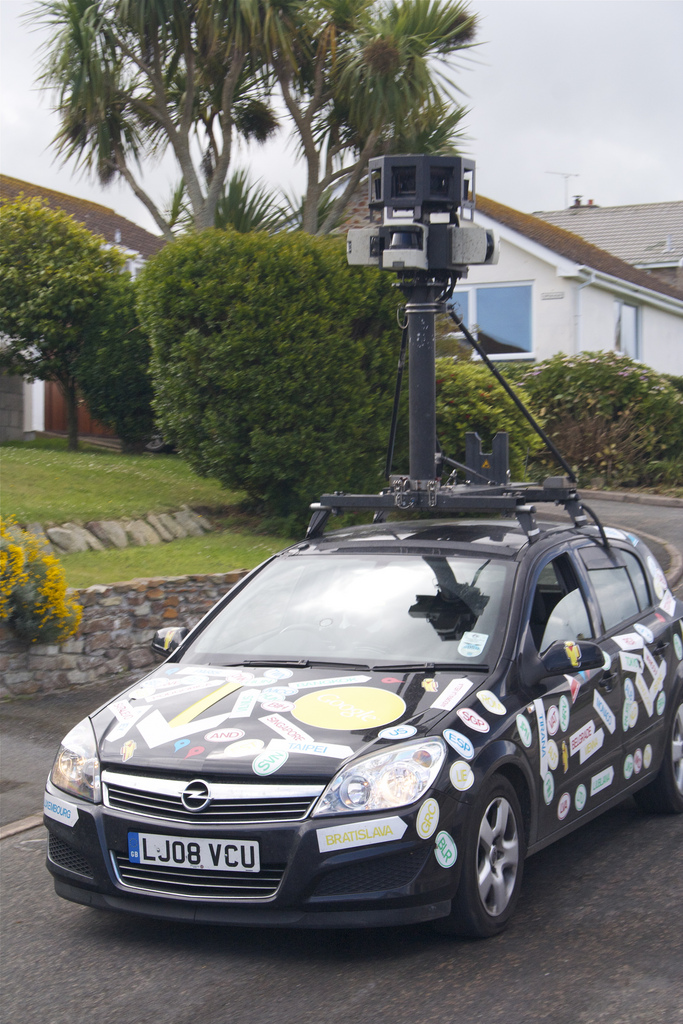
Google admits breaching UK data privacy agreement
In May 2010, Google hit the headlines when it was revealed that street mapping cars had accidentally collected around 600GB of payload data from unsecured wireless networks around the globe.
The news caused a privacy storm and led to legal actions in numerous countries. In the United Kingdom, the Information Commissioner's Office (ICO) took a lenient approach, saying that while the activity “constituted a significant breach of the first principle of the Data Protection Act” it accepted Google’s explanation as to how collection had occurred. The agency was willing to take no action, provided the search giant deleted the data it had captured.
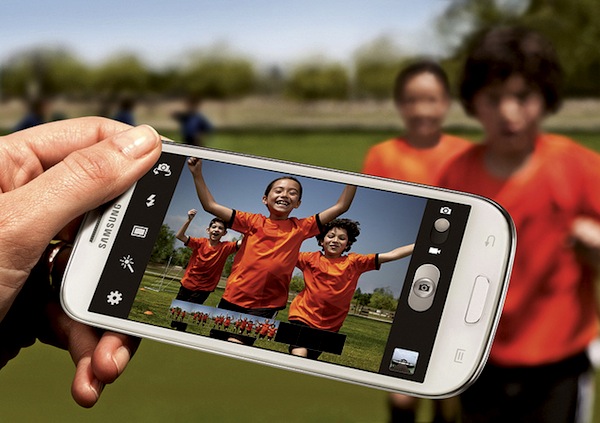
Samsung error removes universal search from the Galaxy S III, not Apple's patent war
Now here’s an interesting thing. A couple of days ago Samsung disabled the Google local search function from the international version of its Galaxy S3 handset, preventing users from being able to search their phone’s apps and contacts. It was believed to have been done as a result of a patent dispute with Apple, and followed the search-on-device disabling update that hit Galaxy Nexuses in the US.
Users were understandably up in arms because they weren’t told that installing the new stability update would remove the universal search feature, and probably a fair few of them felt compelled to join the boycott Apple movement as a result. (Fortunately I didn’t update my S3 so my opinion didn’t change. Not that it would have.)
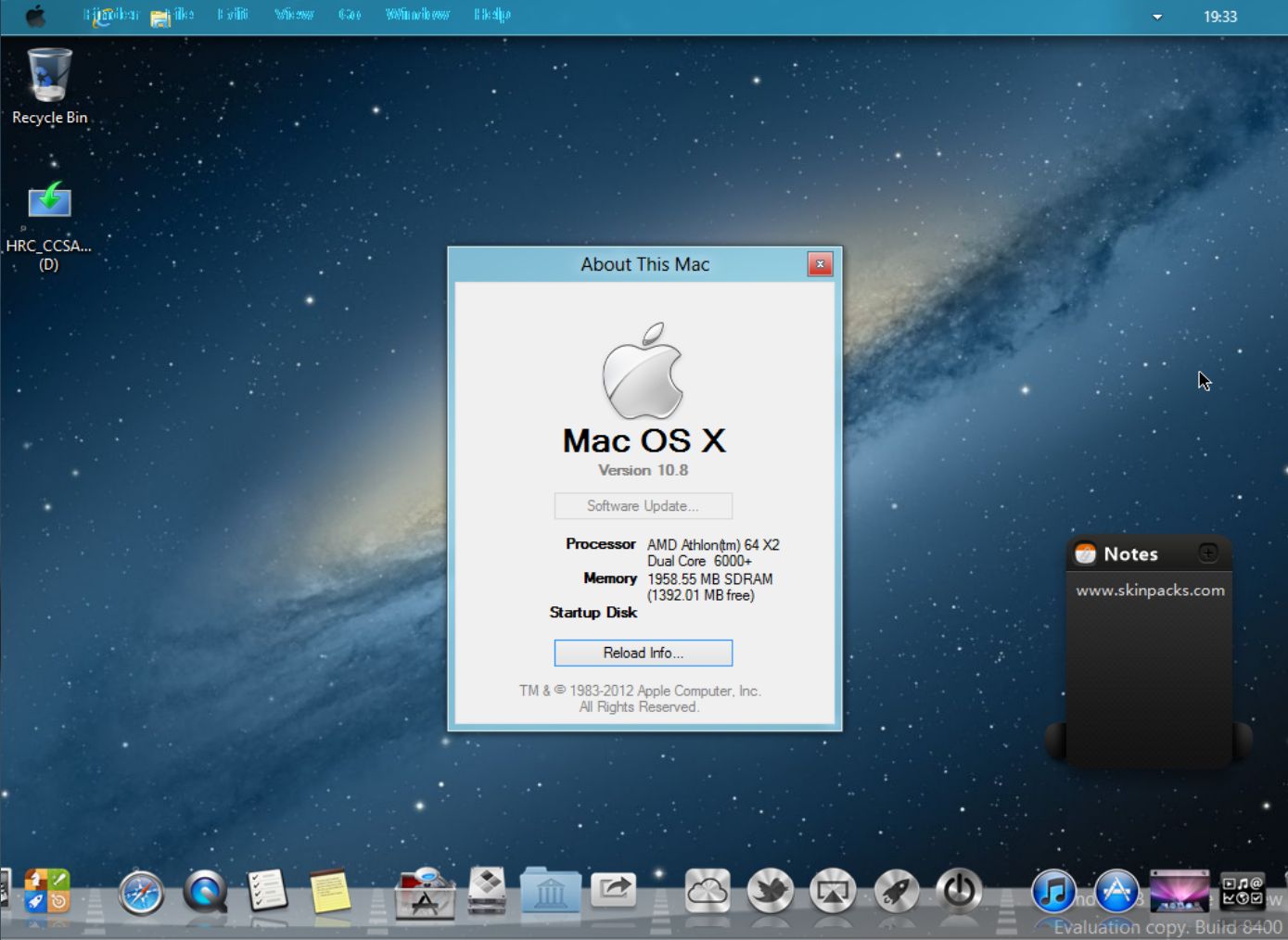
Transform Windows 8 into Mac OS X Mountain Lion
If you’re running Windows 8, but like the look of Apple’s new Mountain Lion OS, you can use a skin pack to assuage some of your UI envy, without dumping Metro in the process (which may be a good or bad thing, depending on how you feel about the new tiled interface).
The Mountain Lion Skin Pack for Windows 8 Consumer Preview was obviously designed for the earlier trial version of Windows 8 (the clue is in the name), but it works just as well in the release candidate. It won’t actually transform Windows into Mountain Lion, so you won’t get cool features like apps that match their iOS counterparts, cloud-based sync features or AirPlay mirroring, but it will at least give you a reasonable flavor of Mountain Lion’s aesthetics.

Free Wi-Fi comes to London in time for the Olympics
Virgin Media has already introduced free Wi-Fi to selected Underground stations -- with more to be added by the end of the year -- and now O2 is doing its bit to transform London into Europe’s largest free Wi-Fi zone with a roll out of hotspots at numerous landmarks across the city.
Free to access and use, irrespective of what network you’re on, the hotspots are already available at Oxford Street, Regent Street, Trafalgar Square, Leicester Square, Piccadilly Circus and Parliament Square, with Covent Garden to be added soon. The first time you connect you’ll need to register your details, but after that you’ll be automatically connected whenever you get within range of a signal. Assuming, of course, that O2 doesn't suffer another network disruption like the one it experienced recently.



