
New start-up aims to boost personal cybersecurity for business execs
Enterprises are able to put considerable resources into securing their networks, which has led hackers to target executives via their personal accounts on social media and elsewhere outside the organization.
A survey by Influential Executive shows that in 2020, 94 percent of Fortune 500 CEOs were on LinkedIn and 62 percent on Facebook, YouTube, or Twitter, up from 39 percent five years before.

New endpoint solution delivers real-time protection against vulnerabilities
A new IT management and endpoint security solution from Syxsense promises to deliver real-time vulnerability monitoring and instant remediation for every endpoint across an organization’s entire network.
Syxsense Enterprise combines Syxsense Secure, Manage, and Mobile Device Manager to deliver a completely unified platform that scans and manages all endpoints, resolves problems in real-time, and reduces the risks associated with system misconfigurations.

Security professionals say attackers are better at using AI than defenders
Over 30 percent of cybersecurity professionals think that malicious actors are more adept at using AI to attack their organization than they are at leveraging AI in-house for defense.
A new survey carried out by Wakefield Research for Devo Technology also shows how organizations are struggling to effectively implement AI to aid and augment cybersecurity efforts, with more than 50 percent having to undertake major changes, or reset and start again.

Risks introduced by the fission between security and ITSM -- and how to remediate them [Q&A]
Every day, there seems to be a new headline about the latest ransomware threat, supply chain attack or malware strain.
And, while these are very real risks that organizations need to take seriously, an equally important security issue, albeit a much less publicized one, is the divide between security teams and professionals responsible for IT service management (ITSM).
Behavioral analytics and why it's important to threat detection and response [Q&A]
Traditional rule-based security techniques centered on malware signatures and perimeter protection are increasingly unable to cope with the latest, more sophisticated threats.
Taking a more behavior-based approach to spotting unusual or risky activity offers a solution, but what is required to make it work? We spoke to Sanjay Raja, VP of product marketing and solutions at cybersecurity specialist Gurucul, to find out.
Cybersecurity firm Trellix releases report on critical infrastructure providers' readiness for attacks
Cyberattacks are something every organization fears. Perhaps those who should be most concerned, and which should scare us most, are the ones that control vital infrastructure -- nuclear power plants (recall Stuxnet in Iran?), banks, telephone carriers, healthcare and power grids.
Today, security firm Trellix releases its latest report on the current state of affairs in the industry and, as expected, the news isn’t all rainbows and unicorns.

Cybersecurity takes a back seat to other digital projects
A new study reveals that 79 percent of cybersecurity professionals think that their organization prioritized maintaining business operations over ensuring robust cybersecurity in the last 12 months.
The CyberArk 2022 Identity Security Threat Landscape Report also points up how the rise of human and machine identities -- often running into the hundreds of thousands per organization -- has driven a build-up of identity-related cybersecurity 'debt', exposing organizations to greater risk.

Lessons the military can bring to cybersecurity [Q&A]
The ongoing struggle between good and bad actors in the cyber world has often been compared to a battle or warfare. More recently the threat of nation state attacks on critical infrastructure has led to more actual military interest in the cyber arena, as we've seen in Ukraine.
The Israel Defense Force's 8200 unit is often referred to the SEALs or SAS of cyber military units and its veterans are driving many of Israel's tech start ups.
94 percent of critical assets can be compromised within four steps of a breach
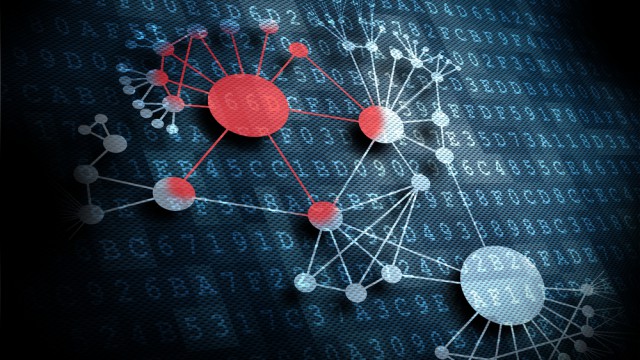
A new study from Israel-based XM Cyber, based on findings from nearly two million endpoints, files, folders and cloud resources throughout 2021, shows 94 percent of critical assets can be compromised within just four steps of the initial breach point.
The research team analyzed the methods, attack paths and impacts of attack techniques that imperil critical assets across on-premise, multi-cloud and hybrid environments, and developed tips for thwarting them.
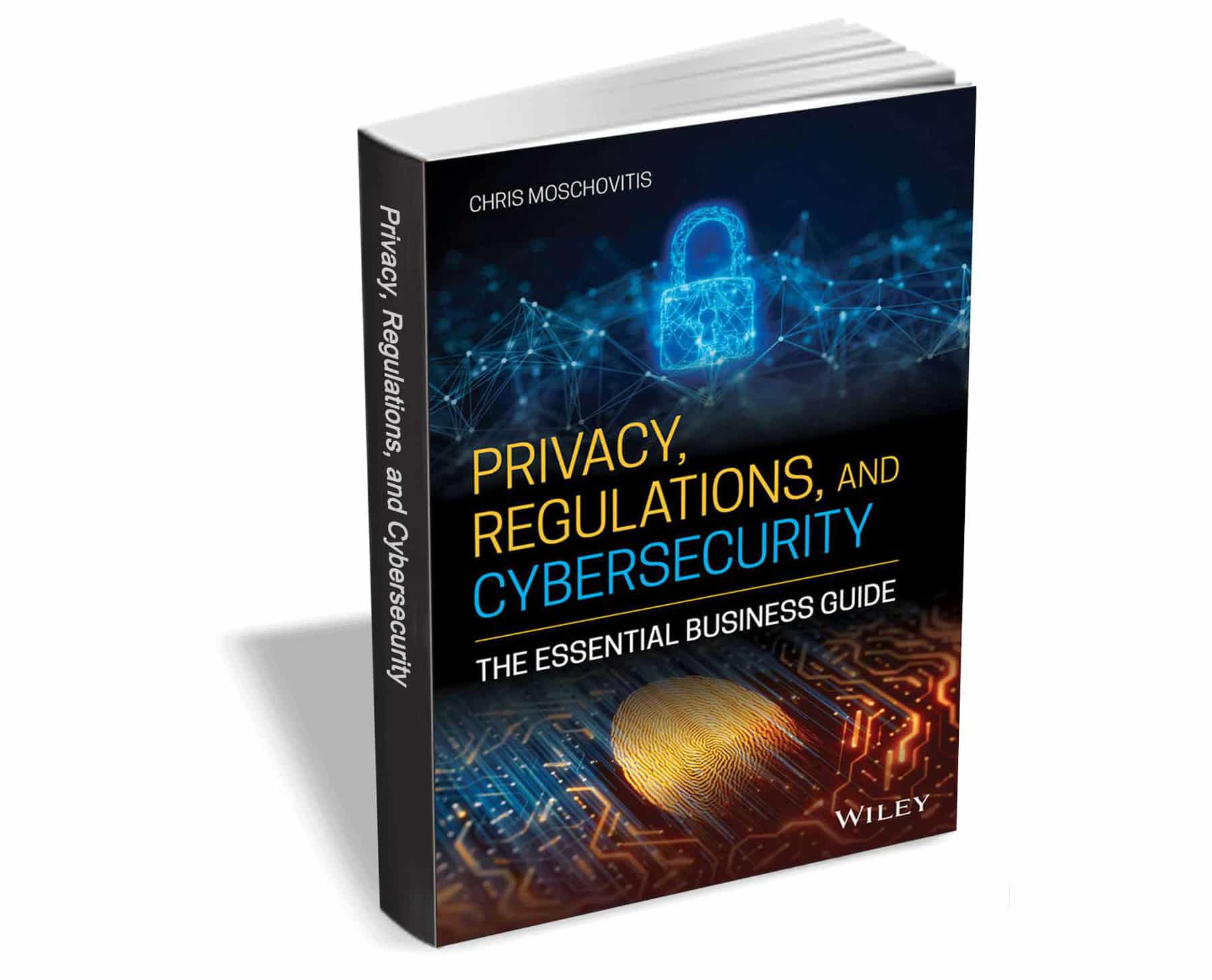
Get 'Privacy, Regulations, and Cybersecurity' ($27 value) FREE for a limited time
Privacy, Regulations, and Cybersecurity: The Essential Business Guide is your guide to understanding what "privacy" really means in a corporate environment: how privacy is different from cybersecurity, why privacy is essential for your business, and how to build privacy protections into your overall cybersecurity plan.
First, author Chris Moschovitis walks you through our evolving definitions of privacy, from the ancient world all the way to the General Law on Data Protection (GDPR). He then explains -- in friendly, accessible language -- how to orient your preexisting cybersecurity program toward privacy, and how to make sure your systems are compliant with current regulations.

The challenge of hiring cyber talent in the Great Resignation [Q&A]
Whether it's been triggered by the pandemic or other factors, the Great Resignation has led to new problems for businesses when it comes to finding and retaining staff.
This has been a particular problem in the tech sector where employees tend to be quite mobile anyway. We spoke to Amar Kanagaraj, founder and CEO of Protecto, to find out how businesses can meet the challenges of hiring tech talent.

F-Secure creates new corporate security brand
Cybersecurity company F-Secure is rebranding its corporate security business under the new name WithSecure and with a snazzy new logo, above.
Previously known as F-Secure Business, WithSecure will focus on corporate security products and solutions, while consumer security products and services remain available under the existing F-Secure name.

Ukraine conflict puts organizations’ cyber-resilience to the test
Russia’s invasion of Ukraine has provoked a massive rally of hackers to join both sides of the conflict and take up arms in the cyber-war. As has been the case in cyberattacks of recent years, the consequences of this will affect organizations way beyond the initial intended target. For example, in June 2017 French company Saint-Gobain was forced to halt its operations as a result of the NotPetya attack, a Russian cyberattack targeting Ukraine that resulted in over €80 million of losses in company revenue.
As a result of a sharp increase of cyber-attacks since the beginning of the conflict, from DDoS, new data wipers, phishing campaigns and malware, organizations worldwide should take immediate action to improve their cyber-resilience and limit the damages that any spillover could have on their business.

Don't panic! Knowledge, skill and judgment are key to cybersecurity responses
Humans are often the weak link in the cybersecurity chain, but it's human capabilities that are also key to dealing with attacks and their aftermath, according to a new report from Immersive Labs.
The inaugural Cyber Workforce Benchmark report analyzed cyber knowledge, skills and judgment from over half a million exercises and simulations run by more than 2,100 organizations over the last 18 months.

UK cybersecurity sector sees record revenue
Revenue generated by cybersecurity firms in the UK rose by 14 percent to £10.1 billion ($13.7 billion) last year according to the latest Annual Cyber Sector Report from the Department for Culture Media and Sport (DCMS).
The report, which tracks the growth and performance of the UK's cyber security industry, reveals the sector contributed around £5.3 billion to the UK economy in 2021, rising by a third on the previous year from £4 billion -- the largest increase since the report began in 2018.