
Vulnerabilities found in HP multi-function printers
Researchers at F-Secure have discovered vulnerabilities in more than 150 HP multifunction printer (MFP) products. These could allow attackers to seize control of vulnerable devices, steal information, and further infiltrate networks to inflict other types of damage.
HP has issued patches to address the vulnerabilities which include exposed physical access port vulnerabilities (CVE-2021-39237) and font parsing vulnerabilities (CVE-2021-39238).

Zoom boosts security with automatic updates for Windows and macOS -- but Linux users miss out
Many things have come as a result of the COVID-19 pandemic, and the increased usage of video messaging and video conferencing tools is one interesting phenomenon. At the start of coronavirus-related lockdowns and periods of working from home, Zoom rocketed in popularity -- but the service soon found its security practices under close scrutiny and in receipt of strong criticism.
In the intervening month, Zoom did a lot of work to improve not only its images, but also the security of its platform and safety of its users. Continuing this trend, the company has launched a new automatic update feature for the Windows and macOS versions of the Zoom client.

Telehealth takes off but security concerns persist
While 91 percent of medical organizations have already implemented telehealth capabilities, 52 percent of respondents have experienced cases where patients refused to use the services due to security concerns.
This is the key finding of a new research study by Kaspersky which also shows the pandemic has had a major effect with 44 percent of organizations implementing telehealth after COVID-19 hit.

0patch beats Microsoft to fix serious local privilege escalation vulnerability in Windows
Once again, micro-patching firm 0patch has beaten Microsoft to the punch, releasing an unofficial patch for a zero-day vulnerability in Windows.
This time around we're talking about CVE-2021-24084, a local privilege escalation (LPE) zero-day vulnerability in Windows' Mobile Device Management service. The flaw affects Windows 10 version 1809 and later, and Microsoft is yet to release an official patch of its own. Not wanting to leave systems at risk of attack, 0patch stepped in to help out users by offering up a free fix.
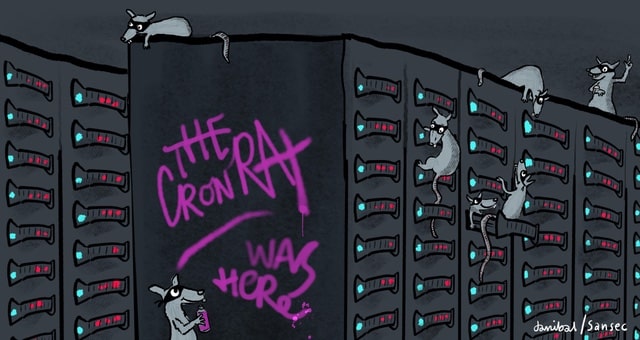
CronRAT is a new Linux malware set to strike on February 31st
Yes, you did read the headline correctly; security researchers have discovered a stealthy new remote access trojan (RAT) designed to attack Linux systems. Named CronRAT, the malware hides as a scheduled task and is configured to run on a non-existent date – February 31st.
Researchers from Sansec warn that CronRAT "enables server-side Magecart data theft which bypasses browser-based security solutions". This is something that is particularly concerning this Black Friday.

45 percent of Brits don't trust tech companies to safeguard their data
A survey of 2,000 UK adults, reveals that 45 percent don't trust big tech companies to safeguard their personal data.
The study from NexGen Cloud finds 66 percent concerned about how tech giants are able to collect and use their personal information. In addition only 24 percent of individuals believe big tech firms have their best interests at heart.
Phishing, ransomware and human error are seen as biggest security threats
New research from Python software house STX Next finds that that CTOs see human error, ransomware and phishing as the biggest security threats.
The study of 500 CTOs globally shows 59 percent still see human error as the main security threat to their business, alongside other prominent concerns such as ransomware (49 percent) and phishing (36 percent).

Zero-day vulnerability could give an attacker admin access in Windows 11 and older
A security researcher has revealed a serious vulnerability affecting Windows 10, Windows 11 and Windows Server. By exploiting the vulnerability, an attacker would be able to easily gain administrative privileges on a victim's system.
The discovery and revelation were made by Abdelhamid Naceri, during his research on a Microsoft patch for another vulnerability tracked as CVE-2021-41379. He was able to bypass the patch for the Windows Installer Elevation of Privilege Vulnerability and also discovered another serious zero-day for which he has shared a proof-of-concept exploit.

The machine identity crisis -- and what to do about it [Q&A]
Every single networked machine relies on an identity -- in the form of cryptographic keys or digital certificates -- so that it can identify itself and communicate with other machines securely.
In the wrong hands though machine identities can enable cybercriminals to appear trustworthy, slip past security defences undetected, gain access to networks, and exfiltrate data. Yet organizations still overlook the importance of protecting them.

New malware dispenses RAT droppings
A new javascript downloader named 'RATDispenser', distributing eight different Remote Access Trojans, keyloggers and information stealers has been uncovered by HP Wolf Security.
Most worrying is that RATDispenser is only detected by 11 percent of available anti-virus engines, meaning it's able to bypass detection tools and successfully deploy malware in the majority of cases.
Two-thirds of UK business leaders expect more cybersecurity threats
Around two thirds (66 percent) of UK business leaders expect the threat from cyber criminals to increase over the next 12 months, according to the latest PwC cybersecurity survey of business and technology executives.
In the past year ransomware has had a significant impact on organizations already dealing with the challenges posed by the Covid pandemic, and 61 percent of executives expect to see an increase in reportable ransomware incidents in 2022.

How businesses can improve their third-party security [Q&A]
In recent years many of the most high-profile cyberattacks have come through the supply chain, involving third-party suppliers and partners.
It's historically been difficult for businesses to assess third-party risks, often involving time consuming manual processes in order to do so.

Retailers at risk due to poor TLS/SSL management
Big retail businesses can have hundreds of TLS/SSL certificates identifying specific internet-connected devices, but many lack an organization-wide framework for managing them.
In the run up to the busiest shopping period of the year, new research from BitSight finds that 75 percent of the retail sector is at heightened risk of ransomware due to poor TLS/SSL configuration management.

Using AI to deal with ransomware attacks [Q&A]
Ransomware is a particularly heartless -- though undeniably lucrative -- endeavor. Criminals target schools, vital infrastructure, and even patient records in attempts to cash in. As a result, many security professionals put defensive ransomware strategies at the top of their to-do list.
Understandably, most of these strategies start with measures that minimize the footholds attackers can find. Checking inbound emails for ransomware payloads, giving users training on safe internet usage, and monitoring the network for suspicious activity are essential elements of an effective anti-ransomware strategy.

Mid-sized businesses are 490 percent more likely to be breached
Mid-sized organizations are as much as 490 percent or more likely to experience a security breach by the end of 2021 as they were in 2019.
A report from security platform Coro shows that mid-size companies are largely unprotected due to the fact that they lack resources, expensive products and expertise needed to protect against increasing attacks.