
NVIDIA overtakes Apple as AI boom propels company value over $3 trillion
With its market value rocketing to $3.1 trillion, NVIDIA has become the second most valuable company in the world. A five percent rise in share prices pushed the chipmaker ahead of Apple, and now there is only Microsoft which is worth more than NVIDIA.
The soaring value of the firm is due in no small part to its heavy involvement and investment in AI. Having started life in the 1990s as a minor player in the graphic chip market, NVIDIA has ridden the artificial intelligence tidal wave.

Google could delete your Google Maps Timeline data in the name of privacy, so take action now
For nostalgia heads, the Timeline feature of Google Maps is an enjoyable way to peek into the past. Previously known as Location History, Timeline works much like Facebook Memories, helping jog your memory about trips you've taken and places you've visited.
But there are big changes afoot. Google is moving away from storing location data in the cloud to storing it on mobile devices instead. While this is a privacy-boosting move, Google says that the change means that users could find their Timeline data is deleted unless they take action.
Microsoft officially deprecates NTLM and promotes Kerberos authentication
Several months after announcing its intention to do so, Microsoft has official deprecated the NTLM (NT LAN Manager) authentication protocol in Windows and Windows Server.
NTLM is now a very old protocol which has been superseded by the more secure and feature-rich Kerberos. It will still be possible to use NTLM until the next release of Windows and Windows Server, but Microsoft is keen for users to take action now.
Windows 10 may be in its death throes, but Microsoft has reopened beta testing
In something of an odd twist, Microsoft has announced that there will soon be a new beta version of Windows 10. Yes, Windows 10, not Windows 11.
There is a little over a year until Microsoft brings Windows 10 to end of service, meaning it will receive no more updates of any description. Despite this looming deadline, the reopening of the Windows 10 beta channel means that the first beta build of the operating system in three years is just weeks away. So what is going on?

Ex-Twitter X goes XXX with relaxation of adult content rules
Adult content is now explicitly permitted on X. The platform formerly known as Twitter has updated its rules and policies to permit users to post "consensually produced and distributed material depicting adult nudity or sexual behavior that is pornographic or intended to cause sexual arousal". AI-generated content is also covered by the policy.
Users are free to post content such as "full or partial nudity, including close-ups of genitals, buttocks, or breast" as well as depictions of sexual acts. The only proviso (aside from material having been consensually produced and distributed) is that any posts containing such material needs to be labelled with a warning. There are a handful of exceptions, however.
Spotify users in the US hit with yet another price increase
For the second time in a year, Spotify has announced a hike in prices for US customers. The increase in subscription fees are significant in their own right (rising by up to 17 percent), but the fact that the company has already increased prices in the last year makes this latest announcement sting.
The new pricing structure also comes on the back of Spotify's recent announcement of record profits, increased revenue and a jump in subscriber numbers. The higher pricing applies to new subscribers with immediate effect, and will be implemented for existing users in July.
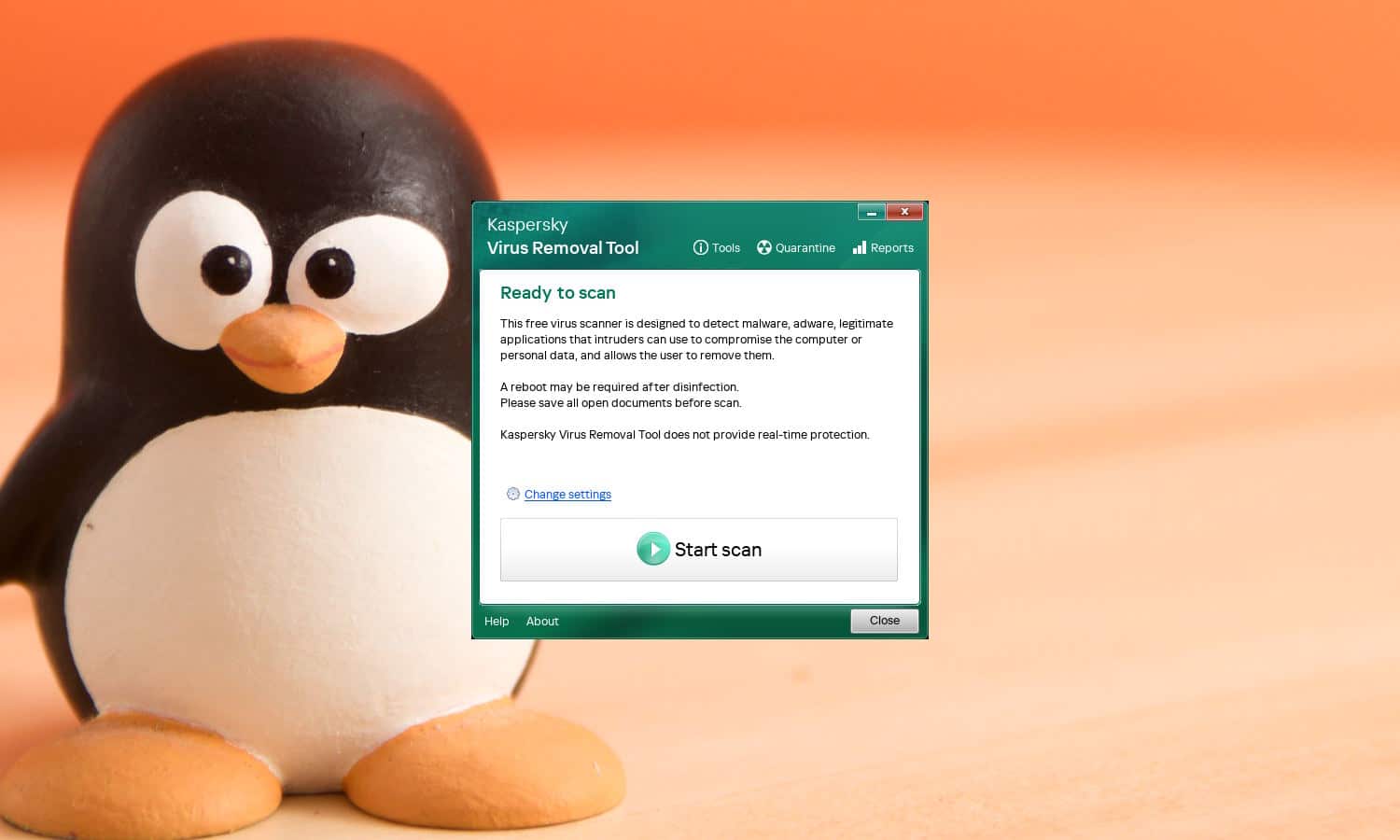
Kaspersky releases a free virus removal tool for Linux-based systems, KVRT
An urban myth used to suggest that Linux was immune to viruses and malware, and is totally secure. This is, of course, nonsense, even if the comparatively low usage makes Linux-based system less likely to be attacked than Windows or macOS.
Highlighting the fact that there is no such thing as a completely secure operating system, Kaspersky has released a new malware scanner for Linux systems. Kaspersky Virus Removal Tool (KVRT) for Linux is a free tool that, although it fails to offer real-time protection, can be used to scan for and remove various forms of malware... albeit with a slight caveat.
Microsoft warns that KB5037853 update can break the taskbar in Windows 11
After the release of the KB5037853 update for Windows 11 a few days ago, Microsoft has acknowledged that it can cause glitching in the taskbar. What this means in practice is that the task bar can disappear or become unresponsive.
The company's "fix" for the problem is to use a Known Issue Rollback (KIR) to recall the update, and while this will be performed automatically for most people, some will have to take manual action.
Microsoft releases the surprisingly feature-packed KB5037853 update for Windows 11
It is the time of the month when Microsoft releases previews versions of the following month's updates for Windows, and this week this means the KB5037853 update is available for Windows 11.
As this is a preview, it does not include security fixes and is optional. But the KB5037853 update for Windows 11 is significant because it adds a large number of features to the operating system. In addition to updating sharing options, it also fixes bugs and starts the rollout of the new account manager on the Start menu.
Microsoft releases Windows 11 IoT Enterprise LTSC 2024 with lower system requirements and optional TPM
The hardware requirements for Windows 11 have been controversial from day one, and the release of Windows 11 IoT Enterprise LTSC 2024 sees Microsoft easing up on things slightly.
The latest version of the Long-Term Servicing Channel edition of Windows 11 is notable for various reasons, not least of which is the lowering of system requirements. Interestingly, the includes making both Secure Boot and TPM optional; the minimum system requirements also indicate that the operating system can be installed on devices with as little as 2GB of RAM.

Microsoft is cleaving vestiges of the past from Windows 11 24H2
A new version of Windows, or a new update, means fixes, changes and new additions. But it can also be a time to say goodbye to features, apps and settings that are no longer needed.
With the widespread release of Windows 11 24H2 now imminent, users should prepare themselves to bid adieu to some components of the operating system that have been around for years.

Spotify is discontinuing Car Thing, purposely bricking devices and telling users to throw them away
Spotify's venture into the world of hardware with Car Thing has proved an unmitigated failure. Having ended production of the device just a few short months after launch, the product is set to be completely discontinued before the end of the year.
But the discontinuation of Car Thing means more than just the end of support and updates -- much more. Spotify says that the devices will be rendered non-functional, and the advice to users is to reset and recycle them.

Unlike Netflix, Disney et al, Google thinks password sharing is a good idea
Streaming video services have clamped down on password sharing and have -- as Netflix has shown -- reaped the financial benefits. But while many companies are keen to stamp out the practice of sharing passwords, Google is actively embracing it.
A policy change that was talked about back in February is now rolling out, bringing a new password sharing option to Google Password Manager. The feature makes it possible to share a password in a secure way, without having to write it down.
Microsoft is ready to pull the plug on VBScript, making it optional in Windows 11 24H2
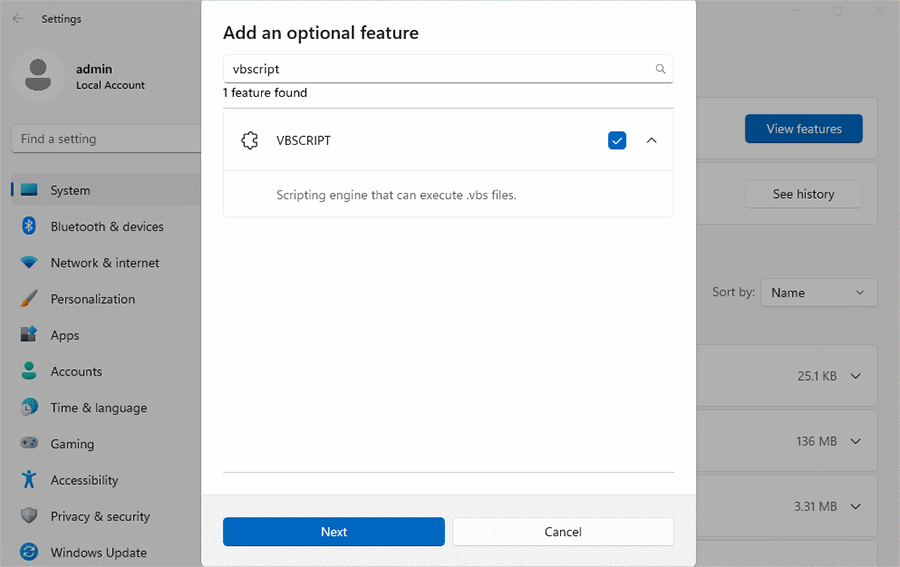
After decades of service, Microsoft is deprecating VBScript -- or Visual Basic Scripting Edition. The deprecation process will first see VBScript being changed into an optional, on-demand feature with the release of Windows 11 24H2, although it will be enabled by default.
The timeline continues into 2027 when VBScript will remain a FOD (feature on demand), but will be disabled by default. Ultimately, Microsoft will carve the feature from Windows completely, and the company has published advice about the implications.
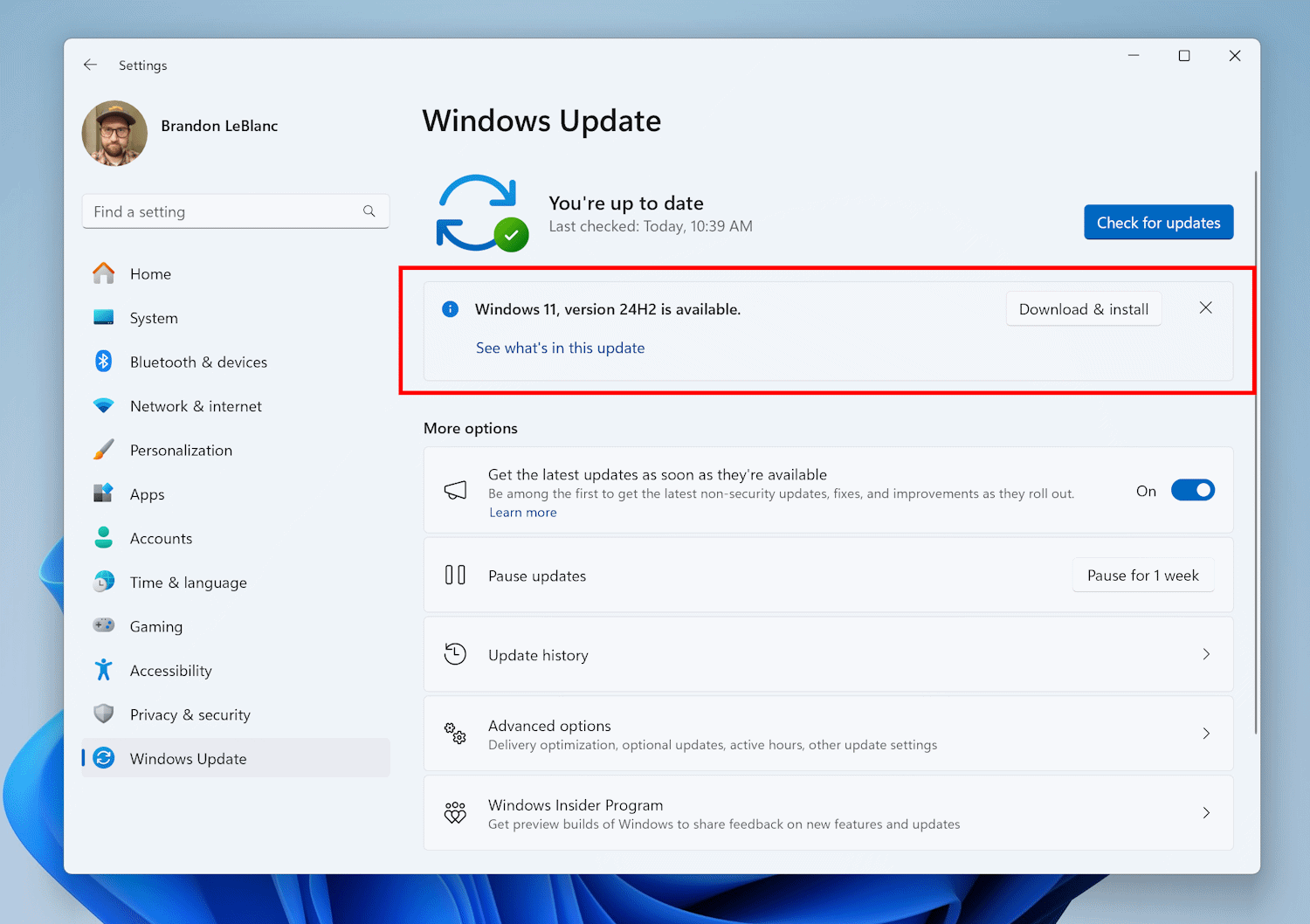
Microsoft starts the rollout of Windows 11 24H2 -- install it now!
The next major update to Windows 11 has started to make its way to users. Microsoft has commenced the rollout of Windows 11 24H2 to Windows Insiders signed up to the Release Preview channel.
Making the update available in this way is a clear indication that Windows 11 24H2 is near-as-damn-it complete. Let's take a look at all of the exciting new additions and changes, as well as revealing how to get hold of the update now.