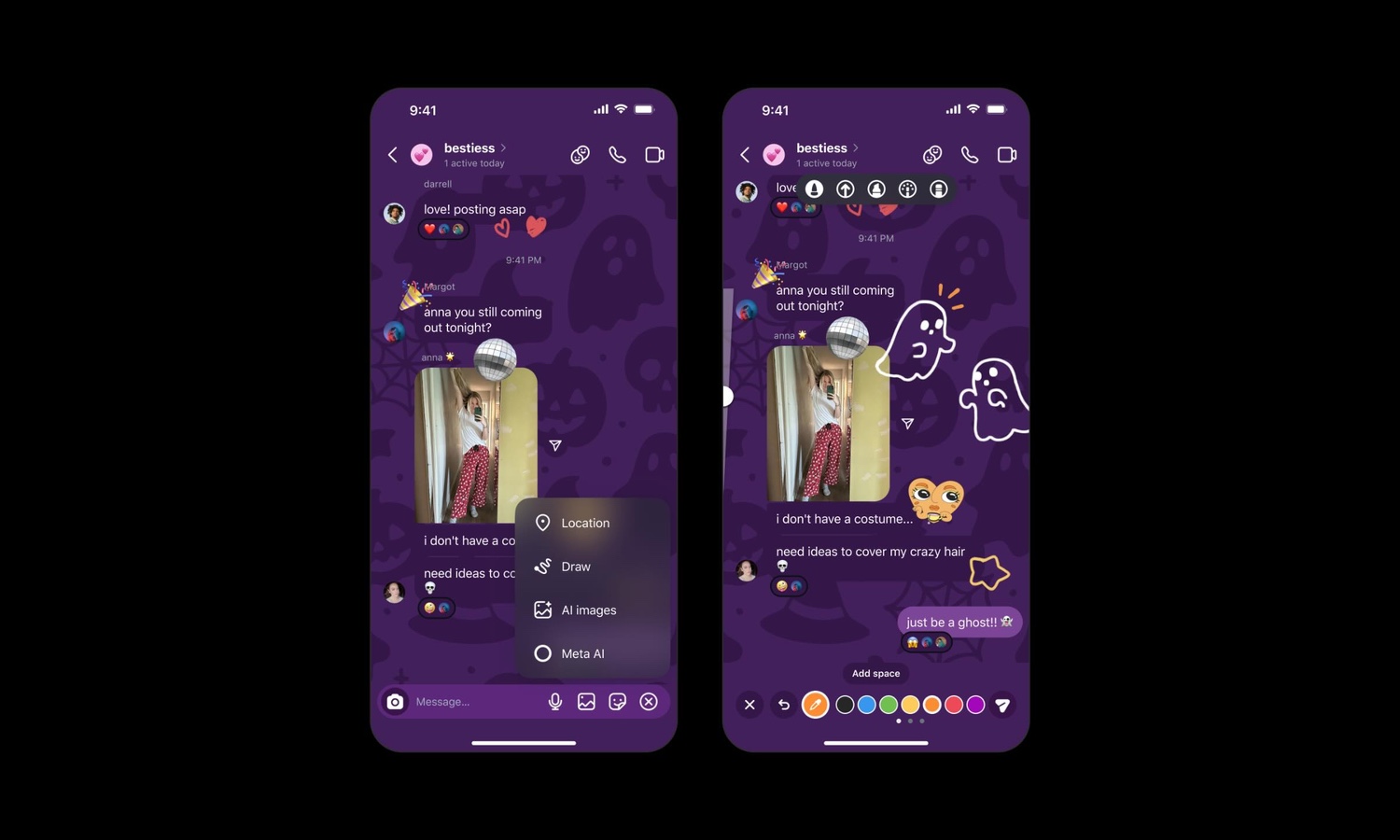
Instagram rolls out drawing and sticker options for DMs
Having someone sliding into your DMs on Instagram could be about to look a little different. The social media platform is rolling out the ability to adorn direct messages with stickers as well as freehand drawing.
As this has been in testing for a reasonable amount of time already, these options may already be familiar to subsets of Instagram users – but now they are rolling out to everyone. If you are yet to experience these new messaging tools, they may not be quite what you expect them to be.
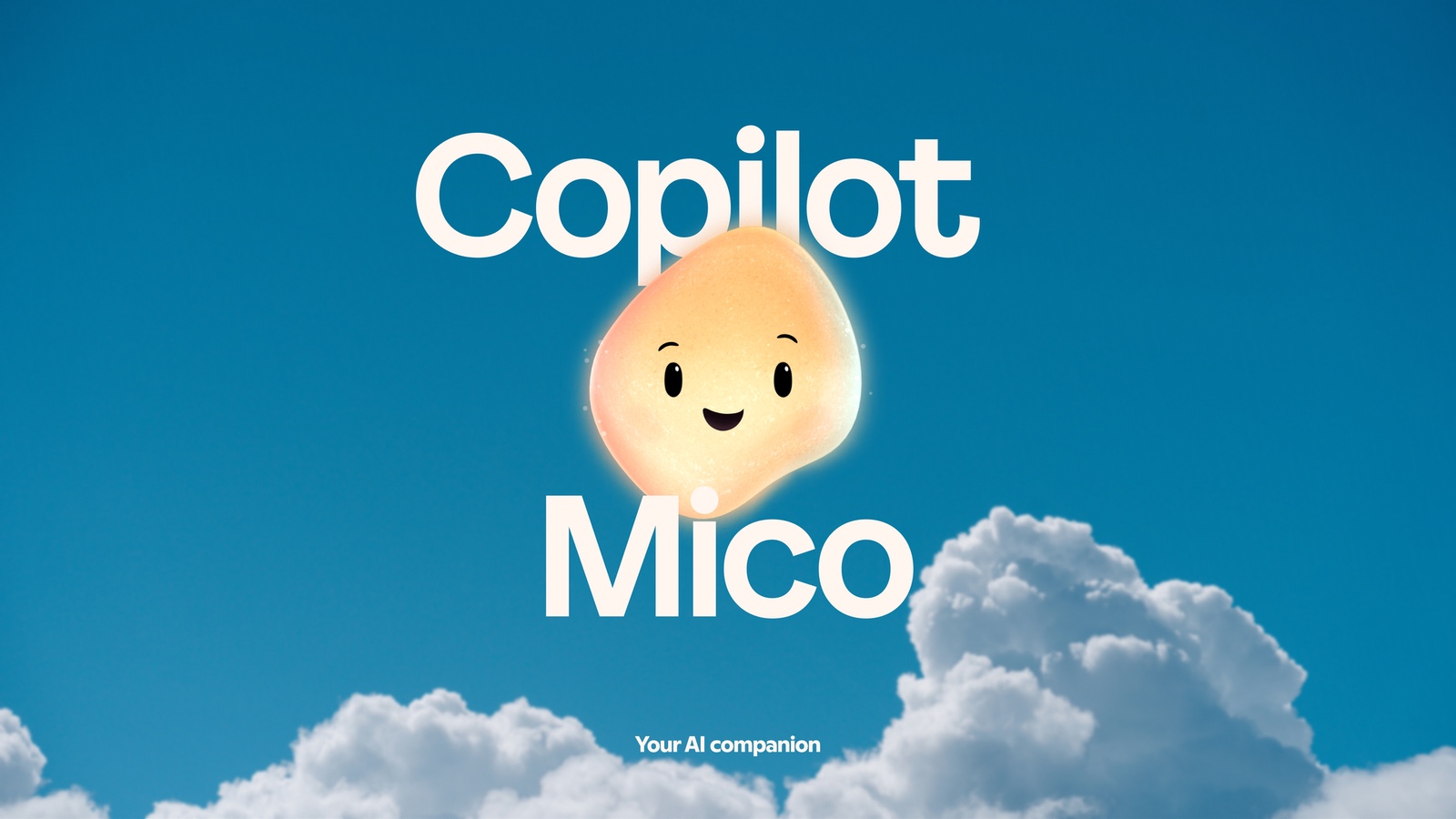
Microsoft reincarnates Clippy for the AI age with Copilot Mico
You may have tried to forget Clippy, but Microsoft is still hanging doggedly on to the idea of character-based assistants. Having thrown everything at its AI assistant Copilot, the company is now giving it a friendly face – Mico.
As part of what it refers to as the Copilot Fall Release, Microsoft is trying to soften its artificial intelligence powered digital assistant and, by extension, people’s attitudes to it. This is the company moving towards making AI more personal, useful, and human-centered, and there is a lot of attention given to relationship.

Microsoft celebrates 11 years of the Windows Insider Program with new wallpapers
Microsoft is a big fan of marking milestones and anniversaries by releasing wallpaper. Now the company is doing just that to celebrate the eleventh anniversary of the Windows Insider Program.
The program was designed with a dual purpose. Firstly it gives Microsoft a way to mass test changes to its operating system, and secondly it gives eager users the chance to test out and shape the future orf Windows.

YouTube can now limit how long you spend watching Shorts
There are countless ways to waste time online, and scrolling your way through a never-ending selection of Shorts on YouTube is one of them. If you are someone who has found you have lost hours to the content served up by the platform, there is some good news.
A new digital well-being tool is starting to roll out that lets users set a time limit for the daily viewing of YouTube Shorts. While far from perfect, it may prove helpful for anyone who tends to lose track of time.
Microsoft says Windows update may have caused login problems
Microsoft has made another admission that its updates for Windows may have caused problems for some people. The company says that updates released for Windows 11, version 24H2, Windows 11, version 25H2, and Windows Server 2025 in August and September could have resulted in login issues for some.
There are two offending update – namely the August 29, 2025—KB5064081 (OS Build 26100.5074) Preview and September 9, 2025—KB5065426 (OS Build 26100.6584) – which Microsoft says could lead to Kerberos and New Technology LAN Manager (NTLM) authentication failures.
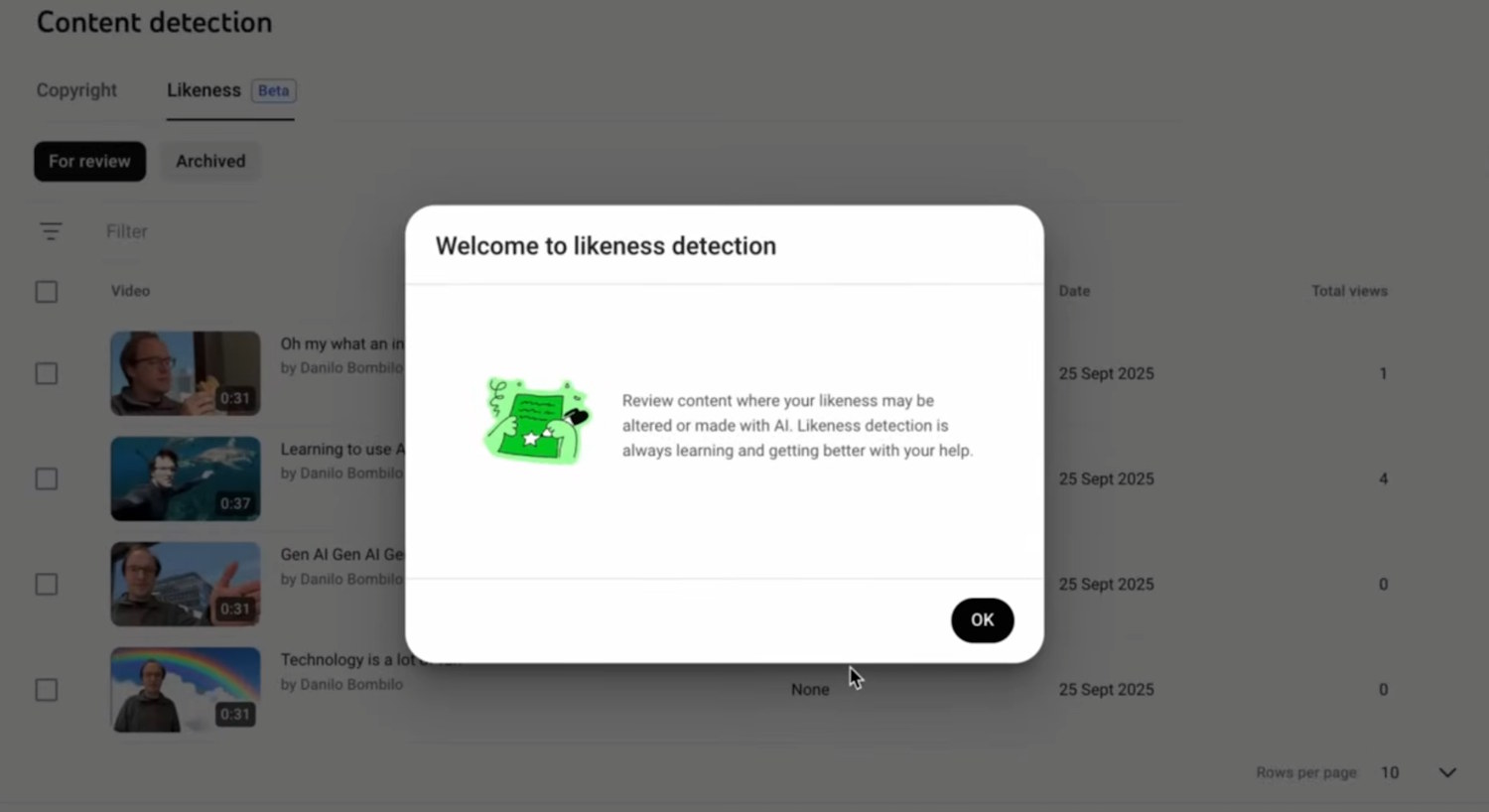
YouTube is fighting deepfakes with new Likeness Detection tool
In an age of fragmented news, deepfakes present a real problem. YouTube is taking action to stop AI-generated videos being used to impersonate people.
The company has revealed details of its new Likeness Detection tool. For now, YouTube is targeting creators, giving them access to the tool – not only because creators are among those likely to be deepfaked, but also because the company will be hoping to be able to use their influence to hype up Likeness Detection.
Meta rolls out warnings to help protect older WhatsApp and Messenger users from scams
Online scams are nothing new, but there are now more channels through which they can be run. Among them are social platforms like WhatsApp and Messenger, and it is sad fact that older users are more likely to fall victim
This is precisely why Meta is rolling out a new system of warnings that appear in its messaging apps. The aim is to make users think twice about who they connect to and who they share information with as part of Cybersecurity Awareness Month.
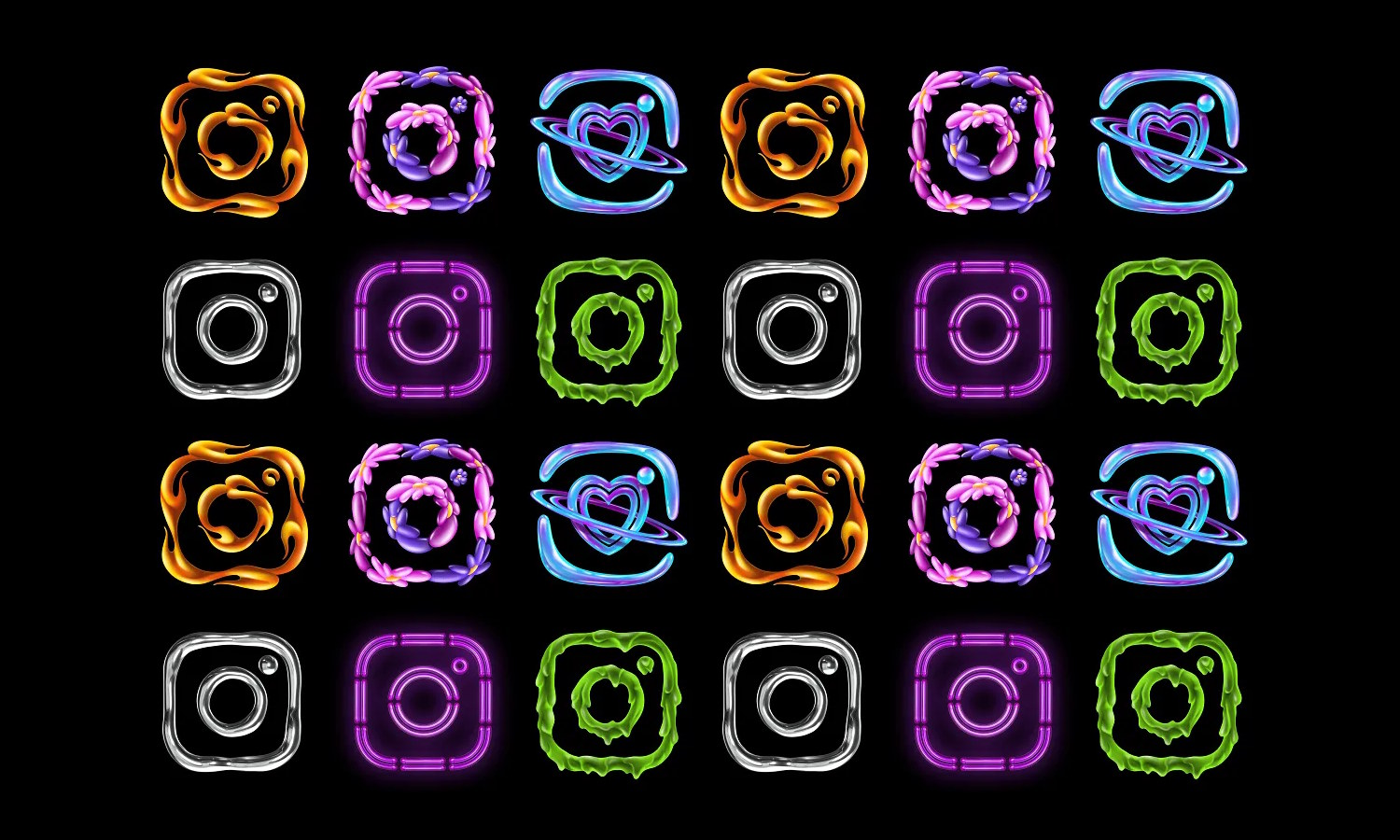
Instagram lets teenage users choose a different app icon
Most of the talk about teenagers using social media centers around keeping them safe or restricting what they are able to do. In many regards Instagram is no different, but now younger users are being given something extra.
Instagram’s design team has proudly announced the users with Teen accounts will be able to choose between a number of “aesthetics” for the app. Not available to anyone with a non-Teen account, the new option allows teenagers to select a different icons for the app, designed by Carlos Oliveras Colom.
Microsoft releases emergency update for Windows 11 after breaking the Windows Recovery Environment
Microsoft has released an out-of-band update for Windows 11 to address a problem caused b y the October security updates published for the operating system earlier this month.
Users who installed the KB5066835 update found that they were not able to use their USB mouse or keyboard within the Windows Recovery Environment (WinRE). This made it impossible for some to navigate the recovery options, forcing Microsoft to investigate what was going on.
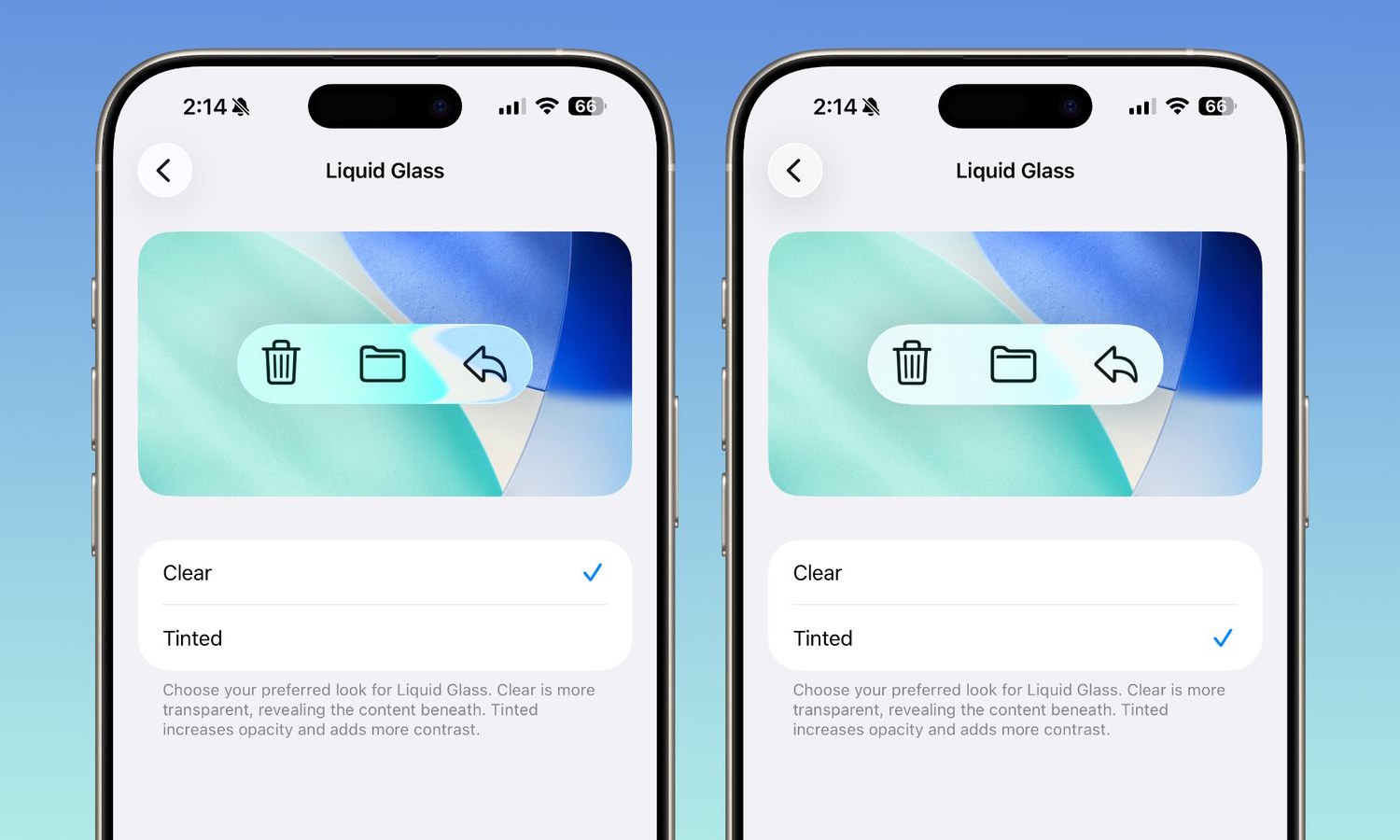
Apple decides to let users control Liquid Glass transparency
Any major visual change to software is likely to result in a mixed reaction – this is certainly true of the Liquid Glass transparency effect Apple introduced into its desktop and mobile operating system recently.
Apple is a company that prides itself on producing designs that balance beauty with utility, so it was probably surprised when users complained about Liquid Glass. Not willing to give in entirely and allow users to switch the effect off completely, Apple has relented a little, introducing controls to change the intensity of the look.
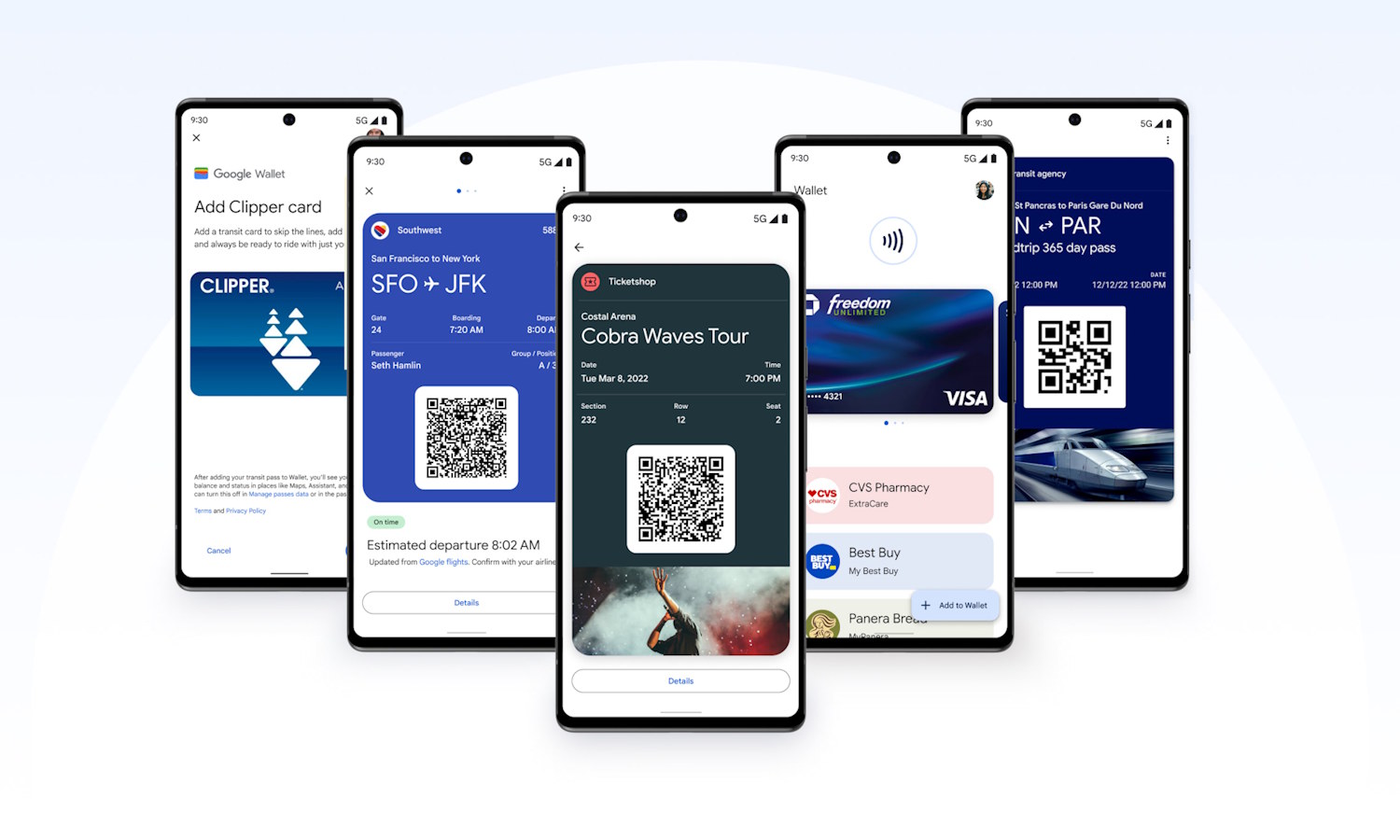
Google Wallet is getting a Live Updates feature for your tickets
Once you have embraced Google Wallet, it is hard to imagine living without it to help manage payment cards, tickets, loyalty cards and more. Thanks to a feature of Android 16, Google Wallet is gaining a handy Live Updates feature.
The addition comes as part of Google Wallet taking on the Material 3 Expressive redesign which also affects the likes of Google Maps. So just what can you expect from this change?
Amazon Web Services outage takes down Duolingo, Snapchat, Roblox and other major sites
Serious issues with Amazon Web Services (AWS) have rendered a number of big-name apps and services inaccessible. The likes of Fortnite, Roblox, Duolingo, Ring and many more have been suffering as a result of the problems.
The issues first came to light thanks to spikes in reports to Downdetector, but Amazon Web Services has also acknowledged a series of errors. The problems affect multiple AWS services, and the severity of disruption is high.
WhatsApp is working on a new way to cut down on spam
Like email, SMS, and just about every other method of communication, WhatsApp suffers from spam. There are certainly things that can be done by users to stem the flow of spam that makes its way to their inboxes, but WhatsApp is also trying to help.
The platform has already introduced a system designed to automatically detect and block spam, but it is not perfect; no system is. And so, WhatsApp is trying another approach that will apply to businesses and individuals alike.
Google is retiring Privacy Sandbox
Privacy Sandbox was Google’s vision for replacing third-party cookies, but now the company is giving up and moving on from the idea. First launched six years ago, Privacy Sandbox suffered with low-adoption, and Google has gradually snuffed out various technologies relating to the system. Now it has taken things further.
Google says that “after evaluating ecosystem feedback about their expected value and in light of their low levels of adoption”, it has taken the decision to retire more Privacy Sandbox technologies. But this does not really paint a true picture of what is happening.
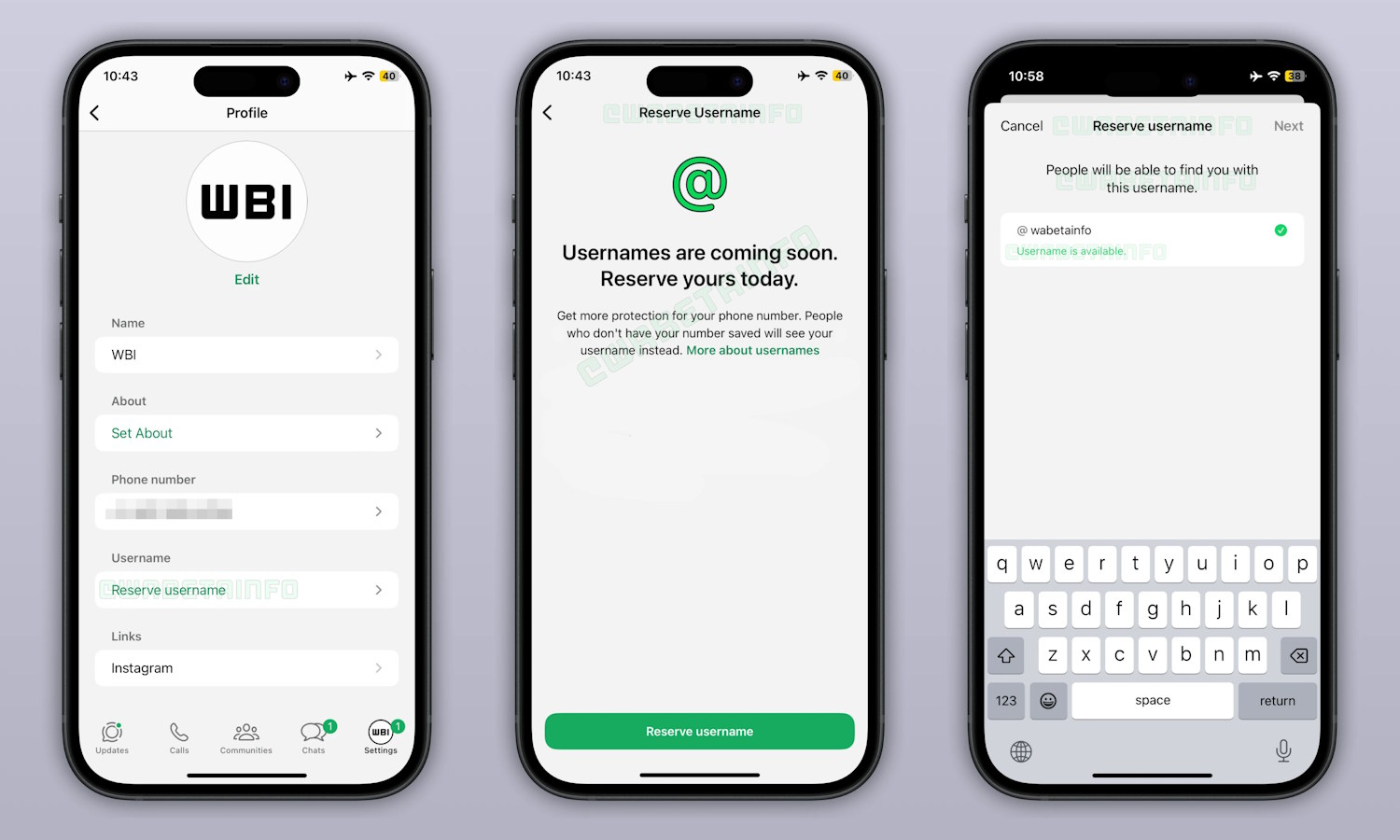
Get ready to reserve your WhatsApp username
It has been known for a little while that Meta has been working on a username system for WhatsApp. The popular messaging app is slightly unusual in not offering people a way to choose a username, but this is going to change at some point in the future.
Recent beta builds of the iOS and Android apps show that work is gathering paced, and the most recent development is a username reservation system. This will serve as a way for users to try to pre-select their preferred username even before the username system rolls out to everyone.