
Adobe releases Photoshop Express 2.0 for iOS with extra-cost Camera Pack
Anyone with an iPhone 3GS, iPhone 4, third or fourth generation iPod touch or an iPad can take advantage of the new features of Adobe Photoshop Express 2.0 for iOS. In addition to full multitasking and retina display support, the updated version of the app also features a refined camera workflow and the option to make an in-app purchase of the Adobe Camera Pack. Version 2.0 released to Apple's App Store today.
While Photoshop Express 2.0 is free, the in-app Camera Pack purchase costs $3.99 and includes a number of interesting enhancements and features. One of the problems with idevice cameras is that they can have a tendency to produce images that are plagued by noise. The new Reduce Noise feature of Adobe Photoshop Express 2.0 can be used to quickly smooth out such problems, helping to create far more impressive photos.

What are your alternatives now that Google is abandoning Gears?
Once again, Google has announced the end of development for its Gears browser plug-in -- most recently in a blog post yesterday. Aaron Boodman reiterates: "We [are] shifting our focus from Gears to HTML5." Timing isn't good for users of the most-popular web browsers. Google won't support gears in Internet Explorer 9, which released two days ago and Firefox 4, which is set to ship next week. However, Google has confirmed the feature will remain present in its own browser, Chrome, up until version 12. Chrome 10 shipped last week.
Gears is a technology that allows compatible websites and services, including Google's own Google Docs and Google Mail, to be accessed offline before resynchronising when an Internet connection is reestablished. It enables users to store offline and backup copies of email, documents stored in the cloud and more.

Firefox 4 queues up for March 22 release
Less than a week after releasing Firefox 4 Release Candidate, Mozilla is preparing to certify the build as golden. A decision will come today. If the RC passes, and there are no show-stopping bugs uncovered later, Mozilla plans to officially release on March 22nd, according to a forum post by Damon Sicore.
"Firefox 4 RC1 has received a very warm welcome; it's time to make a decision to ship," Mozilla's Sicore writes. "As of now, there are no known issues that would stop us from shipping RC1 as final. At the conclusion of our regular 11:30 a.m. triage session on Wednesday, March 16th, release drivers will decide whether to ship RC1 as Firefox 4."

Google Crisis Response adds Japanese convo mode to Translate for Android
Responding to the continuing disasters in Japan, Google on Tuesday published a new version of Google Translate for Android that supports Conversation Mode to translate Japanese into 50 different languages in a quick, live fashion.
Google Translate for Android was first launched in January, showing an impressive early version of live, speech-to-speech translation between English and Spanish.

Roxio Toast 11 Titanium: Burn once, burn everywhere
When it comes to disc burning tools, you could be forgiven for believing that there is little more to think about than simply copying files from your hard drive to a CD, DVD or Blu-Ray disc. While this may be the case when creating the most basic of backups, Roxio Toast goes to show that there is so much more that can be achieved with the humble recordable disc. The program is a suite of tools all related to the task of burning data onto recordable discs, and includes a number of individual components that can be used to create audio discs, video discs, slideshows, data backups and much more.
With basic disc burning and the option of working with image files built directly into Mac OS X, any third party disc burning tool has to have plenty to offer in order to justify the cost. From the offset, Roxio Toast does not disappoint; a huge set of features means that the application has great scope, and a neatly redesigned interface ensures that any project you are working on can be carried out entirely intuitively, and clearer labelling means that there is little chance of confusion when looking at various buttons and screen elements. The interface overhaul is not a major change from previous versions of the suite, but the minor changes that have been made make all the difference to usability.

Communication with disaster-stricken Japan now free across the board
Since Friday's devastating earthquake, coastal Japan has been battered by tsunamis and aftershocks which have caused billions of dollars in damage to the country's infrastructure, and have triggered a series of explosions at the Fukushima Daiichi nuclear power plant.
The International Atomic Energy Agency today said it is launching a series of missions to assist the Japanese government in monitoring the radiation from Fukushima Daiichi and the potential danger that could spread from the explosions that took place there.

AVG LiveKive joins crowded online backup market
AVG has launched a beta of its brand new online backup service. LiveKive will offer cloud-based backup, synchronising and file-sharing for its users, and the beta version launches with a one-size-fits-all free storage plan of 5GB for a year. No paid-for packages are currently available while LiveKive remains in beta.
Once signed up through the AVG landing page, users can then download the backup client, currently codenamed AVG AirSpace. This is a rebadged version of the same client used by rival online backup provider, SpiderOak.

Twitter enables "always on" secure connections
With security of our social networks an ever growing concern, being able to connect to these sites securely has become increasingly important to some networks. Twitter is the latest to offer this feature, introducing an "always on" HTTPS connection within the site's settings.
Previously users would access the SSL connection by surfing to the URL directly from the web browser. By checking the "Always use HTTPS" box in settings, Twitter would always connect in this manner.

Microsoft accounted for one-third of retail software sales in 2010
Yeah, but what about 2011, with the app store craze?
NPD released new US data early today suggesting retail software isn't going away soon. As measured in dollars, Microsoft accounted for one-third of US retail software sales last year. Office 2010 led the company's sales. As previously reported, Student and Home Edition accounts for about 85 percent of Office sales. Office pushed the productivity suite category to a four-year sales high.

NPD: Netflix holds commanding lead in legal movie streams
In a validation of its strategy to make its content available on as many platforms as possible, research firm NPD Group has found that 61 percent of all legal movie downloads and streams originate from Netflix. That is over seven times its nearest competitor Comcast, with only eight percent of the market.
"VOD and other digital options are now beginning to make inroads with consumers," NPD entertainment analyst Russ Crupnick said. "Overwhelmingly digital movie buyers do not believe physical discs are out of fashion, but their digital transactions were motivated by the immediate access and ease of acquisition provided by streaming and downloading digital video files."

Risk-averse enterprises get Google relief: They can delay and schedule Apps upgrades
If there is one truism about IT organizations -- they're risk averse. Some are so against making changes they even take unnecessary risks to avoid others, like continuing to use Internet Explorer 6 even as Microsoft pushes hard to get businesses on a more modern, and safer, browser. Today, Google extended a concession to IT organizations by offering a second track for Google Apps that lets IT organizations delay and take seemingly more control over upgrades. The program smacks against one of cloud computing's benefits: Seamless and seemingly maintenance-free upgrades.
Google Apps' administrators can now choose "Rapid Release" or "Scheduled Release" options. The first track assures that users have the most up-to-date software. The second allows administrators to delay updates, which will be released to them on Tuesdays. Google provides a calendar of planned upgrades, seven days in advance of new features' release.
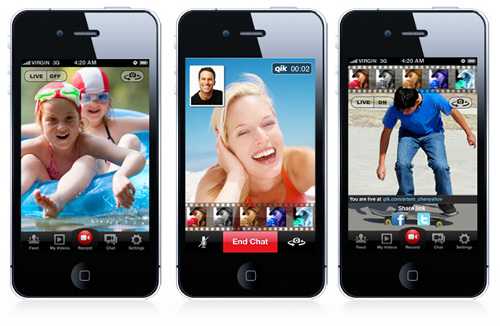
Qik one-ups FaceTime with Video Connect for iPhone, iPad 2
At the South by Southwest Interactive festival in Austin Texas today, Qik, the streaming video service acquired by Skype in January debuted its latest iOS application, called Video Connect.
Unlike other Qik apps released for the iPhone, Video Connect isn't just a video chat client, but a portable video communications suite that includes on the fly editing, live streaming video effects, video mail, as well as instant social sharing and automatic desktop synchronization.

Would you believe what people are writing about Zune's death?
Microsoft has tagged the Zune music player end of life, although the software will live on. Perhaps the kindest way to think of it is transformation: From caterpillar to butterfly. Zune will be freer now to roam among many devices. But many people posting blogs or news stories about the music player's demise are using it as opportunity to kick the corpse: Some Zune epitaphs are even nastier than I expected. For example, the Apple 2.0 blog turned Zune into a verb to describe future failed tablets.
While the first report originated with Bloomberg, many of the blogs cited Business Insider as the source. Betanews took the time to ask Microsoft about Zune plans. My colleague Tim Conneally emailed Microsoft's outside PR agency for comment; I called and left voicemail. We chose to post an originally sourced story, while also crediting Bloomberg. I posted late last night.
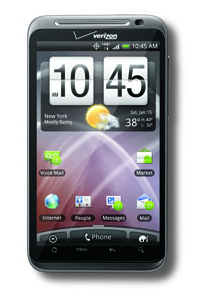
Verizon Wireless' first LTE phone, HTC Thunderbolt strikes March 17
Tuesday morning, Verizon Wireless and HTC announced Thunderbolt, their first smartphone supporting the LTE 4G protocol, will be available this Thursday, March 17 for $249.99 with a new two-year contract.
Thunderbolt is powered by a 1GHz Qualcomm Snapdragon processor and Android 2.2. It has a 4.3" WVGA screen, an 8 Megapixel rear-facing camera, and 1.3 Megapixel forward-facing chat camera, 8GB of onboard storage and support for microSD cards up to 32 GB.
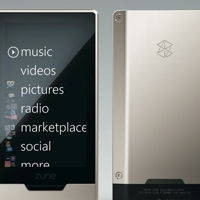
iPod didn't kill Zune, Microsoft did
Earlier today, Bloomberg reported that Microsoft has unofficially killed the Zune music player. The company isn't officially saying yes or no, but based on a statement there's little doubt. I've read enough non-denials to know a tacit confirmation.
"We're absolutely committed to providing the best movies, music and TV show experiences through Zune on Xbox, the PC, Windows Phone 7 and Zune devices," according to a statement provided by Microsoft's outside PR agency responsible for Zune. "We'll share more information about the evolution of the Zune entertainment service and Zune hardware as future plans develop."