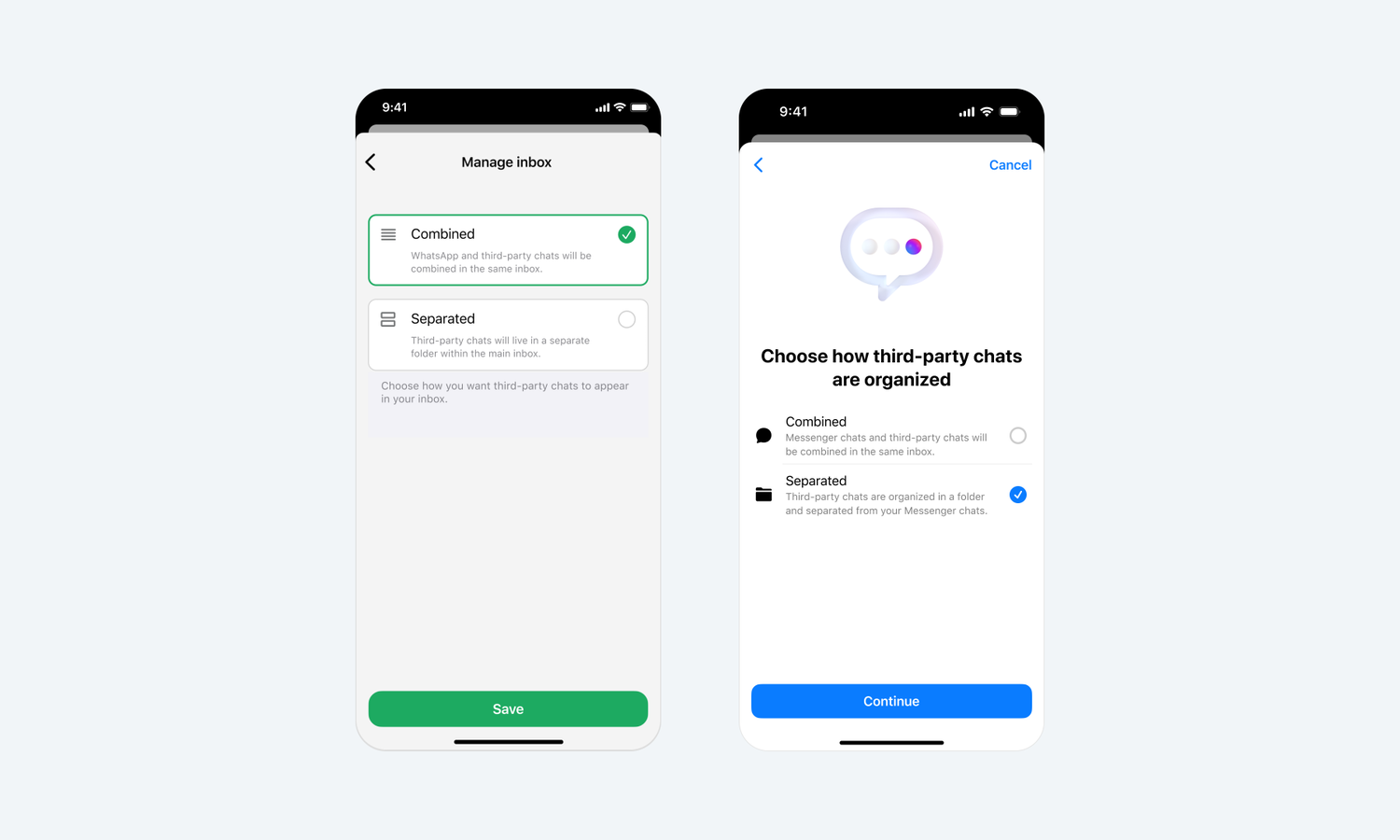
Meta reveals more details of WhatsApp and Messenger's interoperability with third-party messaging services that's coming to Europe soon
There are many frustrations to complain about in relation to messaging apps, but one of the biggest has to be the fact that the vast majority of platforms do not talk to each other. Facebook Messenger can only be used to talk to other Facebook Messenger users, WhatsApp can only be used to communicate with other WhatsApp users, and so on. But this is about to change.
At least it will change for people in Europe. In response to the Digital Markets Act (DMA), Meta is working towards making it possible for WhatsApp and Messenger users to enjoy cross-platform interoperability by enabling third-party chats. This has been in the pipeline for a while, but the changes are now imminent and more details of how it will all work have been revealed.

Meta announces Threads is weaving deeper into the fediverse
The fallout from Elon Musk taking over at X continues as former Twitter-users flock to any of a growing list of alternatives on the fediverse. As well as options like Mastodon there is also Threads which comes from the same stables as Facebook -- Meta.
Much to the chagrin of Twitter exiles who flocked to Socialhome, Mastodon, Pixelfed et el, Threads has been gradually beavering its way into the fediverse. Now Meta has taken its next steps in this direction by making it possible for Threads users to see likes and replies from other networks.
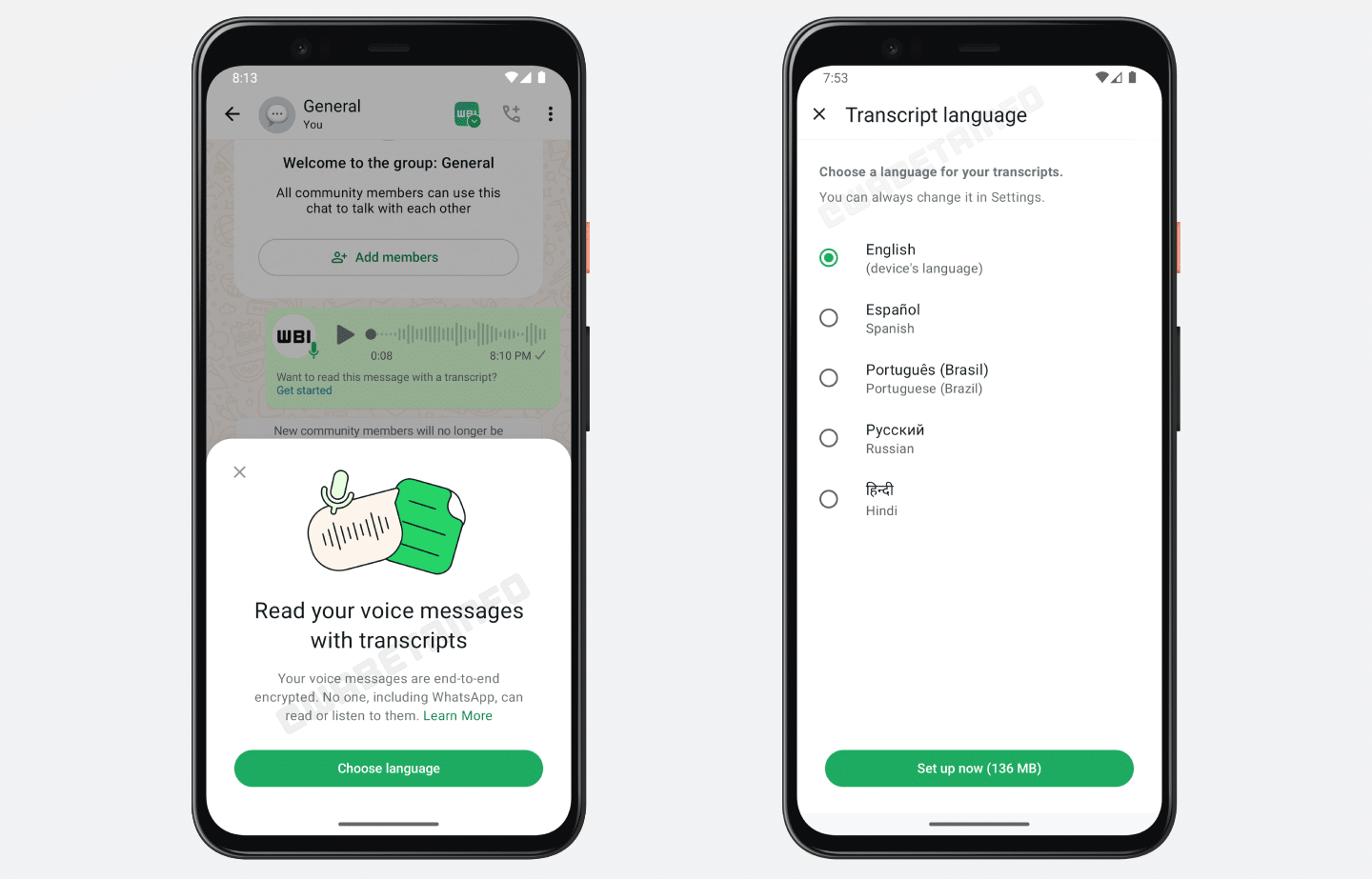
WhatsApp is gaining a handy transcription option for voice messages
How many times have you received a voice message on WhatsApp that you have not been in a position to listen to? Maybe you're in a quiet location where listening to a message would be inappropriate or, conversely, in a loud place that makes it impossible to heart a message. Thanks to a new feature that is rolling out, this will no longer be an issue.
Beta testers for the Android version of WhatsApp are beginning to see a new voice message transcription option. The feature works with both incoming and outgoing messages, and it serves several functions. As well as making it possible to learn the contents of a message you are not able to listen to immediately, it is also extremely useful from an accessibility point of view.
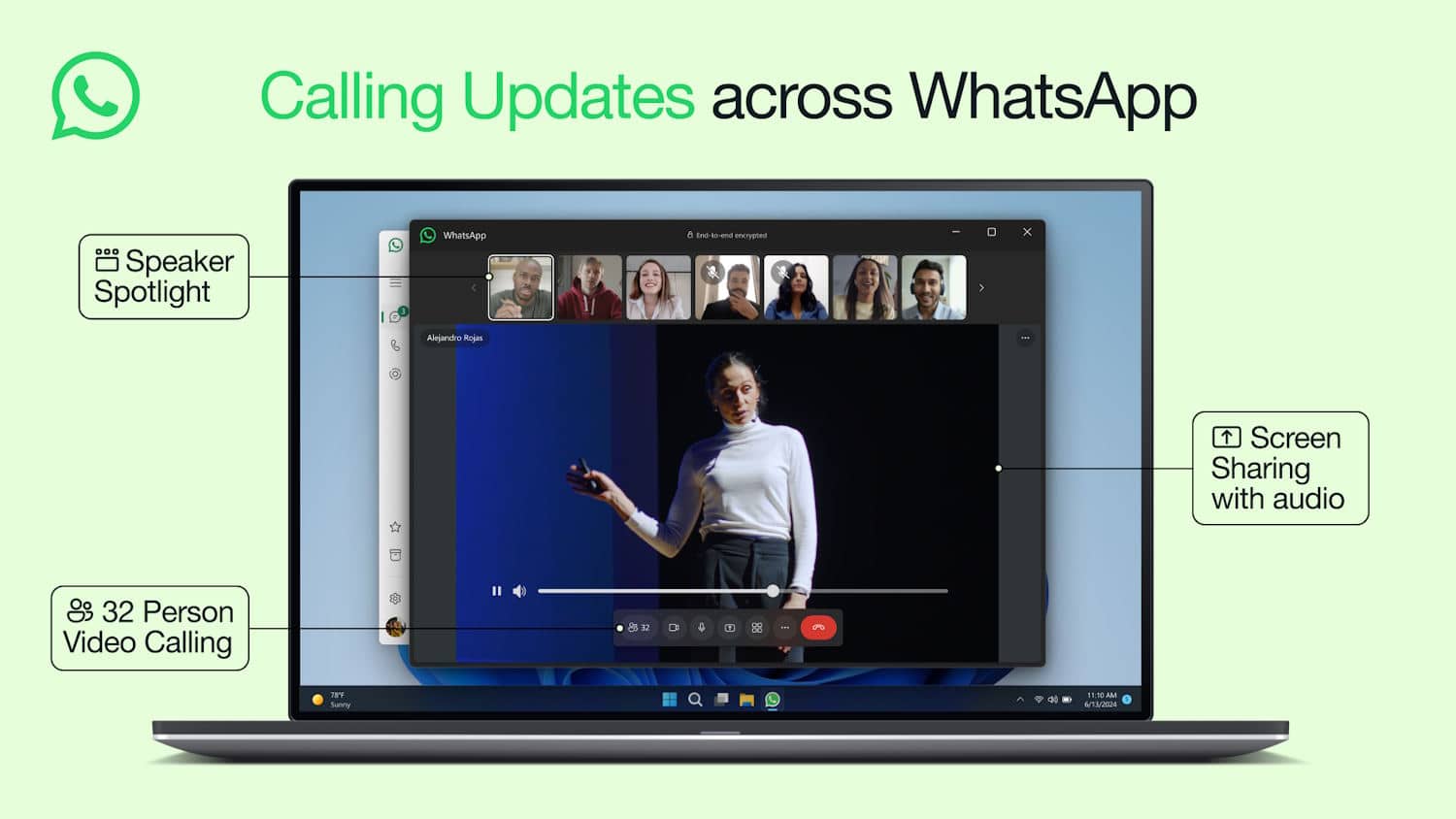
WhatsApp announces huge improvements to calling across all platforms
Whether you use WhatsApp on the desktop, or on your mobile device, there are a raft of changes and improvements coming to enhance the call experience.
Rolling out over the next few weeks, the changes include support for video calls with up to 32 people across all devices. There is also the arrival of sharing audio when screen sharing, and a switch to the new, more efficient codec means that you can expect higher call quality even when connectivity is poor.

Meta adds HD photo support, 100MB files and collaborative shared photo albums to Messenger
Meta has announced a quartet of new features for Messenger all aimed at improving the file sharing experience. Kicking things off is the ability to send high-definition photos to ensure that quality is retained.
This is a change that will please many users, but the other additions are arguably more interesting. There is not only support for the sending of significantly larger files than has been possible thus far, but also a new shared album feature that enables chat participants to collaborate on a photo album. There is also the new option to add people to your Messenger contacts using QR codes.

Meta adds a new label to show whether third-party WhatsApp chats are secure
New rules in Europe means that WhatsApp will have to offer interoperability with other messaging apps and platforms. This is something that Meta has already been talking about, having published its preference for third parties to use the Signal Protocol as the foundation for these E2EE communications.
Use of the Signal Protocol will not be a requirement for interoperability, but whatever protocol is used by a third-party messaging app or platform, it will need to show they offer "the same security guarantees as Signal". To communicate security to users, WhatsApp is introducing a new "end-to-end encrypted" label that will be added to secure chats.
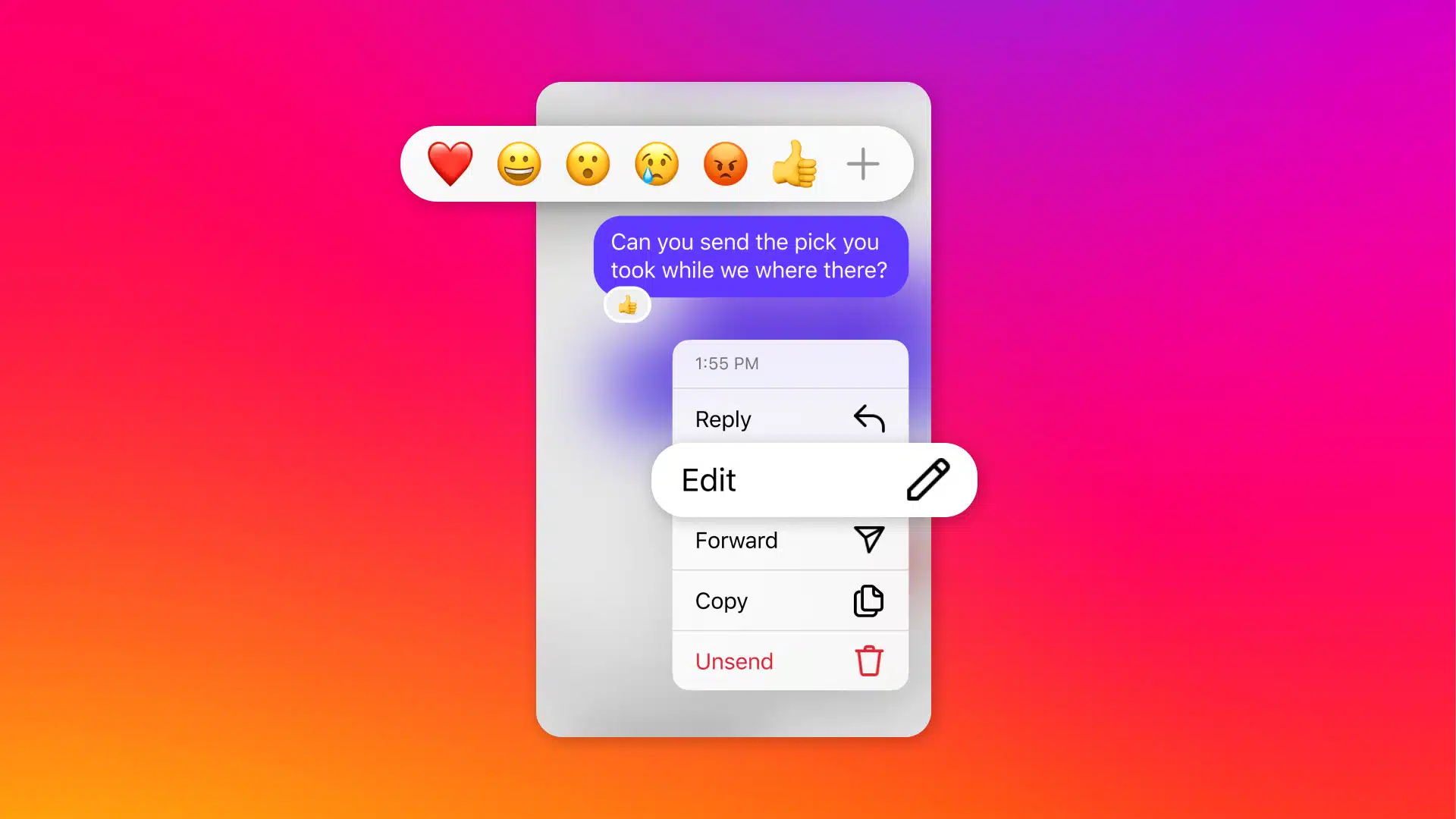
Now you can edit Instagram DMs, pin messages and more
Meta has announced a series of updates to Instagram, all of which are likely to be welcomed by users. Perhaps the most significant change is the option to edit the DMs you've sent, but there are other notable new features -- including disabling read receipts.
The latest round of Instagram updates also sees the introduction of a message pinning option that makes it easier to access keys one-on-one or group chats. On top of all this, reply options have been upgraded, new themes have been added, and more.

Meta is deprecating Facebook News in the US and Australia, as it has done in Europe
Meta has announced that it is killing off the Facebook News tab in the United States as well as Australia. The company says that the decision has been taken because it believes "that people don’t come to Facebook for news and political content".
The Facebook News tab is set to be removed in April, and Meta says that it will be focusing "time and resources on things people tell us they want to see more of on the platform, including short form video". The dedicated tab for news has already been deprecated in France, Germany and the UK.
WhatsApp finally adds much-needed text formatting options
Catching up with just about every other messaging app currently available, WhatsApp has finally expanded the range of text formatting options it offers.
Before you get too excited, though, temper your expectations -- you're not being given access to word processor-like options. Joining the existing bold, italic, strikethrough and monospace options are new code, quote and list options complete with a new batch of text-based shortcuts.

Facebook stalwart Sheryl Sandberg to leave Meta's board of directors but will continue to serve as an adviser
Meta's former COO, Sheryl Sandberg, is stepping down from the company's board of directors later in the year. She has played a major role at the firm since joining Facebook when it was merely a startup, having previously spent time at Google.
Widely respected and seen as one of the most influential women in the world of technology, Sandberg served as Facebook's and Meta's COO for over 14 years and has agreed to remain a board member to help with the transition when she leaves the position. In a message posted to her Facebook page she says that "this feels like the right time to step away".

Threads is about to gain millions more users as Meta prepares for EU launch in a matter of days
Concern surrounding Elon Musk and his control of Twitter, or X as he decided to rename it, caused an exodus of users seeking a new social media home. The likes of Mastodon and Bluesky have proved popular, but it was Meta's Threads that generated the greatest levels of excitement.
Right from the offset, however, Threads fell victim to strict European data privacy regulations meaning it was unable to launch in the EU. Now this is set to change, with Meta counting down to an EU launch of Threads on December 14 giving the potential for millions of new user to access the service.

Imagine: Meta makes its AI image generator available as a standalone tool
Meta has separated Imagine, its AI-powered image generation tool, from its chatbot by giving the service its own dedicated website. In breaking the image generator out of its messaging apps, Meta will be hoping to see faster uptake and increased interest.
The idea behind Imagine is much like the plethora of other AI image generators. Using Meta's own Emu technology, it will create four images based on text prompts and descriptions provided by users. Images are securely watermarked to make it difficult to pass off an AI image as a photo or a human-made creation. But the launch of the service will prove controversial as it will forced interested users into creating a Meta account.
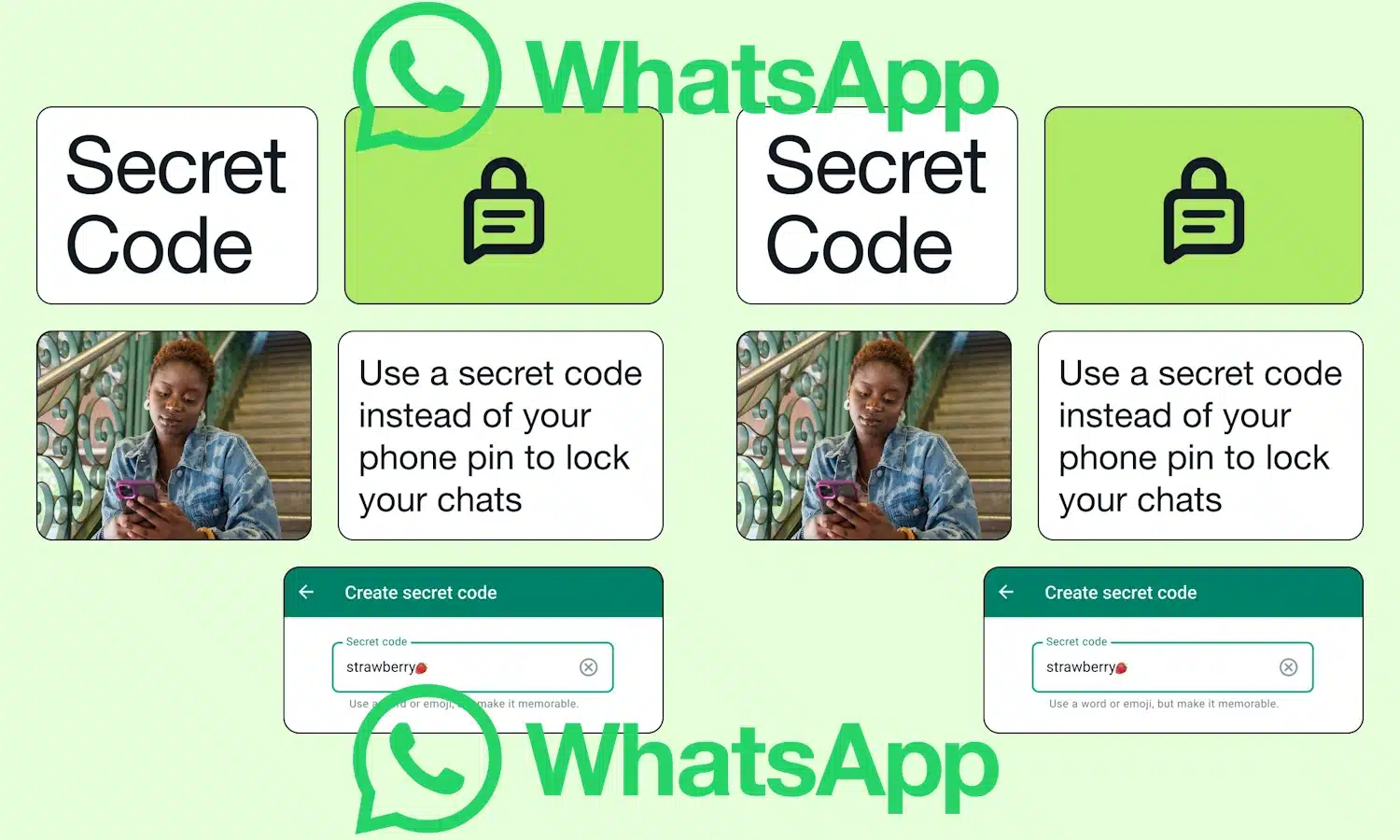
Hide and password-protect your private conversations with Secret Code for Chat Lock in WhatsApp
WhatsApp has launched a new way to help protect your sensitive conversations, extending the capabilities of Chat Lock which rolled out earlier in the year.
The newly added feature makes it possible to both password-protect and hide those chats you don't want anyone else to see. These hidden conversations can only be accessed by those who know of their existence and who have the necessary code to make them visible.
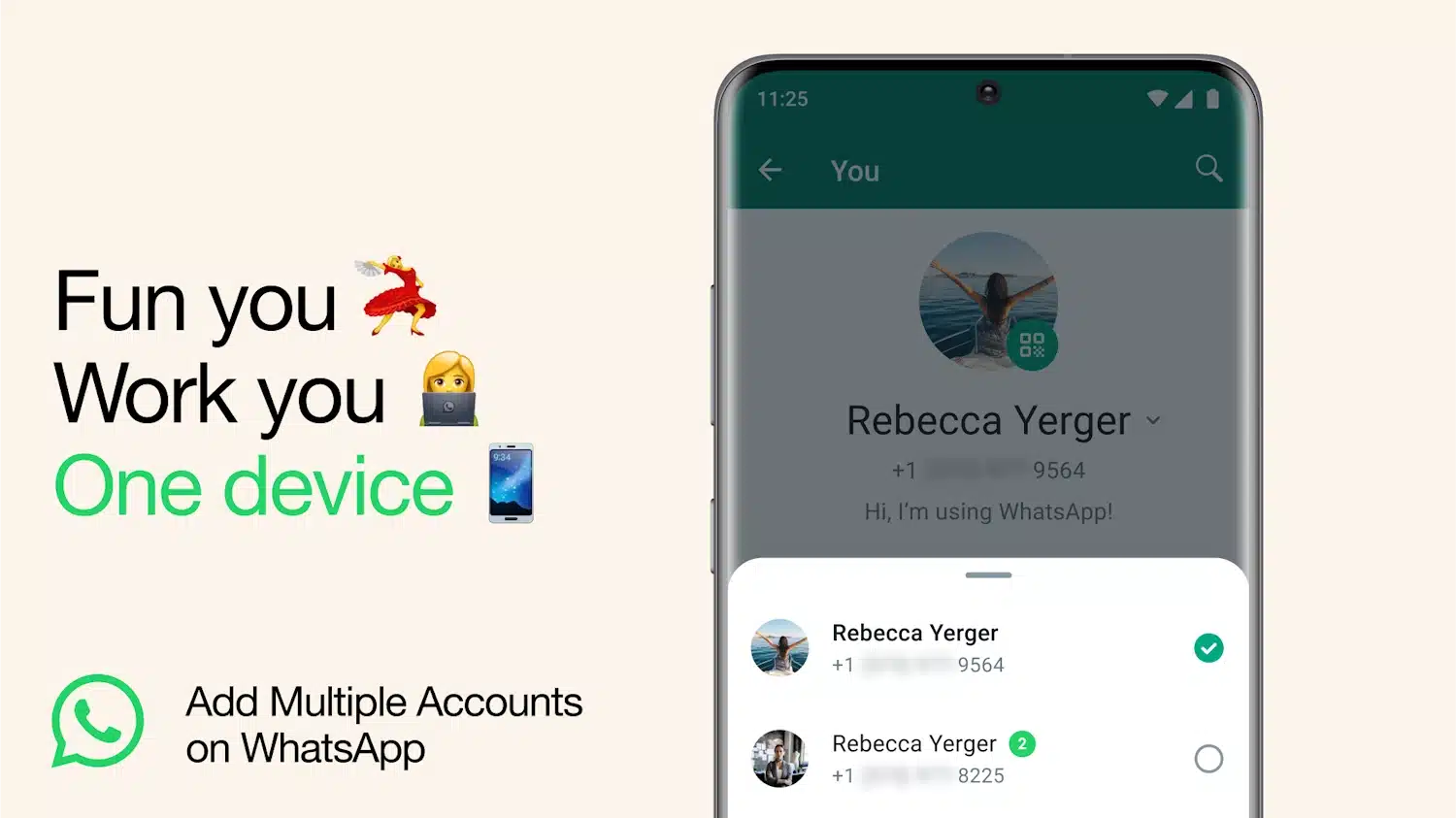
WhatsApp will let you sign into two accounts at once... but there's a catch
Life is about to get a little easier for WhatsApp users with more than one account. Many people have a work phone and a personal device, each associated with a different WhatsApp account. There are also plenty of users with two phone numbers for other reasons.
Simplifying living with more than one account, WhatsApp is introducing the ability to log into two accounts simultaneously. This eliminates the need to keep logging in and out, or having to carry two phones around to stay connected. So what's the catch?
WhatsApp adds passkey support to boost security
The Meta-owned messaging app WhatsApp has joined the growing legions of apps and services to support passkeys.
Initially available to Android users, the passwordless authentication feature makes it possible to secure a WhatsApp account with face recognition, a fingerprint or a PIN. It is a security feature that is billed as not only offering greater protection than passwords, but also being faster to use.