
EFF files in the Federal Appeals Court against tracking phone activity
We've heard endless talk about our phones being tracked by the government and law enforcement, all done without a warrant. In other words, it's a massive gathering of data "just in case it's needed". That's a very broad swath, and likely most of it is never used for any reason, though there may be scans for certain keywords -- bomb, would be a good example.
The rules for this data gathering have been challenged in court and the Electronic Frontier Foundation (EFF) is at the forefront of this battle.

Oracle reveals Google's revenue from Android
There’s been a new twist in the litigation between Oracle and Google over copyright infringement, after Oracle claimed Google breached copyright by inappropriate use of Java in Android.
A lawyer representing Oracle has now made the astonishing revelation, in court, that Google revenue from Android, since 2008, is $31 billion. This staggering figure relates to $22 in profit derived from Google’s two Android revenue streams, advertising on mobile Android platforms and the revenue it receives from sales on Google’s Android app store.
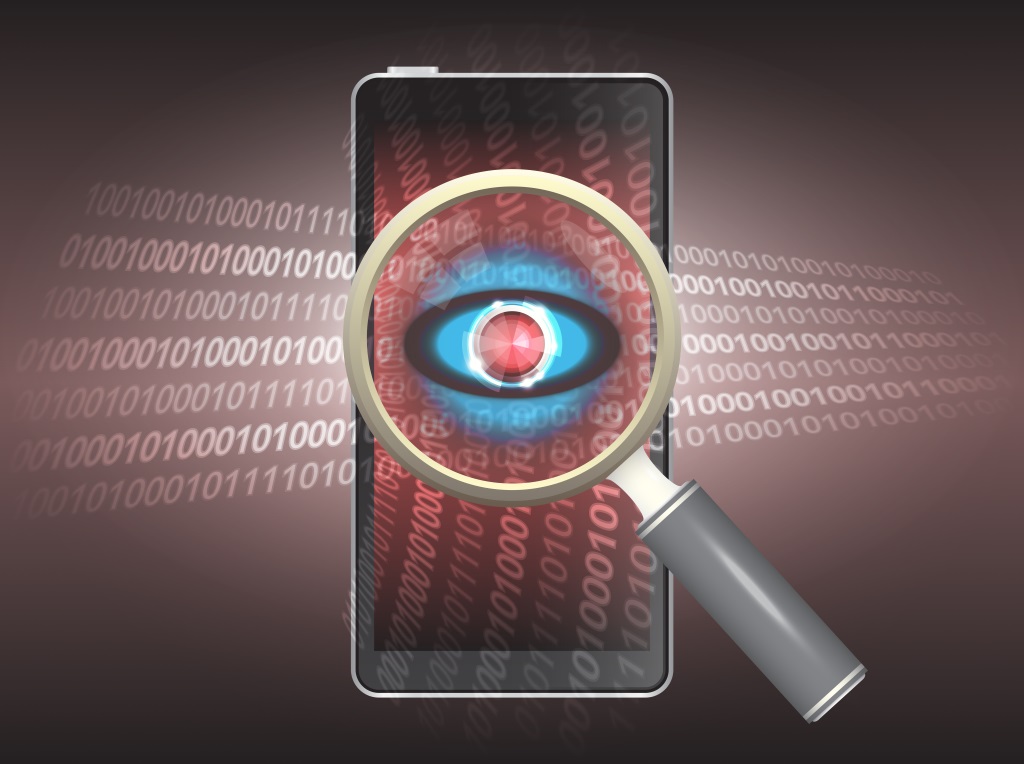
New York is trying to force backdoors into phones with legislation
Cryptography has become popular in the post-Edward Snowden era. Everyone seems to be worried about being spied upon and is looking for ways to avoid it. While the majority of users likely have nothing to hide, it's still a creepy feeling to know that someone can, and possibly is, checking what you say and do.
There has been a lot of talk about adding backdoors, mostly from those who want to spy and those who simply don't understand the technology. The latest of this is currently taking place in New York.
BT's merger with EE gains official clearance -- and industry objections
The Competition and Markets Authority (CMA) has given BT the go-ahead for a takeover of EE. The merger of the largest mobile provider in the UK with the country's largest landline provider creates a giant that rivals are concerned about.
The newly conceived communications behemoth has fingers in not only mobile and landline pies, but also TV and broadband. While the CMA's decision is not a surprise, rivals such as Vodafone, TalkTalk and Sky have voiced their disapproval, saying that the merger will have a negative impact on competition.

Security trends to watch in 2016
2015 was a year for the record books in information and cyber security. Dozens of new vulnerabilities were uncovered, and government organizations, businesses and individuals continued to find themselves victims of high-profile data breaches.
As we settle into the new year, we don’t expect this trend to slow down. We foresee more security issues on the horizon that must be addressed in order to ensure privacy for companies and consumers in the year ahead. Here are our predictions on what’s coming in 2016:

Intel Security and AirWatch team up to boost mobile protection
Intel Security has expanded its partnership with VMWare’s enterprise mobility subsidiary AirWatch, placing a greater emphasis on mobile security initiatives.
The two companies aim to help organizations cope with the numerous security issues posed by mobile devices, as well as integrating enterprise protection across PCs, operating systems, networks and the cloud.
Intel unveils 8 new Broadwell and Skylake processors
US chip maker Intel has recently announced eight new processors, as it expands its Broadwell and Skylake families. The chips will be available for both desktop and mobile CPUs, the company added.
The new processors announced today include the Celeron 3855U, Celeron 3955U, Core i3-6098P, Core i5-6402P, Core i5-5200DU, Core i5-6198DU, Core i5-5500DU, and the Core i7-6498DU. Out of these, the two new desktop CPUs are the Core i3-6098P and the Core i5-6402P. Like previous processors with a "P" prefix, it is likely that these processors do not come with an integrated GPU. They have been priced at $117 (£79) and $182 (£122), respectively.

Electronics can be dangerous -- man falls to his death while staring at device
Electronics have become a major distraction in modern society and there's no shortage of stories about accidents caused by cell phones and many people have a story of, at the very least, a near miss. We've likely all been there with distracted drivers.
No question modern devices can be hazardous to one's health and worse, the health of others who have loved ones at home waiting for them.
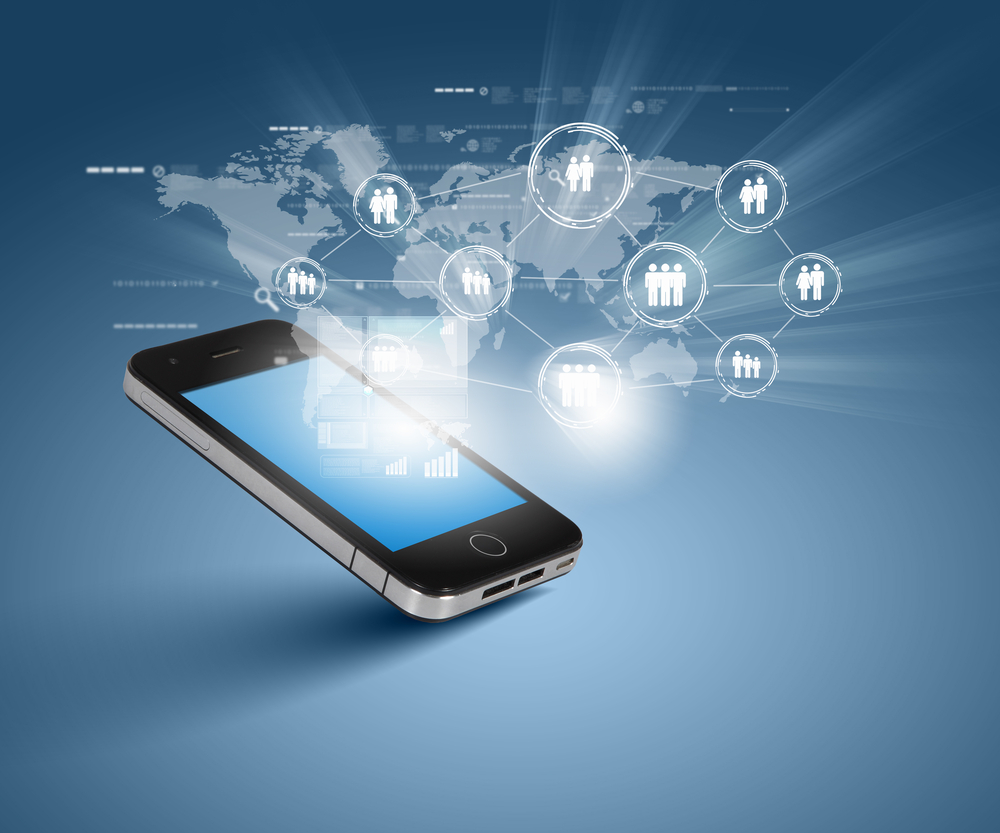
Managing mobile apps in large enterprises [Q&A]
More and more businesses are rushing to embrace mobile apps, but in large companies where hundreds of apps need to be rolled out this can present major headaches for administrators.
We spoke to Chris Isbrecht of IBM Security's MaaS360 team to find out about some of the challenges of scaling mobile to large enterprises, as well as how they can be addressed.

Enterprise mobility will be the main IT focus in 2016
According to a new report from Harris Poll announced this week, enterprise mobility will top IT investments in 2016. The survey reveals that more than 90 percent of IT Decision Makers (ITDMs) see enterprise mobility as the critical function for customer engagement, competitiveness and operational productivity in 2016.
Additionally, nearly three in four (73 percent) respondents indicate that they intend to mobilize their whole organization.

Desktop and mobile habits of employees revealed
Do you know how your employees are accessing content within your business? Enterprise file sharing specialist Egnyte has analyzed all of the unstructured data from its customers, no matter what device, storage, or apps they use, to discover the latest trends.
Having looked at this data over the last 12 months, they uncovered some interesting facts about the diversity of employee interactions with their company content.
New survey reveals global Android usage trends
Mobile marketing company Celltick has mined its user interaction data to produce an Android Usage Trends report revealing insights on how users around the world use their mobile phones.
Among the key findings are that the vast majority of smartphones in Asia (71 percent) and the Middle East and Africa continue to be configured with English. Facebook might be ubiquitous, however, Facebook Messenger is only popular on low-end phones, amongst higher-end handsets, Skype is the most common application installed.
Addressing new challenges in enterprise mobile management [Q&A]
Although many enterprises are keen to deploy mobile apps for their workforce and to support BYOD and extended working, they've often been held back by traditional app distribution options. Historically this has required IT organizations to bring devices under management -- for corporate owner, corporate liable, and BYOD devices -- which can put a brake on enterprise mobile app deployments.
To find out how new approaches can allow data to be secured at the app level, we spoke to Mark Lorion, Chief Product and Marketing Officer at mobile app management and security company, Apperian.
A third of businesses use mobile banking to make payments
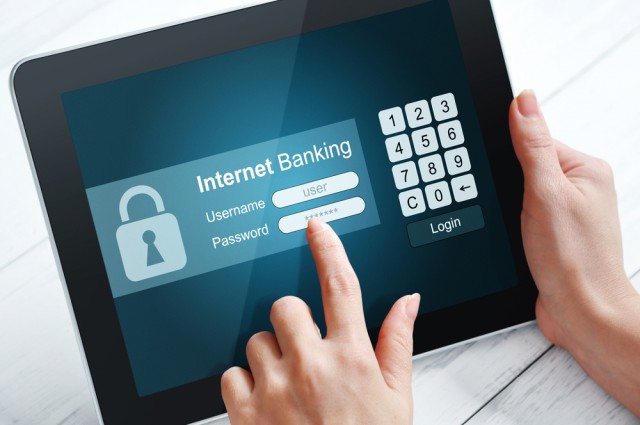
Not only does every other top manager make payments from corporate accounts via mobile banking, but it was also discovered that over 30 percent of companies use mobile devices to access corporate bank accounts and to make financial transactions.
Those are the result of a recent joint survey conducted by Kaspersky Lab and B2B International.

How to keep your mobile data safe
Every month we see another story hit the headlines of how a household name has lost customer data. These type of incidents can cost millions to put right, not just in updating the IT systems, but in terms of lost revenue due to loss of good reputation, and potentially punitive fines.
When the new EU General Data Protection Regulation (GDPR) comes into force, expected during 2017, fines for non-compliance could be five percent of global turnover. This is a significant sum for any size of organization and deserves serious consideration.