Ransomware operators work together to maximize effectiveness of attacks
The numerous challenges of 2020 have proved to be fertile ground for ransomware attacks, with the number up by nine percent compared to the first quarter and by 59 percent compared to the second quarter of 2019.
The latest Threatscape report from Positive Technologies shows that 16 percent of phishing attacks took advantage of COVID-19 concerns, and there is also evidence that ransomware operators have started cooperating with each other.
Why vishing is the new phishing and how to guard against it [Q&A]
We're all familiar with the menace of phishing but, particularly following the recent Twitter attack, other methods of stealing credentials have been on the rise.
These include 'smishing' (phishing via SMS) and 'vishing' (phishing by voice call). We spoke to Ed Bishop, CTO at email security company Tessian to find out how businesses can identify vishing and smishing attacks, how the attacks work, and how companies can protect their employees.
Phishing attacks surge during the pandemic
In yet another example of cybercriminals exploiting world events, the frequency of phishing threats has risen considerably since the start of the pandemic, with companies experiencing an average of 1,185 attacks every month.
New research from GreatHorn reveals that more than half (53 percent) of over 300 IT professionals surveyed by Cybersecurity Insiders say they had witnessed an increase in phishing activity since the start of the COVID-19 pandemic.
New phishing attack tries to steal Office 365 credentials via Box
Researchers at cloud security platform Armorblox have uncovered a phishing attack that seeks to steal Office 365 login credentials.
So far, so predictable. The clever twist here though is that the initial page victims are taken to via the email link is hosted on cloud file sharing service Box, followed by a credential phishing page that resembles the Office 365 login portal.
Edison Mail gives iOS users added phishing protection
Phishing is a problem that shows no signs of going away and indeed the COVID-19 pandemic has seen a new raft of malware and fraudulent emails seeking to trick the unwary.
Edison Software is launching a new AI-based email security subscription plan that can be added to the Edison Mail iOS app to help combat the threat.
Lazarus Group hackers target cryptocurrency in global campaign
Researchers at F-Secure have uncovered a targeted, advanced attack on a cryptocurrency organization which they have linked to the Lazarus Group, and believe is part of a global, and financially motivated, hacking campaign.
Lazarus has been linked to the now infamous WannaCry attacks of 2017. This latest report identifies the tactics, techniques, and procedures (TTPs) used during the attack, such as spearphishing via a service (in this case, using LinkedIn to send a fake job offer tailored to the recipient’s profile).
GreatHorn improves email security with better visibility and intelligent protection
Email is still the favored attack vector for cybercriminals, with recent research from GreatHorn showing that a third of IT professionals are dealing with attacks every day.
In order to bolster defences the company is launching an update to its security platform offering visibility across the entire email security stack with intelligent phishing detection and response capability.
Money (That's what email attackers want)
A new report from email security and cyber resilience company Mimecast, released to coincide with this year's virtual Black Hat conference, reveals that threat actors are motivated by monetary gain more than stealing data or intellectual property.
It also finds that COVID-19 continues to be a major theme in current attacks, especially in certain sectors, and that opportunistic and malware-based campaigns are being launched at volumes never seen before, with manufacturing, retail/wholesale, finance/insurance, and media and publishing being the hardest hit.
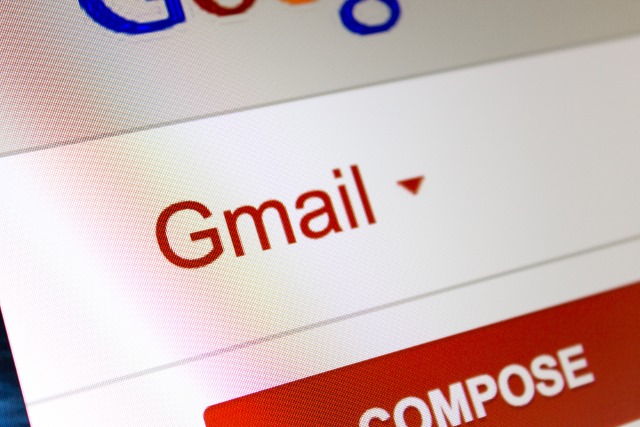
Gmail to start showing authenticated brand logos to fight phishing scams
The DMARC standard for email verification has been around for several years. Domain-based Message Authentication, Reporting and Conformance has the potential to rebuild trust in email communications plagued by spam and phishing.
Google's announcement this week that it's about to start piloting the display of authenticated brand logos in Gmail could mark the start of the technology's mainstream adoption.

43 percent of employees make mistakes that have cybersecurity implications
A report released today by email security firm Tessian reveals that 43 percent of US and UK employees have made mistakes resulting in cybersecurity repercussions for themselves or their company.
A quarter of employees confess to clicking on links in a phishing email at work, with distraction cited as a top reason for falling for a phishing scam by 47 percent of employees. This is closely followed by the fact that the email 'looked legitimate' (43 percent), with 41 percent saying the phishing email looked like it came from a senior executive or a well-known brand.

Security professionals lack visibility into top threats
According to a new report, 89 percent of security professionals are most concerned about phishing, web and ransomware attacks, but only 48 percent confirm that they have continuous visibility into these risk areas.
The 2020 Cybersecurity 360 Report from Balbix also shows 64 percent of organizations are only, at best, somewhat confident in their security posture, and that the lack of visibility into security is the primary concern for organizations.
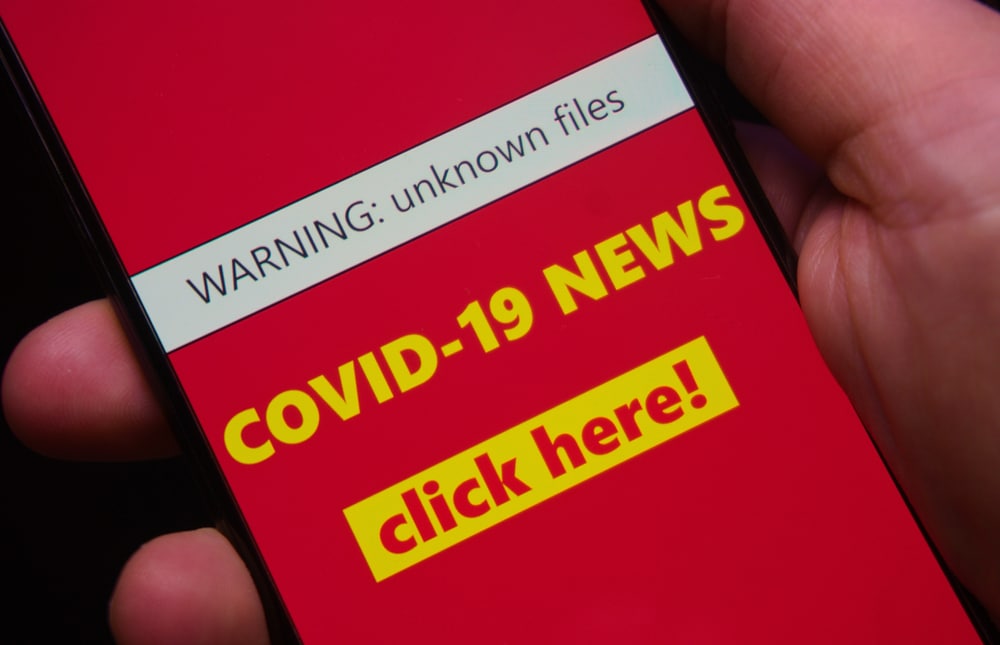
Phishing attacks for the COVID-19 era: What to look out for
Despite the devastating recent outbreak of the novel coronavirus, phishing attacks continue to drag us and our businesses down. So how exactly do COVID-19 related phishing attacks work?
Cybercriminals have taken it upon themselves to wreak havoc and feed off the fears people have about the virus. Emails are being sent that ask their targets to open attachments containing information about the latest coronavirus statistics or news. Or, they claim to be from legitimate companies offering information about COVID-19.
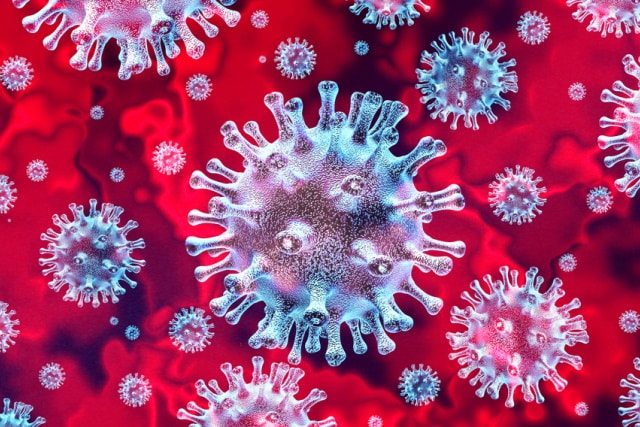
13 percent of Q1 phishing attacks related to COVID-19
In the first quarter of 2020 phishing attacks increased by 22.5 percent compared to the end of 2019, and 13 percent of all phishing was related to COVID-19.
A new report from Positive Technologies also shows that in Q1 there were 23 very active APT groups whose attacks targeted mostly government agencies, industrial, finance, and medical institutions.

Email impersonation attacks target dispersed workforces
With increased numbers of people working remotely, a new report reveals that cybercriminals are using email impersonation to prey on the sense of urgency of an increasingly distracted and dispersed workforce.
Email security company GreatHorn has collected data from over 640 security, IT and C-suite professionals to gain a better understanding of new threat vectors and attack strategies. It found almost half of respondents (48.7 percent) report seeing impersonations of people such as colleagues, customers or vendors.
MobileIron launches phishing protection for enterprise mobile devices
Credential theft via social engineering is a major cause of data breaches, but with a more dispersed workforce it becomes harder to guard against.
Security platform MobileIron is launching a new multi-vector mobile phishing protection solution for iOS and Android devices to help organizations defend themselves.