
Quantum threat highlights need for digital trust
With the National Institute of Standards and Technology (NIST) expected to finalize post-quantum cryptography (PQC) standards in the second half of 2024, a new report from Keyfactor explores the challenges that create barriers to building a strong foundation of digital trust.
It finds that only 23 percent of organizations have started work on PQC, with 36 percent expecting to start after the first release of standards later this year. Another 25 percent of organizations will begin implementing PQC when standards are finalized.
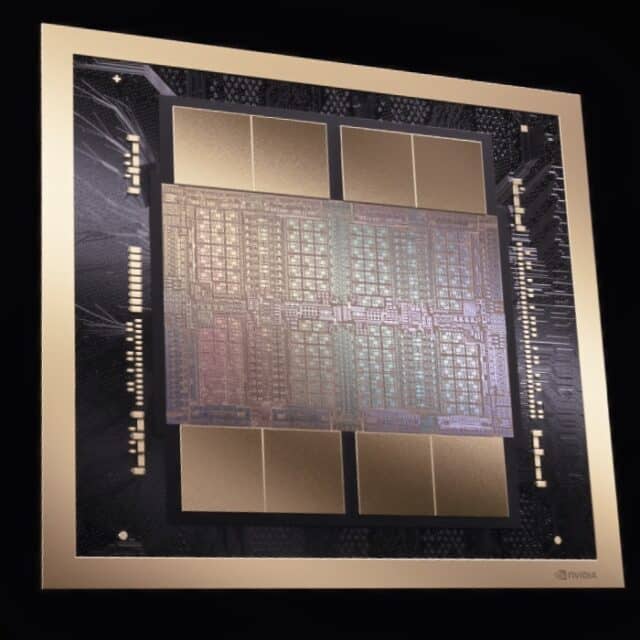
Introducing NVIDIA Blackwell: Transforming AI with trillion-parameter models
NVIDIA has unveiled the Blackwell platform, a new advancement in computing that enables organizations to build and run real-time generative AI on trillion-parameter large language models, all while reducing costs and energy consumption by up to 25 times compared to its predecessor.
The Blackwell GPU architecture introduces six transformative technologies for accelerated computing, aimed at unlocking breakthroughs in various fields including data processing, engineering simulation, electronic design automation, computer-aided drug design, quantum computing, and generative AI.
Quantum computing: The data security conundrum
One of the biggest challenges of digital technology today is around security systems and data. In response to this, sophisticated algorithms have been designed to encrypt data and protect it through frameworks known as symmetric cryptography. While this has proven successful, advancements in quantum computing -- which utilizes quantum mechanics to solve complex problems faster than conventional computers -- could potentially turn data security on its head.
IBM, Microsoft and Google have already turned their attention to quantum computing and, as a result, commercially viable quantum computers are not too far from becoming a reality. In fact the global quantum computing market size in terms of revenue was estimated to be USD 866 Million in 2023 and is poised to reach USD 4,375 Million by 2028, growing at a CAGR of 38.3 percent from 2023 to 2028. This is raising concerns that these computers might pose a threat to current public-key cryptography algorithms and potentially expose sensitive data. As such, data security needs to be a step ahead, with more advanced cryptographic algorithms that minimise potential risks and ensure the safeguarding of data in a quantum computing world.
Investment in quantum startups down by 50 percent but interest remains strong
A new report shows a 50 percent global drop in venture capital invested into quantum startups from $2.2 billion in 2022 to around $1.2 billion in 2023. The US saw an even bigger decline at 80 percent, while Europe, the Middle East and Africa grew by three percent.
The report from IQM Quantum Computers, OpenOcean, a leading European venture capital firm, and Lakestar, the leading European technology investor, attributes the drop to an overall decline in technology investing rather than to falling interest in quantum technology.

Sophisticated attacks, changing authentication and quantum threats -- cybersecurity predictions for 2024
Whether it's due to high-profile attacks or new defensive technologies, the world of cybersecurity is never far from the news.
Here is what some industry experts think the cybersecurity trends will be in the coming year.
Faster problem solving, more investment and time travel attacks -- quantum predictions for 2024
Although quantum computing is still some way from commercial reality for most people and organizations, the technology is developing.
Many of the concerns surrounding it are about what a world of post-quantum computing might mean for cybersecurity. We asked industry experts what they think is in store for quantum in 2024.

Enterprises need to start planning now for post-quantum security
The power that quantum computing makes available offers benefits in many areas, but it also means cracking encryption becomes much easier, which poses an enormous threat to data and user security.
At its annual Trust Summit conference, DigiCert has released the results of a global study exploring how organizations are addressing the post-quantum computing threat and preparing for a safe post-quantum computing future.

The quantum leap: Quantum computing breakthroughs to watch
The classical computer has been the bedrock of computing for over 50 years. That’s going to change soon. quantum computing, which was once a concept limited to fringe scientific papers, is now becoming a mainstream topic.
We’re seeing significant breakthroughs in the headlines which are stoking the flames of conjecture. The truth is, that this technology will bring with it much more than hype and opportunities to breathe life into sci-fi creations. In this article, we’re going to dive into some of the milestones of quantum computing, future goals and, of course, the challenges that we still have to overcome.
Why CSOs are prioritizing PKI infrastructure as they adapt to post-quantum cryptography [Q&A]
A growing number of machine identities leaves organizations with the task of managing increasingly complex PKI infrastructure.
We spoke to Chris Hickman, CSO of Keyfactor, about how organizations can go about reducing PKI complexity as well as other trends to keep in mind as they adapt to an era of post-quantum cryptography.
How DevSecOps can mitigate the cyber risks of emerging technologies [Q&A]
The technology world never stands still for very long and as new technologies emerge so too do new threats. With things like quantum computing on the verge of becoming mainstream it's important to understand their security implications.
We spoke to Archie Agarwal, founder and CEO of ThreatModeler to discuss how DevSecOps can help to identify and mitigate these new threats to cloud services.
Is this the year we take quantum threats seriously? [Q&A]
Quantum computing is something that seems to have been hovering just out of reach for a decade or so -- in fact research into the concept first began back in the 1980s.
More recently quantum has come closer to a commercial reality, with big players like IBM publishing a road map with a clear, detailed plan to scale quantum processors and build the hardware necessary to take advantage of the technology and other big players like Google, Amazon, and Microsoft having since followed suit.

QuSecure pioneers quantum-resilient satellite link
Much of our modern communication relies on satellites, but the data sent between them and ground stations is vulnerable to theft, leaving satellite communications even more accessible than typical internet communications.
Post-quantum cybersecurity company QuSecure has announced that it's achieved an end-to-end quantum-resilient cryptographic communications satellite link.

How emerging technologies are changing the security landscape [Q&A]
The cybersecurity world is a constantly evolving one. In recent years though we've seen the rise of new technologies like AI and quantum computing that, while they may revolutionize legitimate businesses, also have worrying implications for security.
We spoke to Kevin Kennedy, vice president of products at detection and response company Vectra AI, to find out more about the risks and what organizations can do about them.
Why quantum computing threatens security as we know it [Q&A]
Much of our current IT infrastructure relies on DNS to safely route traffic. Securing that infrastructure is in turn heavily reliant on cryptography, but there's a threat looming on the horizon.
Quantum computing will offer a level of processing power that could render current cryptographic techniques obsolete, and that's a problem for the entire internet and networking world. We spoke to Peter Lowe, principal security researcher at DNSFilter, to discuss the possible impact of quantum computing on security and what can be done to address the threat.
New solution secures encrypted data for a post-quantum world
The advent of quantum computing offers a serious threat to the safety of encrypted information. But current post-quantum cybersecurity (PQC) solutions either can't reach edge devices like laptops and mobile phones or required software installation on these devices which is cumbersome and hard to manage.
Now though QuSecure is launching a new solution for protecting encrypted private data on any website or mobile application with quantum-resilient connections and sessions, all with no end-user installation required.