WinRT PDF found to be a possible vulnerability in Edge for Windows 10
With the introduction of Windows 10, Microsoft said goodbye to Internet Explorer, the aging Netscape killer, and hello to Edge. While the company has been increasingly vigilant about security and the nightmares of IE 6 have slowly faded away, with a new browser comes with the potential for new problems.
Security researcher Mark Yason of IBM thinks he may have found a potential path to attack. Yason plans to demonstrate the flaw at the upcoming RSA USA 2016 conference.
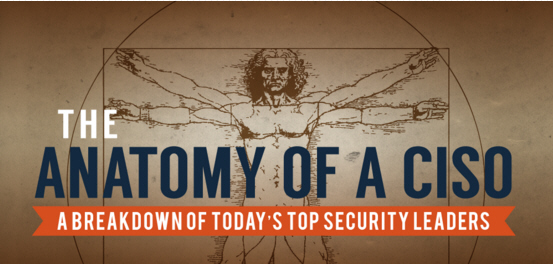
What makes a typical information security chief?
Major data breaches continue to highlight how essential it is for businesses to secure their systems, and as a result many organizations are looking to recruit information security officers.
But what should they be looking for? What are the traits that the top information security professionals share? Data loss prevention specialist Digital Guardian has produced an infographic based on research into the CISOs and security leaders at Fortune 100 companies which throws up some interesting results.

Is MasterCard's 'selfie pay' too much of a security risk?
Biometrics were the talk of the town last month in Barcelona. As the world’s mobile technology companies gathered for their largest annual event, Mobile World Congress 2016, talk centered firmly around authentication and identity.
Whilst MasterCard announced it will accept selfie photographs and fingerprints as an alternative to passwords when verifying IDs for online payments, security company Vkansee was demonstrating how easy it was to create a spoof finger with clay and a pot of Play-Doh.

Malvertising campaigns now use fingerprinting techniques
Cyber-criminals are now using fingerprinting techniques in their malvertising campaigns, researchers from security firms Malwarebytes and GeoEdge have reported.
Fingerprinting is an evasion technique in which crooks, through snippets of code, check if the targeted machine is a honeypot set up by malware researchers or an actual machine belonging to a potential victim.

Cyber threats could overwhelm the healthcare industry
Healthcare organizations average about one cyber attack per month and almost half say they have experienced an incident involving the loss or exposure of patient information during the last year, leaving patients at risk of identity theft.
These are among the findings of a survey by security company ESET and the Ponemon Institute into cyber security in the healthcare sector.

Updated Snooper's charter will allow police to remotely hack phones and computers
The UK's controversial Snooper's charter (or draft Investigatory Powers Bill) has been updated to grant the police sweeping new powers. The new legislation will permit authorities to not only access the browsing histories of suspected criminals, but also to remotely hack into computers and phones in certain circumstances.
Previous version of the bill had limited such powers to the investigation of "serious crime", but the updated version expands this dramatically. Home Secretary Theresa May is hoping to push the draft Investigatory Powers Bill through parliament later this year. The bill has already met with strong criticism from not only privacy groups, but also governmental advisers. While there are some concessions to protect unbreakable encryption, the latest changes will do little to assuage concerns with the bill.
New platform helps mid-sized organizations respond to cyber threats
Cyber attacks don't discriminate when it comes to the size of the organization. But smaller enterprises can lack the resources needed to effectively deal with them.
Incident response specialist Resilient Systems -- which is in the process of being acquired by IBM -- has designed its latest Resilient Commercial Incident Response Platform (IRP) to meet the needs of mid-sized organizations.

Some smartphone users would not be 'upset' by data theft
There are two kinds of people in this world, and I don’t mean those who can read binary and those that cannot. I’m thinking about those who are aware of the security risks smartphones pose, and those who aren’t.
And according to a new survey by security firm Norton, the world is literally split in half over this -- 56 percent of those surveyed say the prospect of the financial and banking information stored on their phone being hacked is "upsetting". Meaning, for the remaining 44 percent it’s not upsetting.
New solution aims to eliminate passwords in the workplace
Passwords are increasingly seen as insufficient to protect sensitive systems and companies are looking for more secure alternatives.
Digital identity company Intercede is introducing new software that works with Intel's latest Intel Authenticate technology with the aim of eliminating workplace passwords entirely.

Your business doesn't have a website? A DDoS attack can still happen
Just because your business doesn’t have a website, that doesn’t mean it can’t be a victim of a DDoS (distributed denial of service) attack. This sentence might not make much sense at this point, but keep reading.
Security firm Kaspersky Lab and researchers B2B International looked at what cyber-crooks go for when attacking businesses and enterprises, and here’s what they came up with:
Microsoft announces Windows Defender Advanced Threat Protection
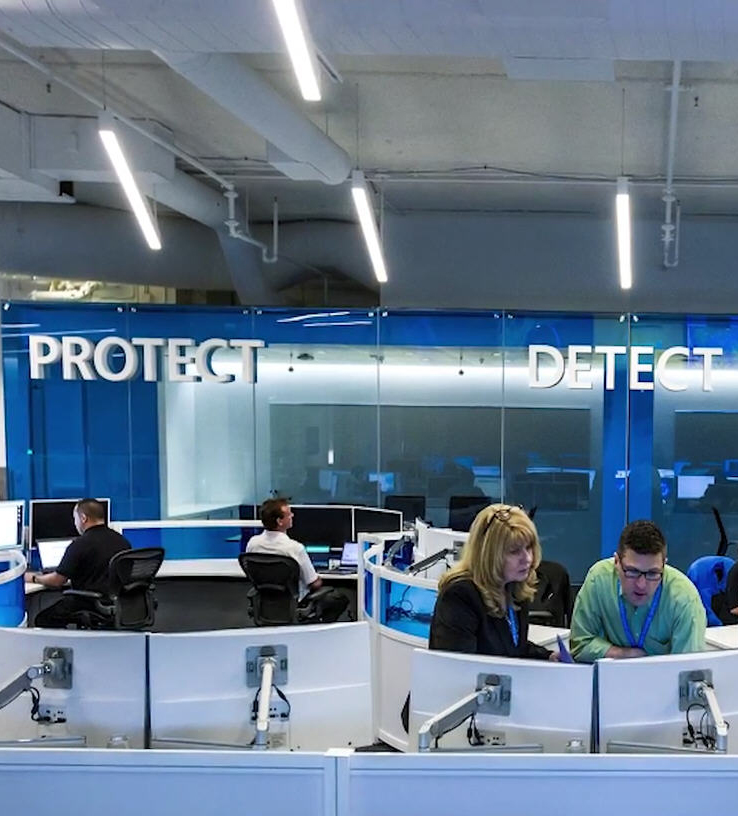
Cyber attacks are becoming more sophisticated and can be costly for businesses. Microsoft has recognized that it needs to offer stronger protection for its enterprise customers and is announcing a new service to help them detect, investigate, and respond to advanced attacks.
Windows Defender Advanced Threat Protection adds a new post-breach layer of protection to the Windows 10 security stack. Using a mix of client technology built into Windows 10 and a cloud service, it will help detect threats that have made it past other defenses.
Kaspersky launches new platform to detect targeted attacks
While conventional security technologies are good at protecting against generic threats, targeted attacks are more difficult to handle.
Kaspersky Lab is looking to combat this type of attack with new offerings including the Kaspersky Anti Targeted Attack Platform, a sophisticated solution designed to detect targeted attacks, and a range of Security Intelligence Services, offering penetration testing, cybersecurity training and threat intelligence sharing.
Apple win: New York judge dismisses FBI request in iPhone unlocking case
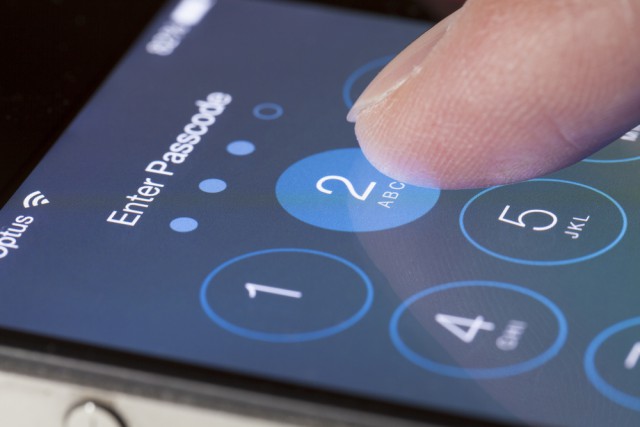
A New York judge has rejected an FBI demand for Apple to bypass the lock screen of a seized iPhone. Judge James Orenstein ruled that the FBI may not use the All Writs Act to force Apple to "bypass the passcode security" of an iPhone 5S running iOS 7 in a drug case.
This is not the only iPhone the FBI is seeking to have unlocked, and many are looking to the New York case as a precursor to a similar case involving the San Bernadino shooter's iPhone which is set to be heard next month. Talking about the California case, Tim Cook has liken complying with the FBI demands to create a backdoor as the "equivalent of cancer", and Judge Orenstein appears to have recognised that the New York drugs case could be seen to set a precedent.
Ransomware is the biggest threat to Android users in UK
Ransomware was the biggest threat to Android users in the UK last year, a new report by security company Bitdefender says.
Even though it’s not as dangerous or prolific as its Windows counterpart, ransomware still played a major role in the overall mobile security landscape for last year.

Kill the password! Yahoo Account Key rolls out to more apps
There have been a lot of attempts to kill the password and replace it with something more secure and easier to use. Biometric measures such as fingerprint and iris readers are increasingly common, but Yahoo is on a mission of its own with Yahoo Account Key.
Recognizing that "passwords suck", Yahoo launched the product back in October and since then there have been a few changes and additions. It's a simple system that uses your mobile as your access key and it's now available in more apps than ever.