Leaked: first look at Chromium-based Microsoft Edge
We have known for a little while that Microsoft is planning to release a Chromium-based version of its Edge browser, and a new leak gives us our first glimpse at it. With Chromium at its core, it is perhaps no surprise that this version of Edge bears more than a passing resemblance to Google Chrome.
The leak also confirms much of what we thought we already knew about the upcoming browser -- support for Chrome extensions, a dark mode, synchronization of favorites, and more

AT&T's 5G E is slower than some 4G connections
If you see a 5G indicator in your phone's status bar, you know you've got a fast connection, right? Think again. The technology world may be eagerly anticipating the capabilities of 5G, but in the US AT&T has simply jumped on the hype bandwagon as a marketing tool.
A new study into the speed of the company's 5G E service found that it is actually slower than 4G offerings from its rivals. Despite the name suggesting a futuristic service with speeds to match, AT&T is actually delivering sub-par performance.
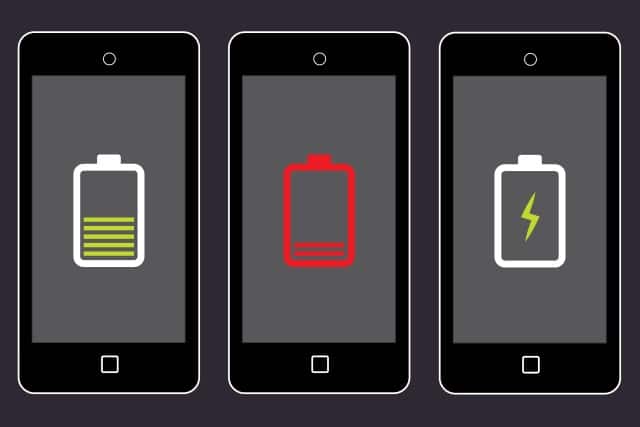
Crappy phone battery life? Video ad fraud could be to blame
Few people can claim to like the ads that have become part and parcel of smartphone usage, but for the most part they can be endured. But what about when a minor inconvenience that merely infringes on your time becomes even more of a nuisance and actually starts to kill your phone battery?
According to an investigation, this is precisely what has been happening. An ad fraud scheme has been uncovered that invisibly plays videos lucrative video ads on handsets, earning money for fraudsters and draining the batteries of Android handsets.

Kaspersky reports Apple to antimonopoly authorities over the handling of its apps
Security firm Kaspersky has reported Apple to Russia's Federal Antimonopoly Service. The complaint comes after Apple rejected the Kaspersky Safe Kids parental control app from the App Store, saying that the implementation of two "essential" features contravened store policies.
Kaspersky was surprised at the removal of the app as it had been sitting happily in the App Store for some three years. The company believes that Apple has forced the app out of the store because iOS 12 introduced its own Screen Time parental controls -- something Kaspersky views as restrictive and monopolistic behaviour.

Moleskine teams up with Adobe to create a smart notebook: the Moleskine Paper Tablet Creative Cloud Connected edition
Moleskine is a name to be reckoned with. Its paper notebooks have been used by writers, poets and artists for years, and it's a brand that has a dedicated following.
Now, having previously worked with Adobe to blur the boundaries between digital and analog writing and drawing, Moleskine has once again joined forced with the Photoshop-maker. The outcome of this latest partnership is the Moleskine Paper Tablet Creative Cloud Connected edition, a smart notebook that works with Adobe Illustrator in conjunction with the Moleskine Pen+ Ellipse optical pen.

Sign up to beta test Android Pie on OnePlus 3 and 3T
OnePlus has a decent track recording of supporting its handsets for longer than most other companies, pushing out security updates and even operating system upgrades long beyond the point at which other manufacturers have let their handsets fall by the wayside.
Having already rolled out Android Pie to the OnePlus 5 and 5T, it wasn't long before we learned that the company hadn’t forgotten about owners of older handsets. Now you can sign up to take part in a beta program to test Android Pie on your OnePlus 3 or 3T ahead of the impending launch of the Pie-based OxygenOS 9.
Facebook stored millions of users' passwords in searchable plain text for years
Just when you think things couldn't get any worse with Facebook, something else comes along to lower your opinion of the social network even further. The latest security slip-up relates to passwords: it turns out that for up to six years, millions of user passwords were stored in plain text.
As well as being stored in plain text, passwords were searchable by thousands of Facebook employees. An investigation by Facebook suggests that somewhere between 200 million and 600 million user accounts were affected, some as far back as 2012.
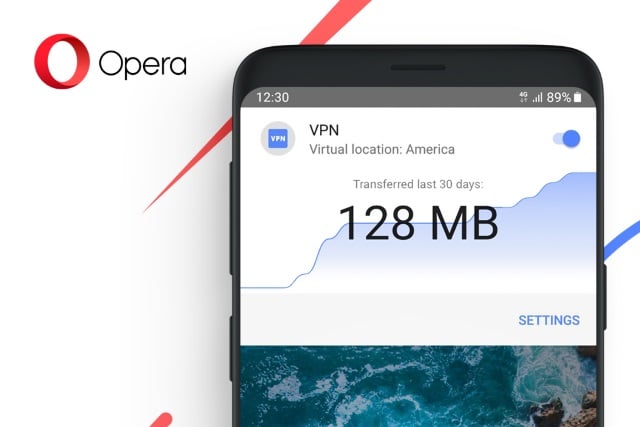
Opera for Android now includes a free and unlimited VPN
Opera has added a free VPN service to the Android version of its mobile web browser. Opera 51's newly-added VPN is not only free from charges, it is also free from limitations.
The feature has been added as the Norwegian software developer seeks to improve the security and privacy of web browsing for its users. The company says that it "marks a new standard for privacy and security in mobile browsing".
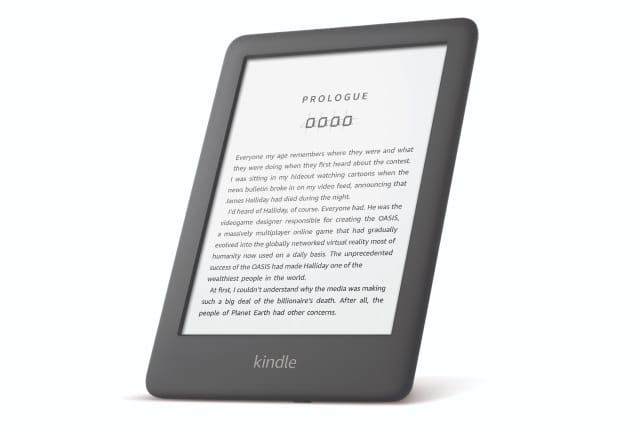
Amazon's entry-level Kindle gets a slight price bump -- and gains a front light
Amazon has announced its new entry-level Kindle, introducing a couple of changes. While the price remains below $100, there has been a $10 hike, taking the price up to $89.99.
This extra $10 buys you an e-reader with only one notable change -- a new adjustable front light to allow for reading in the dark.
Europe hits Google with €1.49 billion fine for breaking antitrust law with AdSense restrictions
The European Commission has hit Google with another large fine, this time €1.49 billion ($1.69 billion) for engaging in anti-competitive practices with its advertising tool AdSense.
Google was found guilty of breaking antitrust laws by blocking third party rivals from using AdSense to display advertisements. This is the third fine the Commission has levelled against Google in the last couple of years, but this most recent one is less than a third of the previous record fine for other antitrust violations.
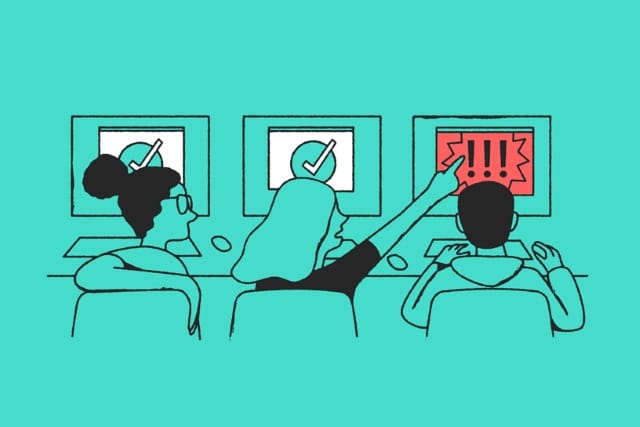
Apple is going to educate the US and Europe on how to avoid fake news
Apple has announced that it is to support initiatives in the US and Europe that seek to improve media literacy. The aim is to "encourage critical thinking and empower students to be better informed" by teaching people how to find reliable sources and avoid fake news.
In the US, Apple is throwing its support behind the News Literacy Project (NLP) and Common Sense, while in Europe it is Osservatorio that will reap the benefits of the company's backing. All three are non-profit organizations that provide nonpartisan, independent media literacy programs.
Copying Microsoft, Google is bringing browser choice to Android to stave off antitrust regulators
Google is no stranger to investigations into and questions about its practices, and in Europe the company has faced great interest from the European Commission for violating antitrust laws. Now, in a move that echoes that of Microsoft's Browser Choice nearly a decade ago, Google is going to give Android users the option of choosing their default web browser and search engine.
This is not something that will be happening on a global scale, however -- at least not to start with. As Google is merely keen to avoid accusations of being anticompetitive in Europe, it is only European Android users that will be affected.
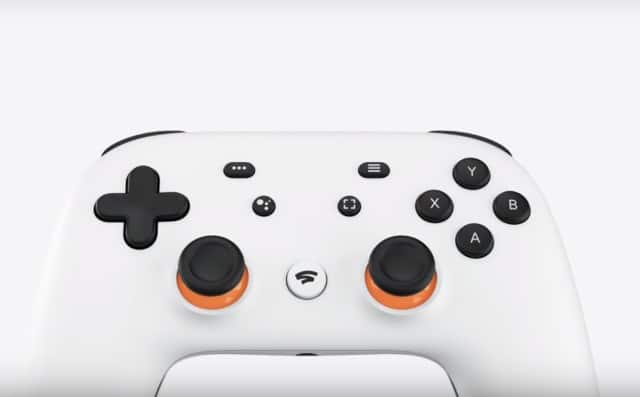
Google announces Stadia, its new instant-play game streaming service
Downloading and installing is just so passé, and Google knows it. It is with this fact in mind -- and an eye firmly on the future -- that the company today announces its new game streaming service, Stadia, at GDC 2019.
The audience at this year's Game Developers Conference were treated to a preview of the cloud-based gaming service that can be accessed from mobiles, desktops, laptops, TVs and more. Google is hoping that the allure of cross-platform, instant-play gaming will attract droves of gamers to the platform.

Apple refreshes iMac range with a performance boost from up-to 8-core Intel 9th-generation processors
Just a day after launching new iPad Air and iPad mini models, Apple has announced the latest updates to its iMac range. The update has been a long time coming; it is well over a year since there were any changes made to the iMac line.
But good things come to those who wait. Apple's updates bring the humble iMac closer to the iMac Pro thanks to the addition of 9th-generation Intel processors and Radeon Pro Vega graphics -- which Apple says doubles performance. Despite the boost, Apple has made the pleasing decision of keeping pricing the same as before.
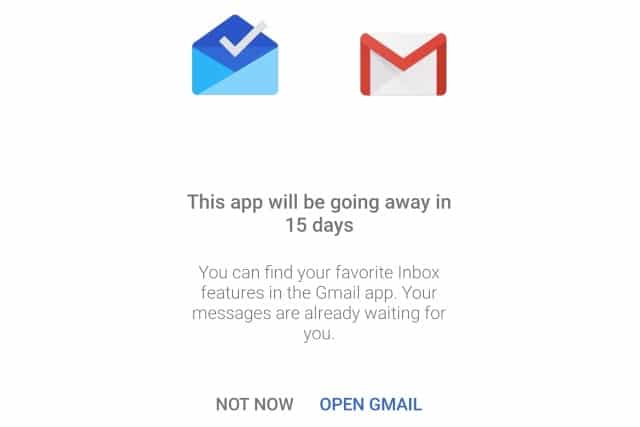
Google Inbox is closing down in two weeks
Google is far from being a stranger to launching and shuttering apps and services willy-nilly, and the latest victim is Inbox.
We have actually known for a little while that Google Inbox was due to close down -- it was just a matter of when. Now Google has revealed the closure date, and it is just two weeks away: April 2. We wave goodbye to Inbox on the same day as Google+.