
iOS device failures overtake Android for the first time
In the ongoing smartphone performance and reliability battle, Apple has lost its leading position to Android for the first time in the second quarter of 2016.
Plagued by crashing apps, WiFi connectivity and other performance issues, the iOS failure rate more than doubled to 58 percent, compared to a 25 percent failure rate in the previous quarter, according to the research by mobile device diagnostics company Blancco Technology Group.
How the Industrial Internet of Things is set to change the world
We're all aware of the Internet of Things and its likely effect on our homes, but there's another side to it which is its impact on industry.
Electronics supplier RS Components has put together an interactive graphic looking at how the Industrial IoT is going to change everyday functions from streetlighting to agriculture.

Will we ever be able to go entirely laptop free?
In a world that is fast producing new technologies every year, it’s interesting to read what technologies are reported to being on the decline. For example last month, a study from comScore has shown that desktop browsing is fast becoming a thing of the past.
In the article, from April 2016, it was stated that over the past four months, desktop use for Internet browsing has been consistently below the recorded amounts for the same time period last year. Alongside these figures, it is also stated that desktops are losing share to mobile, which now accounts for 65 percent of digital media time spent. As a result, mobile devices seem to be replacing the traditional PC -- in the age of being connected anywhere and at any time, this is hardly surprising, but what lies ahead for the other devices we hold dear?

The essential 2016 back-to-school technology shopping guide
Holy cow. The end of August is approaching, signaling the end of summer vacation for many students around the USA. This is the time when those learners, and -- depending on student age -- their parents, begin shopping for back-to-school items.
If you aren't sure what to buy, I am going to help you out. Keep in mind though, BetaNews is a technology site -- I won't be advising on pens, pencils and binders. What I will help with, however, is smartphones, tablets, laptops, and more.

Amazon 'Kindle Reading Fund' makes books more available to those without access
The ability to read is something many of us take for granted. At a young age, you probably had tons of books in your homes and schools, enabling you to learn to both read and write. Believe it or not, not everyone has access to books. Isn't that sad?
Luckily, Amazon is looking to change this. Today, the famed retailer launches a new literacy initiative called 'Kindle Reading Fund". The company is aiming to get books into the hands of those who don't normally have access. How? It will be distributing free Kindle e-readers, Fire tablets, and Kindle e-books to those that need them.

Hate the software you have to use at work? You are not alone
Are you frustrated with clunky workplace systems? Do you wish that you could work with a more modern streamlined solution?
You're in good company, a new study by app platform specialist Sapho in conjunction with research firm Forrester reveals that 91 percent of employees agree simplified enterprise apps would increase their efficiency and productivity. In addition 75 percent of employees say they have a hard time accessing information in their enterprise systems and applications.
'Touch Disease' breaking Apple iPhone 6 and 6 Plus screens -- millions of devices at risk
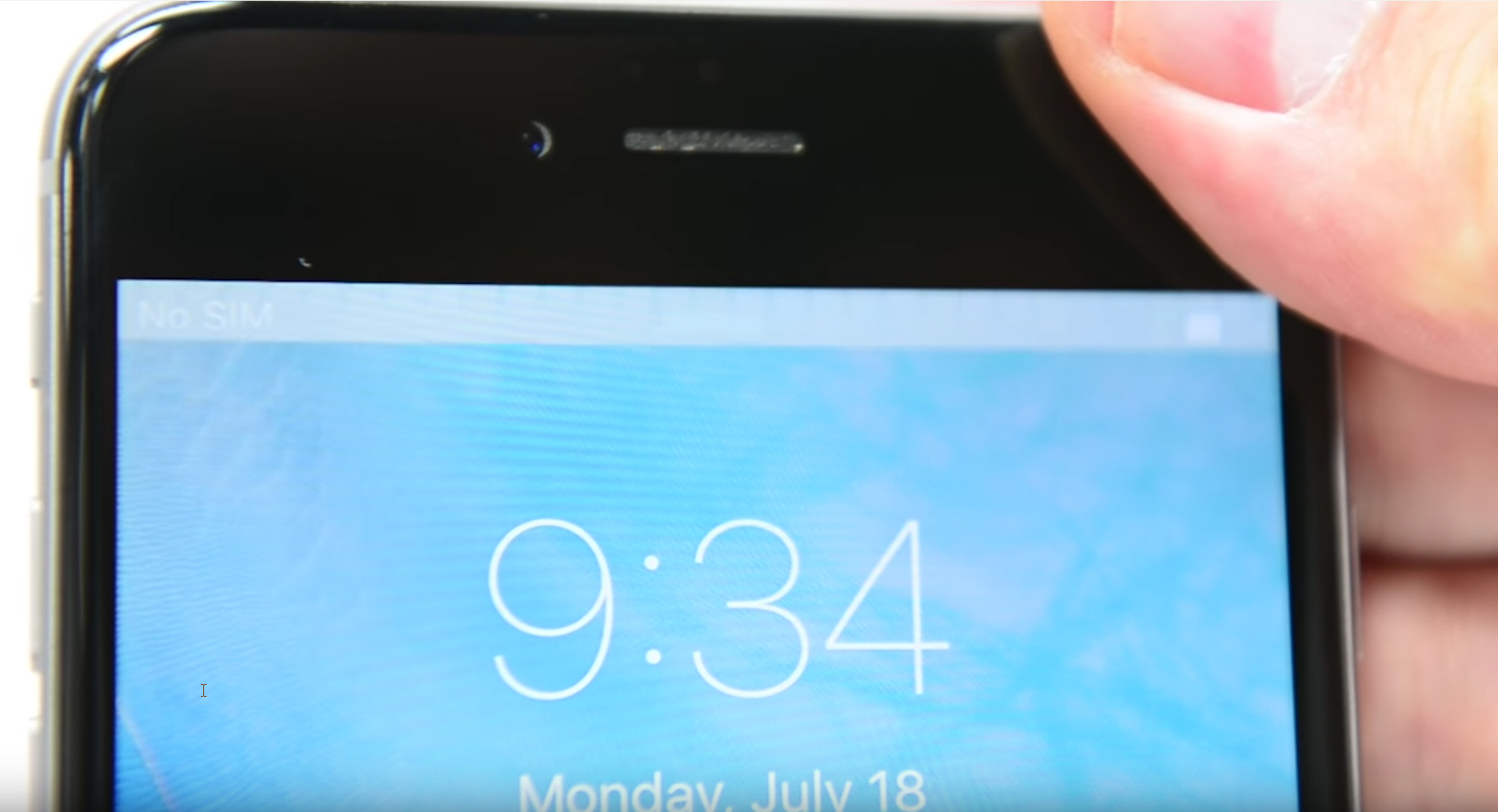
The iPhone is a great device, but a growing number of users are reporting a problem that affects the iPhone 6 and 6 Plus.
Nicknamed "Touch Disease" by repair specialists iFixit, the problem starts with a flickering gray bar at the top of the screen and reduced touch functionality. Over time the bar spreads and eventually the whole screen stops responding to touch.

Most US IT practitioners earn $100k annual salaries
Automated software delivery specialist Puppet has released the result of its latest DevOps Salary Report which shows that most IT practitioners in the US earn a $100,000 annual salary.
It also finds that 43 percent of IT managers earn $150,000 or more, up from 26 percent last year. The report is based on data gathered from more than 4,600 respondents to the survey.

Why can't you open that EPUB?
You’ve found an ebook you need, downloaded the EPUB, tried to open it, but your viewer won’t display it properly. Or maybe at all.
You might assume it’s the viewer, and try something else, but the problem could also be the file. A converter or publishing program might save something with an EPUB extension, but that doesn’t necessarily mean it’ll be a valid EPUB file.

Cloud-based identity service streamlines SaaS adoption
SaaS application adoption is growing fast and with it comes increasing expectations to be able to access any application from anywhere on any device.
Consequently organizations want login solutions that can help them reduce risks in their environment, deliver a better experience for their end-users, and adapt to the complexities of existing infrastructure and new applications.
Report shows wide variation in privileged access management practices
As we reported yesterday, privileged users can represent a significant risk to enterprise security. A new report from cyber security company BeyondTrust underlines this with findings that show organizations adhering to best practices for privileged access management are much better at mitigating the risks of a data breach.
The survey of more than 500 IT, IS, legal and compliance experts split its overall scores into top- and bottom-tier groups and finds that top-tier companies were much more likely to have a centralized password management policy -- 92 percent in contrast with just 25 percent of bottom-tier organizations.
Amazon now offers Brits unlimited cloud storage
There are lots of cloud storage services available, offering varying amounts of free space, and additional storage for a fee. OneDrive, Google Drive, and Dropbox are all great services.
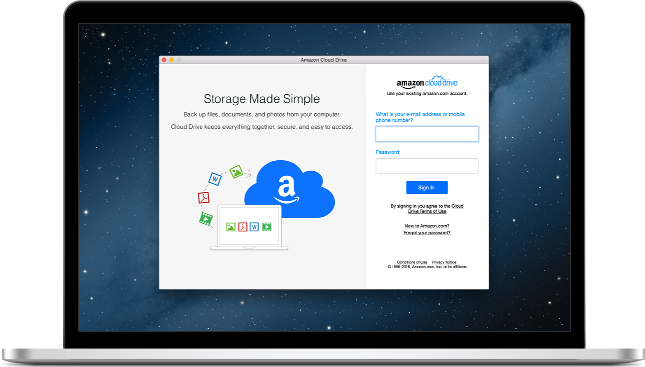
Amazon wants you to consider storing your files in its cloud, and today it introduces unlimited storage for people in the UK -- and you don’t have to be a Prime subscriber to get it.

Biometrics are less secure than passwords -- this is why
Many technology pundits talk about biometrics as the ultimate authentication solution -- the technology that will make the 'imperfect' password obsolete. Despite the hype, most companies are approaching with caution. In fact, CEB found that there are varied degrees of biometrics adoption globally, as around 20 percent of firms have actually deployed the technology.
A big reason for low adoption could be that they are less secure. And while many are touting the security of biometrics, there are four issues to consider when evaluating the technology.
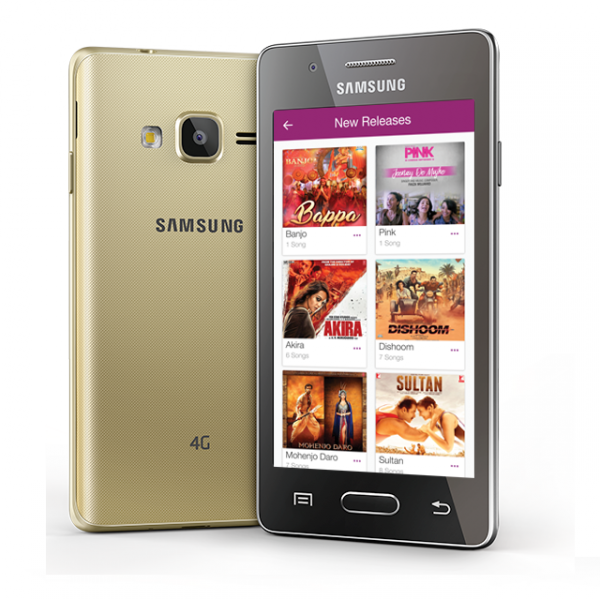
Samsung Z2 is the world's first 4G Tizen smartphone
Android and iOS are the only two mobile operating systems that matter. That's a problem for consumers. Why? Well, while duopolies at least give them some choice, being limited to just two options isn't ideal. Sure, there are other options like Ubuntu for phones and Windows 10 Mobile, but neither are lighting the world on fire.
Consumers aside, phone manufacturers don't have access to Apple's iOS, leaving Android as the only viable option. In other words, for OEMs, there is almost no choice. Samsung is apparently not satisfied with being limited to Google's mobile operating system. The company has been experimenting with devices running a different Linux-based open source mobile OS -- Tizen. Today, it launches the first ever 4G smartphone running that OS. The catch? Besides a small 4 inch screen and 5 megapixel camera, it is only available in India.
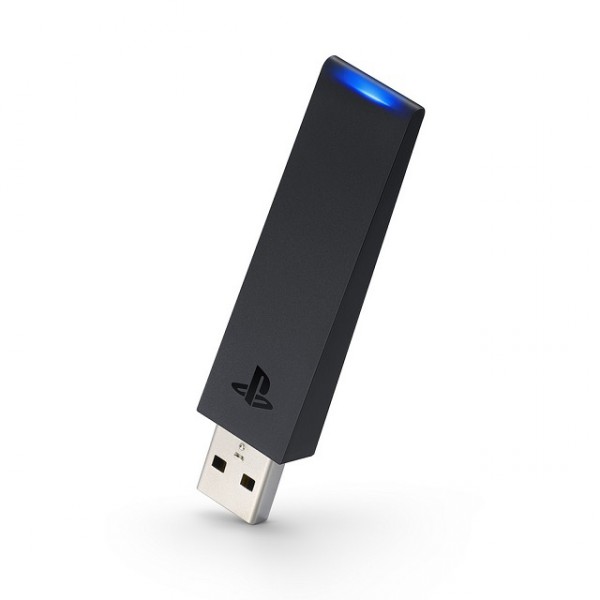
Sony focuses on PC with PlayStation Now and DualShock 4 USB Wireless Adaptor
Sony's PlayStation line of home consoles have been wildly popular over the years. The fourth version, the PS4, is obviously the best from a hardware perspective, but overall the quality of games per console is matter of opinion. Obviously the PS4 will offer the best graphics, but from a gameplay and enjoyment perspective, hardware is not the final word.
Today, the console maker takes a strange turn by focusing on the PC. You see, it is bringing its existing 'PlayStation Now' cloud gaming service to Microsoft Windows. This will give PC gamers the opportunity to play some PlayStation titles on their gaming rigs. In addition, Sony is delivering a USB dongle for Windows and Mac which will enable the DualShock 4 to be used on computers running those operating systems.