



How AI is transforming the development lifecycle [Q&A]
A shortage of skilled developers is leading to many companies failing to meet their product roadmap targets, according to research from Full Scale.
As a result the software development lifecycle (SDLC) is undergoing a fundamental shift, that includes using artificial intelligence to cut out repetitive tasks and allow developers to concentrate on their core role.

Microsoft is making it faster and easier to add hyperlinks to Word
Microsoft has announced changes to the way in which hyperlinks are added to Word documents. The company says that it wants to make working with hyperlinks as easy as working with text, and is therefore simplifying link creation across Word for Windows, macOS and the web.
While it could be argued that the previous method of converting a word or portion of text into a hyperlink was not exactly an arduous task, the change Microsoft has come up with makes it even faster and easier. So, how does it work?

YouTube introduces new search filters with the option to avoid Shorts
Google has announced changes to the search functionality of YouTube, adding new filters and renaming some options for the sake of clarity.
One of the biggest changes is the new option to choose the type of content which should be included in results. For anyone who is more interested in seeking out long-form videos, this is extremely significant as it provides a way to avoid YouTube Shorts by opting to exclude them.
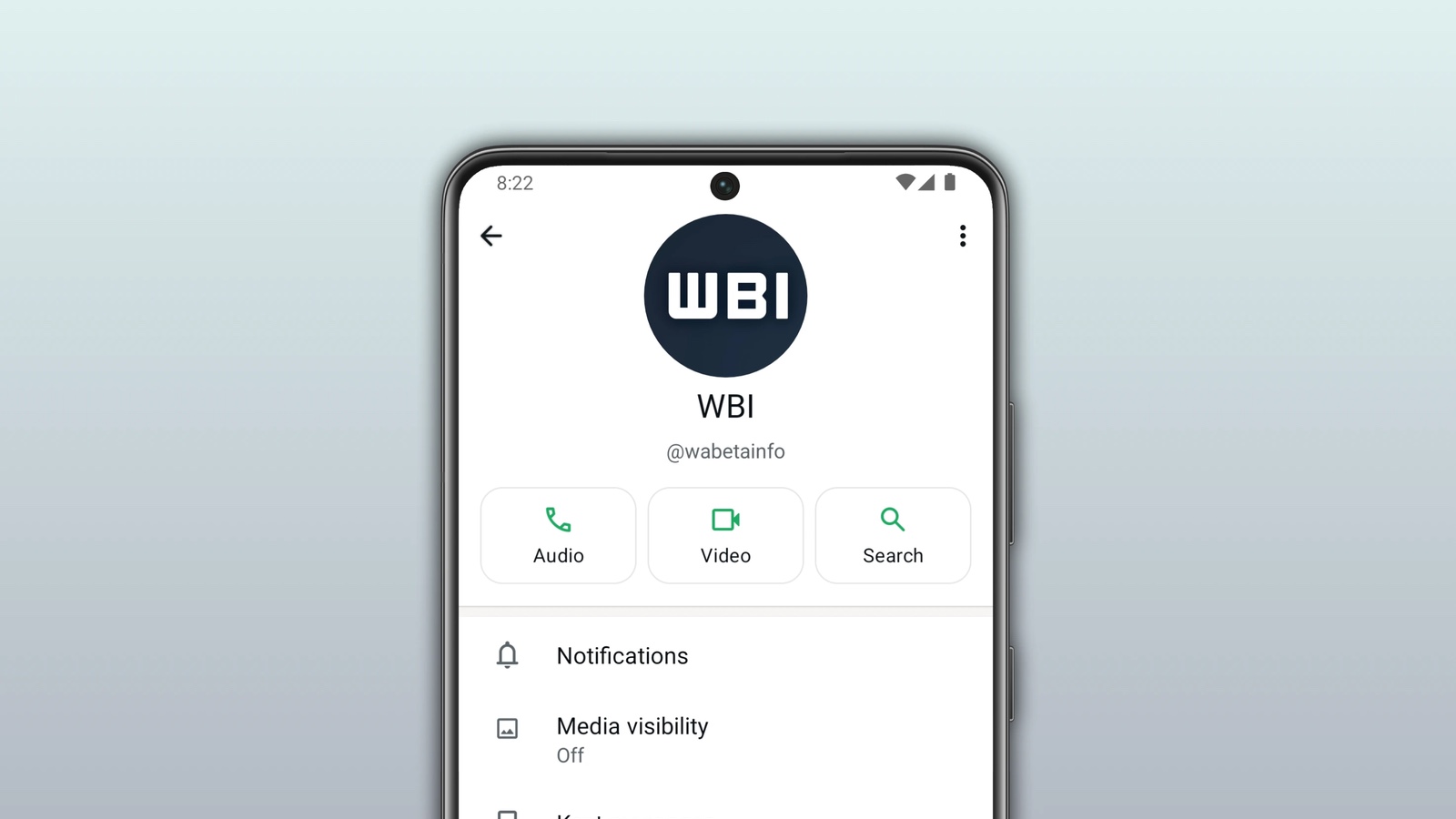
WhatsApp is now trialing usernames in chats
WhatsApp moving towards usernames has been much-requested, but progress remains slow – or perhaps slow and steady is a better way of thinking of it. While the timeline for the eventual rollout of usernames in the app remains unclear, there are new tests underway.
The latest version of the Android beta app sees WhatsApp testing switching from phone numbers to usernames. There are many reasons for the switch, not least of which is privacy.
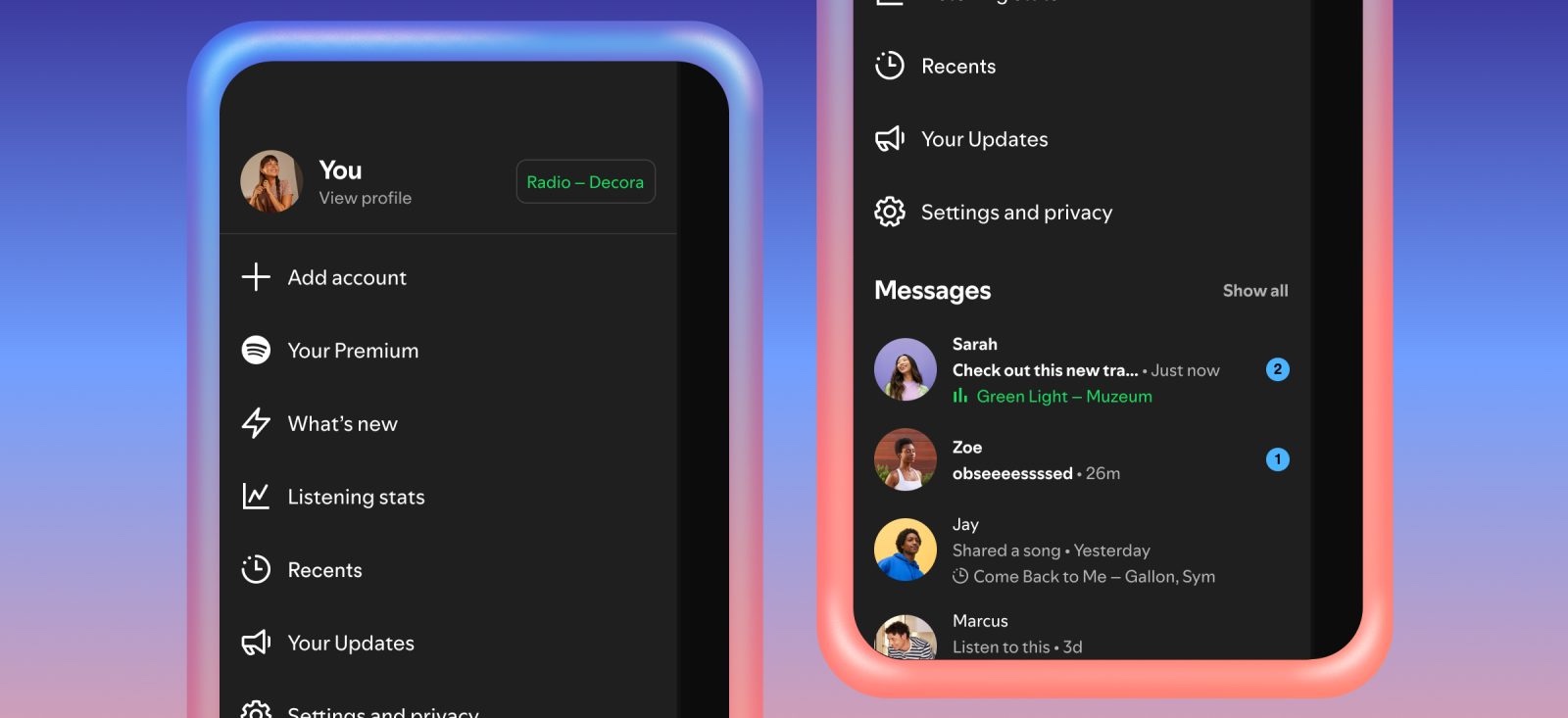
Spotify gets even more social with Listening Activity feature
Music is connective, and this is something that Spotify is trying to use to its advantage. Aware that people love to talk about their musical tastes, the company has come up with Listening Activity, a new way to share what you are listening to with the people you are connected to.
Spotify itself already lets you share your listening stream, and there are various apps that can plug into Spotify to share the data as well. The new Listening Activity, as well as the new Request to Jam, are the latest addition to Messages.
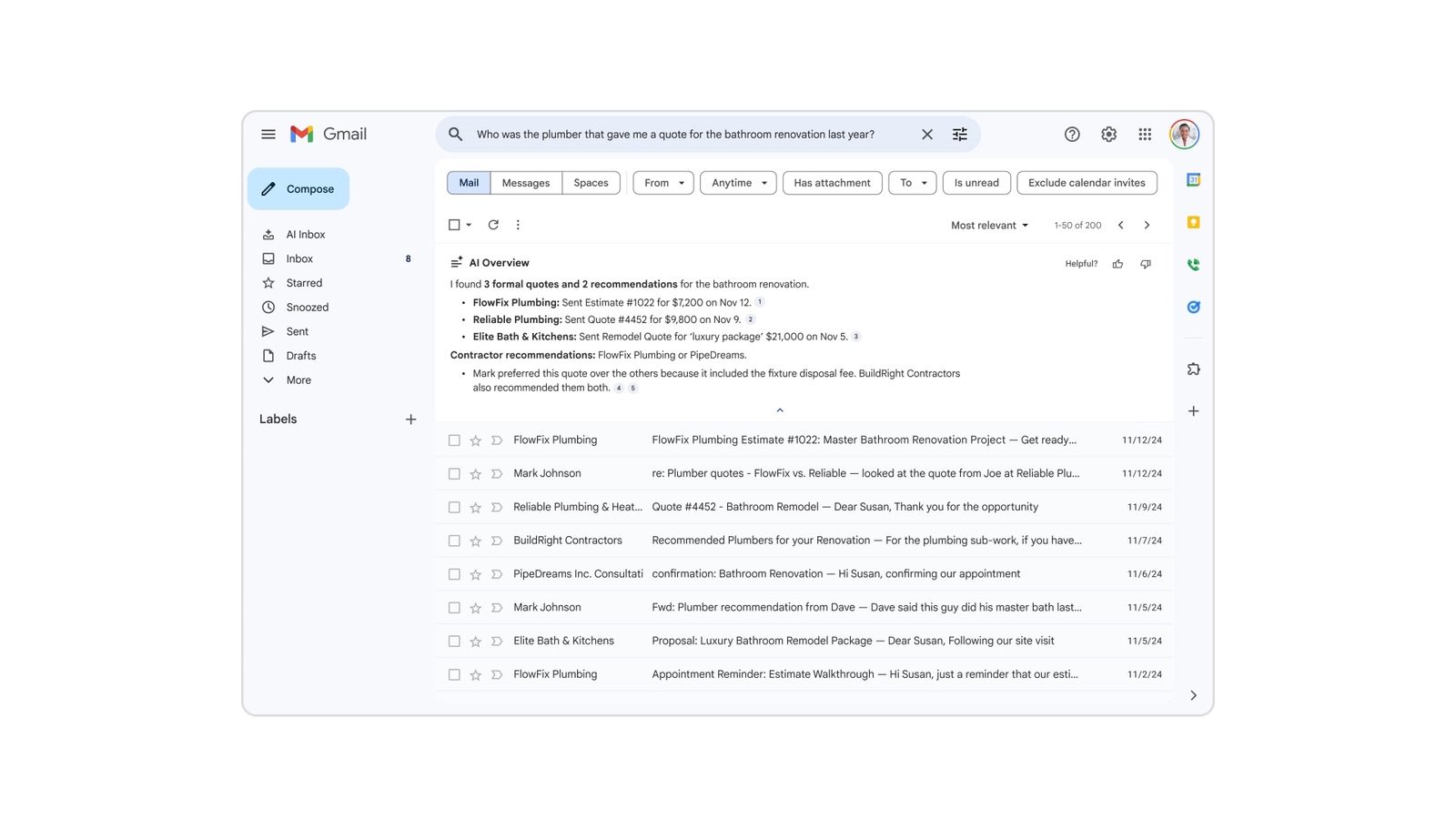
Google is giving Gmail and AI boost with new Gemini-powered features
It should surprise no one that Google is filling up just about all of its apps and services with a dose of AI. Now the company says that it is “bringing Gmail into the Gemini era” with new AI-powered features.
The aim is to transform Gmail into “your personal, proactive inbox assistant”, and Google has a smattering of new features that it believes will kickstart this process. Borrowing an idea from Google Search, Gmail’s new AI Overviews is very much what you would expect, but it is also just the start of the story.

Satechi announces Slim EX wireless keyboards and mouse for multi-device use
Satechi has announced a new range of wireless input devices at CES 2026, adding two keyboards and a mouse to its Slim EX Wireless Series.
Designed for cross platform use, the new devices support macOS, Windows, Android, and iPadOS, letting users move between systems without swapping peripherals or adjusting to different shortcut layouts.

Kodi downloads are going offline next week and installs will fail -- but don't panic
The Kodi Foundation has announced that scheduled maintenance will temporarily take its mirror servers offline, limiting access to official downloads for a set period. During the maintenance window, users won’t be able to download Kodi or official add-ons directly from mirrors hosted by the project.
The interruption only affects Kodi’s own mirror infrastructure. Copies of Kodi hosted via third-party repositories, such as app stores, will remain available while the maintenance is underway.

77 percent of successful email attacks impersonate trusted platforms
New research from StrongestLayer highlights a fundamental shift in attacker behavior, where adversaries increasingly hide behind business-critical platforms such as DocuSign, Microsoft, and Google Calendar -- services organizations can’t block without disrupting operations.
The research analyzed analyzing 2,042 advanced email attacks that successfully bypassed Microsoft Defender E3/E5 and market-leading secure email gateways before being detected by StrongestLayer.

Ashampoo Burning Studio 2026 usually costs €30, but you can get it free
Ashampoo has released Burning Studio 2026 for Windows. While most new PCs no longer include optical drives, many people still rely on discs for cars, stereos, DVD players, and older hardware that can’t use USB storage or cloud services.
The new program can burn, copy, rip, or back up data to CD, DVD, and Blu-ray, including higher-capacity formats like BDXL. While Burning Studio 2026 is priced at $30, you can grab it for free.

NordPass launches Authenticator for personal accounts
NordPass Authenticator is a feature that generates one-time passwords directly in a NordPass vault. It gives all the security of two-factor authentication without an extra app. However, until now it’s only been available to business users.
Today the company is also making Authenticator available for personal accounts. It uses time-based one-time password (TOTP) support which enables users to add an extra layer of security to their accounts with two-factor authentication, without the need to download or install additional applications.

Developers don’t trust AI-generated code
AI is predicted to generate two-thirds of code by 2027, but 96 percent of developers do not trust that it’s functionally correct according to a new study from Sonar.
This lack of confidence means that developers are forced to spend more time on reviewing code. Developer work remains fixed at 10 hours per week, regardless of AI use, but there’s a significant shift to reviewing AI-generated code to ensure it is secure, reliable, and maintainable.

Nitrux 5.1 isn't trying to replace Windows 11, but it might tempt you anyway
Windows 11 remains a familiar choice for many users, although complaints about hardware requirements, update behavior, and uneven performance continue to make large numbers of people wonder if it’s worth sticking with.
For those users, Linux is a viable alternative and one of the better, lesser-known OS choices is Nitrux, which has now reached version 5.1.

Financial services overtakes healthcare as most at risk from cyberattacks
The financial services sector has now overtaken healthcare as the industry with the highest number of data compromises.
New research from Alta Technologies analyzed information from the Identity Theft Resource Center 2024 Data Breach Report to determine which industries experienced the highest number of data breaches in 2024. shows the industry, which includes jobs such as accountants, bankers, and financial analysts, experienced 737 data compromises throughout 2024. Since 2018, healthcare had previously been the most attacked industry.

New solution gives real-time insight into bot traffic
AI-driven bot traffic has surged in the past year, often they scrape content to serve their operator’s needs only without sending new users or traffic to the targeted site. This is also creating an environment where automated abuse is a primary driver of fraud, infrastructure cost overruns, traffic volatility, and customer friction.
Real-time data platform company, Hydrolix, is launching a new Bot Insights solution that gives real-time visibility into every bot, crawler, and AI agent hitting a business.