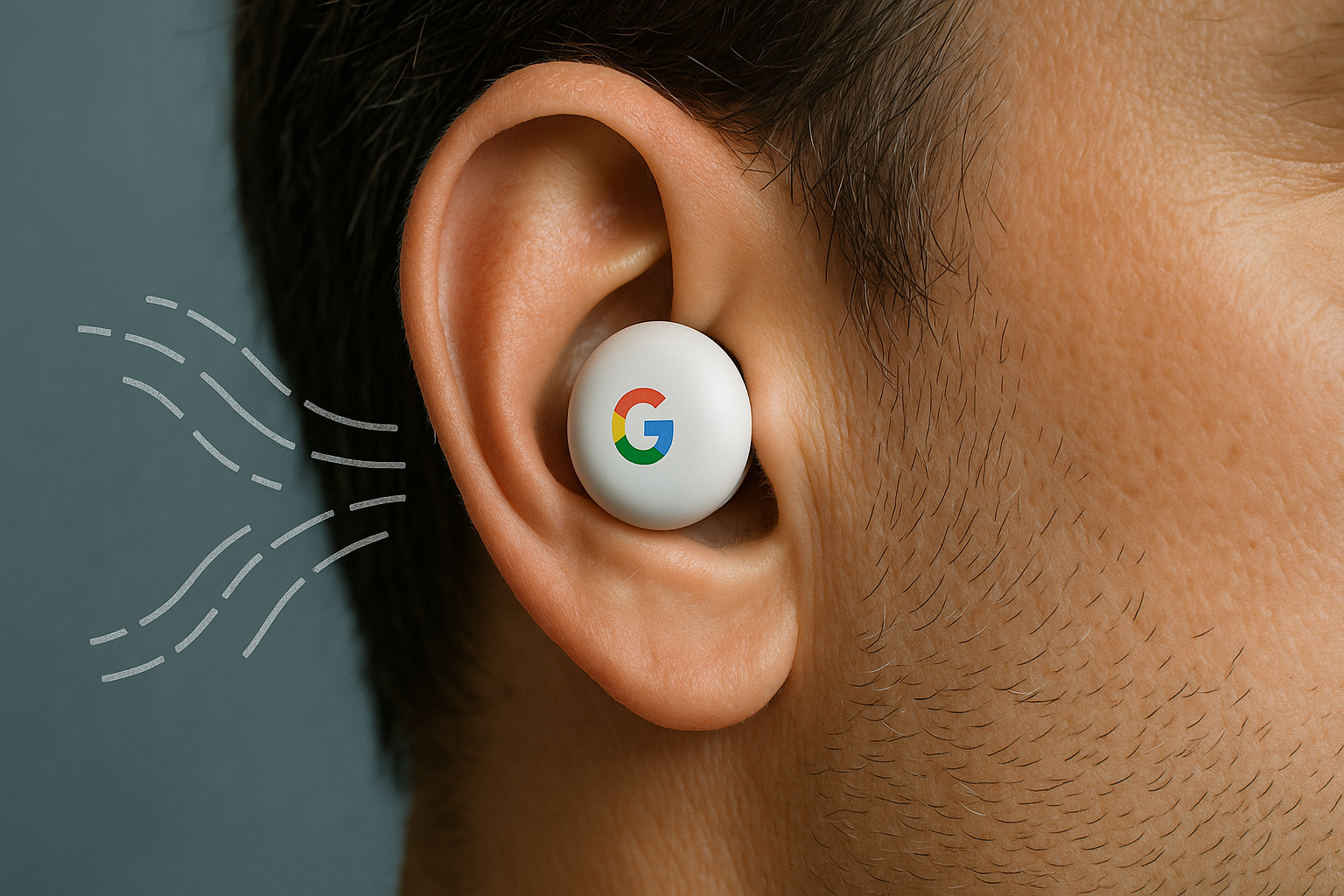
Your earbuds can now translate over 70 languages in real time with Gemini AI
Google is expanding the translation features in Search and its Translate app with new systems built on the Gemini AI model. The update introduces improved text translation and a beta version of live speech translation in headphones, giving users clearer and more natural results and bringing the experience closer to a real-world Babel Fish from The Hitchhiker’s Guide to the Galaxy.
The new text translation system uses Gemini 3 to handle idioms, slang, and local expressions with more context awareness. This lets the app produce translations that are closer to natural speech rather than direct word swaps.

Financial sector hit hard by breaches but ransomware seeks targets elsewhere
The banking, financial services and insurance (BFSI) sector has been the most targeted in 2025 accounting for 17.8 percent of all incidents (172 incidents out of 966) tracked in Cyble’s latest North American Threat Landscape Report.
The report describes a mature leak economy where a small cluster of prolific actors generate many listings, supported by a large ‘long tail’ of smaller sellers -- meaning BFSI data can be sourced by both major brokers and many opportunists.
Over a third of US adults now use AI every day
ChatGPT burst onto the scene just three years ago, but a new survey reveals that 34 percent of US adults now use AI platforms daily, and nearly half say they’re using them more than they were a year ago.
The survey, of over 1,000 from US adults, from Tinuiti shows that Gen Z and millennials are leading the AI charge. 67 percent of both groups use AI at least weekly. Platforms like ChatGPT, Google Gemini, Character AI, and Sora are carving out generational niches.
Most companies aren't measuring AI's environmental impact, new report shows
Companies are adopting AI quickly, but most still overlook the energy impact of the systems they use daily. New research suggests this gap is now large enough to affect electricity use in offices, data rooms and commercial buildings. Energy specialists say the problem could be turned into an opportunity -- if firms pay attention to how their AI tools work in practice.
The Thomson Reuters Foundation has published early findings from its AI Company Data Initiative, known as AICDI. The new study examines AI governance disclosures from 1,000 companies in 13 sectors. Built with UNESCO, it is described as the largest dataset that tracks how firms explain and oversee their use of AI.

Huawei's new Mate X7 foldable phone has a slimmer build, upgraded cameras and an improved hinge
Huawei has taken the wraps off its Mate X7 foldable phone at a new "Unfold the Moment" event in Dubai. The new device features a slimmer profile and a hinge system designed for repeated daily use. The Mate X7 comes in a nano fiber woven-style Brocade White finish, with vegan leather versions in Nebula Red and Black also available.
Huawei has made a number of improvements to its camera system, including the addition of new Ultra Lighting HDR Camera, an Ultra-Wide Camera and a Telephoto Macro Camera, as well as second generation True to Color Camera, which promises 43 percent better color accuracy. Video can be recorded at up to 17.5 EV HDR to capture brighter highlights and more shadow detail.

One in 25 digital identity checks flagged as fraudulent
Regulatory tightening across the EU and UK, including the EU’s new anti-money laundering package and platform-economy rules, as well as emerging age-assurance requirements around online safety, have pushed organizations to formalize identity checks at scale.
But identity verification provider Veriff has published its 2026 Identity Fraud Report, showing that 4.18 percent of all digital identity checks processed through its platform in 2025 were flagged as fraudulent – the equivalent of one in every 25 verification attempts across its global dataset.
How self-governing identity infrastructure can streamline policy enforcement [Q&A]
Managing identity is one of the more challenging cybersecurity tasks and can soak up a good deal of time and resources.
We spoke to Raz Rotenberg, co-founder and CEO of Fabrix Security, to discuss the rise of self-governing IAM systems that don’t just enforce policy -- but continuously adapt, reason, and remediate access in real time.

Microsoft massively expands the scope of its bounty program
Microsoft is just one of many technology firms that have a bounty program that offers financial rewards for anyone who discovers security flaws in its products and services. The company has just announced a huge expansion of the scheme so it even covers problems found in third party code.
Vice President of Engineering at Microsoft Security Response Center, Tom Gallagher, announced the broadened scope at Black Hat Europe. He stressed that “keeping our customers secure is our top priority”.
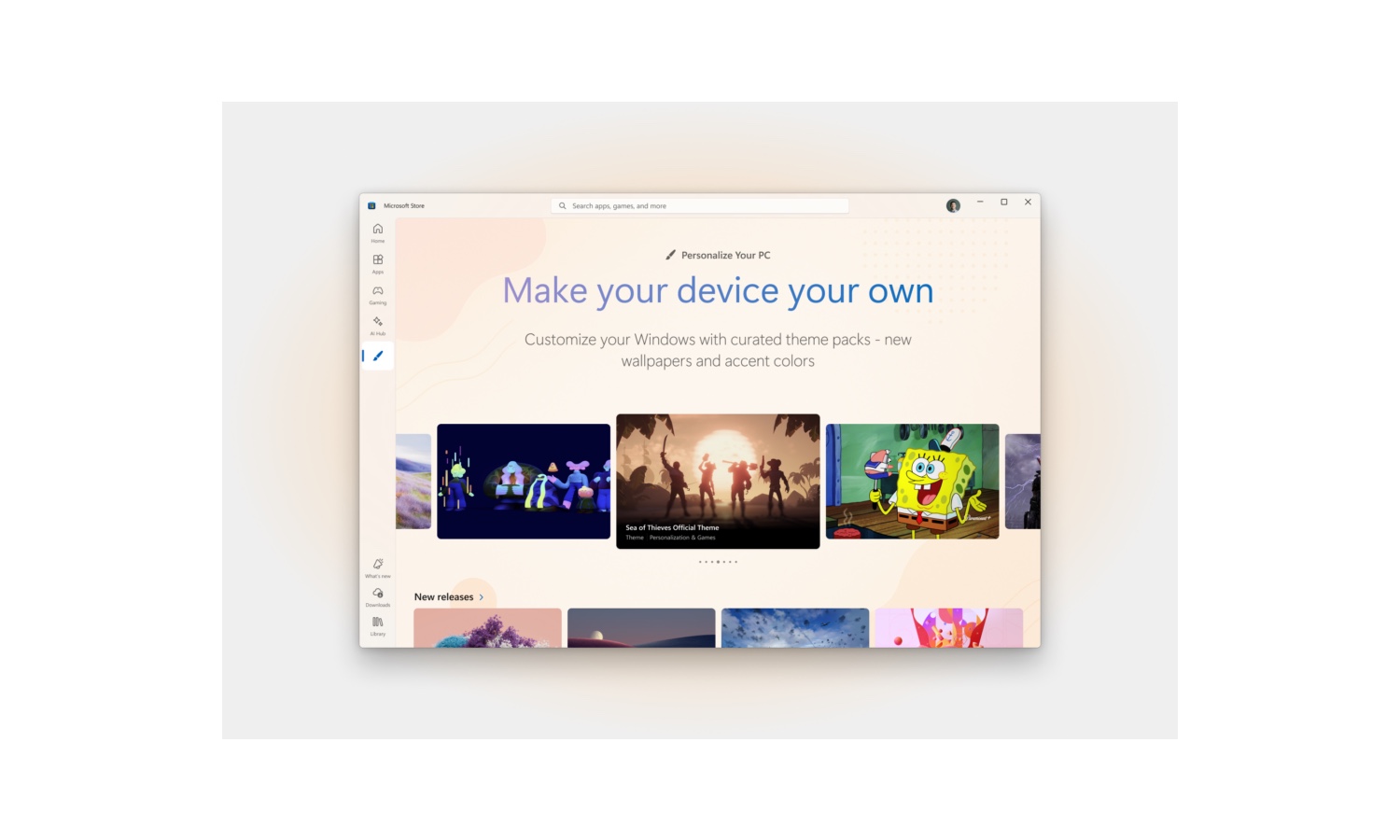
You can now grab a wide selection of Windows 11 themes from the Microsoft Store
The Microsoft Store app is where you tend to go to download apps and games, but Microsoft is expanding its range of stock.
The latest addition to the Store is a new Themes department, which Microsoft says gives users a way to stamp their personality onto their computer. There are hundreds of themes to choose from, many of which are completely new for the arrival of the Themes section.
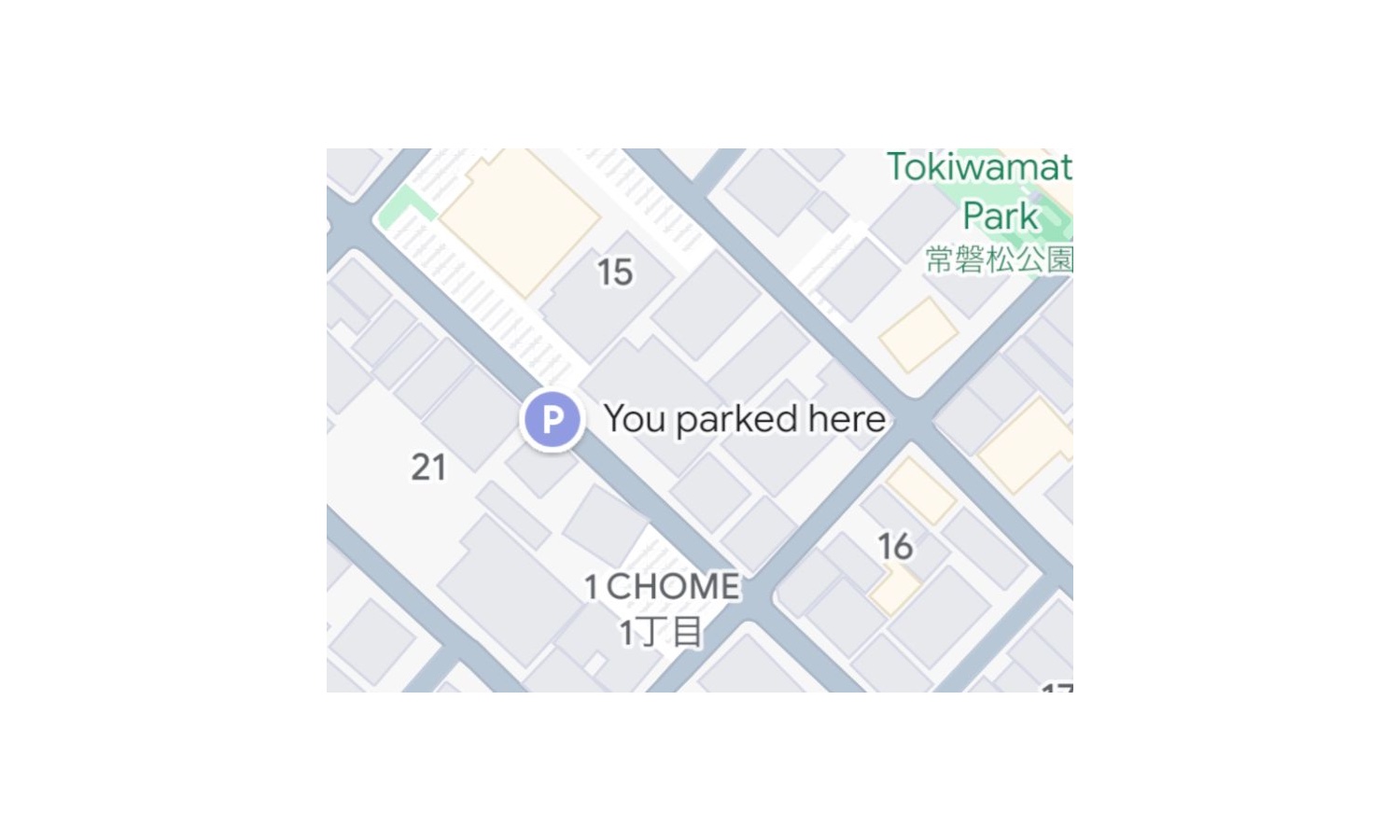
Google Maps now makes it easier for iPhone users to find their cars
Google has launched a new feature for iPhone users that could make owners of Android handsets a little envious. Anyone who has parked their car in an unfamiliar town or in a particularly gigantic parking lot will have experienced the panic of not being able to locate their vehicle – Google Maps is now on hand to help.
iPhone owners using Google Maps – yes, this breed of person does exist – can now have their parking location saved automatically. This is an upgrade of what is available to Android users at the moment.
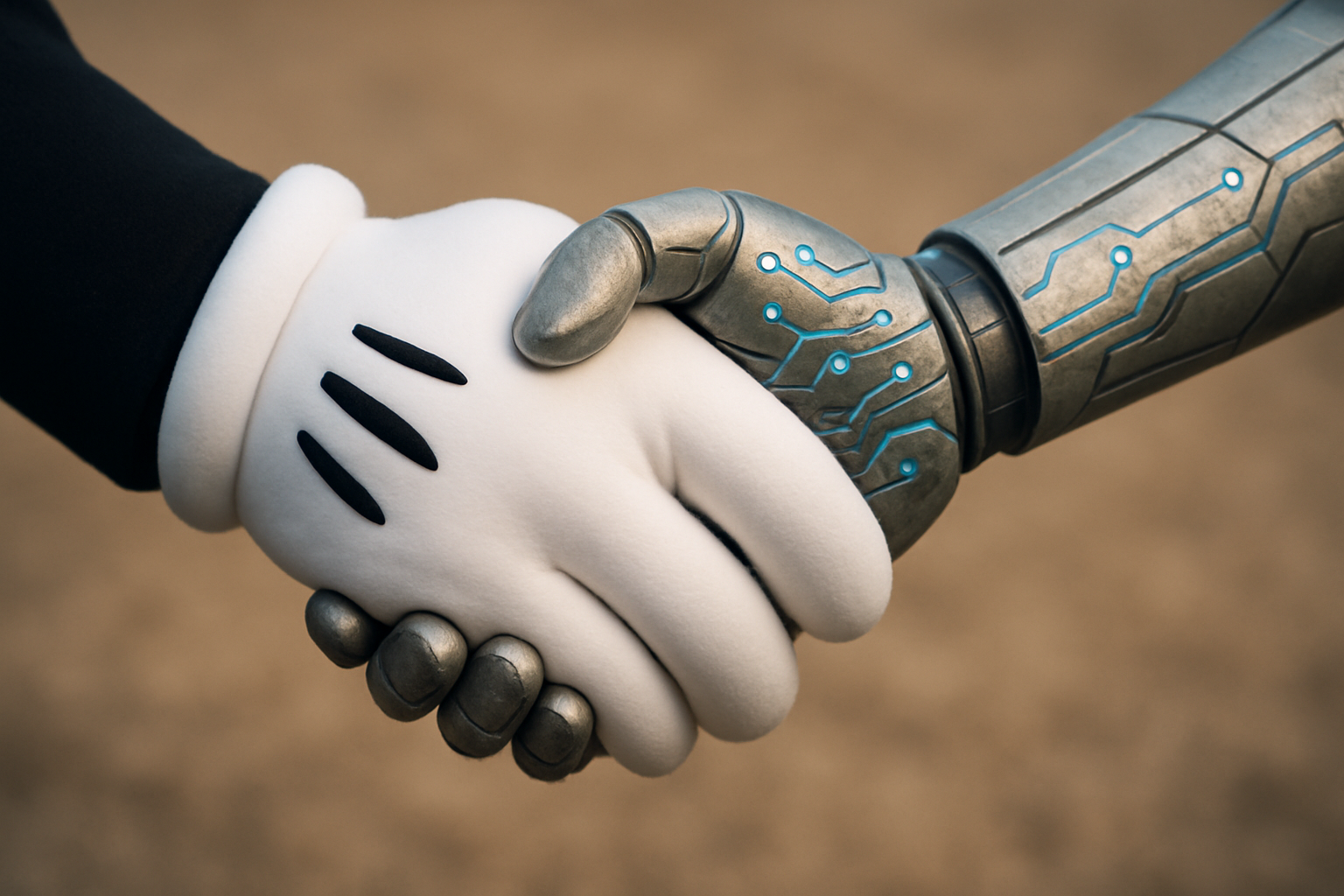
Disney and OpenAI strike deal to bring classic characters to Sora
As the old saying goes, if you can’t beat them, join them. AI generated video is already absolutely everywhere, and you're about to start seeing a lot more of it -- this time featuring a host of well known Disney characters. The Walt Disney Company and OpenAI have agreed a new deal that brings characters from the House of Mouse’s many brands to Sora.
The partnership links Disney’s library with OpenAI’s video generation tools and gives fans new ways to create and watch short clips. If you've ever wondered how Lady and the Tramp would react to sharing a meal with Pumbaa, you'll soon be able to find out.

GenAI lacks the creativity to make scientific discoveries [Q&A]
Generative AI is often praised for its ability to analyze data, summarize research and even propose scientific ideas, but new findings suggest its creative limits are more substantial than many of the exciting headlines imply.
Research led by Professor Amy Wenxuan Ding of emlyon business school and Professor Shibo Li of Indiana University found that while GenAI can imitate the process of science, it cannot yet produce the imaginative leaps that drive true discovery. In their study, which you can read here, a computer simulated experiment challenged ChatGPT-4 to solve a real genetics puzzle, asking it to propose hypotheses, design lab experiments and revise its thinking as results unfolded.

AI use grows in the workplace but organizations struggle to secure the human element
A new report reveals that security leaders are facing increased pressure in managing behavioral cybersecurity risk as the workforce transforms to include AI.
The study from KnowBe4, of 700 cybersecurity leaders and 3,500 employees, finds incidents relating to the human element surged by 90 percent in the past year. Examples of ways these incidents can occur include social engineering attacks such as phishing or business email compromise (BEC), risky or malicious behavior and human error.

Industrial routers on the front line of attacks
Attacks on operational technology (OT) are growing more automated and indiscriminate, Forescout Research- Vedere Labs’ latest honeypot analysis shows just how aggressively adversaries are probing industrial systems.
New data shows industrial routers are now the most attacked devices in OT environments, drawing 67 percent of all malicious activity in Forescout’s 90-day honeypot analysis.
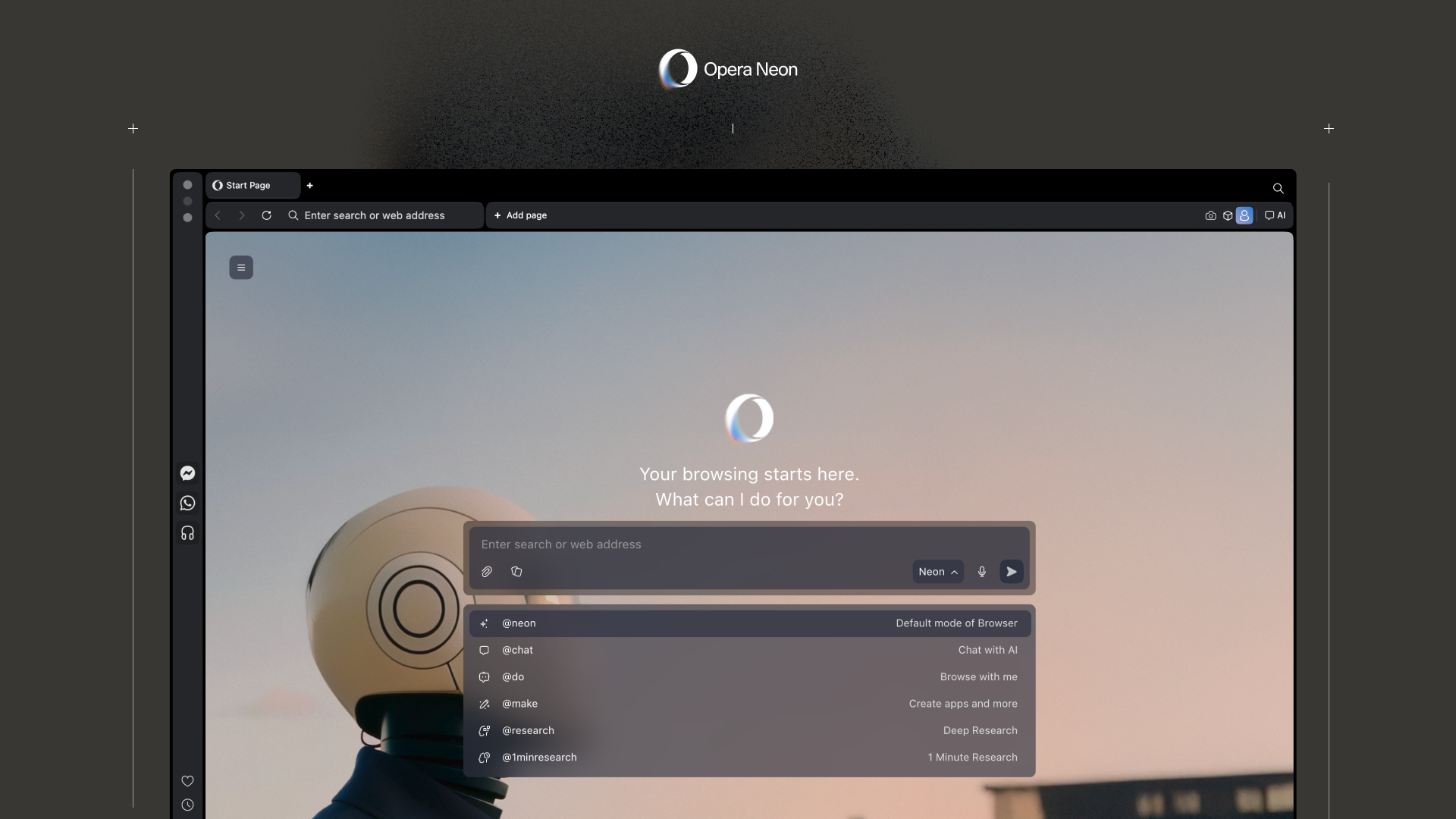
Opera Neon, Opera's experimental agentic AI browser, is now available to all
Two months after its invite-only debut, Opera’s experimental agentic browser, Opera Neon, is now available for anyone to download and try out. Neon is designed for people who want to work with emerging AI tools as soon as they become available.
The software has been in a closed "Founders phase" since early October, and the removal of the waitlist means anyone can now sign up to use it for $19.90 a month.