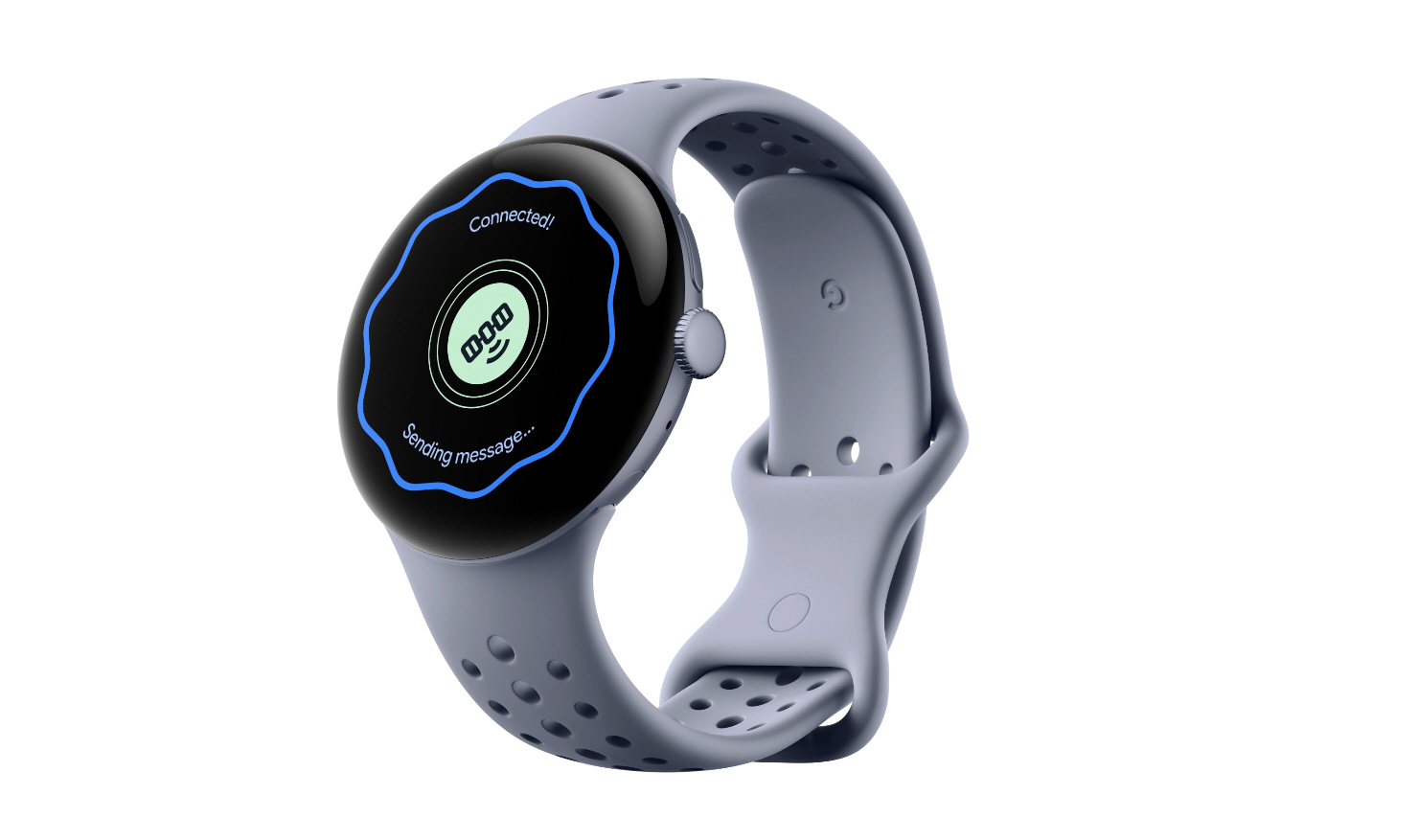
Pixel Watch 4 debuts with longer battery life, and new AI health coach
Google today launched the Pixel Watch 4 alongside its new Pixel 10 series of smartphones and Pixel 10 Pro Fold. The new wearable is, naturally, described as the most advanced Pixel Watch yet, with a redesigned look, longer battery life, new health features and AI tools powered by Gemini. Preorders start today, with general availability on October 9.
Pixel Watch 4 maintains the familiar circular design but introduces a new domed Actua 360 display, offering a 10 percent larger active area, slimmer bezels and brightness up to 3000 nits for visibility in sunlight.
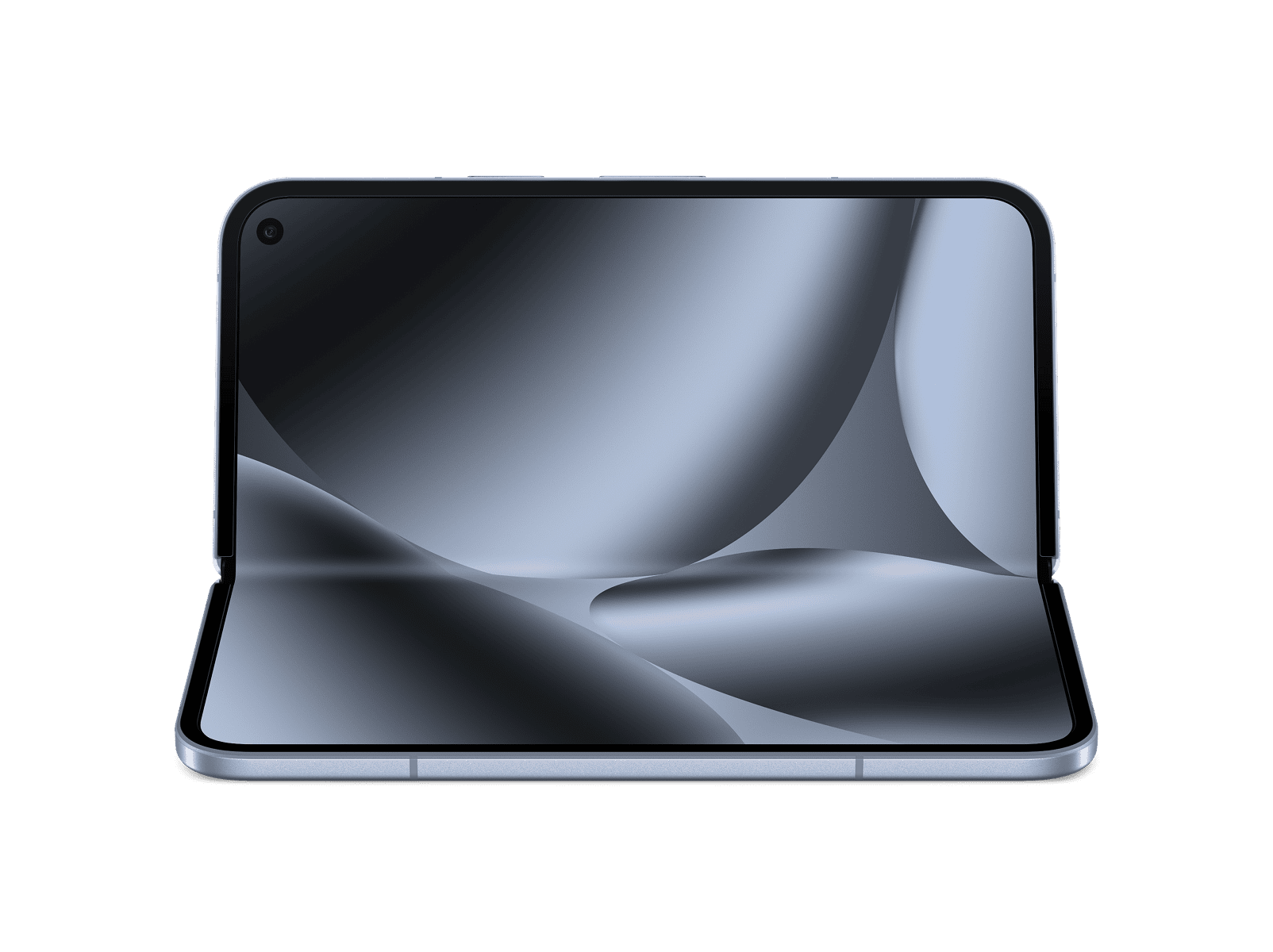
Pixel 10 Pro Fold launches as Google's most durable foldable yet
Alongside its range of 10th generation Pixel smartphones, Google has today introduced the Pixel 10 Pro Fold, which it describes as its most durable foldable phone yet.
The device features a new gearless hinge, upgraded displays, a bigger battery, IP68 water and dust resistance and a suite of AI tools powered by the Tensor G5 processor. Preorders begin today, with general availability on October 9.
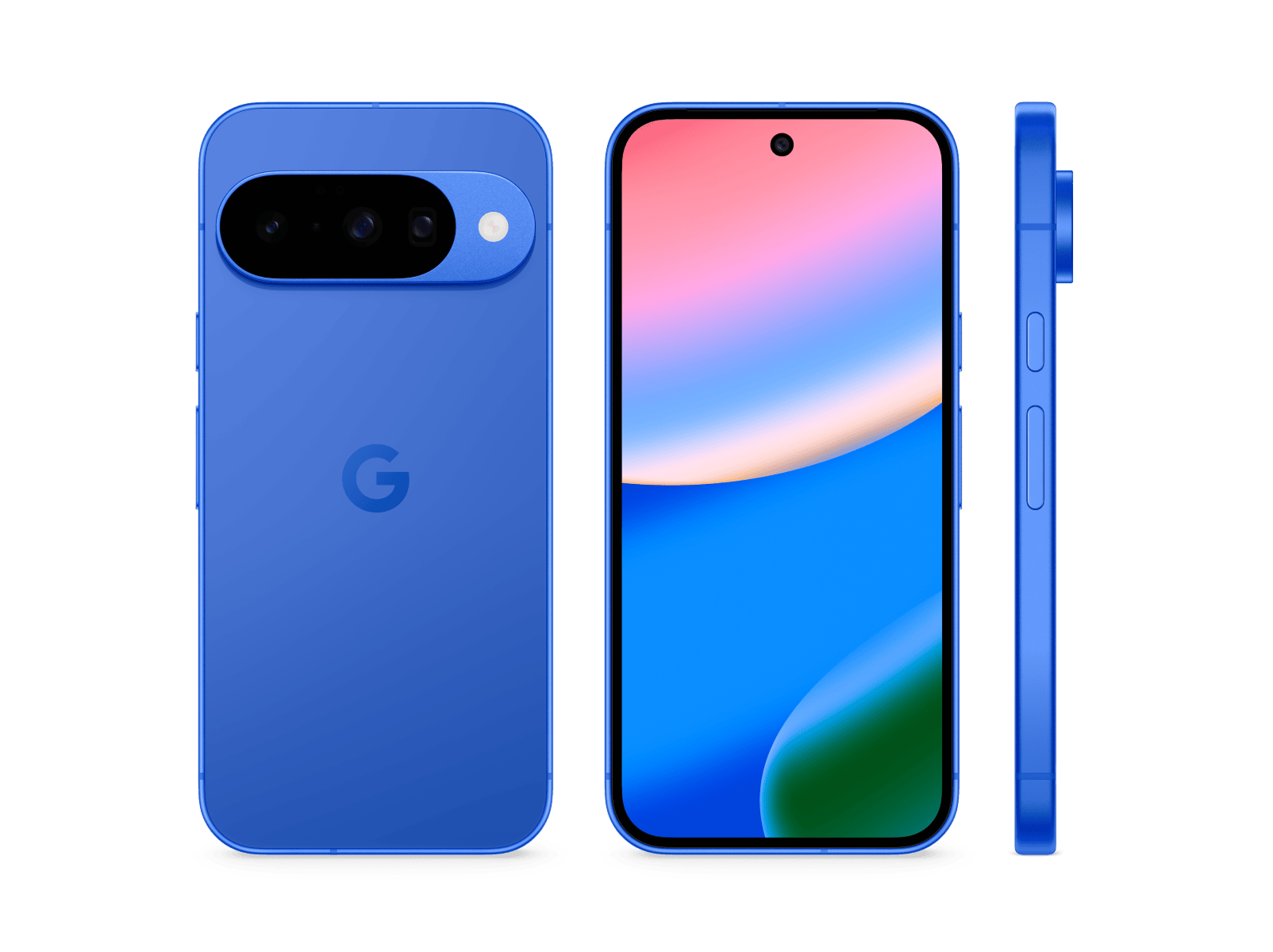
Google unveils Pixel 10, Pixel 10 Pro and Pixel 10 Pro XL smartphones with new AI powered features
Google has taken the wraps off its 10th generation of smartphones, the Pixel 10, Pixel 10 Pro and Pixel 10 Pro XL. The new lineup introduces a refined design, the Tensor G5 processor, and AI features designed to make the phones more proactive and helpful. Preorders begin today, with general availability on August 28.
Pixel 10 sports a satin metal frame, polished glass back and four colour choices: Obsidian, Frost, Indigo and Lemongrass. Its 6.3-inch Actua display now reaches 3000 nits for easier outdoor use, and upgraded speakers bring deeper bass for a better multimedia experience.
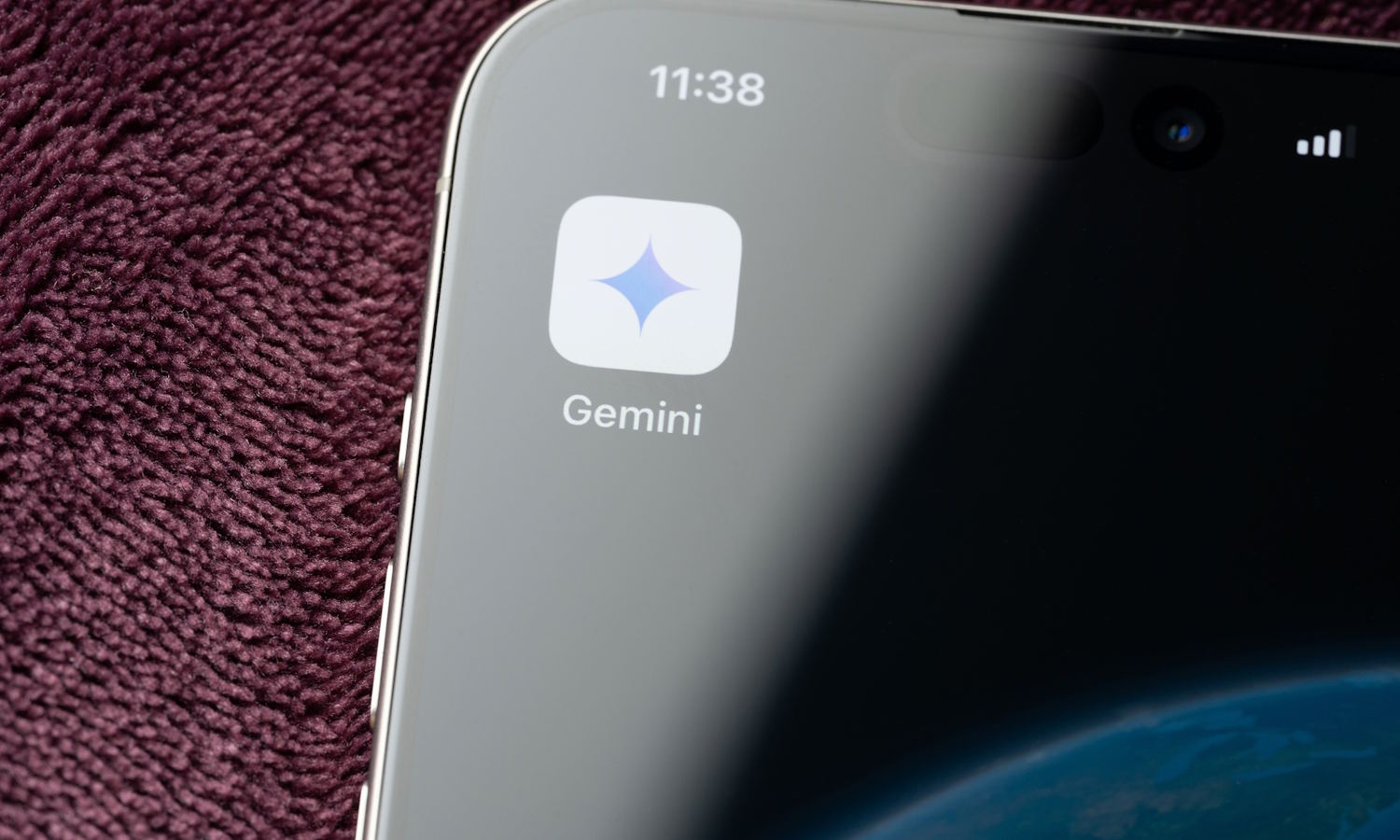
New Temporary Chats in Gemini stops Google remembering everything
Google has announced new features for Gemini and changes to the way the AI works. In launching a new Temporary Chats function, Google is really sneaking in the fact that Gemini will – unless you choose otherwise – remember everything you have said to it.
The ability of Gemini (which will be the default) to remember all of your past conversations is sold as a way to make it an “even more personal, proactive and powerful assistant”. There are, of course, privacy concerns.

ChatGPT now integrates with Gmail, Google Calendar and Contacts
OpenAI has confirmed the rollout of Gmail, Google Calendar, and Google Contacts Connectors in ChatGPT.
Available to Pro and Plus tiers, the connectors come hot on the heels of the recently added Box, Canva, Dropbox, HubSpot, Notion, Microsoft SharePoint, and Microsoft Teams integrations. By granting ChatGPT access to Gmail emails, Calendar entries and Contacts data, the AI should be able to provide more personalized and relevant information.
AI firm Perplexity makes ridiculous bid to buy Chrome from Google
Chrome has not been put up for sale, but that has not stopped AI startup Perplexity from putting in a bid to buy the web browser from Google.
While on the face of things the $34.5 billion bid seems large, it has been widely dismissed as being a fraction of Chrome’s real value. So, what is the deal with Perplexity trying to snap up the most popular web browser in the world?
Google Pay adds new ways to make web payments easier
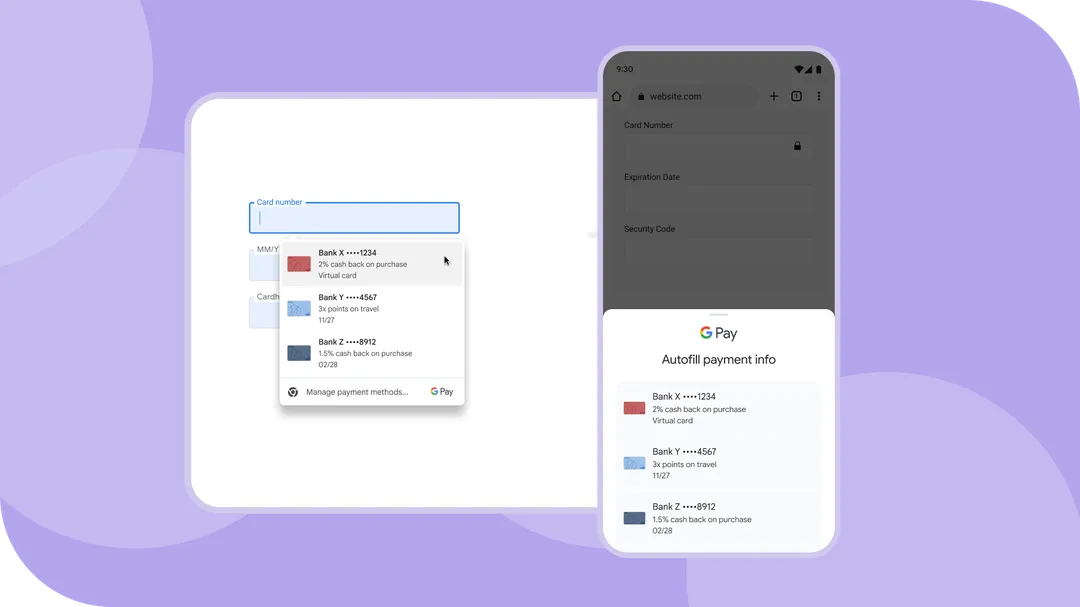
Google Pay has announced three new features which it says will make online payments simpler and more flexible for shoppers. The update focuses on providing more choice, convenience and value, and covers both everyday purchases and larger transactions, as well as international money transfers.
For US buyers, Chrome’s autofill feature will now display reward details for over 100 credit cards, expanding from the smaller set previously supported. This addition makes it easier to see which card offers the best benefits for a specific purchase before checkout.

Business is booming for AI assistants as they take on bigger roles
The AI assistant market is projected to grow from $3.35 billion this year to $21.11 billion by 2030, according to Indian research firm MarketsandMarkets.
This represents a compound annual growth rate of 44.5 percent, with North America forecast to have the largest share during that five year period.
Salesforce attack exposed Google Ads customer data
Google has revealed more details about an attack on one of its corporate Salesforce instances. The company now says that the attack exposed user data of Google Ads customers.
The security issue was spotted by Google Threat Intelligence Group (GTIG) back in June. Activity by UNC6040 – described as a financially motivated threat cluster that specializes in voice phishing (vishing) – hit Salesforce and subsequent investigations have revealed the extent and impact of the attacks.
Google is testing an iOS-style navigation feature for Chrome
Talent borrows, genius steals – or so the saying goes. In the world of software, there is certainly a lot of borrowing of ideas, and Google is no stranger to bringing influences from other browsers to Chrome.
The latest example sees Google copying an idea that was implemented by Apple some time ago. Designed to aid navigation, Chrome now has a “predictive back animation” much like the one that was introduced in Android 16 for app navigation. But just what does this latest feature mean for users – and when can you expect to see it?

Google makes cheaper YouTube Premium Lite available more widely
Google has announced that it is expanding the availability of the recently added cheaper tier of YouTube Premium. The YouTube Premium Lite package costs a little over half the price of the regular YouTube Premium subscription which should serve as a lure to potential customers who have been sitting on the fence.
The lower price, inevitably, means having to make some compromises, but YouTube Premium Lite delivers what most people will be looking for – a broadly ad-free experience on YouTube.
Google is injecting more AI into searches with Web Guide
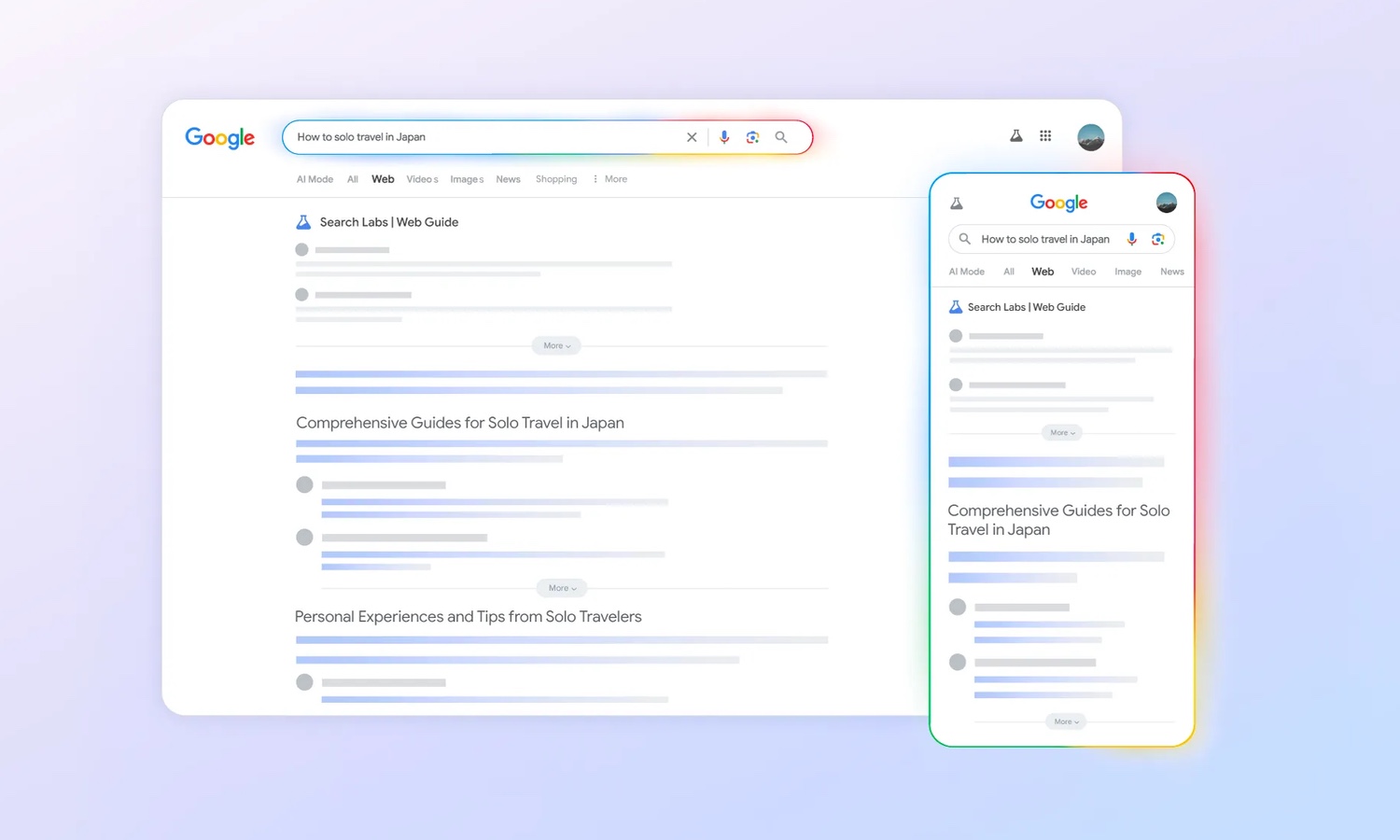
With interests in both web searching and AI, that Google has blended the two should surprise no one. With the launch of Web Guide, the company is taking things a step further.
At the moment, the new Web Guide is both optional and experimental. This is not necessarily a vision of what Google has in store for its search engine, but it very likely is. This time around, Google is turning to artificial intelligence to change the way in which search results are displayed.
New report says Android users are better at avoiding scams than iPhone owners
A new analysis of smartphone security habits reveals that Android users are safer online than their iPhone counterparts. Based on data from over 1,300 people in the US, UK, Austria, Germany, and Switzerland, the report from Malwarebytes highlights key differences in how Android and iPhone users behave, and how those choices impact their chances of falling for online scams.
According to the research, Android users more often use security tools, make smarter purchasing decisions, and protect their accounts with stronger passwords. They are also less likely to fall for scams.
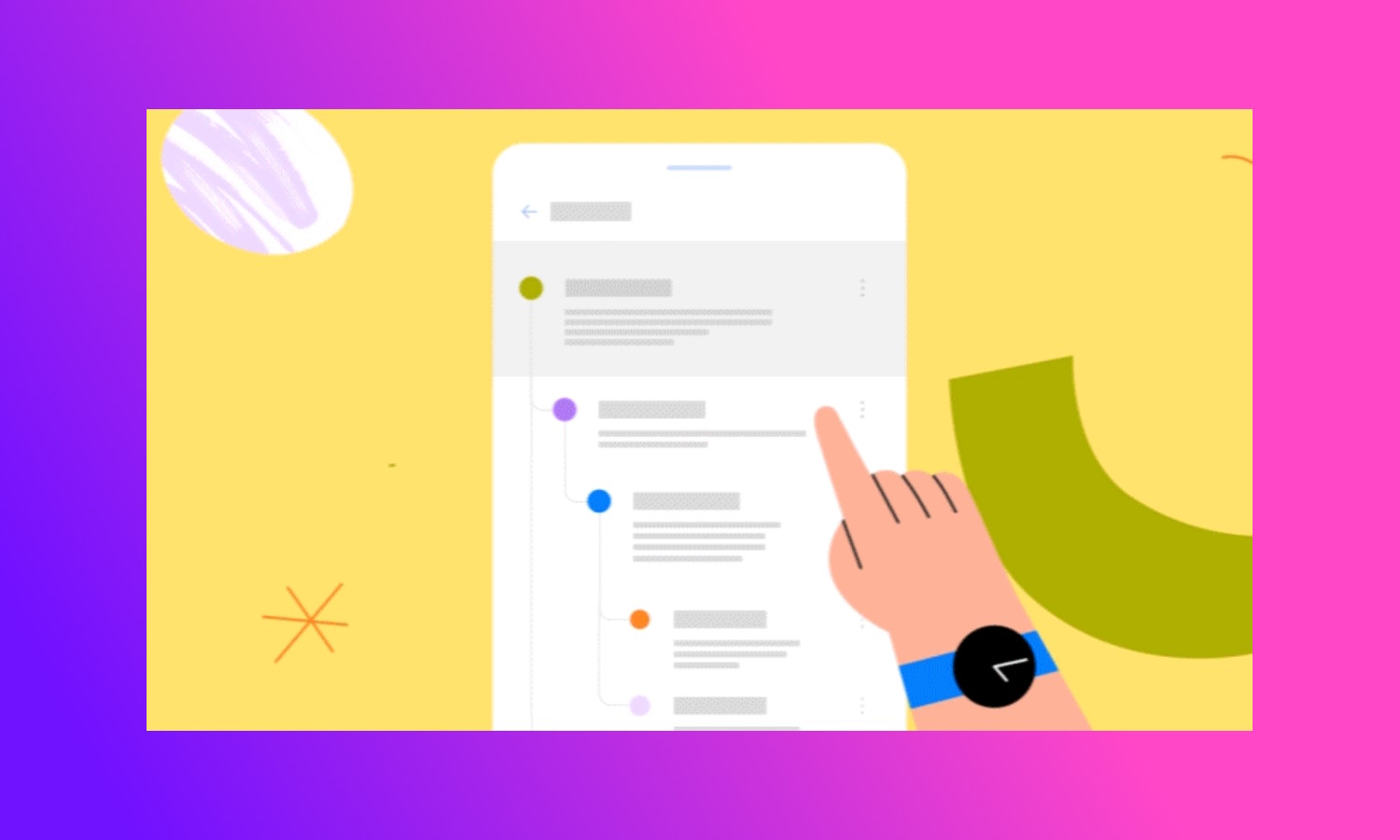
YouTube is experimenting with comment threading
Following the lead of just about every website and social platform, YouTube is introducing comment threading. But before you get too excited about gaining the ability to view nested replies and being able to follow conversations more easily, there are a couple of quirks.
Firstly, this is – for now, at least – limited to the iOS and Android apps, so if you access YouTube via a web browser, you are out of luck. Secondly, this is an experiment so try not to get too attached to it.
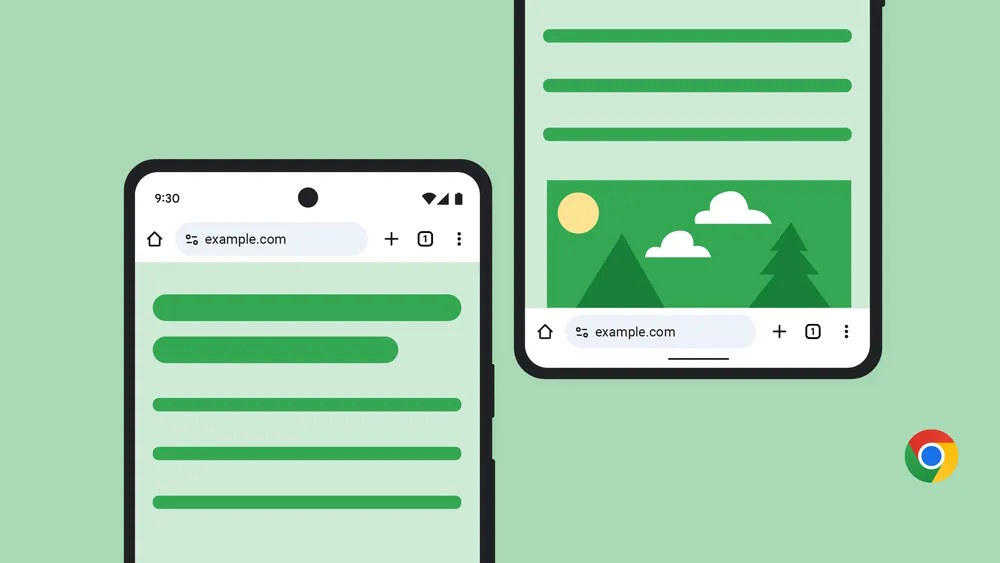
Google Chrome address bar – are you a top or a bottom?
Across all platforms, Google Chrome remains one of the most popular – if not the most popular – web browser. But while the desktop version of the software is versatile, customizable and flexible, the same cannot be said of the mobile apps.
And this is why an announcement made by Google several weeks ago caused a flurry of excitement. On the face of things, the news that it would be possible to move the address bar from its familiar position at the top of the browser may not seem huge, but now that it is rolling out, it is becoming clear that it is actually pretty significant for Android users.