Apple says FBI case is the start of a slippery slope to mass surveillance via iPhone
The battle between the FBI and Apple over access to the San Bernardino shooter's iPhone is turning into little more than a battle of wills. Both sides are using the case to make a point; Apple posits that unlocking the phone would set a dangerous precedent, the FBI says not unlocking the phone amounts to aiding terrorists.
There have been heavy words thrown from both sides, and the latest round of blows sees Apple claiming that the FBI could follow up its phone unlocking demand with a demand to switch on iPhone cameras and microphone for the purposes of spying on users. "Where will this stop?" asks Eddy Cue. "Some day, someone will be able to turn on a phone's microphone. That should not happen in this country".
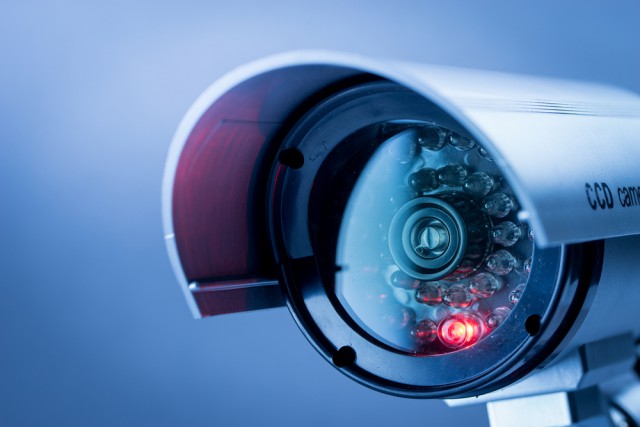
The majority of CCTV cameras can be easily hacked
Your CCTV camera might make you feel physically safer, but after reading this article, it will sure make you feel virtually vulnerable. New research from cloud-based video surveillance company Cloudview suggests that the majority of CCTV systems can be hacked, providing an open door to cyber attackers.
The report, entitled Is your CCTV system secure from cyber attack?, says there are "major vulnerabilities" in both traditional DVR-based CCTV systems, as well as cloud-based video systems. Hackers can "easily" hijack connections to the device’s IP address, putting a lot of people, their properties and data at risk.
Majority of enterprises suffer from security blind spots
A majority of Global 2000 companies have areas within their networks that are not properly analyzed according to a new report.
The survey from network security company ForeScout Technologies, conducted by research firm Frost & Sullivan, says these 'blind spots' can lead to costly breaches due to unknown applications, traffic, devices and users operating insecurely on a corporate network.
Erin Andrews gets $55 million for peephole video that will never go away
What happens in Vegas may stay in Vegas, but what happens online is yours forever. Things posted don't simply go away -- a problem many of today's youth will face in the future. However, it's also a problem people have to come to terms with right now, even when it's not online intentionally.
That's the case with sportscaster Erin Andrews, who was videotaped naked in her hotel room through the peephole of the room's door. Yes, it made for huge views and sensational news, but it also damaged a human being.
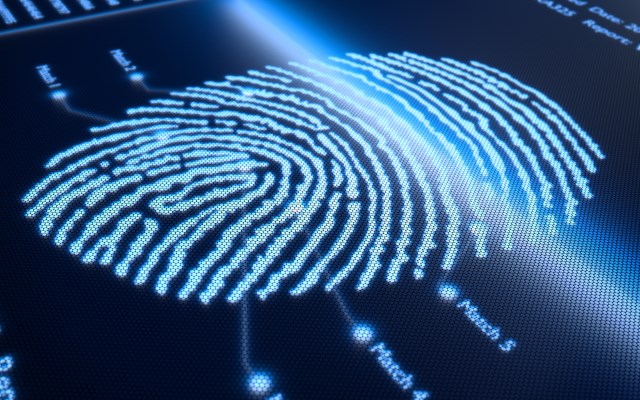
A printed fingerprint can fool your expensive smartphone
You could, quite easily, pull off a McGyver on a Samsung Galaxy S6 or a Huawei Honor 7 phone. Security researchers have discovered a way to trick these two phones and unlock them through the fingerprint scanner, using an inkjet printer, a few drops of conductive ink and special paper usually used for printing electronic circuits.
Here’s what they did: they took scans of a couple of fingers, and just printed them, in two dimensions, on paper using conducive ink, which conducts a charge. They printed it on special paper used for printing electronic circuits and other charge-carrying systems. Pressing the prints against the fingerprint scanner managed to unlock the two phones.
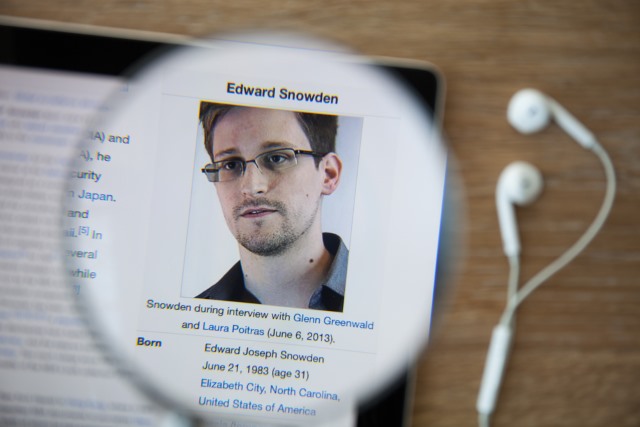
The FBI wants you to think Apple is a terrorist sympathizer
Speaking at the Common Cause Blueprint for a Great Democracy conference in Moscow via video link, Edward Snowden gave tech writers around the world an excuse to swear in headlines. Dismissing the FBI's claims as 'bullshit', the former NSA contractor says that Apple's involvement is not needed for the law enforcement agency to unlock the San Bernardino shooter's iPhone.
Snowden is not alone in decrying the demands being made by the FBI that Apple should create custom firmware to allow it to bypass the lock screen of the iPhone at the center of the terrorism case. He's one of a growing band of people convinced that the FBI is using the San Bernardino as a PR exercise. Apple has been criticized for being unhelpful, but more than this, the FBI is painting a picture that shows Apple as a terrorist sympathizer.
Android Trojan targets customers of major banks and can bypass 2FA
Researchers at security company ESET have uncovered a new strain of Android malware that can steal the login credentials of mobile banking users.
Named Android/Spy.Agent.SI, the malware presents victims with a fake version of the login screen of their banking application and locks the screen until they enter their username and password.

Enterprises struggle to implement security without harming other business initiatives
While data security has become a priority for management, many businesses are still struggling to incorporate it effectively into their organization.
A new Data Security Survey from Dell reveals that although the C-suite recognizes the benefits of data security, organizations are still struggling to develop programs that effectively incorporate security strategies without detracting from other business initiatives.
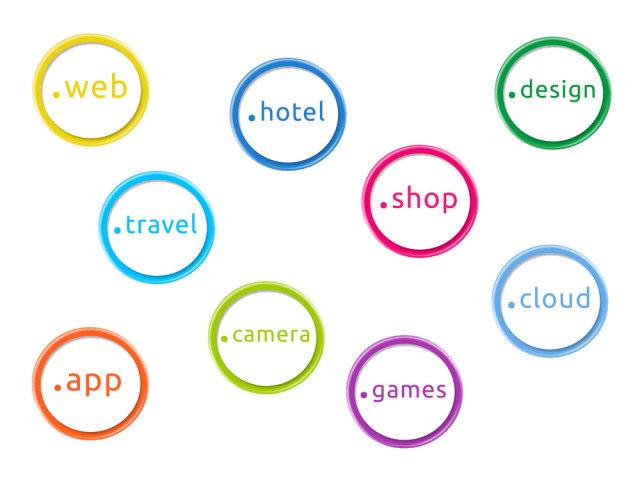
Consumers do not trust websites with new domains
According to a new study from global cyber security and risk mitigation firm NCC Group, over half of consumers (52 percent, up three percent from last year) do not feel comfortable visiting websites ending in new domains.
In fact, just two per cent of the 10,000 consumers surveyed in the Trust in the Internet Study 2016 said they feel extremely comfortable visiting the new generic top-level domains (gTLDs).
FBI should break Apple's encryption and keep it a secret
At the end of last month, Apple released a letter to its customers protesting about a US court order that could force the company to give the FBI a back door entry to individual iPhones. The case has brought the debate about government access to personal data and the protection of civil liberties to the fore once again. It has also made society and industry look more closely at the mechanics of data encryption and ask what makes the technology effective.
At its most basic, encryption provides a layer of protection for data at every stage of its journey from sender to recipient. If anyone tries to intercept or access the data without permission, they find themselves with a screen full of unintelligible gobbledygook. But encryption is only strong if there are no weak links in the chain. Apple argues that the FBI’s court order requesting a back door into its OS (Operating System) would force the company to create such a weak link in its encryption. This would undoubtedly speed up investigations of high profile crimes, but would come at high cost to the millions of law abiding iPhone users.
GCHQ: US and UK tech firms need to work together to solve encryption challenges
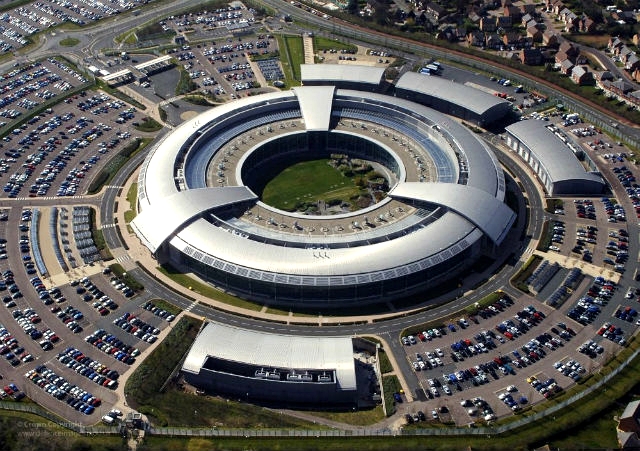
The head of GCHQ, Robert Hannigan, has called for greater co-operation between tech companies and governments. Speaking at the Massachusetts Institute of Technology, Hannigan referred to the "highly charged atmosphere" surrounding the encryption debate in a barely-concealed reference to the on-going battle between Apple and the FBI.
He said that in the coming months Prime Minister David Cameron will set out plans to improve the relationship between tech companies and intelligence agencies. He was at pains to stress that the controversial snooper's charter (or Investigatory Powers Bill) would not be used as an excuse to allow governmental spying or to introduce a ban on end-to-end encryption.
The spam map of the United States
What do California and New York have in common? They're both major centers of spam email according to new research, between them accounting for almost half of spam sent in the US.
The study from Comodo Threat Research Labs examined all of the email Comodo filtered for customers in the second half of 2015, specifically looking at spam, and conducted an IP address analysis of the millions of pieces of email spam that came into the Threat Research Labs.
Security pros believe an encryption backdoor is open to abuse
The Government wants backdoor access to our devices so that it can protect us from terrorists and defend matters of national security. Even if its intentions are good, there are people out there that would abuse such a feature, security professionals attending the RSA conference agree.
Endpoint protection and response, security and compliance solutions company Tripwire surveyed 198 security professionals at the RSA Conference 2016 in San Francisco. Out of those surveyed, 81 percent said it was certain (or at least very likely) that cyber-criminals would abuse the government’s access to encrypted data via a backdoor.
Hillary Clinton says ¯\_(ツ)_/¯ about Apple-FBI encryption battle
It seems that just about everyone has something to say about the on-going battle over encryption that is raging between Apple and the FBI. While tech firms have rallied behind Apple's decision not to help the FBI bypass the lockscreen of the San Bernardino shooter's iPhone, Donald Trump has taken the opposing view and called for a boycott of Apple products.
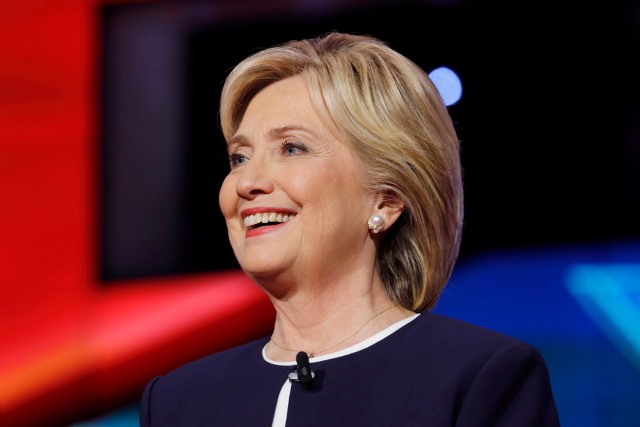
Presidential hopeful Hillary Clinton is taking a more pragmatic approach. Describing the situation as "the worst dilemma ever", the former First Lady refused to side with either Apple or the FBI, saying "I am not expert in any way to tell you how to do it".
Sharing passwords is a bad idea, yet people still do it
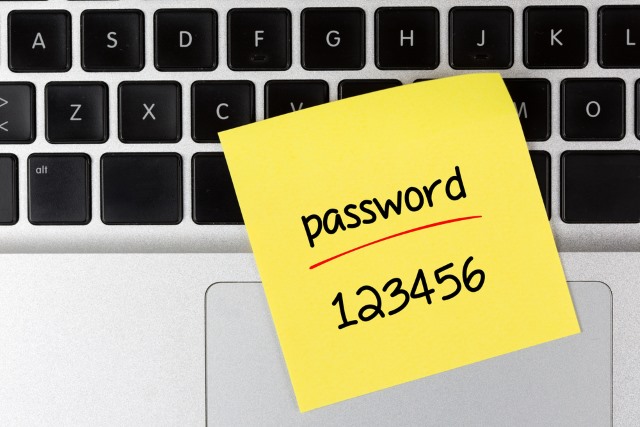
A lot of people like sharing their passwords with others, even though such actions put their data at risk -- and they know it. Those are the results of a new survey commissioned by password management firm LastPass, and conducted by RedShift Research.
According to the survey, more than half (55 percent) of UK’s consumers share passwords with others, jeopardizing their financial information in the process. They know that’s risky -- three quarters (75 percent) have confirmed it -- but still, 96 percent have admitted sharing up to six passwords with others.