
Meta bans RT and other Russian state media from Facebook and Instagram
Citing "foreign interference activity", Meta has introduced a global ban on Russian state media outlets on its social media platforms. The move is fueled in part by concern about attempts by Russia to influence the 2024 US presidential election.
The ban, which is coming into force over the next few days, means that the likes of RT (formerly Russia Today) and Rossiya Segodnya will no longer have access to Facebook, Instagram, WhatsApp and Threads.
Google partners with the Internet Archive’s Wayback Machine to enhance search results
You may remember that earlier this year Google took the decision to retire cache links from its search results. At the time this caused annoyance and frustration, but these feelings were tempered by the possibility of some form of future resurrection of the feature.
And now that time has come. Teaming up with the Internet Archive, Google search results now link back to cached Wayback Machine versions of pages in addition to the one that is currently live. The Internet Archive sees it as a continuation of its “commitment to preservation”.

Meta is training its AI using an entire nation’s data… with no opt-out
The question of how to train and improve AI tools is one that triggers fierce debate, and this is something that has come into sharp focus as It becomes clear just how Meta is teaching its own artificial intelligence.
The social media giant is -- perhaps unsurprisingly to many -- using data scrapped from Facebook and Instagram posts, but only in Australia. Why Australia? Unlike Europe where General Data Protection Regulation (GDPR) necessitated Meta to give users a way to opt out of having their data used in this way, Australia has not been afforded this same opportunity. What does this mean?
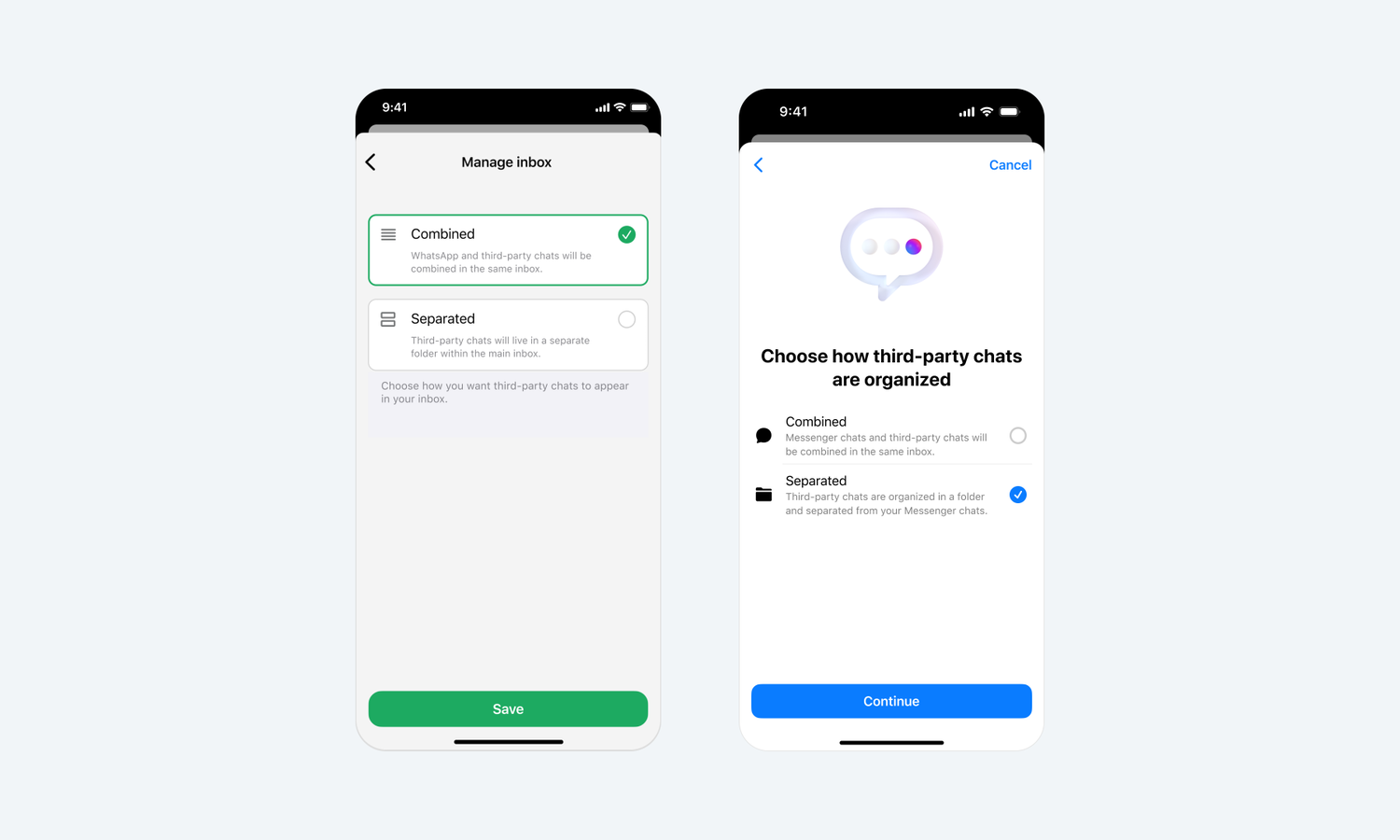
Meta reveals more details of WhatsApp and Messenger's interoperability with third-party messaging services that's coming to Europe soon
There are many frustrations to complain about in relation to messaging apps, but one of the biggest has to be the fact that the vast majority of platforms do not talk to each other. Facebook Messenger can only be used to talk to other Facebook Messenger users, WhatsApp can only be used to communicate with other WhatsApp users, and so on. But this is about to change.
At least it will change for people in Europe. In response to the Digital Markets Act (DMA), Meta is working towards making it possible for WhatsApp and Messenger users to enjoy cross-platform interoperability by enabling third-party chats. This has been in the pipeline for a while, but the changes are now imminent and more details of how it will all work have been revealed.
Microsoft builds on past Windows 11 taskbar improvements with enhanced app pinning
The taskbar and Start menu continue to be features of Windows 11 that divide opinion. And, for better or worse, Microsoft is continually changing things up and making evolutionary developments.
A good example of this is when app pinning was updated so it was possible to drag and drop apps pinned to the Start menu onto the taskbar in order to pin them there as well. Now the company has introduced another significant improvement to taskbar/Start menu pinning that helps to make life much easier.
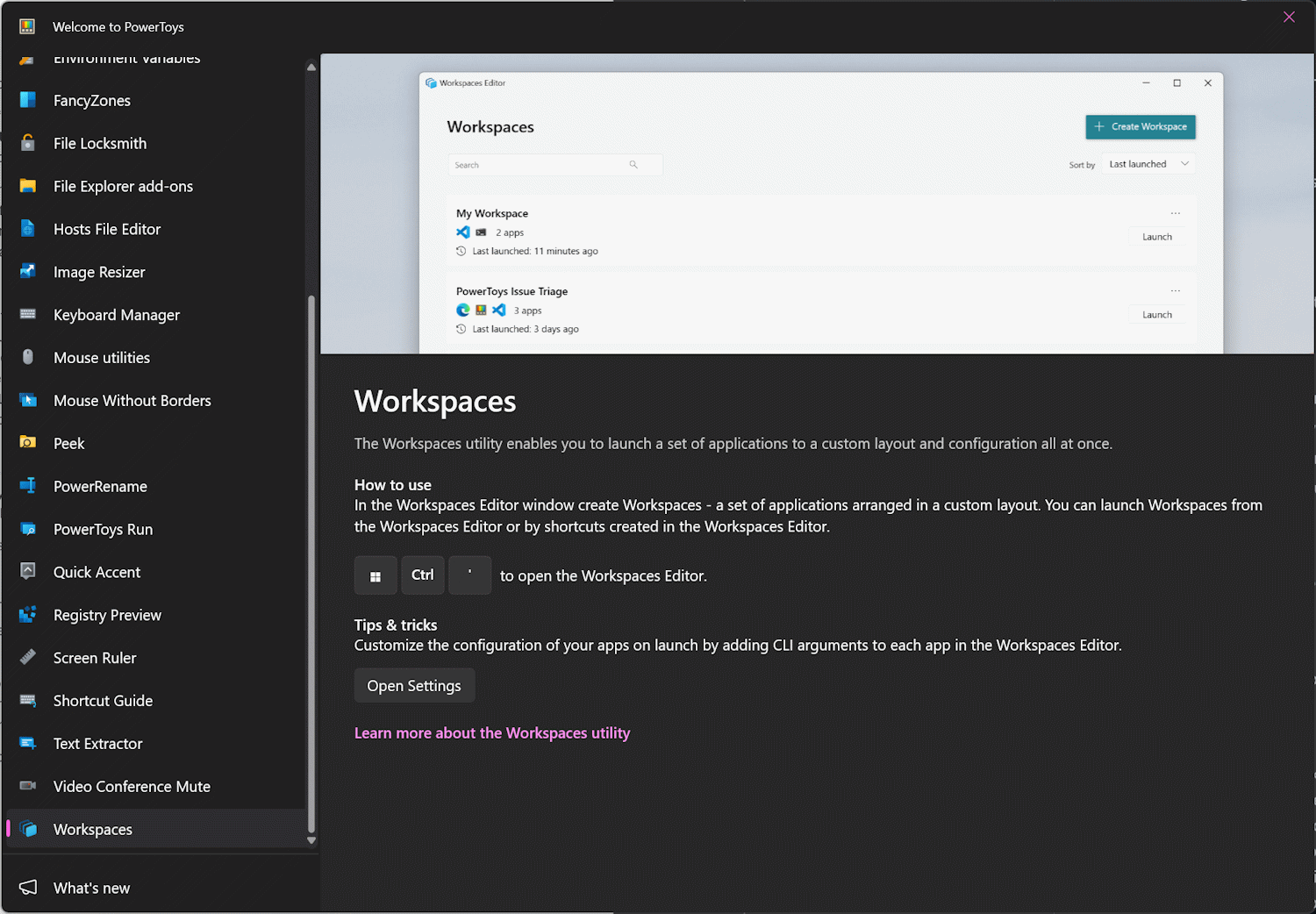
Launch multiple apps at once with the new Workspaces module in Microsoft PowerToys v0.84.0
The time has come for PowerToys users to celebrate not just the release of a new version of the utility collection, but the addition of a new module. As previewed recently, there is now a new tool called PowerToys Workspaces that can be used to launch multiple apps from a single shortcut.
But more than just making it possible to launch a number of apps simultaneously, PowerToys Workspaces allows for these apps to be launched in saved layout and with configurations. Workspaces is by far the highlight of the newly released PowerToys v0.84.0, but there is plenty more in this update as well.

False alarm! Microsoft says that Windows 11 users will NOT be able to uninstall controversial Recall feature
For anyone using Windows 11 who was hoping to steer clear of the upcoming Recall features, there was a glimmer of hope last week. The KB5041865 update for the operating system included the option to uninstall the controversial activity snapshotting feature, much to the delight of many.
But now Microsoft has dashed the hopes of those with privacy and security concerns, saying that the ability to uninstall Recall was a bug and that it would be fixed. What this means in practice is that Recall will be installed on all Windows 11 machines, and while it can be disabled, it cannot be uninstalled.

As promised, Incase is reviving a range of discontinued Microsoft peripherals in the coming weeks
It is now almost a year-and-a-half since Microsoft decided to kill off a range of PC accessories. Large numbers of Microsoft-branded mice, keyboards and other peripherals were dropped as the company switched focus to Surface-branded kit.
Earlier this year, it was revealed that Onwards Brands would take over many of the discontinued items, rebranded as "Incase Designed by Microsoft" products. Now the company has confirmed that the first batch of products will be available before the end of the year, including the Sculpt Ergonomic Mouse.
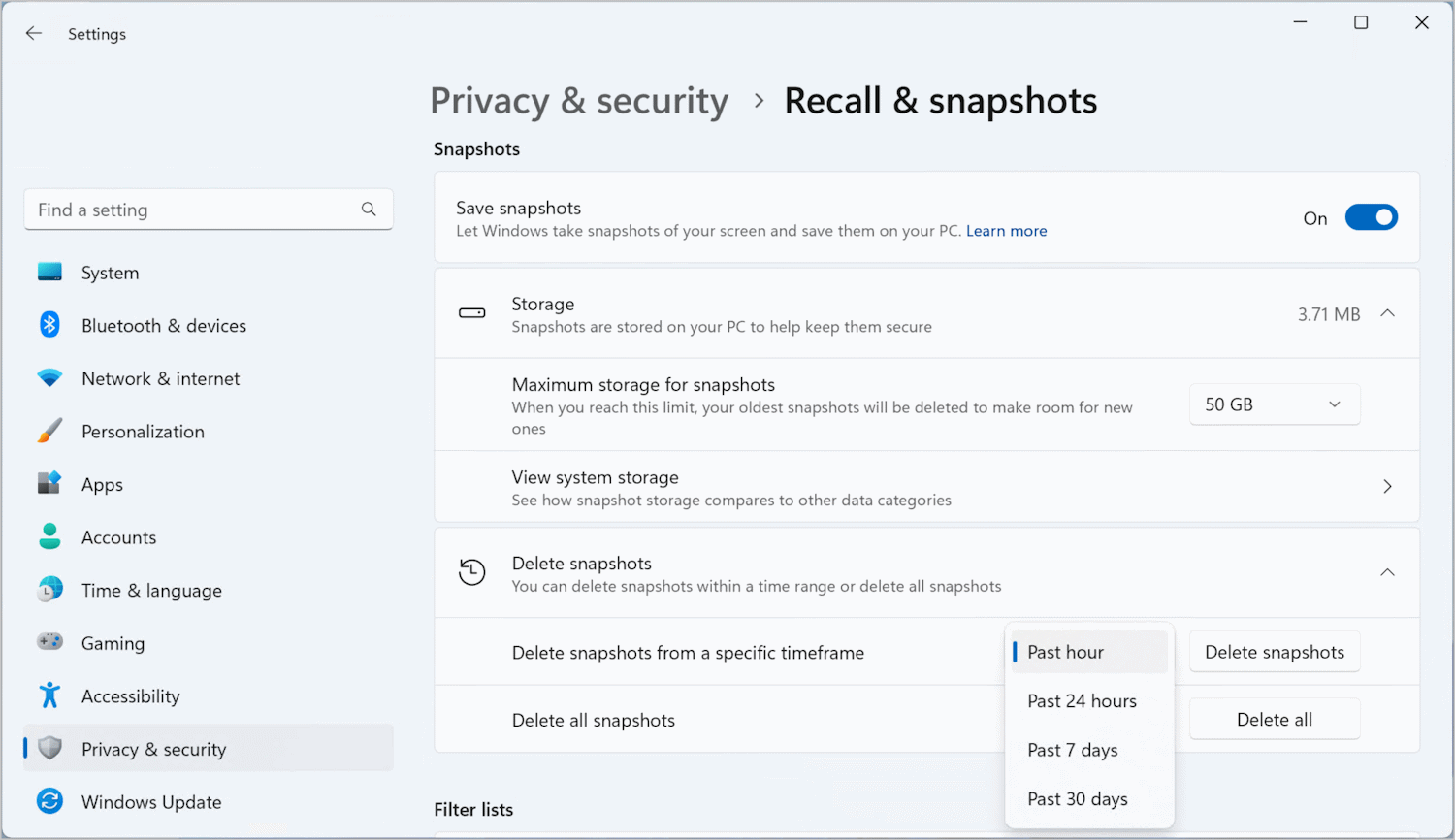
If you're worried about privacy and security, you'll be able to uninstall Recall from Windows 11
The Recall feature of Windows 11 has not even launched yet, but it has proved endlessly controversial since it was first announced a few months back. Microsoft says that Recall will help users retrace their steps by taking snapshots of activity every few seconds, providing a way to step back in time and jump to an earlier activity.
Such was the uproar about the security and privacy implications of the feature, Microsoft has already made concessions. The company first pulled the feature from preview builds of Windows 11 to do further work on it, and then announced that it would be opt-in rather than enabled by default. Now it turns out that it will be possible to uninstall it completely.

Meta announces Threads is weaving deeper into the fediverse
The fallout from Elon Musk taking over at X continues as former Twitter-users flock to any of a growing list of alternatives on the fediverse. As well as options like Mastodon there is also Threads which comes from the same stables as Facebook -- Meta.
Much to the chagrin of Twitter exiles who flocked to Socialhome, Mastodon, Pixelfed et el, Threads has been gradually beavering its way into the fediverse. Now Meta has taken its next steps in this direction by making it possible for Threads users to see likes and replies from other networks.
Microsoft releases KB5041587 update for Windows 11, improving Windows Share, Narrator and Voice Access, but failing to address Linux dual boot issues
Microsoft has a released a preview of next month's update for Windows 11. The release of the KB5041587 update introduces the ability to share content to an Android device from the Windows Share window assuming the handset has been paired with Windows 11.
For some users there are security improvements to the Widgets Board, while everyone is getting updated and improved Voice Access and Narrator features. What the release fails to do, however, is fix the problems users started to face with dual-booting Linux after installing the August security updates.
Microsoft is bringing ads to the Windows 10 Start menu, just like in Windows 11
If you have been sticking with Windows 10 in order to avoid some of the more irritating aspects of Windows 11, there's some bad news. Just as Microsoft has managed to find seemingly endless ways to lever advertising into Windows 11, even as the operating system is in its death throes the company is doing the same with Windows 10.
Windows 11's Start menu has been home to an increasing number of ads, sometimes in the form of blatant promotions of other Microsoft products and services, sometimes packaged as friendly app "recommendations". In the latest beta build of Windows 10, it is clear that Microsoft is planning to backport this particular annoyance to the older OS.
Microsoft is giving Windows 11 users greater control to balance performance and power usage
With the recent release of the latest Canary build of Windows 11, Microsoft has introduced vastly improved options for in the Power & battery section of Settings. Primarily aimed at laptop users, the previously limited options here allowed for a very limited choice between Best Performance, Balanced and Best Power Efficiency which was applied when running on battery or when plugged in.
Now the compay is giving users the option to have different power modes in place for when charging and when unplugged. In this same build, the arbitrary FAT32 size limit has been raised from 32GB to 2TB.
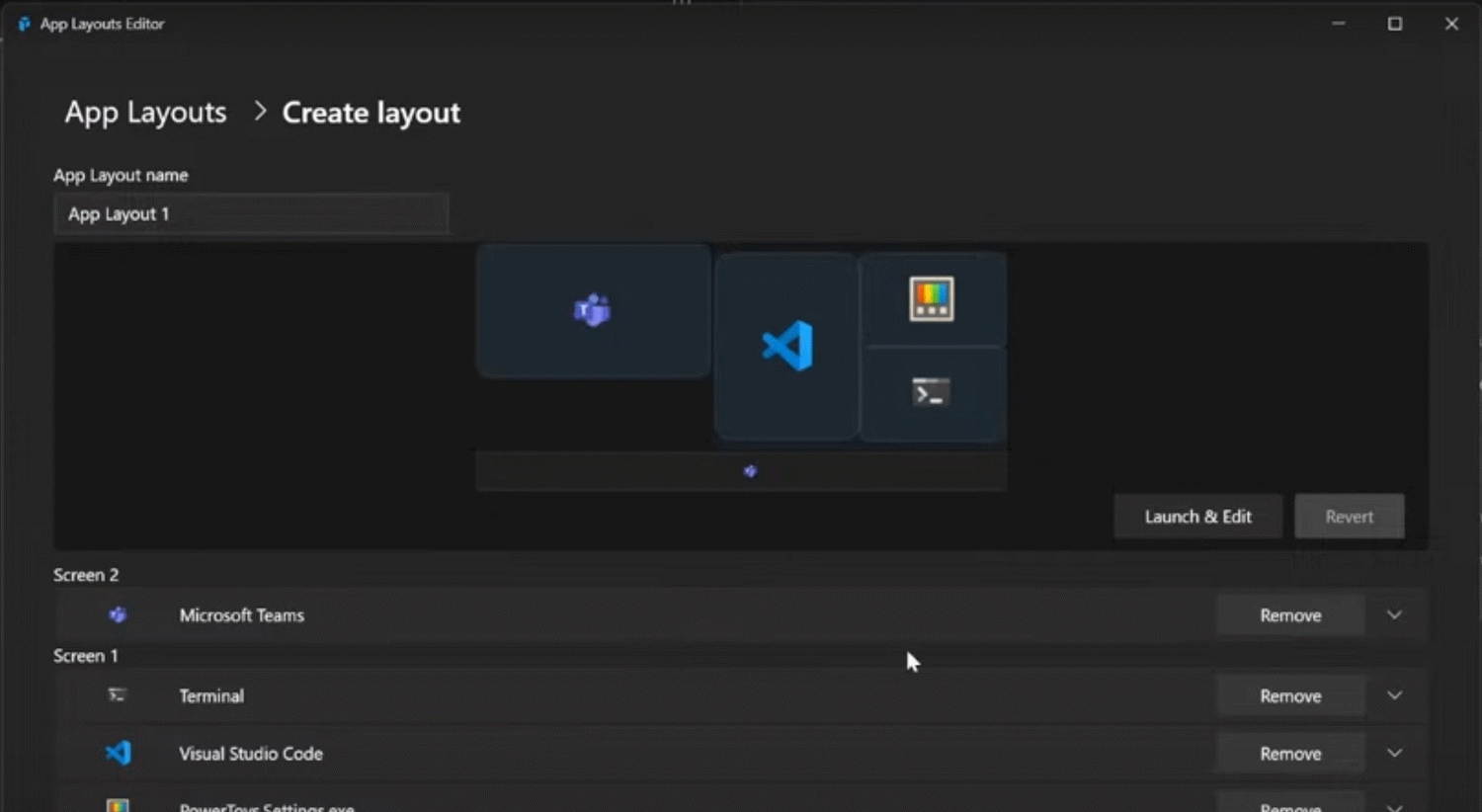
With Workspaces, the best new PowerToys module yet, Microsoft is giving you a way to launch and arrange multiple apps in one click!
Our love of PowerToys here at BetaNews is no secret. Like other users, we eagerly await each new update to see whether there is new module or a handy new feature for an existing utility.
But equally exciting are glimpses into the future, when we learn what the PowerToys developers are working on right now. The latest news from Microsoft reveals that PowerToys Workspaces is in the pipeline, a module that makes it possible to launch multiple apps from a single shortcut. More than that, these apps can be opened in saved arrangements for the best work experiences. Think virtual desktops on steroids.
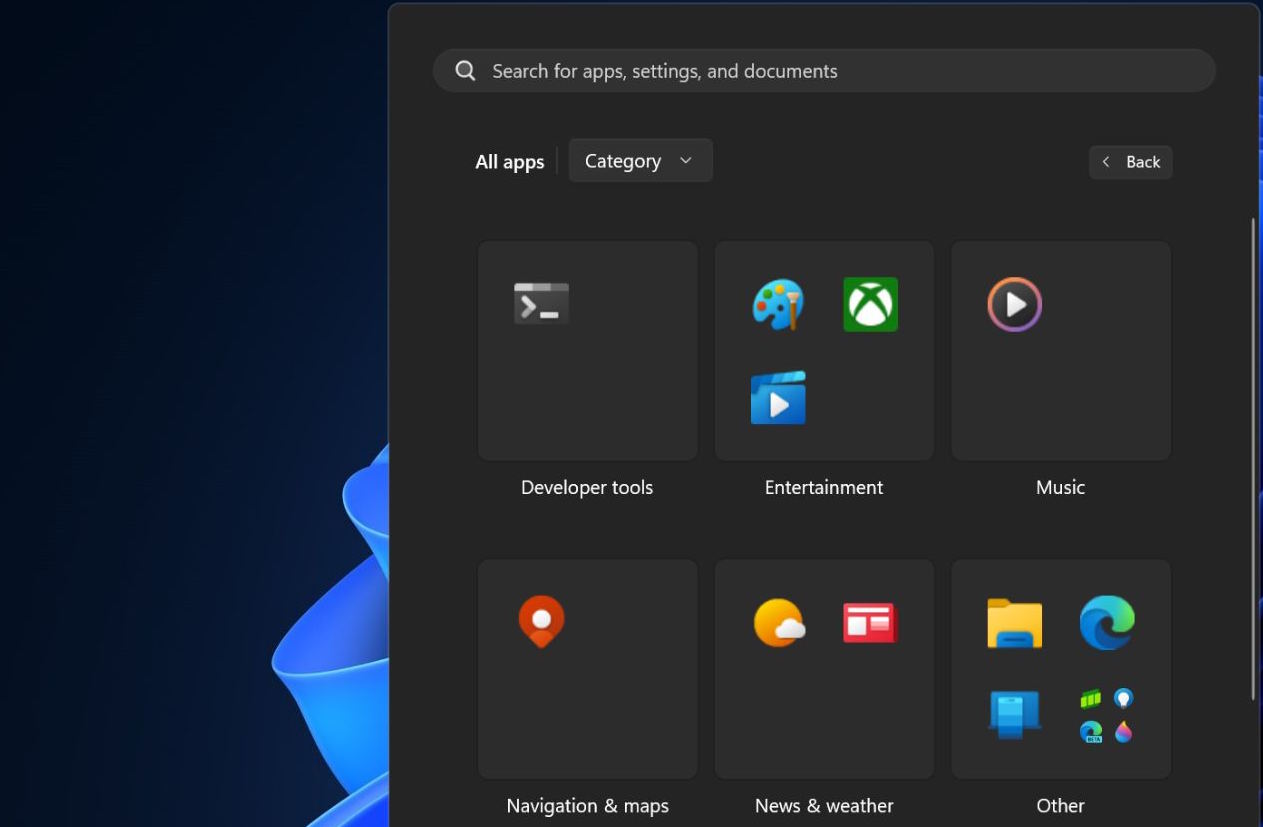
Microsoft is testing a change to the Windows 11 Start menu that you might actually like
With the Start menu being at the heart of Windows, it is vital that it functions in a way that makes sense to people. Sadly, this has not always been the case.
Over years of development, Microsoft has taken a series of questionable design decision with this iconic part of the operating system, but a change that could prove popular is about to land in Windows 11.