


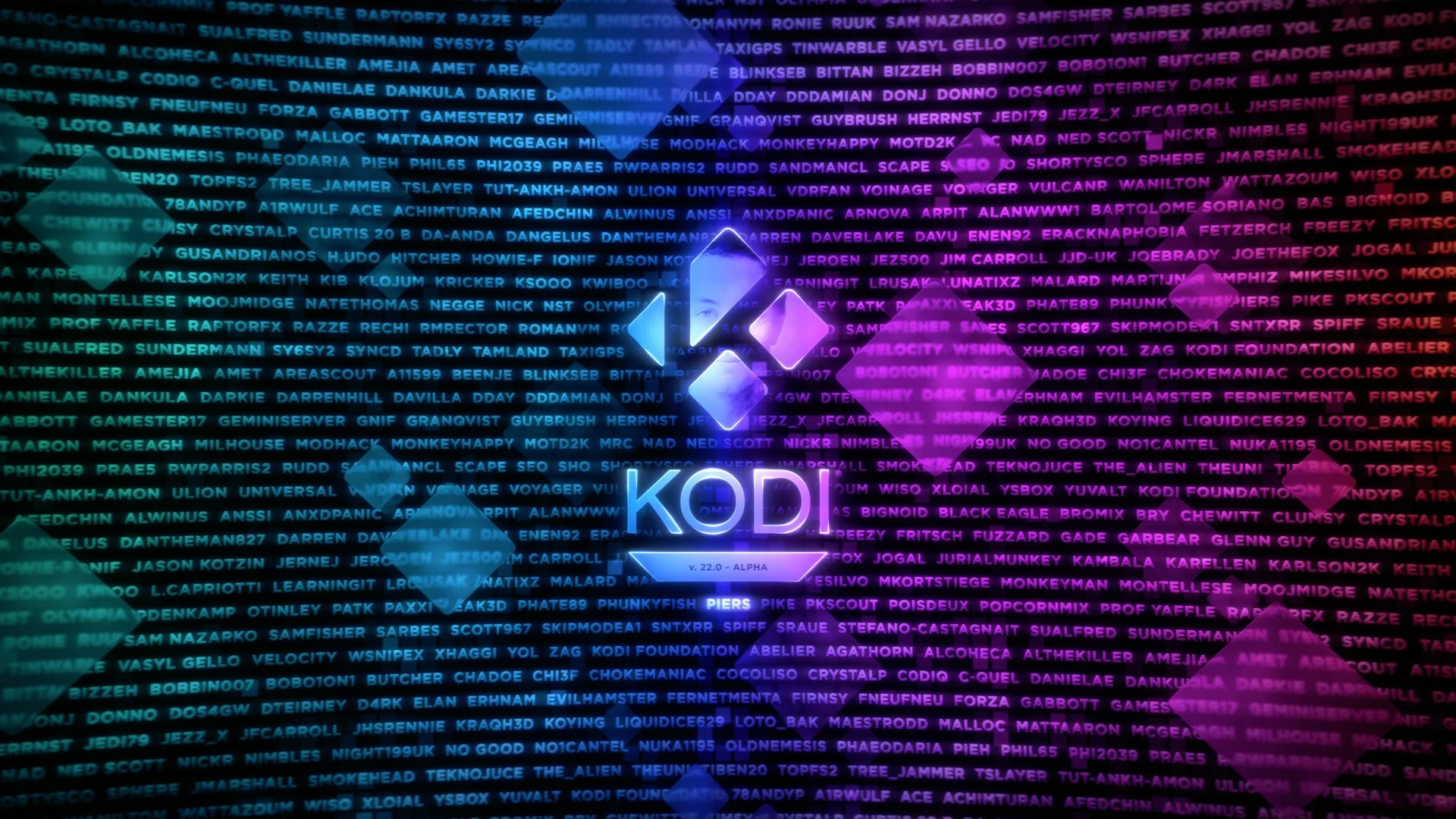
Kodi 22 'Piers' Alpha 2 is out with new features and fixes -- download it now!
It’s been four months since the Kodi Foundation released the first build of Kodi 22 “Piers,” the long-awaited next generation of its widely used home theater software.
Following close on the heels of Kodi 21.3 “Omega,” which was released a few days ago, a new build of Kodi 22 has arrived in the form of Alpha 2.

Cloudflare's Impact Report for 2025 reveals how elections, journalism, and nonprofits faced rising online threats
Cloudflare has published its fifth annual Impact Report, outlining how its network and security services have been used to support elections, independent media, and nonprofit organizations while also addressing environmental commitments. The report explains why these efforts matter as cyberattacks, automation, and AI-driven traffic continue to reshape how public interest services operate online.
The Impact Report follows Cloudflare’s recent 2025 Radar Year in Review, the sixth annual report examining broad trends in internet traffic, security, and technology adoption across its global network. That earlier analysis used aggregated data from web requests, bots, and connectivity signals to show how automation, encryption changes, and attacks shaped online services worldwide. The new report narrows the focus to how those trends affected democratic institutions, journalism, and other vulnerable groups.

Adobe partners with Runway to bring AI video generation into Firefly
Adobe has announced a multi-year partnership with Runway that pulls generative video directly into Adobe Firefly and, over time, deeper into Creative Cloud. The idea is to make AI-generated video part of the same tools people already use to edit, finish, and deliver professional projects.
Runway offers AI video generation tools that let users create clips from text prompts, control motion and pacing, and experiment with different visual ideas without shooting footage. It sits in the same general space as tools like OpenAI’s Sora, but is often used as a practical production tool.

DisplayFusion 12 arrives with fixes and improvements for managing multi-monitor setups
DisplayFusion 12 is now available, offering a number of improvements to the tool which helps manage multi-monitor setups on Windows. The updated version focuses on fixing long-standing issues, improving how Windows handles multiple displays, and adds some small small but useful changes that should make managing several screens less fiddly.
Multi-monitor support in Windows is decent, but it stops short of giving users real control. Although adding one or more displays is easy enough, the OS largely treats them as one extended desktop. DisplayFusion takes things further, tightening how windows, wallpapers, taskbars, and profiles behave across multiple screens.

Chuwi announces two new lightweight Ryzen laptops under $600
Chuwi has announced two new lightweight Windows 11 laptops called the CoreBook Air and CoreBook Air Plus. Both systems are powered by AMD’s Ryzen 5 6600H processor.
The CoreBook Air weighs 1kg and has a 14 inch 16:10 WUXGA IPS display. The CoreBook Air Plus steps up to a 16 inch screen of the same resolution and weighs slightly more at 1.35kg. The two laptops use aluminum alloy chassis and slim bezels, and are available in an indigo color.
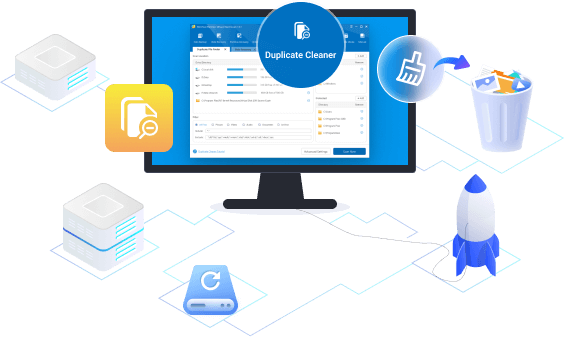
MiniTool adds a duplicate cleaner and refreshed interface to Partition Wizard 13.5
MiniTool has released version 13.5 of its Windows partition manager, adding a new Duplicate Cleaner and updating the interface. The update focuses on making storage tasks quicker to complete and easier to understand.
The new Duplicate Cleaner clears out repeated files across local drives and external devices. It scans selected locations, identifies matches, and lets users remove unneeded copies while keeping control over how those files are handled.

Visa says AI agents will complete shopping purchases for you in 2026
Visa says it has completed hundreds of real-world transactions initiated by AI agents, marking an early test of a (near) future where software can move from shopping recommendations to payment without a human needing to click through the checkout process.
The transactions were carried out with partners across Visa’s payments ecosystem and took place on live systems, rather than in demonstrations or simulations. According to the company, they show that AI-driven purchases can be completed securely using existing payment infrastructure, so long, that is, as the agent operates within predefined controls.

Fineshare's new Vora AI can clean up Sora videos and upscale them to 4K
Fineshare has announced the launch of Vora AI, a video generation and enhancement tool designed to improve videos created with OpenAI’s Sora, including content produced using Disney characters as part of the new deal Sam Altman's firm struck with the House of Mouse.
Fineshare says the tool focuses on improving visual quality, speeding up production, and helping creators keep pace with fast-moving platform trends.
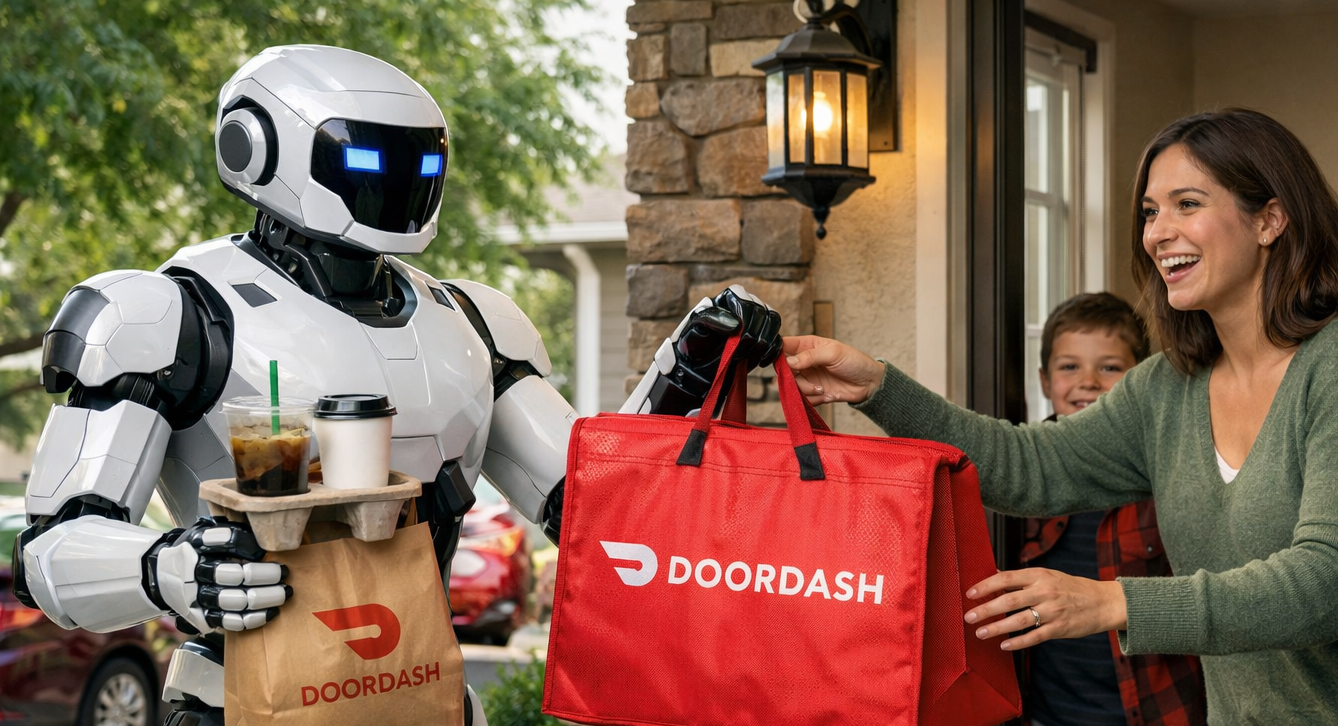
DoorDash is bringing grocery shopping directly into ChatGPT
ChatGPT is becoming less of a chatbot and more of a platform, especially following news that the service is being opened up to apps that can perform useful, real world tasks. DoorDash has today announced that it is introducing grocery ordering directly into ChatGPT, meaning users can turn recipe ideas into completed grocery orders without leaving a conversation.
This new integration will allow people to shop for ingredients in chat and then check out on DoorDash, linking meal planning with on-demand delivery from local stores.

2025's biggest internet outages and what caused them
Downdetector by Ookla has revealed the largest internet outages of 2025, based on millions of user reports worldwide. The data shows where internet services failed at scale and how outages tied to cloud platforms, gaming networks, and streaming services affected users across North America, Europe, Asia Pacific, Latin America, and the Middle East and Africa..
North America was naturally the region with the highest concentration of high-impact outages. In the US and Canada, the three largest single-service incidents each passed one million user reports, showing how quickly problems were spotted when widely used platforms went offline.

ChatGPT is opening the platform to apps that do real work
OpenAI is opening app submissions for ChatGPT, allowing developers to publish apps that connect conversations to actions outside the chat. The move will essentially turn a conversation into a starting point for tasks like placing orders, generating files, or running live searches, without switching tools.
Apps work by linking ChatGPT to external systems. Instead of simply describing how to do something, a conversation can pass structured information to an app, which then performs the task and returns the result. The chat remains the interface, while the app handles the actual work in the background.

The Oscars are heading to YouTube under a new global deal
In a major coup for Google, YouTube has secured exclusive global rights to the Oscars and a wide range of Academy programming under a new multi year agreement that begins with the 101st ceremony in 2029. The deal moves the awards show and related content to YouTube worldwide, although the Academy’s existing domestic broadcast agreement will remain in place for the 100th ceremony.
Under the agreement, the Oscars will stream live -- and free -- on YouTube to viewers all around the world. In the US, the ceremony will also be available to YouTube TV subscribers. Coverage will include the red carpet, backstage access, and events tied to the Governors Ball.
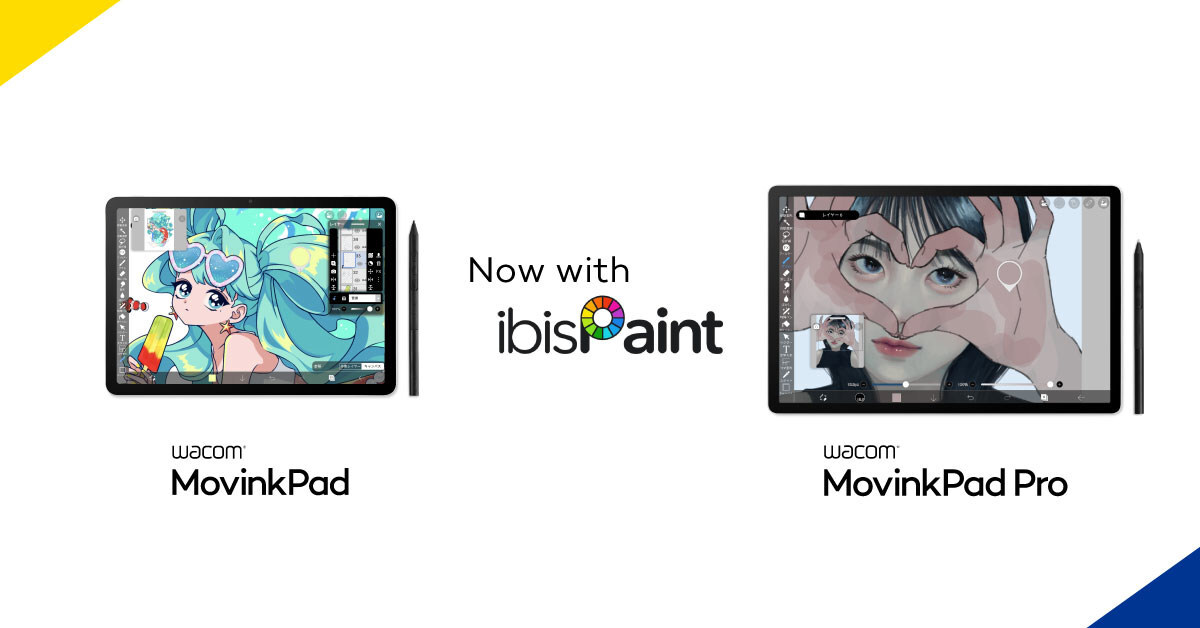
Wacom adds ibisPaint X and file support improvements to MovinkPad
Wacom has released a new Android update for its MovinkPad lineup that changes how creative apps work together on the device. The update adds ibisPaint X as a built in app, links it more closely with Wacom Canvas and Wacom Shelf, and includes a free 180-day ibisPaint Prime Membership.
The update applies to the Wacom MovinkPad series, which is built around standalone drawing without a PC. The lineup includes the MovinkPad 11 and the recently announced MovinkPad Pro 14, both of which combine Wacom’s pen technology with an Android based environment.
Google rolls out Gemini 3 Flash, a faster AI model for Search and beyond
Google has announced the arrival of Gemini 3 Flash, its latest AI model built to respond faster than earlier systems, while still tackling complex prompts when needed. The model is being introduced across Google Search and the Gemini app, with the goal of making everyday AI interactions feel nippier, without stripping away the AI's more advanced capabilities.
Gemini 3 Flash is the newest member of the Gemini 3 model family. It follows Gemini 3 Pro and Gemini 3 Deep Think, but is designed for a different role. Instead of treating every prompt as a complex problem, Flash adjusts how much effort it applies based on the task in front of it.
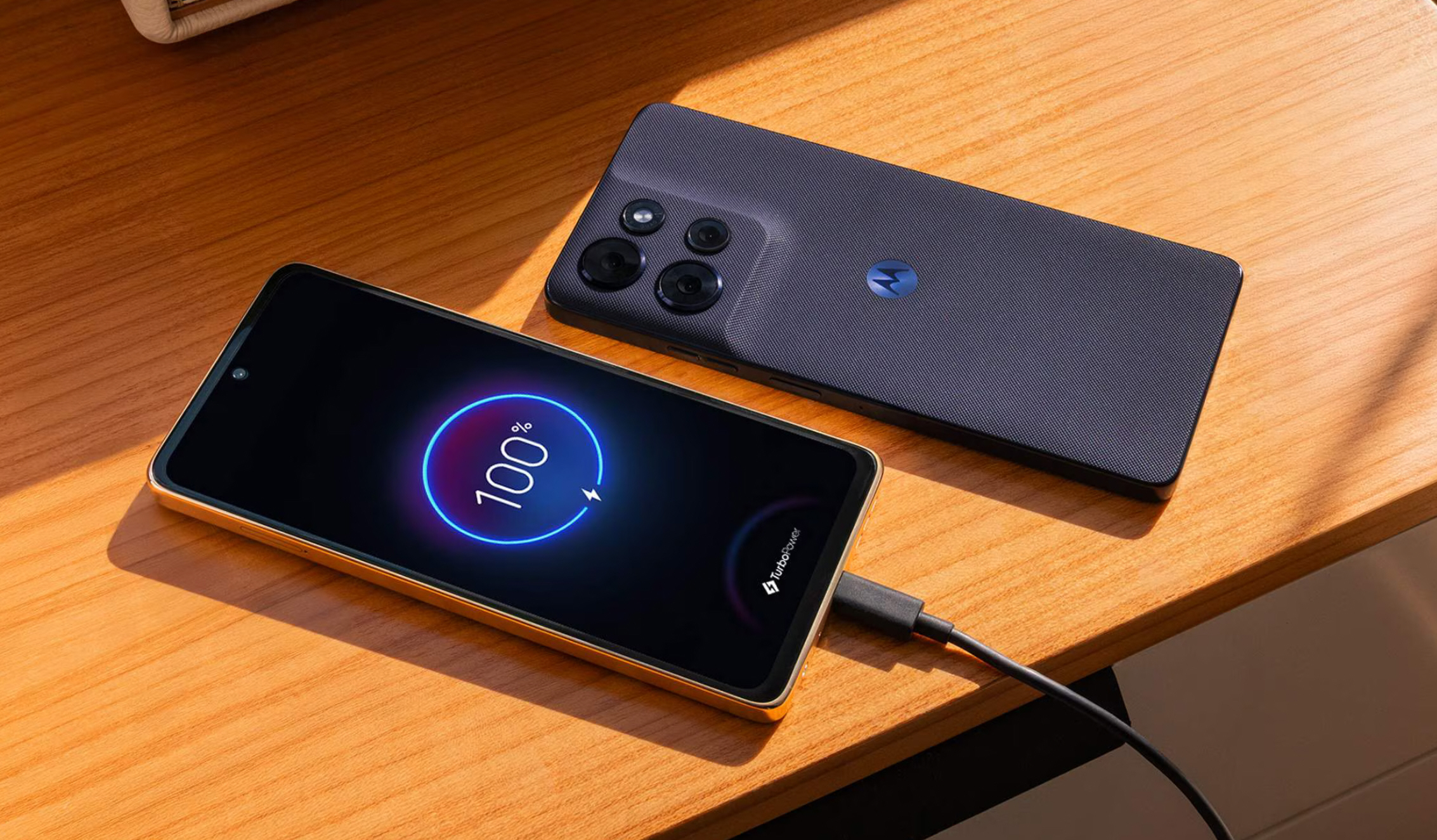
Motorola’s $299.99 moto g power 2026 adds water resistance and a larger display
If you’re in the market for a new smartphone to start the new year and don’t want to spend a fortune, Motorola has announced the moto g power 2026. The new device combines a large display, reinforced build, updated cameras, and latest Android software.
The phone is powered by a MediaTek Dimensity 6300 processor, paired with 8GB of RAM. Motorola also includes virtual memory expansion through RAM Boost, which allows the phone to allocate storage as temporary memory when required.



