
New AI cyber range launches to test autonomous AI agents under real attack conditions
Hack The Box has announced HTB AI Range, a new, controlled 'AI cyber range' built to test how AI security agents behave under pressure, as well as how well they work alongside human teams.
The platform recreates real attack and defense scenarios so organizations can see how well (or if) the models cope with complex, high stakes environments. It can also flag where human oversight is still needed.
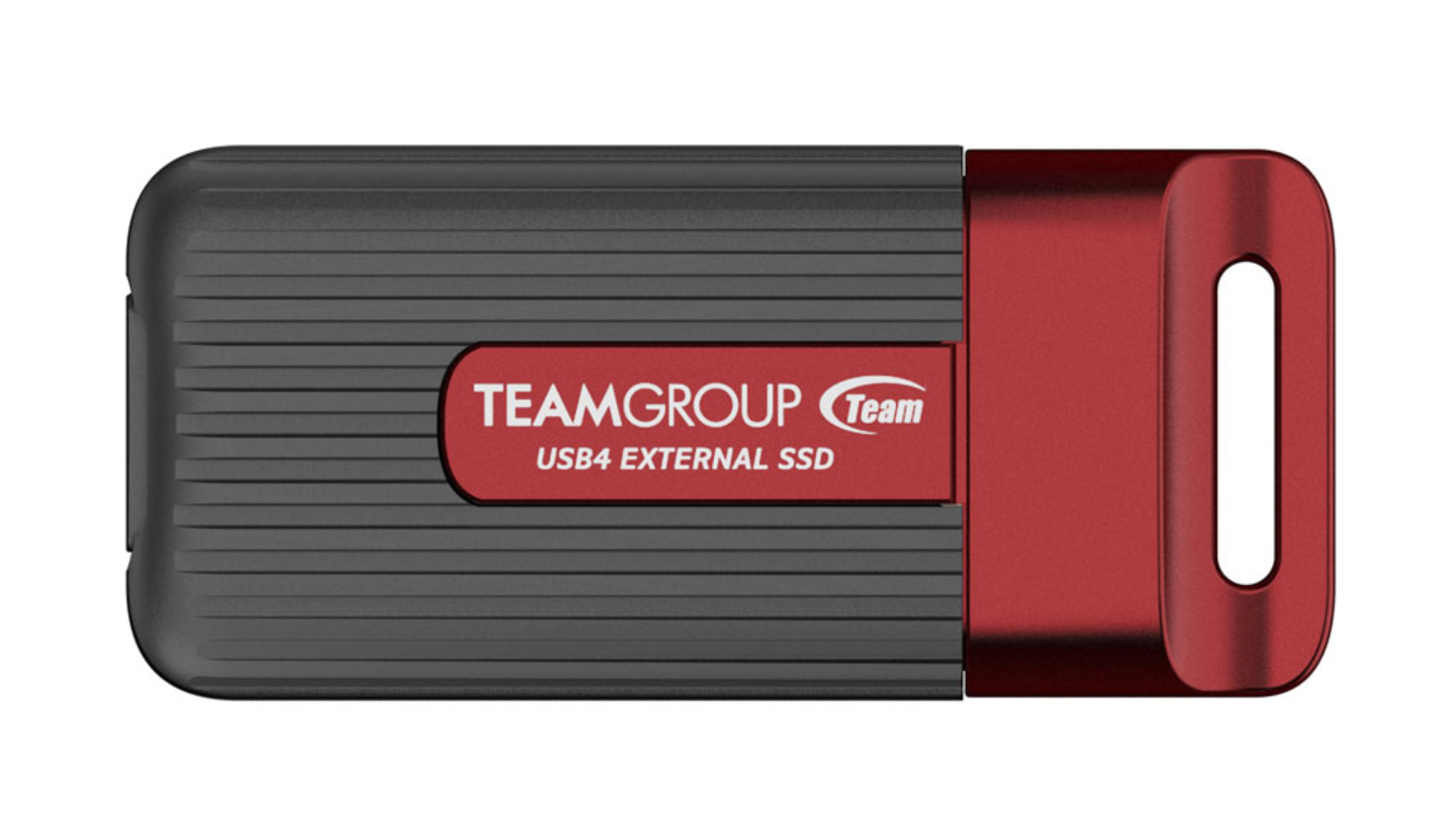
TeamGroup releases PD40 Mini, a lightweight USB4 drive built for fast transfers
TeamGroup has launched a new portable storage option for users who want fast transfers in a small, pocketable format, and don't want to rely on the cloud for large or sensitive files. The PD40 Mini External SSD is a USB4 drive capable of read speeds up to 4,000MB/s and write speeds up to 3,500MB/s, making it far faster than most everyday portable SSDs.
The PD40, which shares its look with the previously released PD20, is just 75mm in length and weighs 22g, making it one of the smallest high speed USB4 drives available. The drive is built with a rubberized, textured shell to improve grip, and it comes in a smart black and red finish.

Near AI's confidential computing platform lets companies run AI models securely
Near AI has introduced two privacy focused tools that let people use artificial intelligence while keeping control of their information. Near AI Cloud and Near Private Chat handle sensitive data in secure environments, giving users and developers a way to work with AI without giving up their privacy.
Illia Polosukhin, founder and CEO of Near AI, said: “Everyone should own their AI. Today Near AI is taking a major step towards the vision of user-owned AI with the launch of private, verifiable AI products.” He added, “Privacy and verifiability are required to maximize available AI context for users and businesses, with confidentiality and compliance thanks to hardware- and cryptography-based guarantees.”

Crucial brand to disappear as Micron shifts focus to AI data center memory
Micron has announced that it’s shutting down its Crucial consumer business, ending one of the most recognizable names in SSDs and RAM upgrades. The memory giant says it will stop shipping Crucial branded consumer products by the end of February 2026, but support and warranties will continue for a while after then.
Micron says the decision reflects the shift toward data center demand, which is growing rapidly as AI drives a surge in orders for high performance memory and storage. The company will continue selling Micron branded enterprise hardware and focus its manufacturing and engineering resources on commercial clients.

Study finds AI slop videos spreading fast across YouTube -- and there's a lot of money being made
Anyone who spends time on YouTube knows low quality AI generated videos are flooding the platform. A new global study by Kapwing looked at just how this slop and brainrot content (as it's known) is spreading across different countries and, perhaps more interestingly, how the biggest AI channels compare with traditional creators for both reach and earnings.
The report, which looked at more than fifteen thousand YouTube channels, arrives at a time when people are still arguing over the creative and ethical value of AI in video production. Film schools now teach classes on the use and ethics of generative tools, and brands are experimenting with AI in their creative work -- with mixed results.

Fire TV update lets viewers jump to memorable moments in movies
Fire TV users can now jump directly to specific movie scenes by describing them to Amazon's generative AI powered Alexa+. The new feature lets viewers start playback from an exact moment in a film, cutting out manual searching or repetitive fast forwarding. It works on thousands of Prime Video titles and is already available for subscribers to try.
Alexa+ is a more conversational version of Amazon's digital assistant and is capable of handling broader and more involved tasks. It was announced in February 2025 at Amazon’s Devices and Services event and first launched in the United States priced at $19.99 a month, although Prime members get it at no extra cost. It’s now available in Canada and is expected to roll out to more countries next year.
New AI assisted tool aims to cut manual processing time for complex PDFs
Extracting data from intricate, awkwardly structured PDF files can be tricky. Tables don’t always line up, text can be weirdly formatted with odd spacing, and it can take ages to copy, check and fix all the various problems by hand.
NE2NE has announced PDFFlex, a new AI assisted tool designed to convert complex PDF content into structured formats such as Excel, XML or JSON. The program brings together several parsing methods and machine learning recognition to handle documents that might previously have been hard to reliably extract data from.

Visa finds shoppers turning to AI and crypto this holiday season
Visa has released the findings of a new survey that show how AI and digital tools are beginning to have an impact on holiday spending habits across the United States. The company says that it is seeing clear differences across generations, with younger consumers moving towards AI assisted shopping, digital currencies and other emerging payment trends.
"The data tells a fascinating story about the spending shift we're witnessing: shoppers are embracing AI and digital tools at remarkable speed, with nearly half of Americans now using AI to enhance their shopping experience," said Bruce Cundiff, vice president, Consumer Insights at Visa.

Could 2026 be the year you finally update your money habits for a digital-first world?
The way you move money in your daily life has likely changed faster than your old habits have. Cash used to be king, but the pandemic changed things, and accelerated the move to digital. You can now pay friends instantly, subscribe to half your world through your phone and check cryptocurrency prices live the same way you check for the weather.
As 2026 approaches, the financial world is shifting beneath your feet, whether you have adapted or not.

Experian: Cyber threats are no longer just about stealing data, they're about manipulating reality
Experian has released its 2026 Data Breach Industry Forecast. The report covers how cyber threats are expected to evolve in the next year (and beyond) as attackers adopt AI, quantum computing and other emerging tools. Now in its thirteenth year, the forecast makes six predictions that point to more personalized and more persistent intrusion attempts.
The report looks at how cybercriminals are using new technologies to build synthetic profiles, deploy autonomous AI agents and develop malware that can alter its behavior in order to avoid detection. It also raises early concerns about the potential risks connected to brain computer interfaces as those technologies move forward.
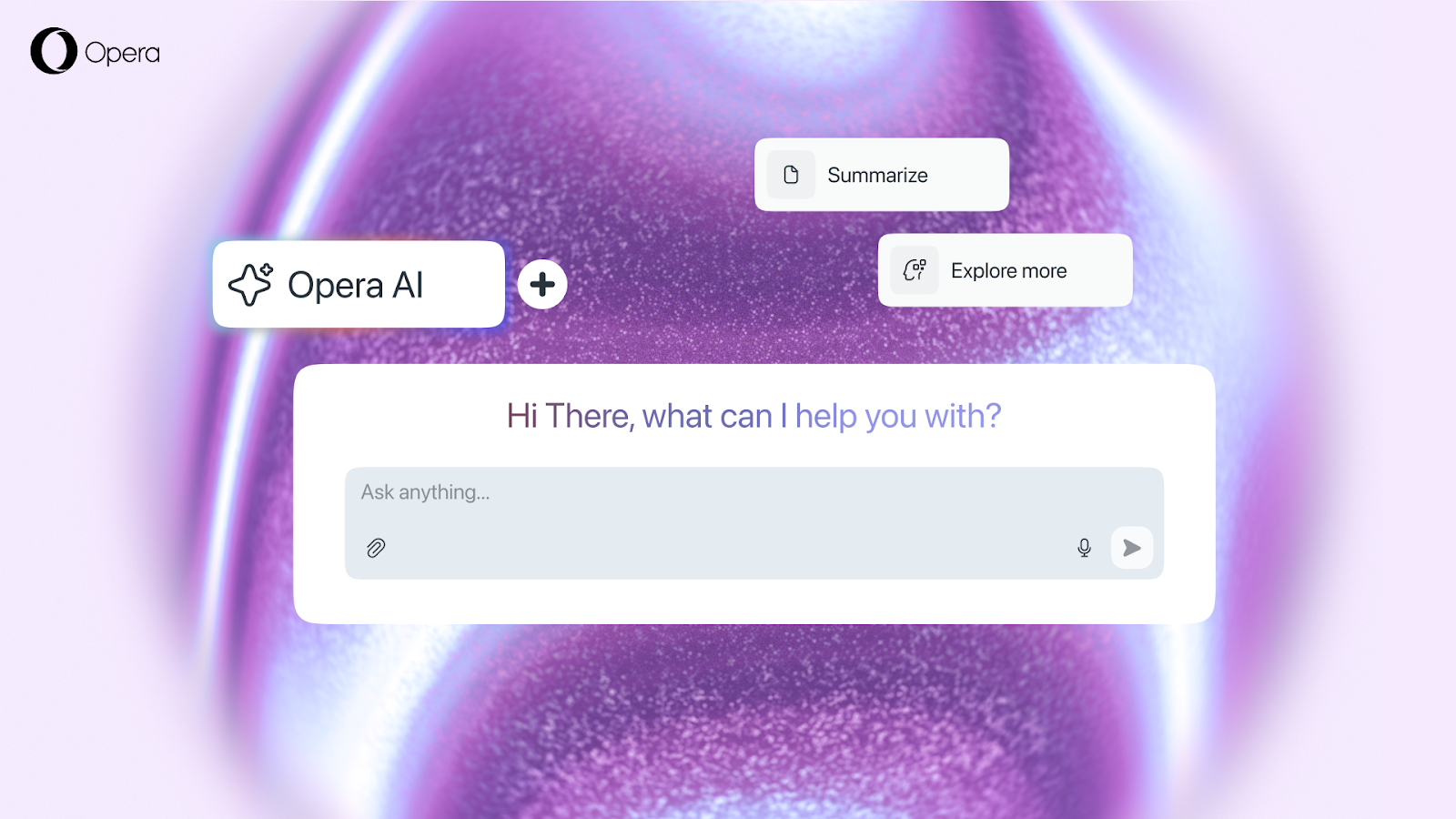
Opera brings upgraded Google AI to its browsers
Opera is rolling out new Google AI features across its Opera One, Opera GX and Opera Neon browsers. This is the result of the browser maker's long running partnership with the search giant, and now includes support for the latest Gemini models.
The new Opera AI appears as a side panel that users can open alongside any webpage, set of tabs, or even playing videos. It will respond within the context of the page, allowing tasks such as research, summaries and tab comparisons. It also supports voice input and output, along with file analysis on images and video.

Desktop web traffic overtakes mobile for the first time in 5 years
Global web traffic has done something unexpected, with desktop devices overtaking smartphones for the first time in five years. Data presented by Jemlit shows desktops claimed a 49.7 percent share of worldwide browsing in October, placing them just ahead of smartphones on 48.98 percent.
Mobile phones have held more than 60 percent of global browser traffic for much of the past three years, supported by faster networks and the way people increasingly use their phones for news, shopping, search, and entertainment. Even so, new StatCounter figures show the change began several months earlier, with desktop traffic showing a steady rise from June.
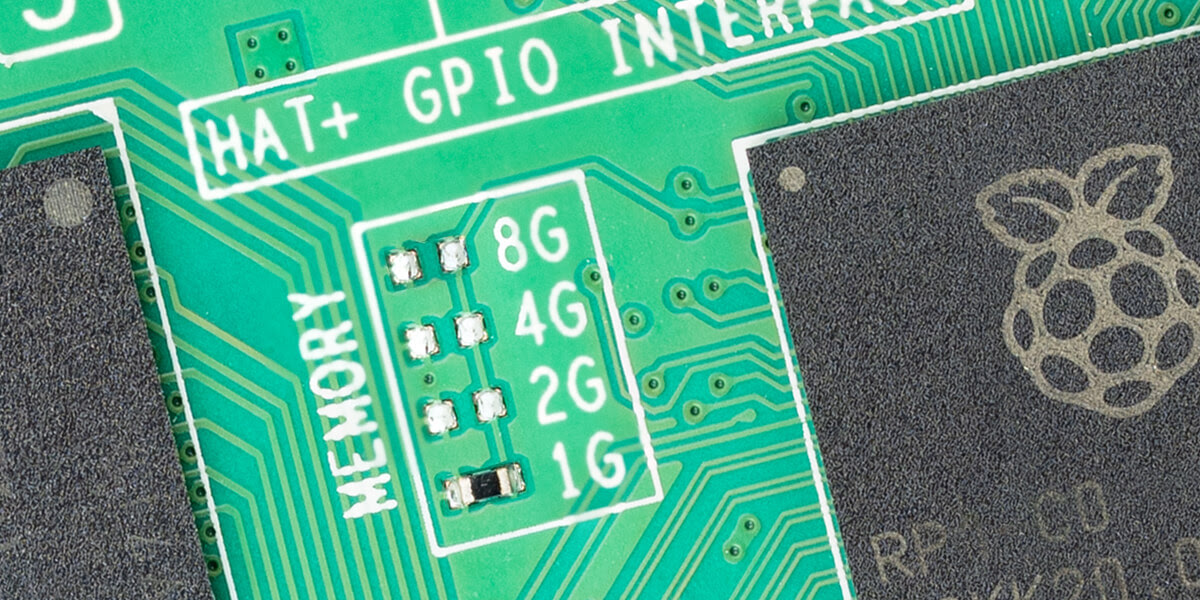
Raspberry Pi launches 1GB Raspberry Pi 5 at $45, raises the price of other models
Raspberry Pi has launched a 1GB Raspberry Pi 5 for low-memory projects and simple electronics, and confirmed price rises across parts of the Raspberry Pi 4 and 5 ranges.
Eben Upton, Chief Executive Raspberry Pi Trading, said the pricing adjustments follow an unusual rise in LPDDR4 memory costs. He noted that supply has constricted across the wider industry as AI infrastructure builders continue to secure large volumes of memory. Raspberry Pi previously announced increases for its Compute Module products in October, and the new changes now bring the single-board line into the same pattern.

Philips launches Evnia QD OLED monitor for gamers and creators
Philips has announced the launch of the Evnia 27M2N6501L, a 27-inch QD OLED monitor built for users who want a capable QHD (2560 x 1440) display without spending a premium. Part of the Evnia line, the new screen's focus is on picture quality, high refresh performance and everyday usability at a lower price than most QD OLED screens retail for.
The new monitor uses a 26.5 inch panel and uses QD OLED technology to produce deeper contrast and richer colours. Philips has paired it with a 240Hz refresh rate, which should help with fast paced games. It also supports tear free gaming through G Sync compatibility.
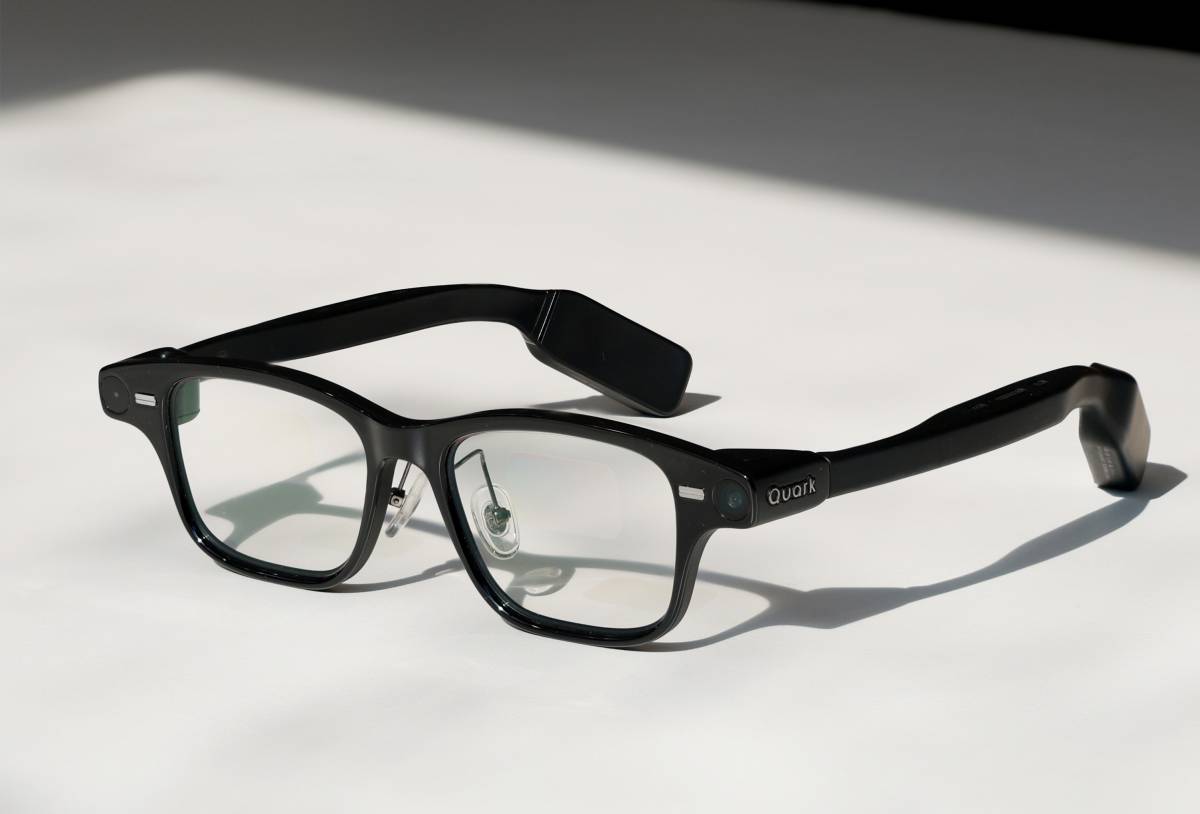
Alibaba debuts its first self developed AI glasses in China
Alibaba has launched a new range of AI eyewear in China. The Quark AI Glasses come in two models -- S1 and G1. There are three styles of the dual display S1 and three versions of the camera focused G1, with different frame colors and lens choices. All models work with Alibaba’s new Qwen App and respond to voice commands or touch controls.
The glasses are designed to act as a hands free gateway to Alibaba’s consumer ecosystem. Powered by Qwen, they can recognize prices, answer questions using text or images, translate speech in real time, guide users with near eye navigation and produce meeting notes. They can also handle reminders, teleprompter functions and context based suggestions.