BlackBerry buys mobile security company Good Technology
BlackBerry has announced its purchase of Good Technology, a mobile security company. The deal was sealed with $425 million (£280 million) heading Good’s way. The Good Dynamics platform provides encryption, advanced data loss prevention and secure communication between applications.
But BlackBerry is already good at that, isn’t it? It is one of the safest, if not the safest smartphone out there, so what good can Good do (pun definitely intended)?

Ashampoo AntiSpy is yet another Windows 10 privacy protector
German developer Ashampoo has shipped Ashampoo AntiSpy for Windows 10, yet another free tool for tweaking Windows 10’s many privacy and security settings.
There’s support for tweaking 40+ options covering browsing, updates, location features, webcam/ microphone access, Cortana, Contacts and Calendar, and assorted telemetry settings.
New platform aims to redefine work with personal, smart apps
Users of enterprise systems are often deterred from completing tasks via mobile apps due to complexity or poor user experience.
Enterprise mobility specialist Capriza is aiming to change that with the launch of a platform that will for the first time make legacy enterprise applications fully contextual and end-user relevant.

Fiat Chrysler recalls Jeep Renegade SUVs to fix major security vulnerability
Fiat Chrysler recently recalled over 8,000 vehicles that are vulnerable to a bug through which hackers can take control over the car’s computer system, which would eventually give them the control over the entire car.
The new Jeep Renegade SUV is the one that is vulnerable. Especially those jeeps that were ordered with a 6.5-inch touchscreen in the dashboard.

madVR 0.89 offers black bar detection
DirectShow video renderer madVR 0.89.1 has shipped with a host of new features and configuration options.
Anamorphic lens support allows the video image to be scaled correctly for even more screen sizes and ratios.
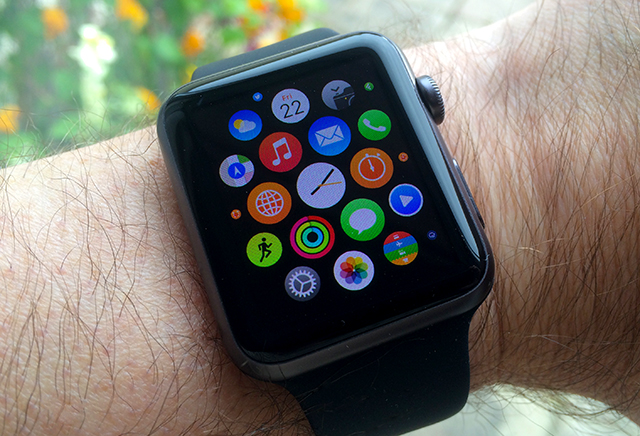
Apple Watch users frequently check the time, rarely send messages
As someone who lives and breathes technology, I am interested in knowing how people use smart devices. What are their favorite apps? How often do they use standout features, like a heart rate monitor? Is the phone functionality still relevant? So, given that Apple Watch is a popular topic in the media nowadays, I am intrigued by how early adopters are using it.
Wristly, the self-titled "largest independent Apple Watch research platform", has polled 2,000 Apple Watch users to find out how they are embracing the device, focusing on the main advertised features. The findings are interesting, but hardly surprising.
Healthcare offers major opportunity for wearable technology
According to a new report from research company IDTechEx the wearable market will be worth over $24 million this year. But much of this is for existing technology like smartwatches and fitness trackers.
Where are wearables headed in future though? According to the report the biggest opportunity is in medical and healthcare applications. Including blood glucose monitoring, healthcare is already the largest single sector by revenue in wearable technology and is likely to stay that way.
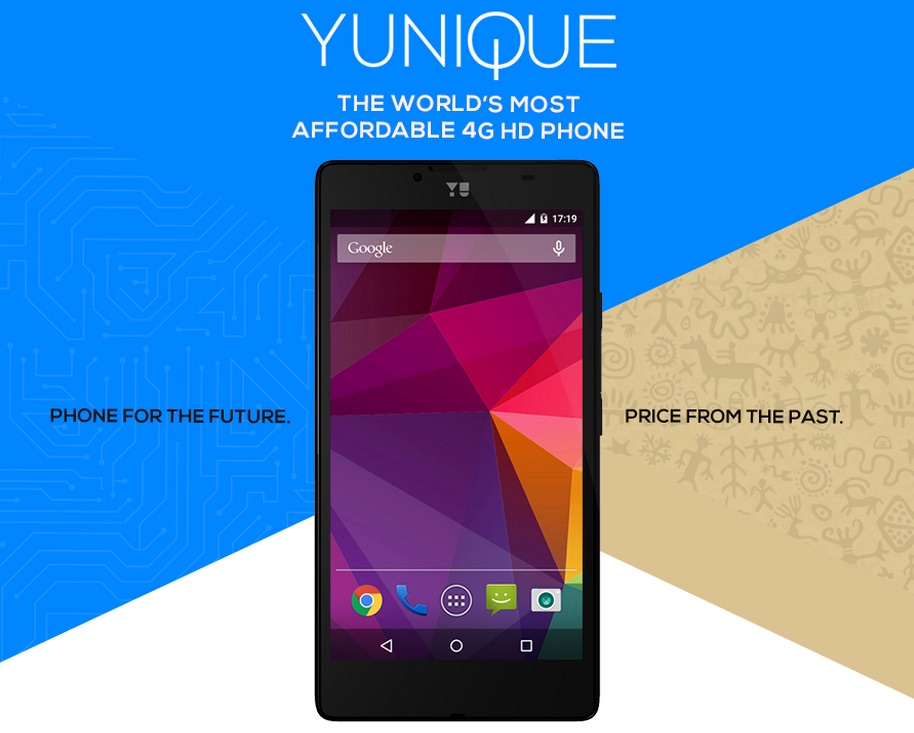
Yu Yunique launches in India, offers 4G LTE for Rs 4999 ($75)
Yu Televentures, an online subsidiary of Micromax, today launches its third smartphone. Targeting the growing affordable smartphone market, the company introduces Yu Yunique. The 4G capable handset packs in an impressive set of specifications for just Rs 4,999 ($75).
The Yu Yunique sports a 4.7-inch HD (1,280 x 7,20 pixels) display and is powered by a 64-bit capable Snapdragon 410 quad-core SoC clocked at 1.2GHz with Adreno 306 GPU. It has 1GB of RAM, and 8GB of internal storage, with support for a microSD card should you need more storage. On the software front, the handset runs Android 5.1 Lollipop.
Apple can't give real time iMessage data to the FBI because texts are encrypted
Despite a court order instructing the company to hand over text conversations between iMessage accounts to the FBI, Apple says that its own encryption system means it cannot do so. The Justice Department obtained a court order that required Apple to provide real time access to text messages sent between suspects in an investigation involving guns and drugs.
Apple has responded by saying that the fact iMessage is encrypted means that it is simply not able to comply with the order. The stand-off between the US government and Apple could last for some time as neither side is willing -- or possibly able -- to back down.
Windows 10: Microsoft's nod to the changing enterprise IT
Steve Ballmer, former Microsoft CEO, doesn’t strike anyone as a man with many regrets. But infamously dismissing the newly launched iPhone because "...it doesn’t appeal to business customers because it doesn’t have a keyboard" is probably one of them.
The interview was taken by many as a sign that Microsoft didn’t really get consumers. It didn’t get that consumer tech was fast over-taking enterprise systems as the new driving force for innovation. And it didn’t get that the gap between what people wanted at home and what they wanted at work was closing fast.

Fujitsu's 300GHz, 10+ Gb/s receiver could transfer 4K and 8K videos 'instantly'
Fujitsu has revealed details of a new wireless receiver capable of data transfer rates of "several tens of Gigabits per second". Operating on the terahertz band, the receiver is over 100 times faster than current devices that use the 0.8-2.0 GHz range.
Described as "the world's first 300 GHz band compact receiver", the receiver is ten times smaller than previous models, opening up the possibility of use in mobile devices. Shrinking the unit has reduced its size to under one cubic centimeter and Fujitsu says that it "enables mobile devices to instantly transfer 4K or 8K HD video".
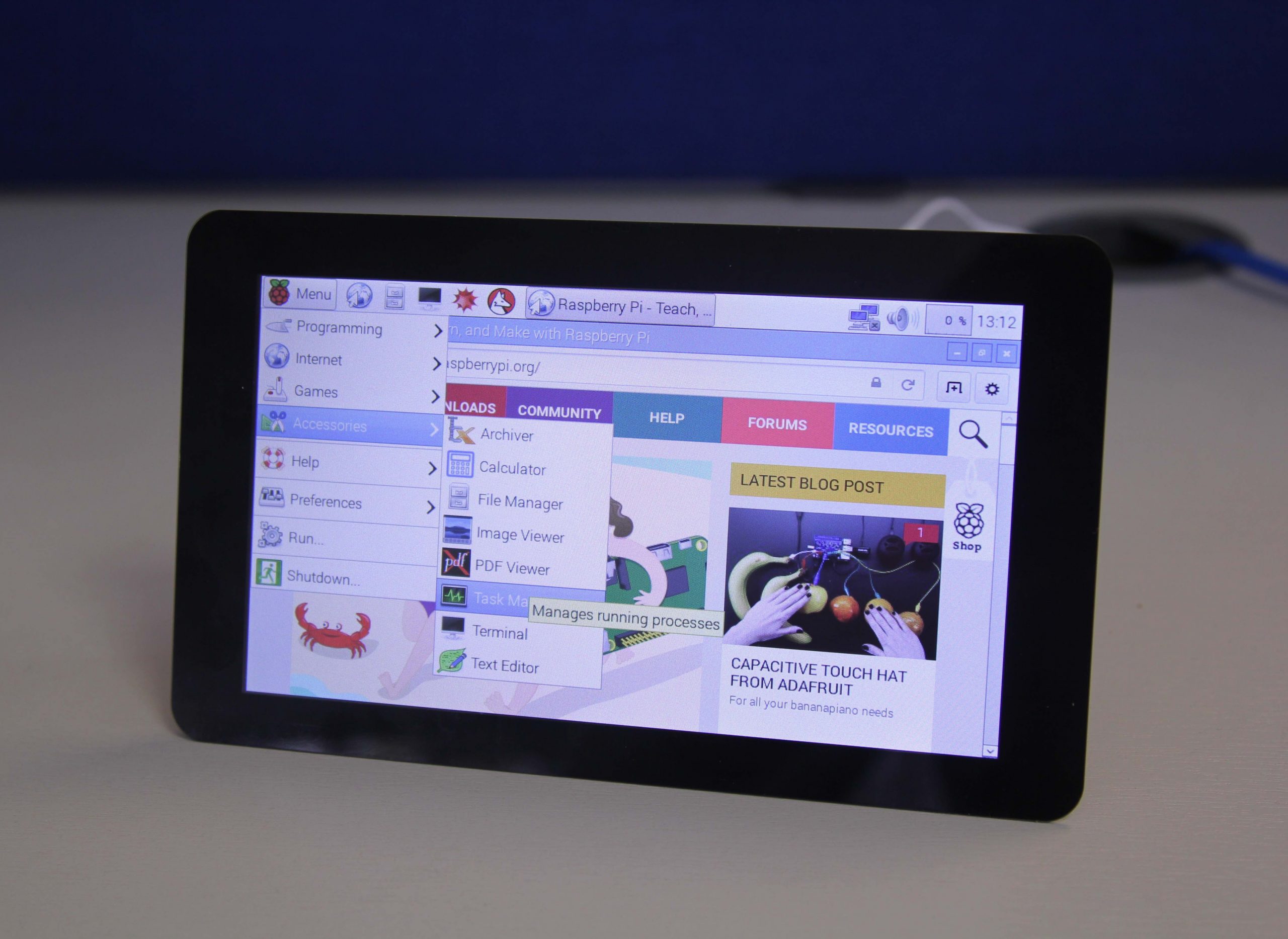
Raspberry Pi now has an official touchscreen display
The Raspberry Pi is very low cost, but all you get for your money is the actual bare-bones device itself. You will still need to add an SD card, cables, a USB keyboard and mouse, and a screen before you can use it -- some of which you will likely already have lying around at home.
There are numerous add-ons available to buy too, including an official case, and today the Raspberry Pi Foundation introduces one more addition to its range -- a superb (and affordable) 7 inch touchscreen display.
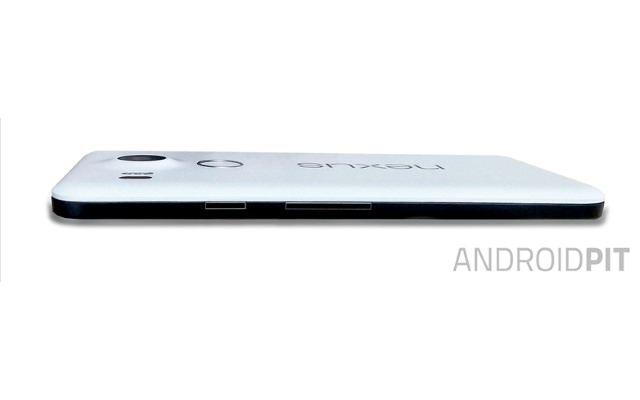
How much does the camera of the new Nexus 5 stick out? This much...
It should only be a matter of weeks before we have official news about the new Nexus 5, but as we draw closer to the launch, leaked images continue to stream in. Just a few days ago we were treated to the best image yet of the upcoming LG handset, and now we have a new photo that gives a slightly different view.
A new leaked image depicts the new Nexus 5 (or Nexus 5X, perhaps) from a side angle, giving a clear view of the protruding camera lens that graces the rear. The photo also shows the repositioned power and volume buttons, but it is the camera nipple that will probably cause the most interest.
Time to patch your firmware! Backdoor discovered into Seagate NAS drives
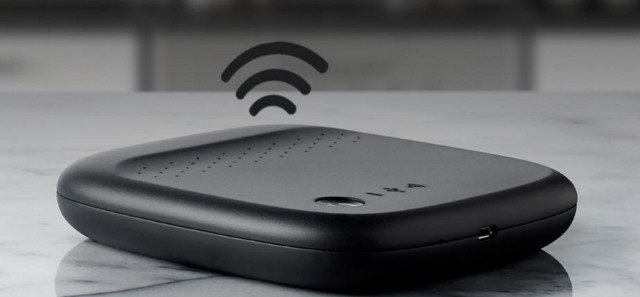
If you have not recently updated the firmware for your Seagate wireless NAS drives, now is the time to do so. Researchers at Tangible Security have discovered a series of vulnerabilities in a number of devices produced by Seagate that could allow unauthorized access to files and settings.
An undocumented Telnet feature could be used to gain control of the device by using the username 'root' and the hardcoded default password. There are also other vulnerabilities that allow for unauthorized browsing and downloading of files, as well as permitting malicious files to be uploaded. Tangible Security says that Seagate Wireless Plus Mobile Storage, Seagate Wireless Mobile Storage, and LaCie FUEL drives are affected, but there may also be others.

What you need to know about cyber insurance
Cyber insurance is an important element for companies as it covers the damage and liability caused by a hack, which are usually excluded from traditional liability coverage.
Stricter data privacy notification laws, government incentives, cloud adoption and the increase in high-profile hacks and data breaches have all contributed to the significant increase in the number of companies offering and buying cyber insurance.