Batch print documents, photos, PDFs with 2Printer
2Printer is a free (for personal use) Windows tool for batch printing PDFs, Office documents, photos, drawings and a whole lot more.
If you only print the occasional document then this isn’t the program for you. But if you run a business and need to print a folder of documents at the end of the month, say, it could save you some time.

Opera debuts all-new Opera Mini for Android browser
Opera Software ASA has unveiled Opera Mini for Android 8.0 a major new -- and long overdue -- version of its mobile-friendly browser for Android devices.
Despite appearing to be a simple upgrade from the previous release -- 7.6 -- Opera Mini 8.0 has been released to the Google Play store as a completely new, and separate, app, which means existing users will need to download and install it afresh, where it will subsequently appear and run in isolation alongside the original version.
Attackers switch tactics to gain access to corporate networks
In the current information security climate it seems that falling victim to some form of cyber attack is just a matter of time. If you haven't been hit yet chances are you will be soon.
The latest Internet Security Threat Report from Symantec shows that five out of six large companies were targeted in 2014, a 40 percent increase over the previous year, and that attackers are shifting their tactics when targeting corporations.

Kaspersky releases CoinVault Decryptor
Kaspersky Labs has released CoinVault Decryptor, is a free tool which may help victims of the CoinVault ransomware to decrypt their files.
The program works by using a set of decryption keys recovered by the Danish police. Unfortunately it isn’t a full set, and so the Decryptor won’t work for everyone.
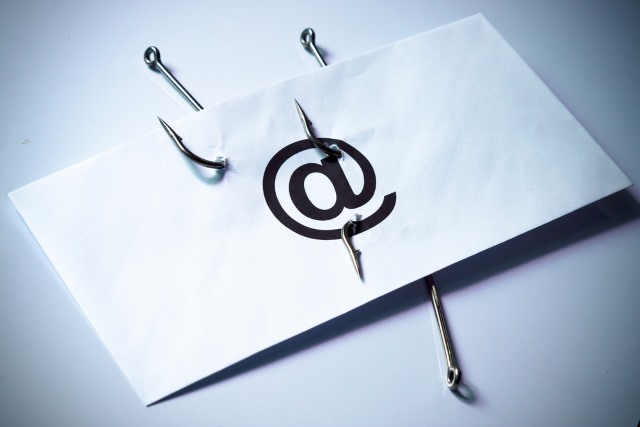
It's your own fault phishing scams are successful
There is no need for cybercriminals to launch sophisticated attacks, or exploit vulnerabilities, to gain access to valuable information; a simple phishing email is all that's needed to convince a worrying number of people to hand over their login credentials. This is just one of the findings of a new security report due to be published by Verizon.
The telco reports that more than two thirds of security breaches involving phishing tactics. The number of people who fall for this type of scam means that phishing remains successful and popular as a means of extracting data from people. In this age of technological enlightenment, it might come as a surprise that more than one in 10 people who receive a phishing email open attachments or click the links they contain.
Chat with animated GIFs in Facebook Messenger, Twitter, Gmail
They're old, horribly inefficient, seriously dumb, but let’s be realistic: there are times in every online conversation when only an animated GIF will do.
If you already have a big collection of face palms and laughing dogs then that’s not a problem, but if you’re more of an occasional GIFer then you might need a little help.

Online leaks like Game of Thrones have become the norm
Last month, it was Kanye West and now it’s HBO’s award-winning medieval drama Game of Thrones that must suffer the dreaded online leak. However, these are just two examples from countless others -- it seems as though in the digital world online leaks have become the norm.
The Internet, which has vastly improved global communication by enabling ideas to be shared and projects to be collaborated on, has also led to information being leaked with increasing regularity.

Huh? Pay beaucoup bucks for .sucks?
As someone whose name also is his brand (welcome to 21st-century journalism), I watch with interest the new .sucks top-level domain, which is available for select preregistration through May 29—the only time to surely secure your.sucks. Today, I looked to a reputable registrar to see what joewilcox.sucks would cost me. Cough, cough: $3,797.99 now, during the so-called Priority Access (e.g., Sunrise) period, or $407.98 when general pre-reg starts in June.
The new TLD is just one among hundreds of available or forthcoming domain extensions sanctioned by governing body ICANN. "I think the motivation behind the release of all these new domains is money", says Roger Kay, who describes the sellers as shady land speculators. "The .sucks domain is particularly nasty", the president of consultancy Endpoint Technologies Associates emphasizes. "It's pretty close to blackmail". But is it really? This analysis means to help you decide.
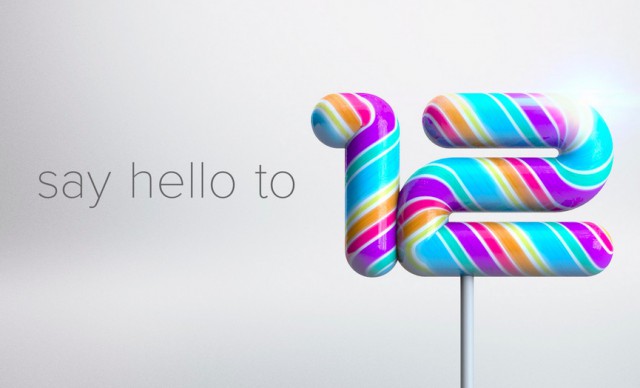
OnePlus One gets Cyanogen 12 software update, Yu Yureka to receive it soon
The OnePlus One smartphone has finally started to receive the Cyanogen software update. On a blogpost, the software maker announces that the OnePlus One handset is the first smartphone to snag the Cyanogen update. The Yu Yureka smartphone will be receiving the update soon, the company notes.
Cyanogen 12 is built on top of Android 5.0 Lollipop with some exclusive software features -- such as App Themer that lets you change style system-wide -- and many software tweaks. The build also brings with it the company’s new email app. The update is rolling out over the air.
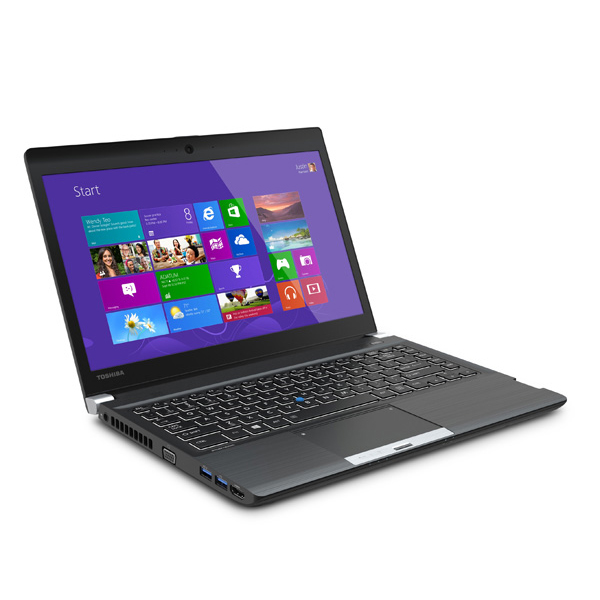
Toshiba focuses on small business market with Ultraportable Portégé R30 laptop
When it comes to computing, small businesses can have unique needs. Unfortunately, many manufacturers ignore this segment, thinking that between Enterprise and consumer offerings, the small businesses can find a solution. To be honest, this isn't quite off base -- small business owners may find a decent machine at Best Buy or online somewhere that meets their needs. Still, how nice would it be if manufacturers actually focused on this market?
Don't worry, Toshiba has you covered. Today, the manufacturer announces the Portégé R30 laptop. This 13.3-inch offering may be perfect for both small and medium-sized businesses, as it is very compact for travel, while offering solid performance using Intel's dependable Haswell processors.
Windows remains vulnerable to serious 18-year-old SMB security flaw
A serious security hole leaves millions of Windows users open to attack, making it possible to extract encrypted credentials from a target machine. Researchers at Cylance say the problem affects "any Windows PC, tablet or server" (including Windows 10) and is a slight progression of the Redirect to SMB attack discovered by Aaron Spangler way back in 1997.
Redirect to SMB is essentially a man-in-the-middle attack which involves taking control of a network connection. As the name suggests, victims are then redirected to a malicious SMB server which can extract usernames, domains and passwords. Cylance also reports that software from companies such as Adobe, Oracle and Symantec -- including security and antivirus tools -- are affected.
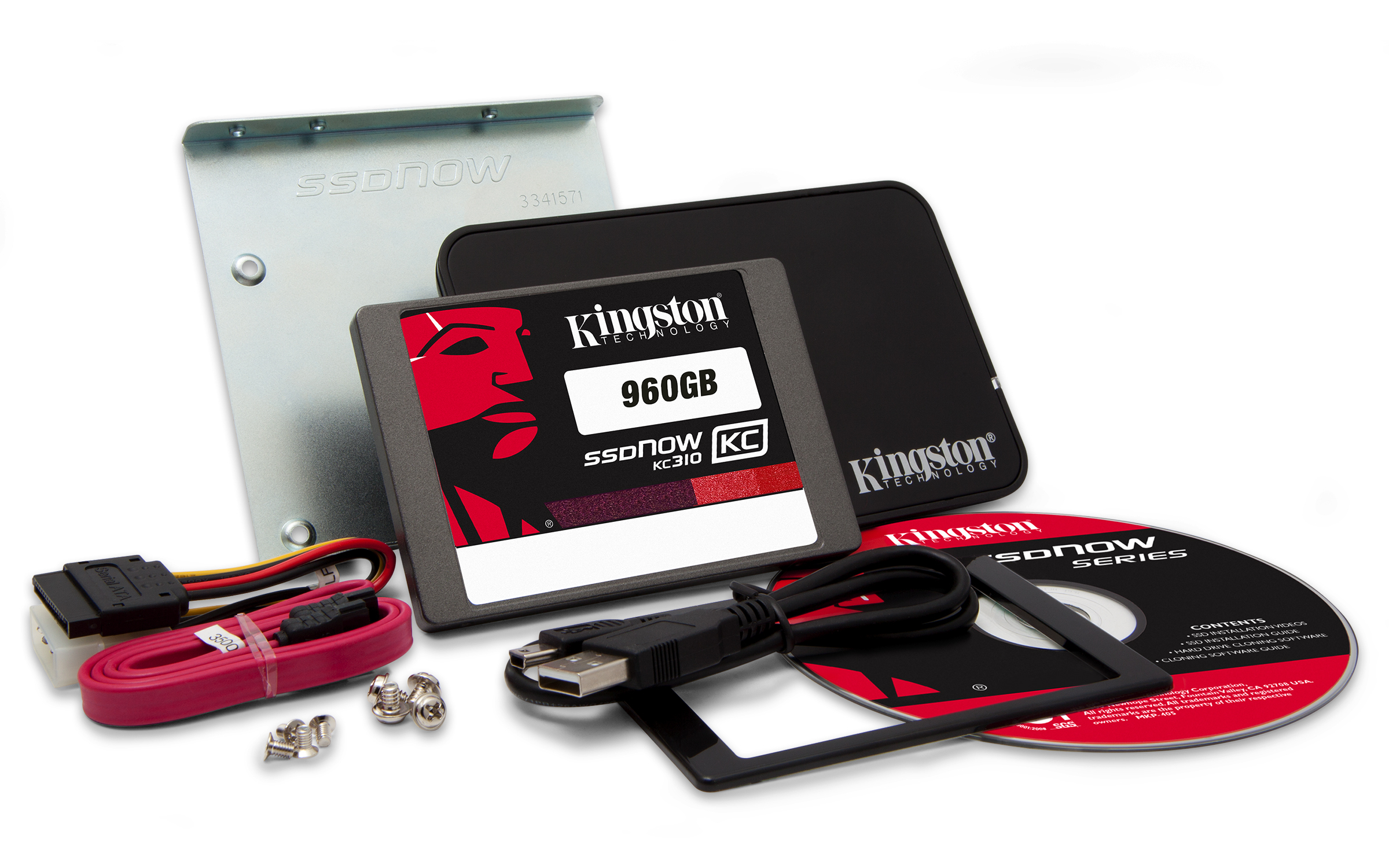
Kingston Digital KC310 960GB 'business-class' SSD now shipping
Not all solid state drives are created equal. Sadly, I have learned this lesson the hard way. In an attempt to save money, I have in the past purchased budget drives. The result? Early failures, causing data loss and headaches.
Nowadays, I only buy quality brands, such as Samsung and Kingston. While the former makes some of the best drives on the market, the latter is no slouch either. Quite frankly, I rather love Kingston for SSDs and flash drives due to their reasonable cost and high reliability. Today, the company announces that it is shipping a 960GB "business-class" SSD.

You need Good Data before you can have Big Data
Businesses are beginning to understand the need for Big Data, the large and often disparate information generated by staff, systems and websites.
Across all industries, big data enables companies to analyze their information and interactions to improve customer or supply chain engagement and of course, operational performance.

Linus Torvalds announces Linux kernel 4.0 -- a mediocre open source milestone
Linux is not an operating system, but a kernel. This is an important distinction, as not all Linux-based operating systems are equal. For example, Ubuntu, Android, and Chrome OS are all Linux, but hardly the same. What makes something qualify as being Linux, is simply the utilization of this kernel.
The father of Linux, Linus Torvalds, announces the latest version of the kernel, 4.0. While you may think this is a monumental release because of the number jump, you would be quite wrong. Actually, moving to 4.0 is mostly cosmetic and inconsequential. Despite the lackluster changes, this is a milestone moment for the open source community.
Pixel pushing -- what's the point in Sharp's 5.5 inch 4K 806ppi screen?
It is a given that whatever technology you see in front of you will be bettered if not next week, then next month or next year. Processors will get faster, hard drives bigger, laptops thinner and... well, you get the idea. In the realm of mobile devices there was a time when size meant everything. Mobile phone screens grew larger and larger, but then focus started to switch.
Size, it turned out, was not everything after all; it’s the number of pixels that matters. We started to see ppi figures quoted everywhere, Apple even came up with its own label for the pixel density at which pixels became indistinguishable -- Retina Display. This was just the start of the battle of the pixels, though, and now things are starting to get a bit silly. Sharp has announced a 5.5 inch 4K screen which boasts a pixel density of 806ppi. Say, what?