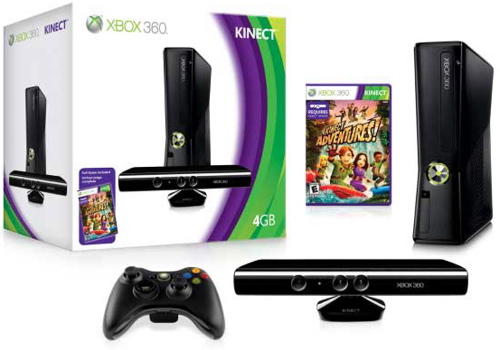
Microsoft denies link between Xbox failures and Kinect
On the same day when Microsoft announced that it had sold eight million Kinects, the company is now finding itself facing criticism as consumers claim the accessory is reportedly causing "red ring of death" failures on Xbox 360 consoles.
A report from the BBC as well as posts scattered across Microsoft's Xbox support forums have highlighted the issue. The problems appear shortly after the Kinect is connected, and will render the console unusable. So named because the normally green lights of the Xbox 360's power button turn red, the "red ring of death" indicates a serious error that typically cannot be fixed without sending the console back to Microsoft.
Ballmer CES keynote: Microsoft sells 8 million Kinect controllers
It wouldn't be the Consumer Electronics Show without Microsoft kick-off keynote. For about a decade, cofounder Bill Gates assumed the role. More recently the burden belongs to CEO Steve Ballmer.
Considering all the accolades given Apple chief executive Steve Jobs during 2010, I wonder if he would give the keynote if asked. After all, Job's is tech's CEO-darling of the hour, he runs the tech company with largest valuation and Apple's most successful products -- at least released during the new millennium -- are consumer electronics: iPad, iPhone, iPod touch and newer MacBook models. Apple's products have lots more to do with consumers and electronics than do Microsoft's. Ballmer's company mostly sells to enterprises and earns nearly all its profits from software. Apple sells hardware, and of course bundled software and services, to consumers.
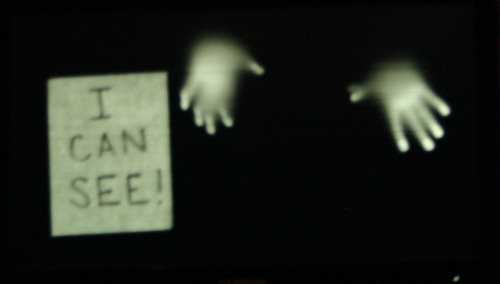
Microsoft introduces "Pixel Sense" in new, slimmer Surface 2.0
At a pre-keynote briefing Wednesday, Microsoft unveiled Surface 2.0, the company's newest build of its touchscreen display that has thus far been employed mostly in signage and kiosk interfaces.
The first generation of Surface utilized cameras to sense where the user was touching the screen, and this made it a gigantic, immobile table. Now, in partnership with Samsung and AMD, Surface is only 4" thick, and it comes with the biggest piece of Corning's Gorilla Glass that has ever been bonded to an LCD screen. It's not unlike a big smartphone, and because it is so much thinner, it can now be mounted upon vertical surfaces.
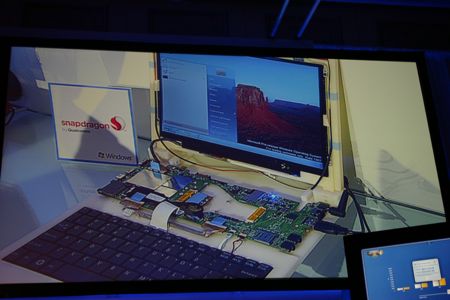
"Windows 8" will run on ARM natively, Microsoft says
Microsoft is taking notice of industry trends, and told attendees Wednesday at the Consumer Electronics Show in Las Vegas that the next version of Windows would run on ARM chips. The move is an acknowledgement of the changing face of consumer electronics -- that smart phones, tablets, and portable devices are indeed the future.
The move is also significant for another reason -- up until now, Microsoft on ARM was relegated to the stripped down versions of Windows, either Windows Mobile, CE, or Embedded. Having the capability to run a full version of the operating system natively on these mobile processors opens up more possibilities for manufacturers in developing compact devices, the Redmond company believes.
Are this year's CES attendees afraid of Apple?
It's the question I've been asking all week. The Consumer Electronics Show doesn't officially start until tomorrow but unofficially tonight with Microsoft CEO Steve Ballmer's 9:30 ET keynote. Yet there have been major announcements and press briefings all week. It's as if vendor attendees are rushing and stumbling over one another to get out their news before January 6. Now why is that?
There's more than CES going on tomorrow. Apple will launch the Mac App Store. In mid December, when the launch date was announced, I asserted: "Apple crashes CES party with Mac App Store." Perhaps many vendors fear the same. I don't recall there ever being so much news before the show's start. Amazon, ASUS, AT&T, Intel, Lenovo, LG, Netflix, Samsung and Vizio are just a sampling of major vendors holding big press events and/or making major announcements since Monday.
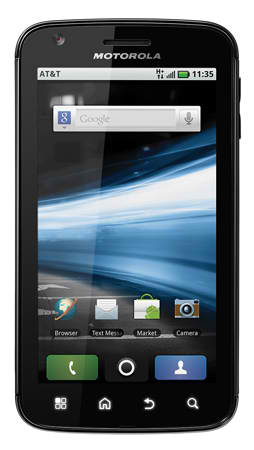
Motorola shakes the earth at CES with Atrix 4G Android phone/notebook
The freshly spun-off Motorola Mobility has made a huge impact at CES 2011 with the new Android-powered Atrix 4G, a dual-core Android smartphone with 1GB of RAM that can be docked in a multimedia desktop dock or an 11" notebook dock, making it a full-blown Android PC either way.
Atrix 4G, simply stated, is the most powerful smartphone that has ever been announced. It has a dual-core Nvidia Tegra 2 processor, 1GB of RAM, support for up to 48GB of storage, a 4" (960 x 540) screen, 5 megapixel flash camera and front-facing VGA cam, HSPA+ mobile broadband, 802.11b/g/n, and Android 2.2 with MotoBLUR.
Toshiba wants you to take the glasses off for 3D
Toshiba feels confident enough in its 3D technology that it has introduced an HDTV display at this year's Consumer Electronics Show that no longer requires the viewer wear glasses. Instead, the effect is maintained through a sophisticated system that recognizes the viewer's face to ensure proper viewing angle and a special lens that angles images for both eyes.
What this does in effect is akin to the 3D photos first made popular years ago, those who have seen it say. In order for the effect to work, it is only turned on when a camera on the monitor detects that the eyes are properly aligned. While this means a restricted viewing angle, Toshiba says that the benefits of not needing glasses would make the new technology appealing.
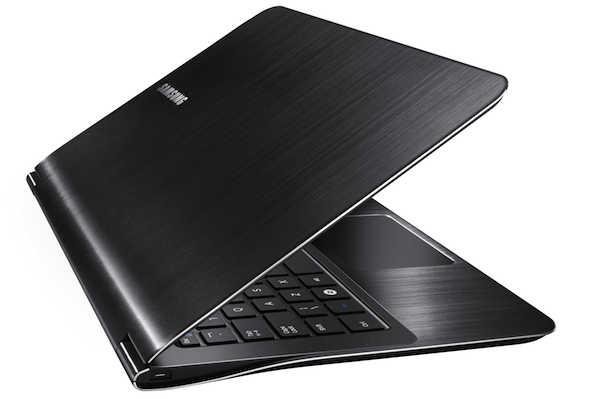
Samsung's Series 9 laptop is the Windows Macbook Air killer you've been waiting for
Second-generation Intel Core Family processors are here, and laptop manufacturers are wasting no time announcing new models. Samsung has the eye-popper of the Consumer Electronics Show (OK, so far), and it's sure to make MacBook Air owners whine with envy (that is if they're between Apple Kool-Aid fixes). Hell, I want one. The Samsung 9 Series packs big performance in a little package.
How little a package? The 9 Series has a ".64-inch profile," (16.3 mm) according to Samsung. MacBook Air thickness ranges .11-.68 inches (3-17 mm) Both laptops weigh 2.9 pounds (1.73 kg). The two thin-and-lights feature 13.3-inch displays with 1366 x 768 resolution, DDR3 memory and no optical drive. But the 9 is two full Intel processor generations ahead of the Air, with second-generation 1.4GHz i5 Core processor compared to the aged 1.86GHz Core 2 Duo processor.
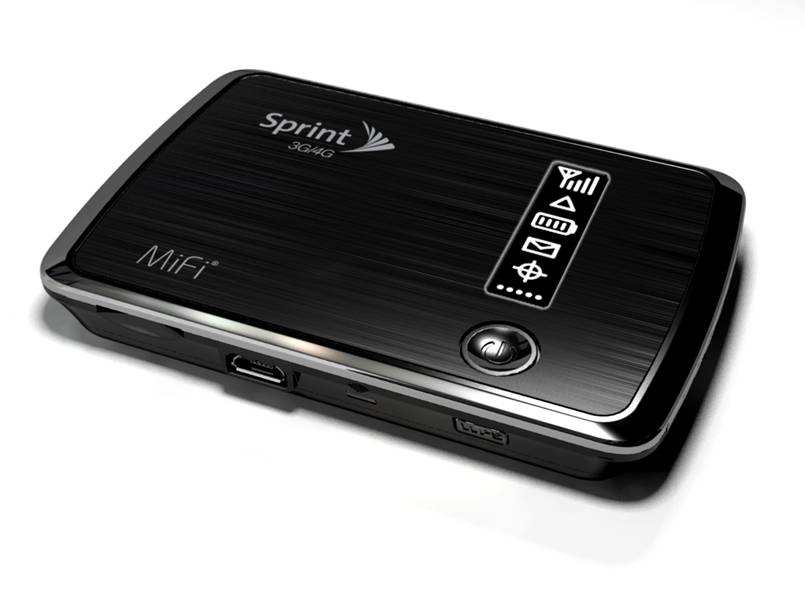
Sprint Debuts New MiFi 3G/4G device
Sprint on Tuesday unveiled a new Novatel MiFi device with 4G compatibility, a newer version of the previous 3G-only model. Connectivity for up to five devices at once would be supported, and the unit would also include storage capability with a microSD slot that would support up to 32GB chips. Like similar devices from its subsidiary Clear, the MiFi would use WiMAX in cities where it is available, and revert back to 3G where it is not.
The new MiFi is also lighter and has a longer lasting battery, supporting four hours of use on a single charge. Service plans for the device would cost about $60, and allow for unlimited usage of WiMAX, however 3G usage would be capped at five gigabytes per month.
AT&T accelerates 4G plans, 20 4G phones planned this year
Feeling the heat from Verizon and that company's expanding 4G rollout, AT&T said Tuesday at CES that would accelerate its LTE plans, planning to have the network complete by 2013. In addition, the company plans to start preparing customers by releasing 20 4G-capable phones during 2011.
The carrier would also move up the launch of LTE overall -- expecting to enable the higher speeds by the middle of this year. Until now, AT&T had been rather vague in its plans for LTE's launch, but it is likely Verizon's high-profile 4G push has given AT&T impetus to catch up to its biggest rival.
11 CES 2011 Day 0 announcements you should know about
Vendors aren't waiting for the Consumer Electronics Show to officially open. The kick-off keynote, with Microsoft CEO Steve Ballmer, starts tonight at 9:30 pm ET. The show officially opens tomorrow. Early announcements, such as ASUS, Toshiba and Vizio tablets, tumbled out like little stones falling down the mountainside on Monday and Tuesday. Today, it's the avalanche. Which announcements matter?
Amazon is opening an Android apps store. That's right, it's Amazon versus Android for Android developers. The Amazon appstore Developer Portal beckons Android developers away from the Android Marketplace. Apple can laugh all the way to the bank.
Amazon to open Android App Store later this year, developer portal launches in beta
Web retailer Amazon.com is launching its own Android app store both for Android devices and for the Web. Wednesday, the company opened the beta of its developer portal, inviting Android appmakers to enroll in the program and submit their apps for approval.
There may be one "official" Android Market that is run by Google, but that doesn't mean Google necessarily owns the Android application trade. Thanks to the mobile OS's open source underpinnings, there are many third-party app stores designed by carriers, manufacturers, and software companies. Some companies that have released devices running on Android have also created app stores exclusive to their devices.
The most important tablet is missing from CES, and it's not iPad 2
Actually, I'm hoping to be wrong in this assertion, and with main Consumer Electronics Show events commencing tomorrow there's still a chance I might be. The most important tablet, or table concept, must come from Google. The plethora of Android 2.x tablets won't be competition enough against iPad. When it comes to products and marketing, there often isn't safety in numbers.
During CES 2010, Google released the Nexus One. The search and information giant designed the HTC-manufactured smartphone, which ran the then newest Android version -- 2.1. Many bloggers and journalists wrongly wrote that Google charted new retail waters by selling direct. I repeatedly corrected this claim. For example, Nokia has sold phones direct for years, Many blog or news posts about the N1 also missed the point: Google wasn't going into retail sales but establishing a reference design for manufacturers and developers. From that perspective, Google executed brilliantly with N1 and continued with last month's release of the Samsung-made Nexus S.
What's it really like to attend CES?
Okay, so, I'm throwing things into a rollie and a backpack to head off to the Consumer Electronics Show tomorrow. It's the usual drill, which I could probably do in my sleep by now, but I still have to apply some consciousness. For example, tomorrow evening I get my rental bike delivered to the hotel, but Vegas is going to be cool this year. So, I have to pack light but warm items: wool cap, ski glove liners, windproof shell.
And I'm not taking my HP Jornada as a note-taking device for the first time since 1998. This time, I need to stay connected. So, an old Lenovo X301 with Windows 7, solid-state storage, 3G and WiFi will have to do it. Oh, and extra battery. At this point, I'm as ready as anyone can be for the chaos that is CES. What is going to be like there? The rest of this post highlights various aspects of the show, some perennial, some dynamic.

Netflix buttons coming to your Blu-ray, TV remote controls
Streaming entertainment service Netflix announced ahead of CES 2011 Tuesday that it had partnered with select manufacturers to include a Netflix "button" on remote controls. So far Blu-ray players from Dynex brand, Haier, Memorex, Panasonic, Samsung, Sharp, Sony, and Toshiba will include the button, as well as Internet connected TVs from Sharp, Sony and Toshiba.
Netflix buttons would provide one-click access to the built-in application, which the company hopes will increase usage of what has become an increasingly larger percentage of its business. The first enabled devices would appear in the spring, the company said.