
Google is switching to weekly Chrome updates to boost security
Google has announced that it will release security updates for Chrome on a weekly basis, doubling the speed with which fixes are delivered to the stable channel.
This will not change the release schedule for significant new versions of Chrome, but it means that users of the browser can enjoy greater security. Google's change in pace is designed to reduce the "patch gap", with the company saying that it treats "all critical and high severity bugs as if they will be exploited".
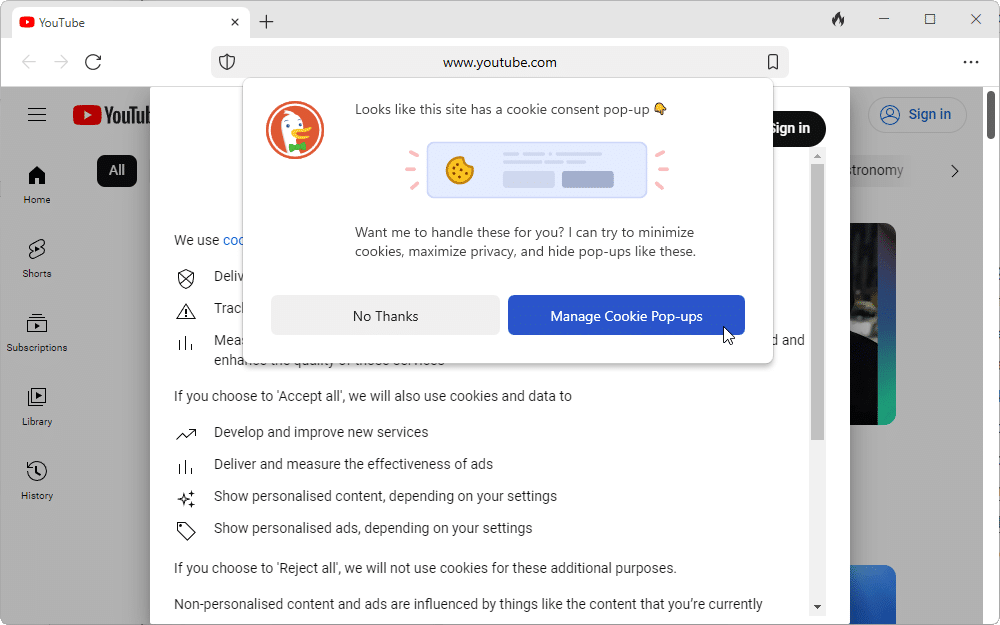
Boost web privacy by installing DuckDuckGo Browser for Windows and Mac
Protecting your precious privacy when browsing gets harder by the year. With this thought in mind, privacy focused search engine DuckDuckGo has decided to dip its toes into the desktop web browser market with the recent launch of DuckDuckGo Browser for Windows Beta, which follows hot on the heels of an earlier Mac release.
This may be DuckDuckGo’s first Windows browser, but it’s an already established option on mobile (iOS and Android) in addition to the existing Mac build. Both desktop versions are built from their operating system’s browser systems, which means the Windows build -- unlike most browsers -- isn’t a simple Chromium port. Instead, it's been built from scratch using the same underlying elements as Microsoft’s Edge browser, namely Microsoft’s Windows WebView2 API on top of the Blink rendering engine.

Brave Browser is ending behind-the-back port scanning attacks
The next major version of Brave Browser, a Chromium-based browser with a focus on privacy, will prevent sites and apps from accessing local resources without user permission.
Most modern browsers allow access to local resources. In fact, many do not differentiate between local and remote resources, and do not include options to block access to local resources.
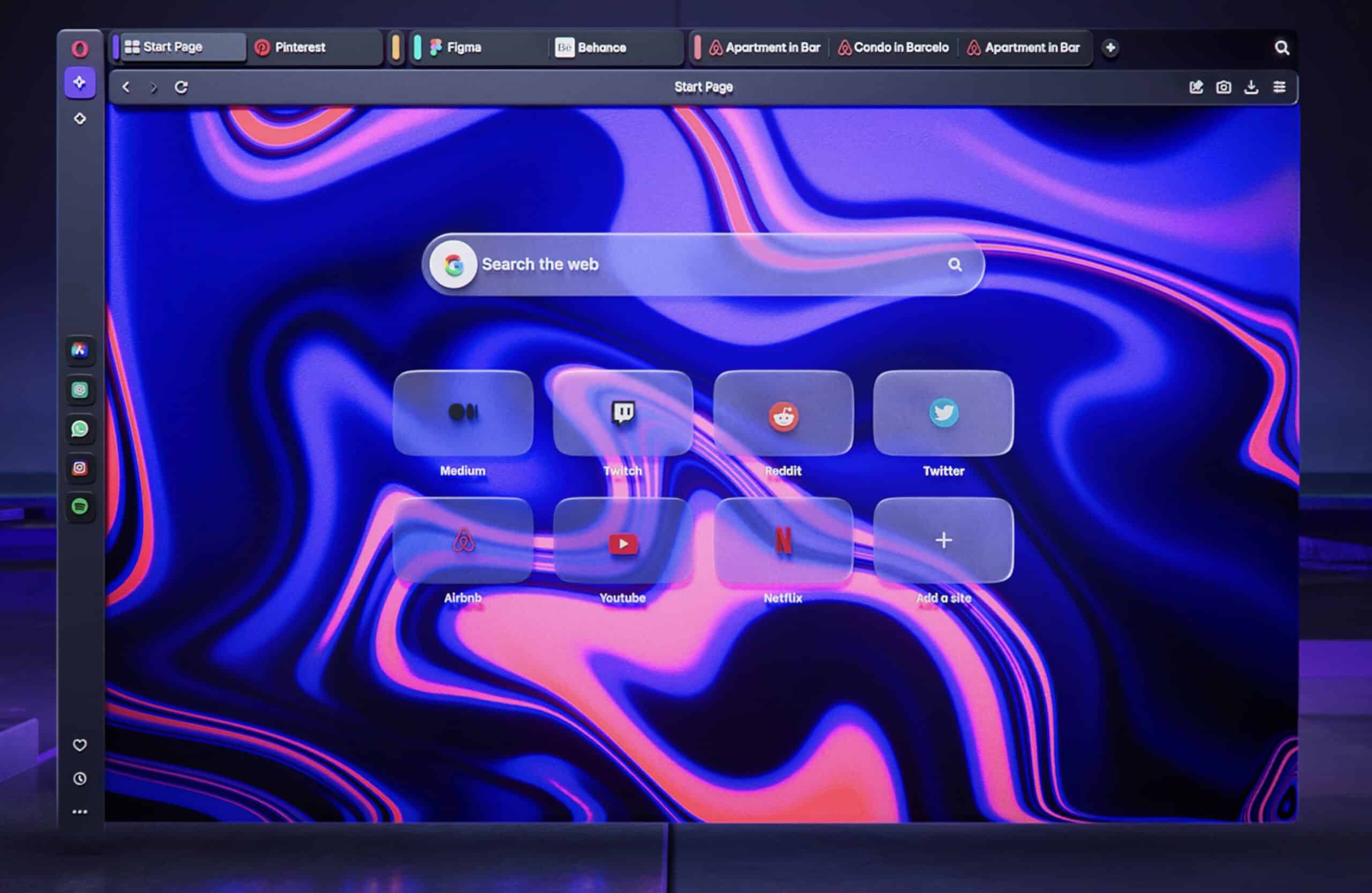
AI-powered Opera One web browser now available for Linux, Windows, and macOS
Opera One, an innovative web browser that utilizes Artificial Intelligence, is finally here. With its integration of Aria, the first-ever browser AI, Opera One takes browsing to the next level. Aria is easily accessible through a new command line and the browser sidebar, allowing users to tap into a leading generative AI service and stay up-to-date with real-time web information.
Opera has been at the forefront of generative AI advancements, aiming to provide users with an exceptional browsing experience that boosts productivity and creativity. Unlike other browser companies, Opera didn't simply add AI services as an afterthought. The developers went back to the drawing board and completely redesigned their flagship browser.

Google is gearing up for the general availability of Privacy Sandbox APIs in Chrome
Google has been busy working on Privacy Sandbox for some time, and now the company is ready to unleash some of its tools on the public.
Starting with Chrome 115, Google says that it will be making the Privacy Sandbox relevance and measurement APIs available to all users of the browser. The move gives developers a better chance to work with the APIs, and is part of Google’s drive to deprecating third-party cookies in Chrome in the second half of next year.

Firefox 113 unveils search and picture-in-picture improvements alongside tighter security
The Mozilla Foundation has unveiled Firefox 113.0 alongside Firefox ESR 102.11.0, the latest version of its open-source, cross-platform browser.
It’s a relatively big release, with numerous security enhancements and UI improvements, particularly when searching the web through the URL bar and making use of Firefox’s picture-in-picture video player.
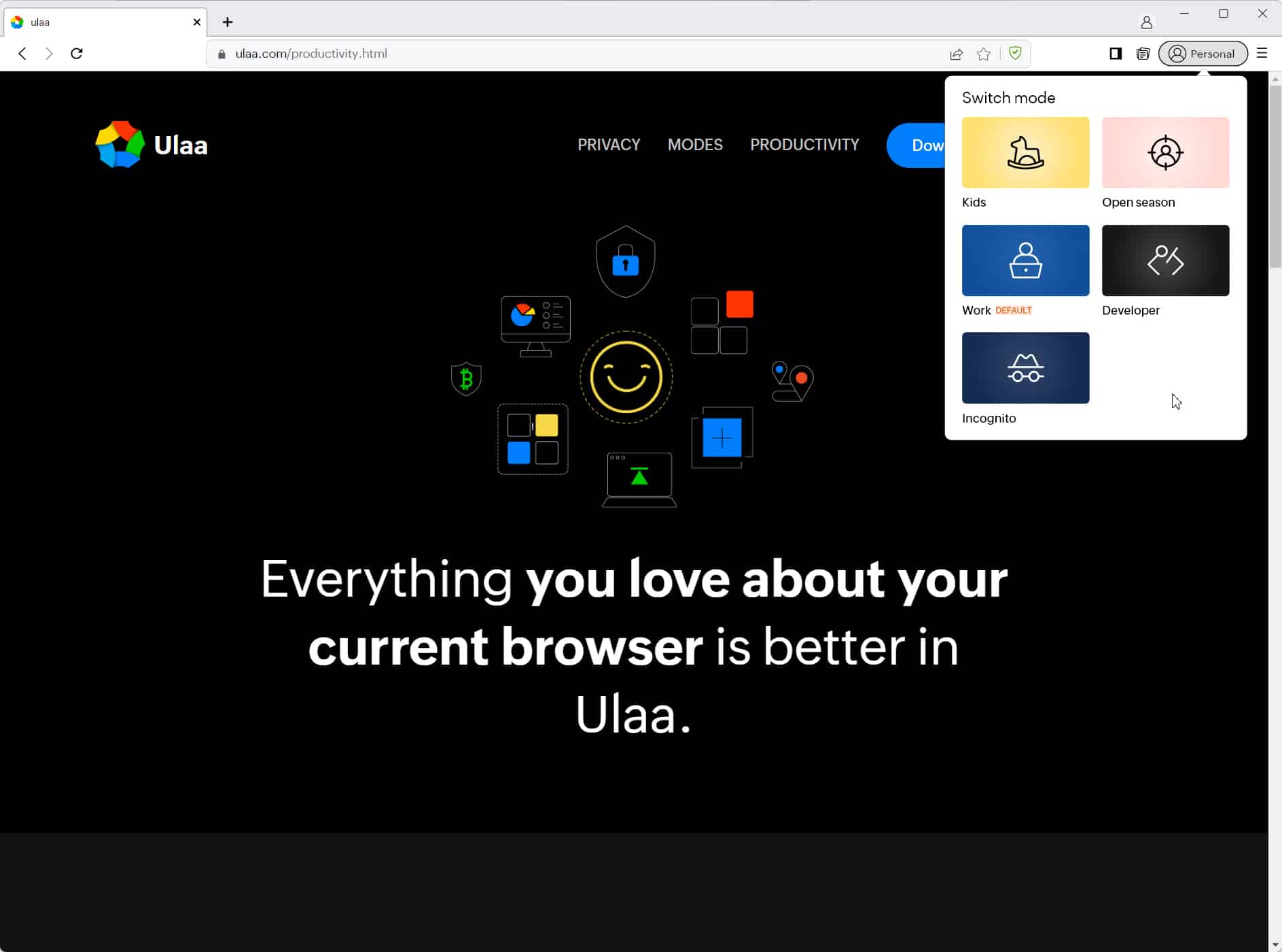
Zoho launches Ulaa, a free privacy-focused web browser for Windows, iOS and Android
Built to specifically address the growing concerns over online privacy, Zoho has launched Ulaa, a privacy-focused browser that comes equipped with pre-installed tools capable of blocking tracking and website surveillance.
Ulaa (a word derived from the Tamil language that means journey or voyage) offers customization options, built-in browser modes, and integrated productivity tools, while ensuring that user data remains confidential. Additionally, users can synchronize their browsing sessions between devices -- whether an entire browser window or a single tab -- enabling seamless use of multiple devices within the same browsing session.
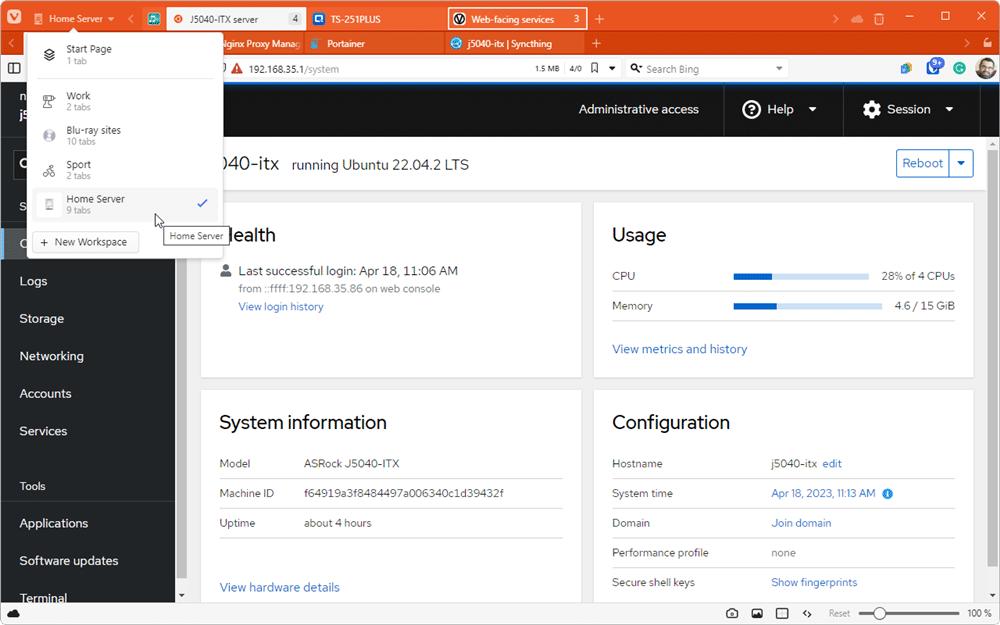
Vivaldi 6 offers Workspaces for better tab organization, adds custom icons to Themes
Vivaldi Technologies has unveiled Vivaldi 6.0 for Windows, Mac, Linux and Android, a major new release of its customizable web browser.
Version 6.0 lands with two heavyweight new features: an additional layer of tab organization called Workspaces, and support for custom icons on the browser toolbar.
Firefox 112 delivers Intel GPU performance improvements on Windows builds
Mozilla has released Firefox 112.0 alongside Firefox ESR 102.10.0, the latest versions of its open-source, cross-platform browser.
Version 112 introduces performance improvements for those running Intel GPUs on Windows, plus makes it possible to restore the previous session using the Cmd/Ctrl + Shift + T shortcut.

Is it worth paying for an enterprise browser? [Q&A]
Why would you pay for a browser when all of the popular ones are available for free? If you're an enterprise it could be because a paid browser can address some key problems.
We spoke to CEO and co-founder of enterprise browser specialist Island, Mike Fey, to find out more about this category and what benefits it can offer.

Windows 7's and 8.1's end of support is a massive chance for underdogs like Mozilla
Last month, Microsoft ended support for its Windows 7 and 8.1 operating systems officially. Windows 7 was kept alive by the company for business and Enterprise customers for the past three years through an Extended Security Updates program, but that ran out on the same day as support for Windows 8.1 ended.
Google and Microsoft announced that their browsers, Chrome and Edge, would not support both operating systems after support end. Chrome 109 and Edge 109, released in January 2023, are the last supported versions. The next stable versions, scheduled for a release in early February 2023, won’t support Windows 7 or 8.1 anymore.

Island integrates ChatGPT into its enterprise browser
Since it was launched towards the end of last year ChatGPT has created quite a buzz, both for its legitimate uses and its potential to be abused.
Now though Island is announcing the integration of ChatGPT into its Island Enterprise Browser. It aims to provide deep contextual awareness, so you receive prompts that are informed by your behavior and relevant to what you're working on, as you work on it.

Why your organization's biggest risk might come from your browsers [Q&A]
Last year saw zero day vulnerabilities being actively exploited in the wild across many of the major web browsers.
For businesses that allow their users to choose which browser they use this is a problem due to the frequency of vulnerabilities. We spoke to Ofer Ben-Noon, co-founder and CEO at Talon Cyber Security and former member of the Israeli intelligence community, to find out more about the current threat landscape and how firms can secure their browsers.
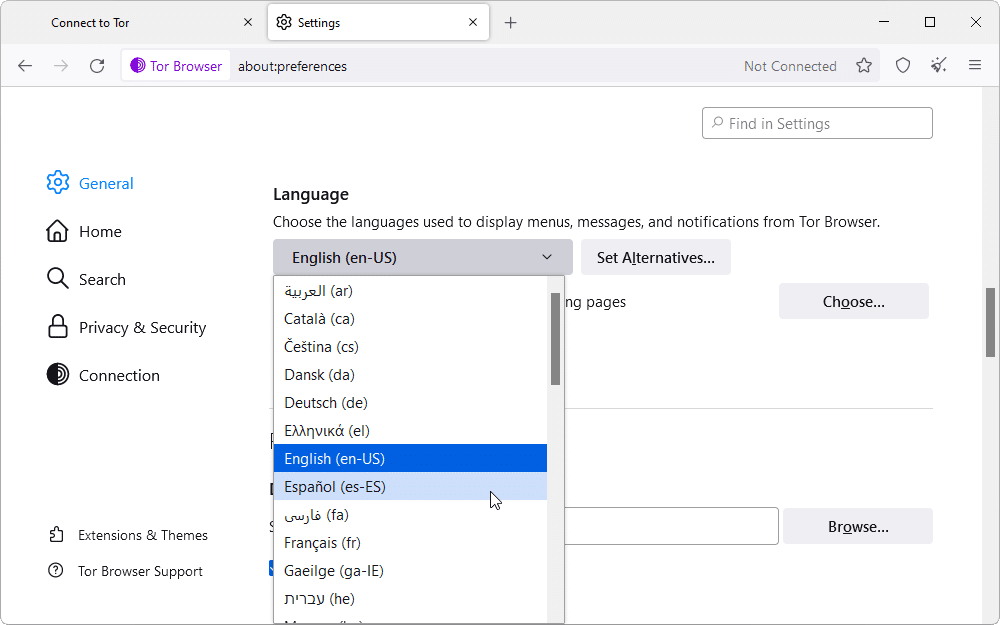
Tor Browser 12 released, adds native Apple Silicon support and improves Android build's privacy and security
US nonprofit the Tor Project has announced the release of Tor Browser 12.0 for Windows (both 32-bit and 64-bit), Mac, Linux, and Android. The major change in version 12.0 is that its underlying code has now been updated to Firefox Extended Support Release 102.5.
Tor Browser is a Firefox variant, designed for accessing the internet through the open Tor network, which makes users harder to track online through a combination of multi-layer encryption and the use of relays to boost anonymity. In addition, the browser is configured with maximum privacy in mind through the use of private browsing by default alongside other anti-tracking tools.

Firefox 105 promises improved stability in low-memory situations, touchpad improvements
Mozilla is rolling out Firefox 105 for Windows, Mac and Linux machines. Key takeaways from this new build include improved stability and efficiency in low memory situations in Linux and Windows, as well as an option to print just the current page from the print preview dialog.
Major new features, then, are hard to find in Firefox 105. Swipe to navigate -- using two fingers on a touchpad -- has been implemented in Windows allowing users to swiftly move back and forwards through their history. The new build also promises a doubling of speed when searching large lists for individual items.