
Stop whining about Google Reader
This morning, in a Google+ post, Eli Fennell expressed something I felt for days: That the furor over Google Reader's execution is way, way, way too much. I've written little about the service's demise and actually have argued with colleagues in group chat about their trying to hold onto Reader or mimic the sorely, last-century user interface.
My one quip, from a Thursday story: "You'll never guess what you gave up Google Reader for? The tried-and-true makes way for a few, ah, experiments. Newest: Chrome World Wide Maze". Gasp! Some people took that seriously. I meant it as indictment against all the stupid fuss about the RSS service's July 1 retirement.
Nationwide Google Fiber is a lofty 'pipe dream'
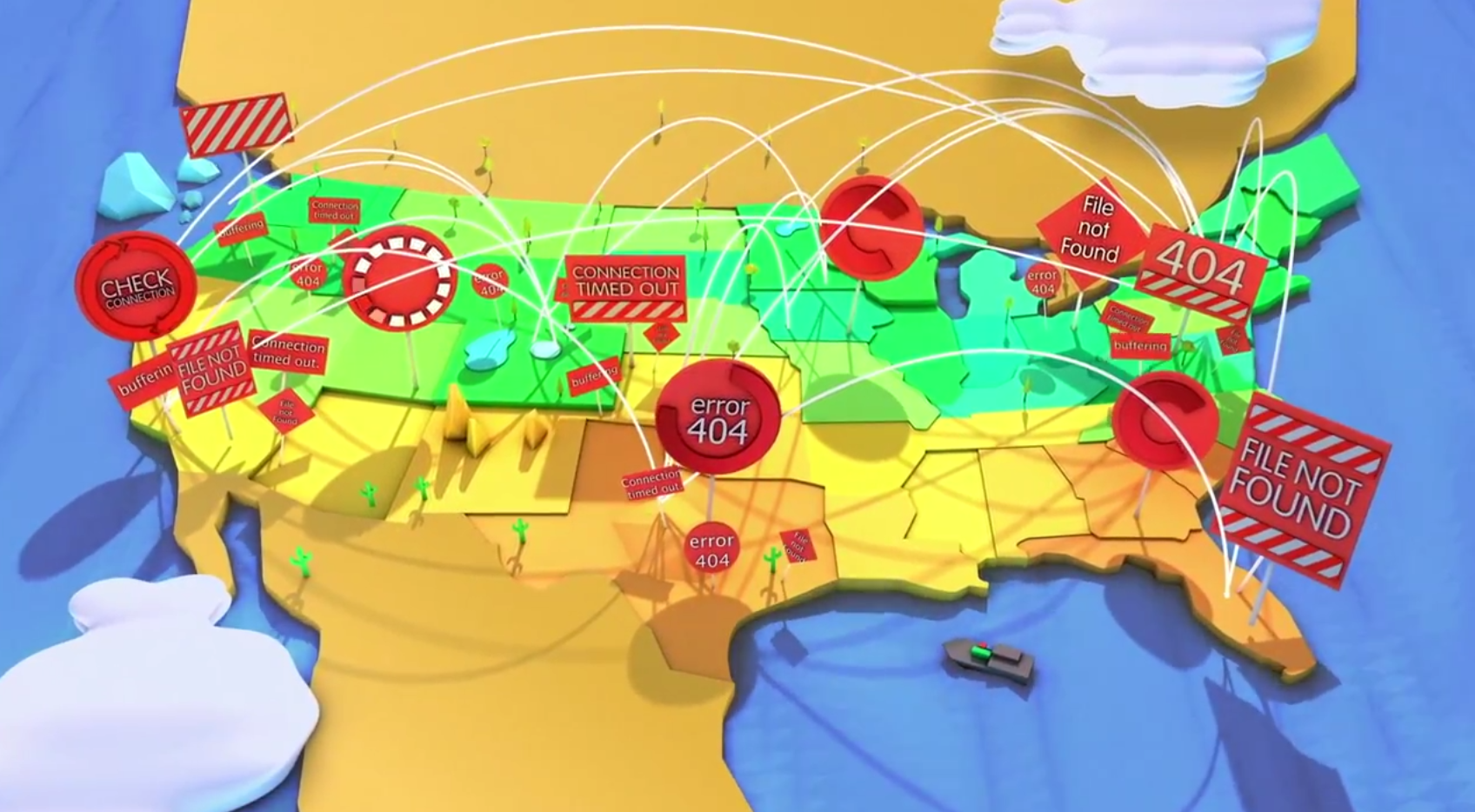
Many people considered this company irrelevant and dead years ago. Yet with nearly three million paying Internet service subscribers still, this provider is anything but dried up -- yet. Internet access, among other subscription services, makes up a clear majority of its continuing sales and its greatest chunk of profits as a whole. Subscriber growth peaked off back in 2002, but for this aging Internet heirloom, at this point they will no doubt take what they can get. Who the heck am I referring to?
Don't choke on your coffee, but it's none other than AOL. Namely, their dialup Internet service division. It's hard to believe that in the year 2013 any company has more than a trickle of subscribers left on dial up, but this attests to the sad state of broadband adoption in the United States. Of the estimated 74 percent of Americans who have internet access in their homes (2010 figures), a full 6 percent of those are still on dial-up service. There are a myriad of issues affecting broadband adoption, including things such as lack of access, pricing, reluctance to switch, etc.

What Eric Schmidt REALLY SAID about the future of Android and Chrome OS
Eight days ago, Google dropped an atomic bomb on the Android Army, with Andy Rubin's sudden departure as commander-in-chief. Sundar Pichai, who is responsible for Chrome and Apps, assumed Android leadership. The change led to much speculation that the operating system would sometime soon merge with Chrome OS. As the fallout spreads, an answer arrives: The question is irrelevant.
Google Executive Chairman Eric Schmidt tells reporters in India that Android and Chrome OS will not merge but converge, says Reuter's Devidutta Tripathy. But there's no quote, just paraphrase, which worries me about context. Fortunately, there is a video that provides context and reveals a different priority: Chrome.
Google shutting down Reader is great news
I’m a big fan of Google Reader. I don’t just access it every day, I access it, probably on average, every couple of hours or so (and still do, despite my switch to Microsoft). I have hundreds of feeds in there, and thousands of stories starred. So really I should be gutted that Google has decided to kill it off. But I’m not.
I was at first though. I even signed the petition to get Google to change its mind, even though I knew it was futile. But then I took a step back and realized that what initially seemed like devastating news for a Reader fan such as myself, was actually a blessing in disguise.
YouTube reaches one billion unique monthly visitors
Despite our recent disdain for Google, there's no denying the Mountain View, Calif.-based company is a juggernaut when it comes to web traffic. It totally dominates search and its YouTube subsidiary, which has just announced a brand new milestone, is equally unstoppable in the online video market.
The YouTube team claims the service "now has more than a billion unique users every single month", which is a phenomenal figure. The service, which was started back in 2005, has been growing steadily since inception and was purchased by Google in 2006, perhaps saving the video company from being litigated out of existence.
Google can keep Keep, I will stick with Evernote
I don't really like to play the part of the curmudgeon. But, I am getting a bit tired of the Google "me too" way of doing business, despite the fact that I have to admit I have followed it to a large degree in the past. The company was not the first (obviously) with a web browser, but got me to switch from Firefox -- a move I have begun to regret, given recent problems. Google was not the first with cloud storage and, though I signed up for the free version, I pay for real storage on Amazon Cloud and use Crashplan for backup services.
I have used Google Docs, but I prefer Office. In fact, beyond Android, there is really not much being offered that I cannot live without. Don't get me wrong -- I am not being as bold as my colleague Wayne Williams and his total switch, but I have become a bit ambivalent to all of Google. I could switch to Bing. I could go back to Firefox. Neither would really cause me stress.
Switching from Google to Microsoft, part 2 -- Teething problems
Second in a series. You know when you go somewhere on holiday and in a moment of fancy you think to yourself "I could live here"? But a small part of you knows deep down inside that the reality would be very different from the fantasy? That’s a bit like what my first experience of swapping from Google to Microsoft has been like so far.
I’ve used Internet Explorer on and off over the years, but I’ve never used it for very long. The last time it was my main browser was in 2003, ten years ago. Similarly I’ve used Outlook.com since it launched, but not as my main email provider. So in setting them up to use on a daily continual basis I’ve found it all quite odd. I’m adrift in a place where they do things differently. Not worse -- well not really -- just differently.
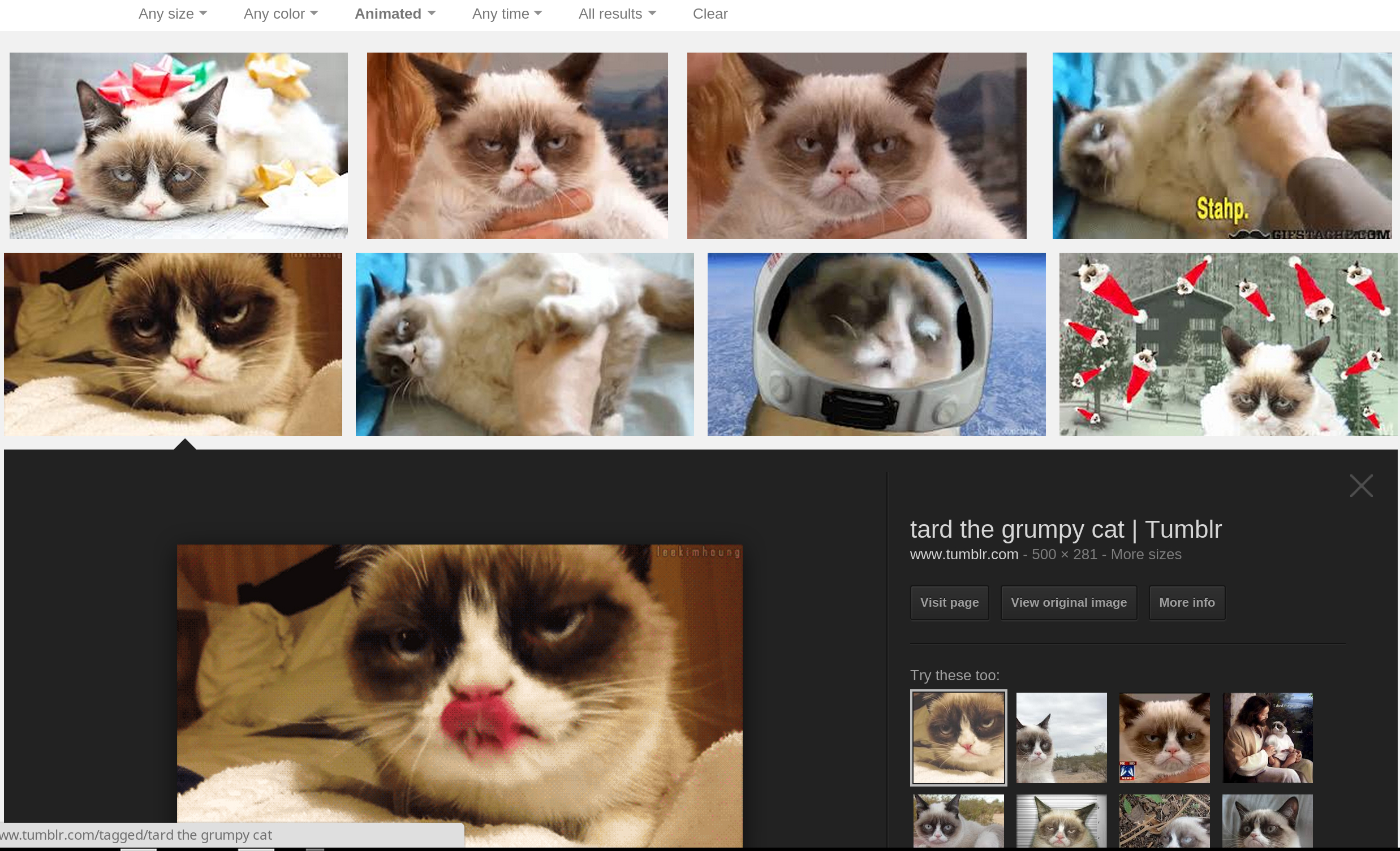
Space invaders, save us from ourselves! Google adds animated-gif search
When I first started using the web full time 19 years ago, few pages had movement. Then browsers supported animated gifts, which on many sites were gaudy things. You could count on them to add a touch of crass, no class, to any webpage. MySpace anyone? My disdain, and I'm not alone in this, for animated gifs goes back nearly two decades.
Funny thing, the moving clips are in-style thanks to better authoring tools and social sharing. Many animated gifs are still gaudy, but who really minds getting one as a joke from friends. Now they're easier to find using the planet's most popular search engine.

Try as it might, Google can't stop RSS
Many people use Really Simple Syndication without actually realizing it. Like SMTP in the background of email, RSS is the backbone of a number of things, including the podcasts you get from the iTunes store. Last week Google set off on an apparent challenge to kill RSS, or at least it seems that way to many of us.
Overshadowed in all of our talk, gripes really, about the loss of Google Reader is removal its RSS extension from the Chrome store. The extension placed the, now familiar, orange square in the URL bar and allowed users to easily subscribe to feeds by clicking and sending them to Google Reader.

Google 'Peanut Gallery' is a brilliantly-conceived Web Speech API demo
If you want to get any more work done today, read no further! Google unveiled the "Peanut Gallery" a fun, silent-move-making tool showcasing the Web Speech API released with Chrome 25 last month. You could fritter away hours creating and sharing funny clips.
"We thought it would be fun to demonstrate this new technology by using an old one: silent film", Google's Aaron Koblin explains. "The Peanut Gallery lets you add intertitles to old black-and-white movie clips just by talking out loud while you watch them. Create a film and share it with friends, so they can bring out their inner screenwriters too".
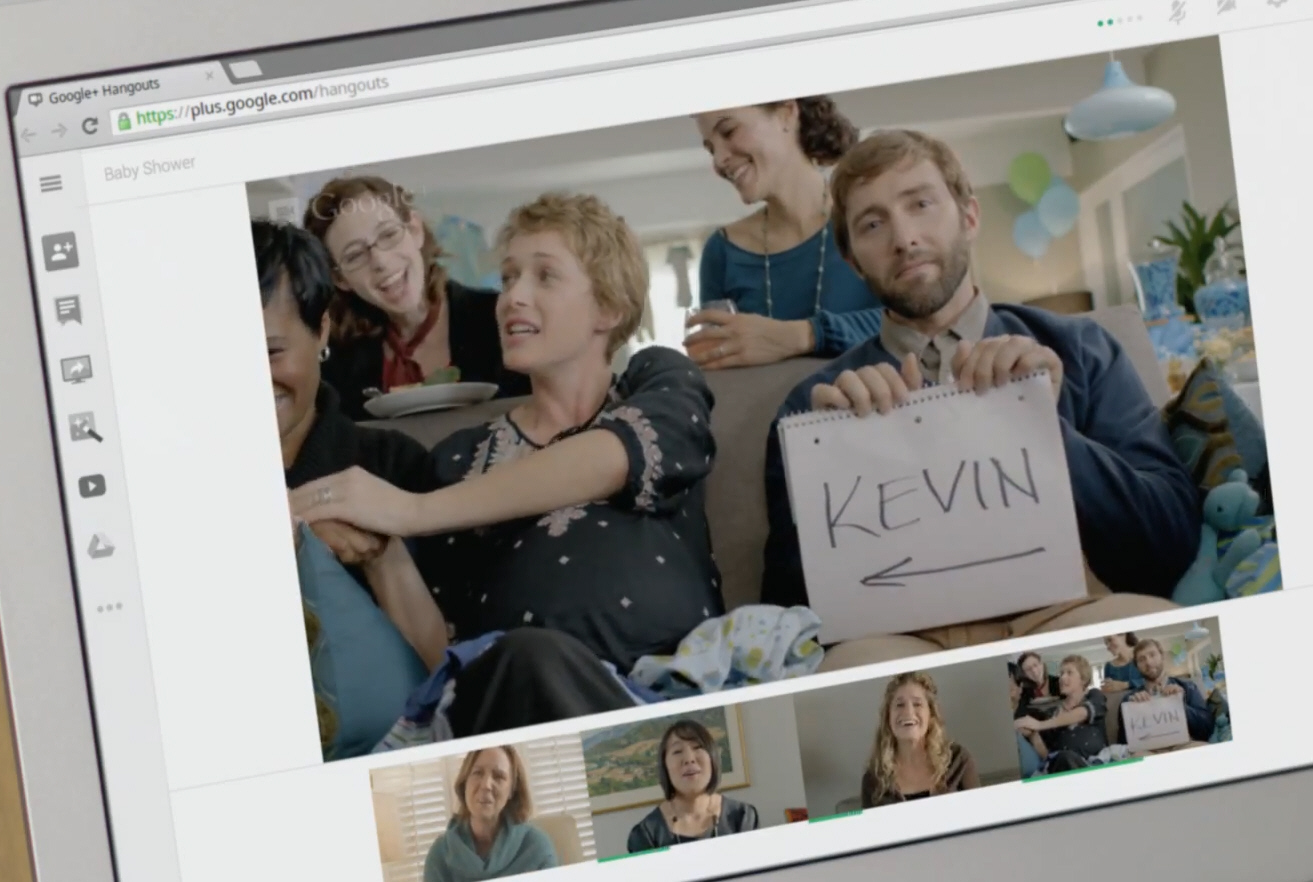
New Google ad for the Nexus 10 may not make worldwide friends
The tiniest of details can sometimes lead to the thorniest of problems, which Google may discover with its brand new Nexus 10 ad which debuted today. The video seems innocent enough -- it follows a young couple through nine months of pregnancy as they plan for their new bundle of joy and discuss what to name the baby boy.
However, if you scroll through the comments of the just-posted one minute ad, you will find something interesting. Commentor Ram Gadde points out that "sex determination of fetus is prohibited in India". He then later opines that he thinks, for that reason, "this ad will be banned in India".
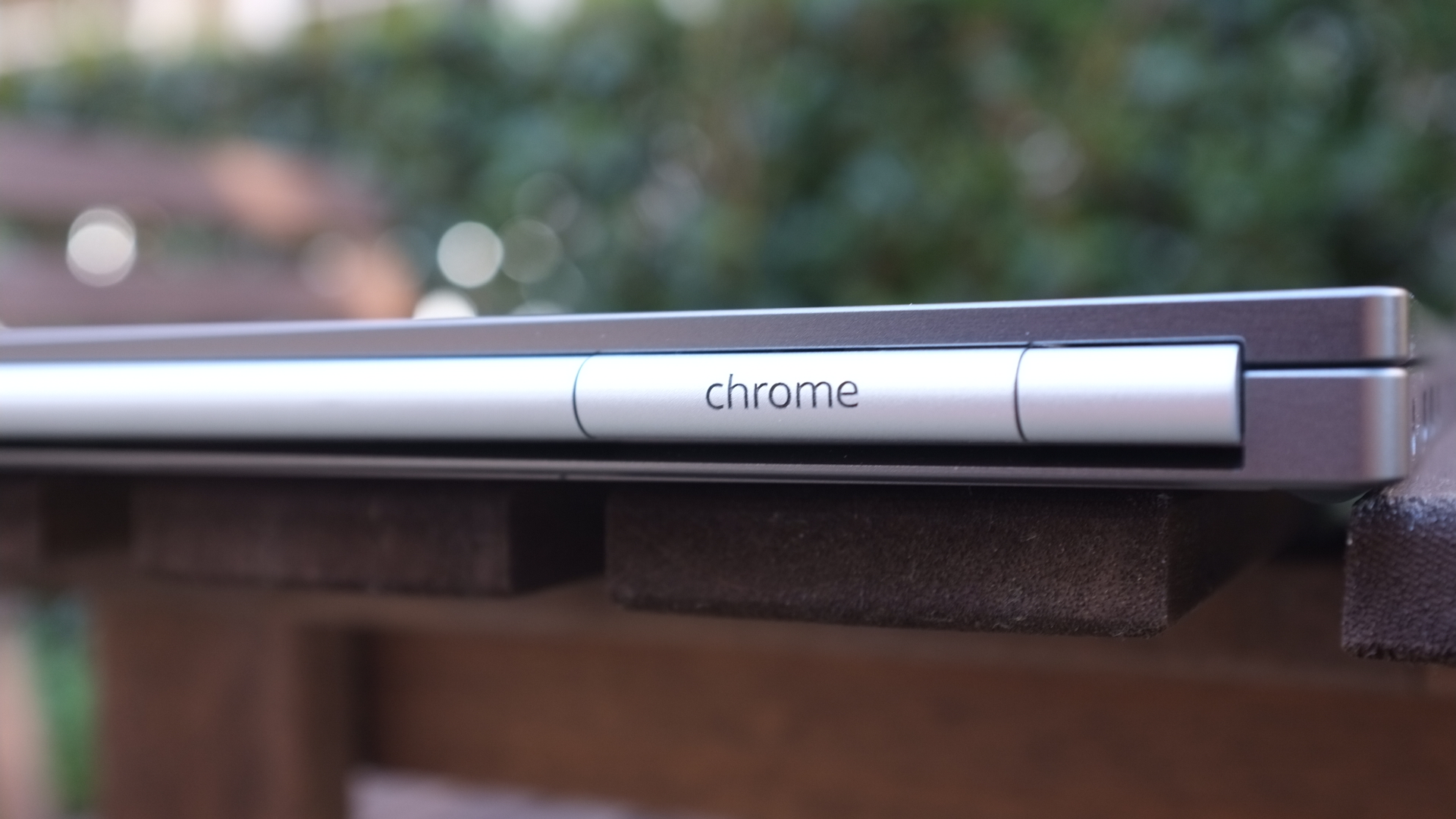
Google Chromebook goes international
Early this morning, Google announced a massive expansion of Chromebook distribution, including new countries and more Best Buys in the United States.
"Starting Tuesday, the Acer, HP and Samsung Chromebooks will begin rolling out in Australia, Canada, France, Germany, Ireland and the Netherlands", Caesar Sengupta, Google product management director, says. "To help improve computing for organizations, we’re rolling out Chromebooks to businesses and schools in these same countries as well".

Tales from a Google Reader refugee -- waiting in line to be fed
I will spare you all of the crying and griping about the whole Google Reader thing -- you have heard it all by now. Suffice it to say that I no longer plan to trust Google with much of what I do. Other companies axe products, as I learned when Microsoft killed my beloved Live Mesh last year, but Google is more regular and ruthless executioner, but I digress -- I promised no rant here.
My colleagues and I are discussing where we will all go after being chucked from Google lands into the jungle. There are a number of options, and Feedly is among the popular destinations. But I was not impressed in my, admittedly very short, look at the service. I also fired up Opera and imported my OPML file into its built-in RSS reader, but it's not cloud-based, and I was left with more than 10,000 "unread" stories. Granted it can be fixed, but do I want to?

You do NOT want Google Reader gone but embrace Feedly anyway
Dozens of alternative services have popped up to claim that future vacant lot to be cleared on July 1, the day Google Reader closes for good. Unsurprisingly, more than one hundred thousand stubborn users are unwilling to let go, unpersuaded by third-party promises, and still want their beloved RSS feeder to stay.
A basic "Google Reader" search on change.org now lists eight petitions related to the service that ask or demand the search giant keep the popular RSS feed aggregator alive. Most have less than 7,000 supporters, with one exception. The petition started by New Yorker Dan Lewis, "Google: Keep Google Reader Running", has more than 126,000 people behind it.
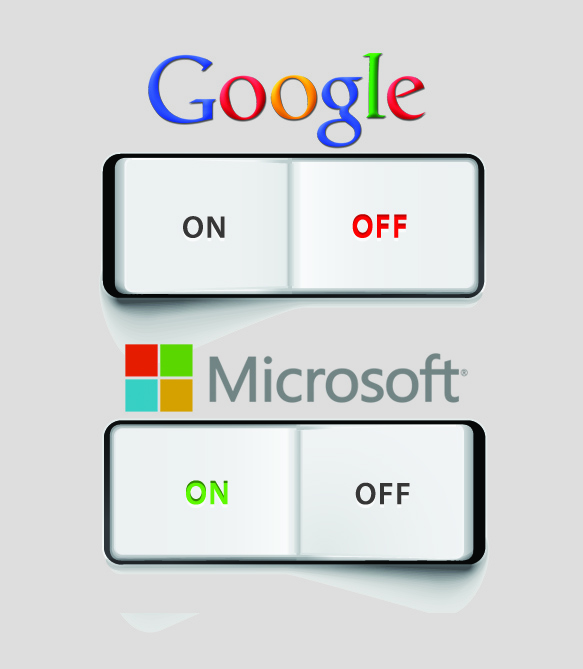
Sorry Google, I’m switching to Microsoft
A week ago, I had a dream. I was sitting on a beach with a glass of wine and a laptop and I was searching the internet using Bing. My wife came up, saw what I was doing, and said "Why aren’t you using Google?" To which I replied, "I’m boycotting it. The company shutdown Reader." Yes, that’s right, I dreamt Reader was being shuttered before Google even announced it, and now I’m using Bing. Spooky or what?
But let’s make one thing very clear here. Although I plan to switch to using Microsoft’s services for a while, it’s not a boycott. I realized, after the dream, that I’ve been so tied into Google that I’ve never really given Microsoft’s alternatives -- Bing, Outlook.com, Bing Maps, and even Internet Explorer -- a fair chance to see how they compare. I've used them, in passing at least, but I've never used them full time. And today that’s about to change.