
MediaTek and Opera put the squeeze on mobile data consumption
It is no secret that mobile data is still very expensive. Going overboard with audio and video streaming, browsing or app downloads will unavoidably lead to throttling, a pretty steep bill from the mobile operator or a brisk run through the remaining credit. But there is one way of giving mobile device users more breathing room, and that is through data compression. It offers obvious advantages, and comes with no major downsides. What's not to like about that?
That is the selling point that Norwegian browser maker Opera Software and Taiwanese processor maker MediaTek hope will impress new customers, as they announce their new partnership, which will see the former's Opera Max data-savings app being built-into the latter's 4G LTE-enabled offerings. The first fruits of this partnership are two 64-bit chips. The touted data savings are rather impressive.

Opera Beta 25 arrives, finally adds full bookmark support, debuts Linux build
Opera has released Opera Beta 25, which sees the Opera Next channel renamed as part of what could be a landmark release for the alternative web browser when it hits final release next month. The headline new feature is the overdue implementation of bookmarks into the browser.
It’s also joined by the first Linux beta build since Opera relaunched last year, plus offers a redesigned Start page, integrated PDF viewer and support for web notifications direct from the Windows or Mac desktop.
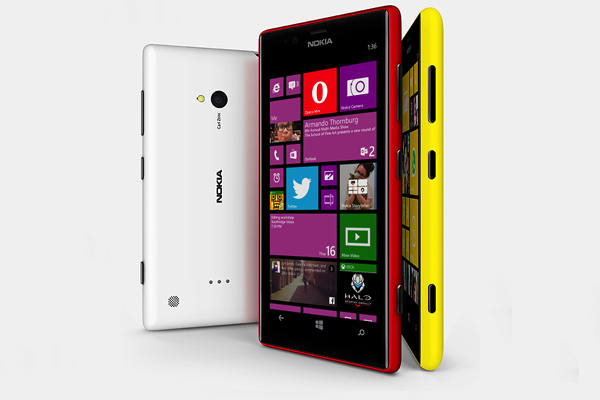
Opera Mini launches on Windows Phone
A week ago, Norwegian browser maker Opera revealed that it will bring the popular Opera Mini to Windows Phone. Not long after, the app was made available as a private beta to a few lucky testers. Now though, everyone with a Windows Phone can check out Opera Mini.
Opera Mini is the first well-known third-party browser to be available on Windows Phone. This gives it the opportunity to quickly attract the attention of those looking for an alternative to Internet Explorer, which comes on board the tiled operating system. The latter, at least so far, has proved to be a reliable and, more recently, powerful option. So does Opera Mini have what it takes to steal users away from its Microsoft-made rival?
Windows Phone users, get ready to greet Opera Mini
When it comes to major apps, Windows Phone is clearly starting to catch up with Android and iOS. But, even as it makes good progress, the tiled smartphone operating system continues to offer a restrictive selection of alternative browsers. This is one of the Store's few remaining major weak spots, alongside cloud services or popular game titles.
Internet Explorer may be good, but a little competition from a longtime established rival never hurts, especially from Norwegian browser maker Opera -- it will soon introduce Opera Mini on the platform, which will hopefully give Internet Explorer a run for its money.

Opera 24 FINAL adds new tab preview, offers Hi-DPI support in Windows
Opera has released Opera 24 FINAL, a major new release of its web browser for Windows and Mac. It comes with three changes of note, two of which are restricted to Windows users only.
The headline new feature, which covers all platforms, sees Opera gain tab preview. By rolling the mouse over any non-active tab, users will -- after a short pause -- see a pop-up thumbnail of that tab's current contents.
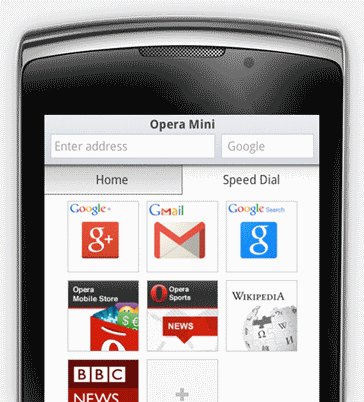
Opera Mini will see some Microsoft feature phones through their death throes
Asha and Series 40 "feature" phones (read cheap, crappy phones) may be taking their last breath -- Microsoft plans to kill them off by the end of 2015 -- but it's never too late to try spicing things up by changing the default browser, eh? This is precisely what's happening with the ill-fated handsets, along with the Series 30+ range, as Opera Mini replaces the current Xpress Browser. Despite the seemingly short-lived nature of the deal, Opera Software is upbeat about the arrangement as, undoubtedly, will any poor blighter suffering with one of these handsets.
What is there to look forward to in the browser switch? Like other versions of Opera Mini, the version replacing Xpress Browser benefits from built-in compression that reduces data usage and helps to speed up web browsing. The deal will come as something of a surprise to many, and it has come rather out of the blue. Starting in October, Asha, Series 30+ and Series 40 handset owners will start to see notifications inviting them to upgrade, and newly produced handsets will come with the browser pre-installed.

Opera 23 adds new options to heart button, promises improved stability
Opera has released Opera 23 FINAL, a relatively minor new release of its web browser for Windows and Mac. The only visible change of note is found in the behavior of the heart button in the Address bar.
The new release also adds UI elements to unblock insecure content on otherwise secure sessions, plus adds search functionality to both Extensions and Themes pages.

Opera Mini 8 for iPad and iPhone reveals complete redesign, new compression mode
Opera Software ASA has unveiled Opera Mini 8.0, a major new version of its speed-optimized browser for iPhone and iPad. The browser, which uses compression technologies to speed up data transfer and browsing, gets a major overhaul with this new release, the first for over two years.
It’s also joined by a new version of Opera Developer 24.0 for Windows and Mac, which adds a new Tab Preview feature.
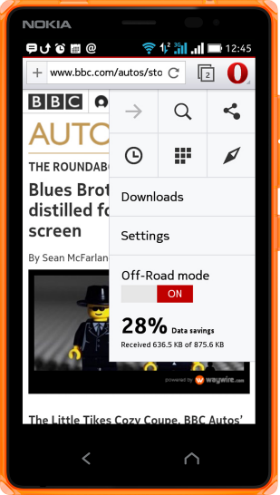
Microsoft selects Opera as default browser for its Android phones
Earlier today, my colleague Wayne Williams reported that Microsoft is releasing its first Android phone. While not the first smartphone from Nokia to be powered by Google's operating system, it is the first under Microsoft's leadership. Let that sink in for a minute -- Microsoft is releasing a device powered by Linux. Has hell frozen? Are pigs flying? Surely, this is the sign of the apocalypse.
Every smartphone needs a default browser however, and the Nokia X2 is no exception. Sadly, Microsoft has not ported Internet Explorer to Android -- I would welcome that in the future though. No, it has chosen a different browser as default and it is not Chrome or Firefox, but Opera.

Opera decides to support Linux (again)
Even though it has gone to the effort of switching to another rendering engine to reach more users, Norwegian software company Opera, in mid-2013, ceased to further update the Linux version of its browser, leaving users without new features, bug fixes and security patches. In the meantime, Opera's main competitors, like Google Chrome and Mozilla Firefox, continued to give them the level of support that they deserve.
Now, after close to a one-year hiatus, the company behind the well-known browser announces the availability of Opera Developer 24 for Linux (and, of course, OS X and Windows). It is an unexpected release, and also great news for those hoping to witness the browser's triumphant return in the land of the open-source kernel.
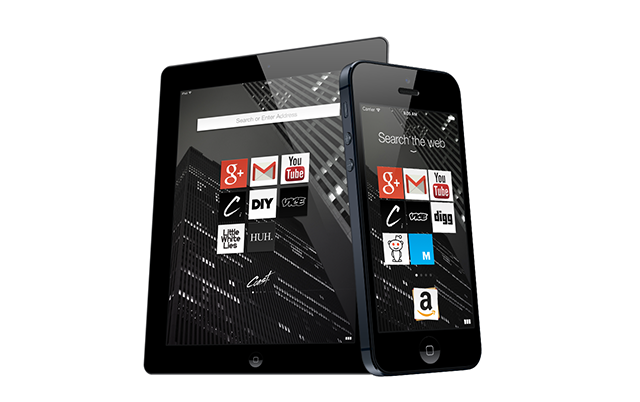
Opera Coast: A new way of interacting with the internet [Q&A]
Coast, from Norwegian developer Opera, is a browser designed specifically for iPhones and iPads. Unlike other browsers it’s been built for simplicity. Instead of buttons, the app uses swipes for navigation. Gestures have replaced the typical functions. Despite this ease, Coast offers most of the features you could want, including a powerful, intuitive search and address bar that suggests keywords and site thumbnails as you type.
I spoke to Coast's creator, Huib Kleinhout, about the browser and his plans for the future.

Opera Developer adds support for unprefixed CSS transforms, fails to ignite user imagination
Opera has unveiled Opera Developer 23.0, a brand new version of the alpha build of its web browser. Version 23.0 contains little in the way of eye-catching headlines, but has been used to showcase the browser’s new flexibility with regards to web standards.
Its headline feature is support for "unprefixed CSS Transforms", which accompanies another update to the underlying rendering engine.
Opera 21 adds hardware acceleration, supports full address bar URL
Opera has released Opera 21 FINAL, a major new release of its web browser for Windows and Mac. The notable change in version 21 affects the Windows build only, and sees the browser switch to Aura technology.
Aura provides a hardware-accelerated rendering of the browser, and the Opera development team has concentrated on ensuring it works properly with Opera 21.

The fat lady sings for Microsoft, thanks to Google Apps
The office suite battle is really starting to heat up. Last week, Microsoft released Word, Excel and PowerPoint for the iPad, signaling a sea change in the company's focus. However, Google is still pushing forward with its attempt to sway users with its web apps. While both are good, no one can deny that Microsoft's offers more features.
With that said, more features does not always equate to better. In other words, if Google's offering meets a user's or business' needs, then it may be more cost effective. Quite frankly, too many features can be seen as noise when unused. One such company, the Glyndebourne opera house, switched from Microsoft to Google with great results.

Opera-powered smart TVs from RCA set for US launch
The home theater environment continues to evolve. We have set-top boxes from the likes of Google, Apple and Roku, along with gaming consoles, Blu-ray players, DVRs and Smart TVs. All are capable, in one way or another, of getting more media into the home. But a move to consolidate through the TV would be welcome, at least to me.
One of the biggest forces behind-the-scenes in the Smart TV world is now Opera, which is frequently thought of in the web browser world. But the company has a thriving app store system for this, and it now announces adoption by RCA to release panels to the US market.