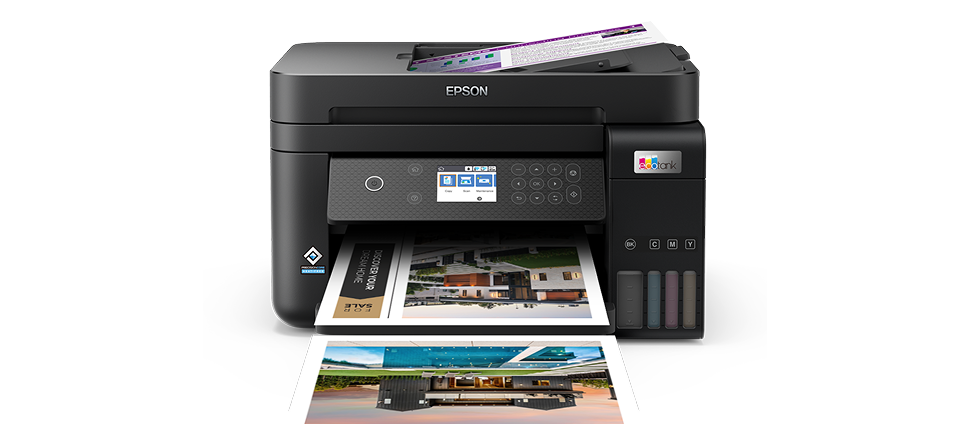
Epson launches ReadyPrint subscription for unlimited color printing at a fixed monthly cost
Epson has launched ReadyPrint, a subscription-based printing service that aims to make color printing simple, predictable, and cost-effective for homes and businesses.
The plan combines an EcoTank wireless all-in-one Supertank printer with unlimited color printing, premium support, and automatic ink replacement for a fixed monthly fee.

Sync files quickly and securely between devices for free with Syncthing 2.0
Syncthing 2.0 has arrived, promising faster syncing, a new database system, and a number of major fixes and improvements. This open source program lets you sync files directly between computers in real time, keeping them private, encrypted, and fully under your control without the need for a central server.
Syncthing offers a simple promise: your files stay yours. You decide where they are stored, how they are transmitted between devices, and who gets access.
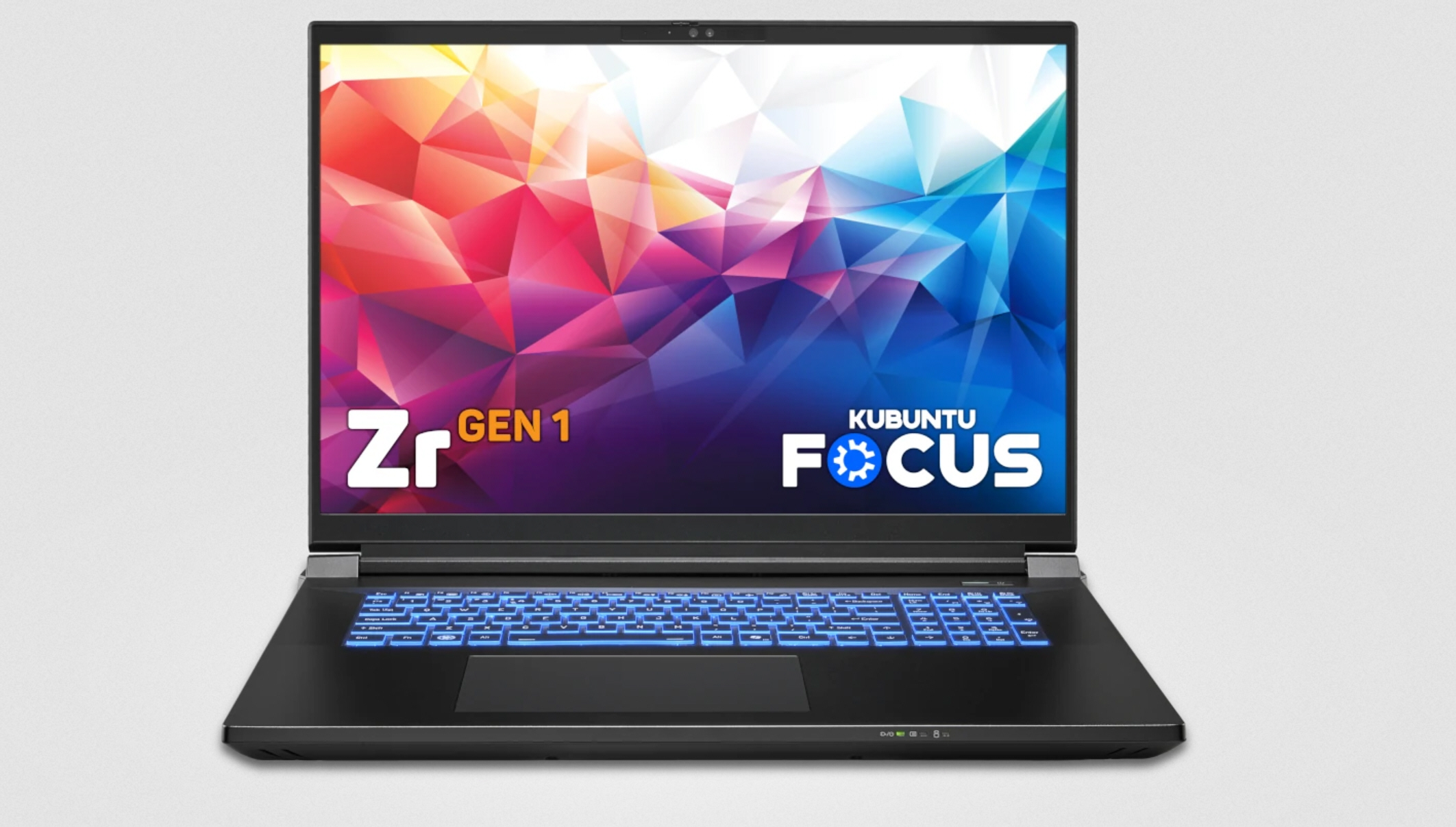
Kubuntu Focus launches Zr GEN 1 Linux laptop with Nvidia RTX 5090 option
Kubuntu Focus has introduced the Zr GEN 1, a high-performance Linux laptop aimed at users who want maximum mobile power. The 18.0-inch workstation replaces the previous 17.3-inch M2 GEN 5 and brings faster components, more storage capacity, and a brighter display, with shipping now available in the US and Canada.
The Zr GEN 1 runs Kubuntu 24.04 LTS and is built for developers, machine learning researchers, content creators, and others looking for fast hardware with Linux-first support.

High Court rejects Wikipedia challenge to UK online safety rules
A High Court ruling has ended Wikipedia’s attempt to overturn part of the UK’s divisive new Online Safety Act, but the legal fight over its application may not be quite over. Judges dismissed the Wikimedia Foundation’s challenge to rules that could place the encyclopaedia under the law’s strictest category of regulation.
The organization behind Wikipedia says the framework risks forcing it to verify the identities of its volunteer editors, undermining both their privacy and the way the site operates. It argues that the model, in which anyone can contribute without registering personal details, is central to the platform’s reliability and breadth of coverage.
Business is booming for AI assistants as they take on bigger roles
The AI assistant market is projected to grow from $3.35 billion this year to $21.11 billion by 2030, according to Indian research firm MarketsandMarkets.
This represents a compound annual growth rate of 44.5 percent, with North America forecast to have the largest share during that five year period.
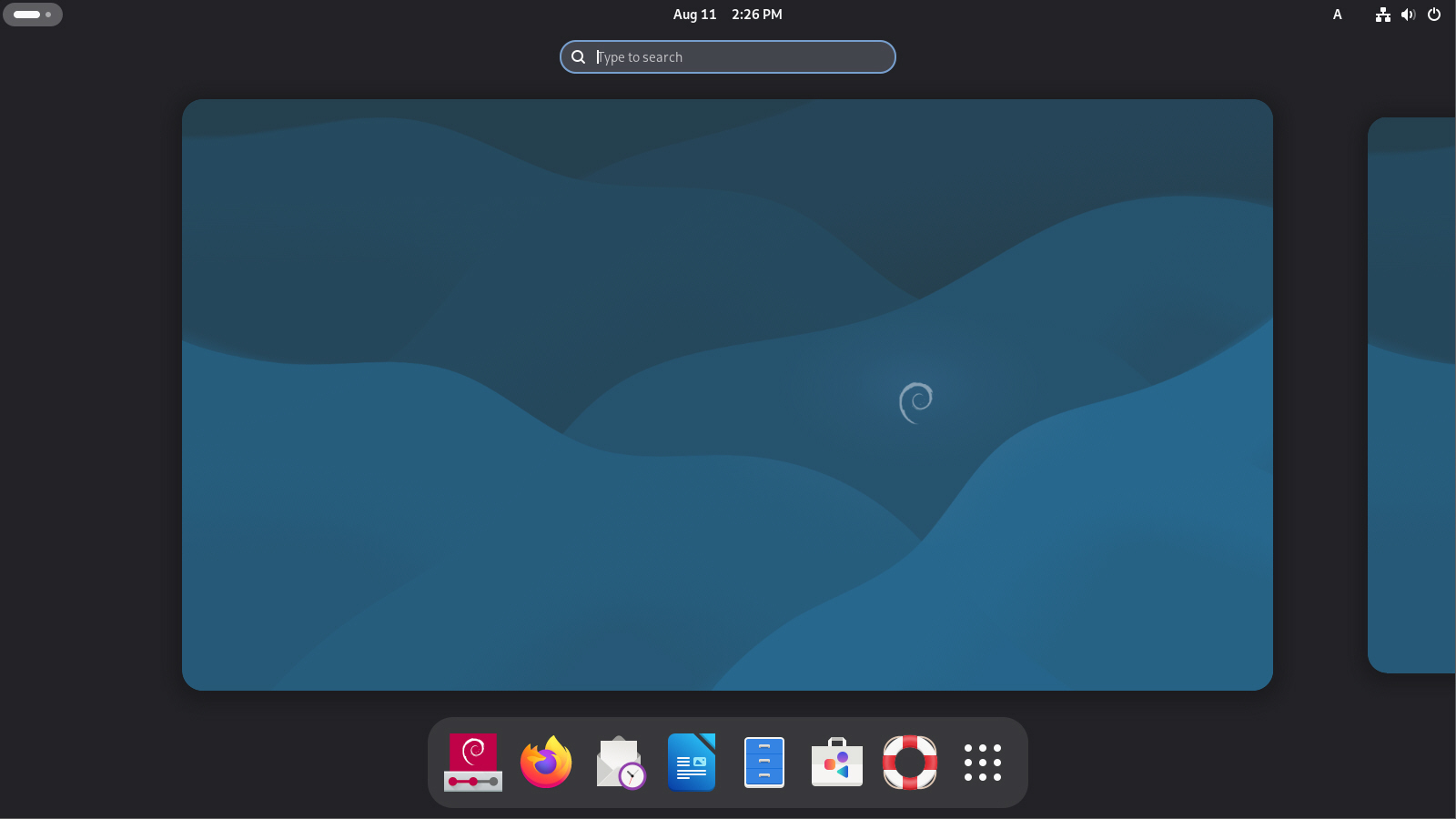
Debian 13 'trixie' released with five years of support and new architecture options
Lucky for fans of the popular Linux operating system, Debian has released version 13, codenamed “trixie,” marking the project’s first stable release in over two years. Supported for the next five years by the Debian Security and Long Term Support teams, trixie delivers updated packages, improved hardware compatibility, and expanded architecture support, including official riscv64 support for the first time.
The release includes multiple desktop environments such as GNOME 48, KDE Plasma 6.3, LXDE 13, LXQt 2.1.0, and Xfce 4.20.
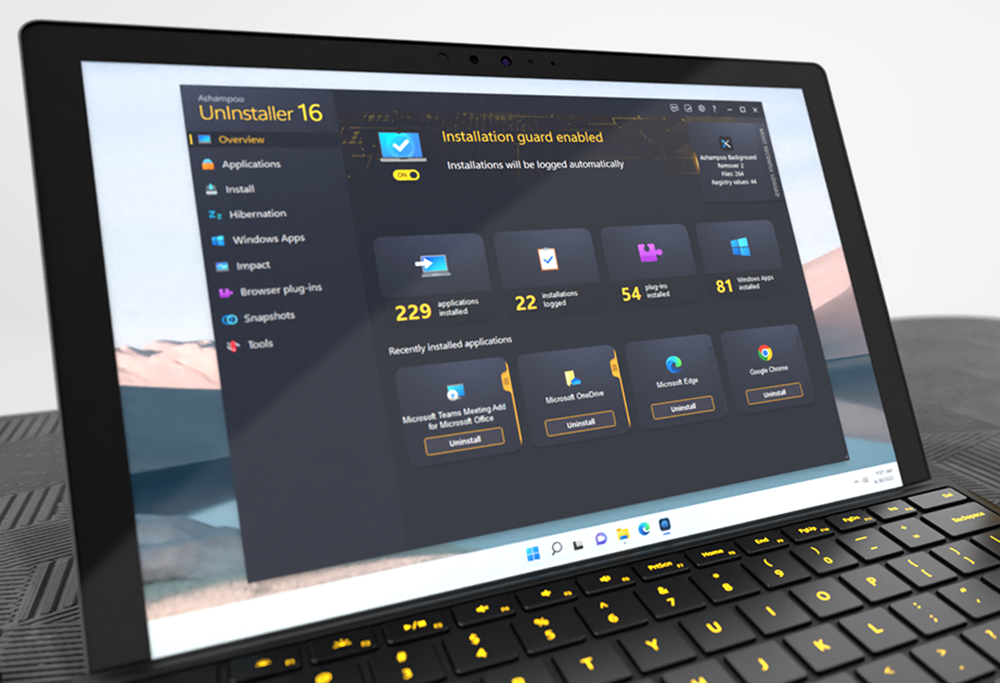
Ashampoo releases UnInstaller 16 with faster and more efficient software removal
Ashampoo has released UnInstaller 16 for Windows, allowing users to fully remove programs and apps with minimal effort. The latest version promises more thorough cleaning than the standard Windows tools, giving users greater control over installations while maintaining system performance. It also brings faster cleaning, expanded logging, and new resource management features.
Ashampoo UnInstaller 16 builds on the company’s existing removal tech, adding tools that track software installations in detail.
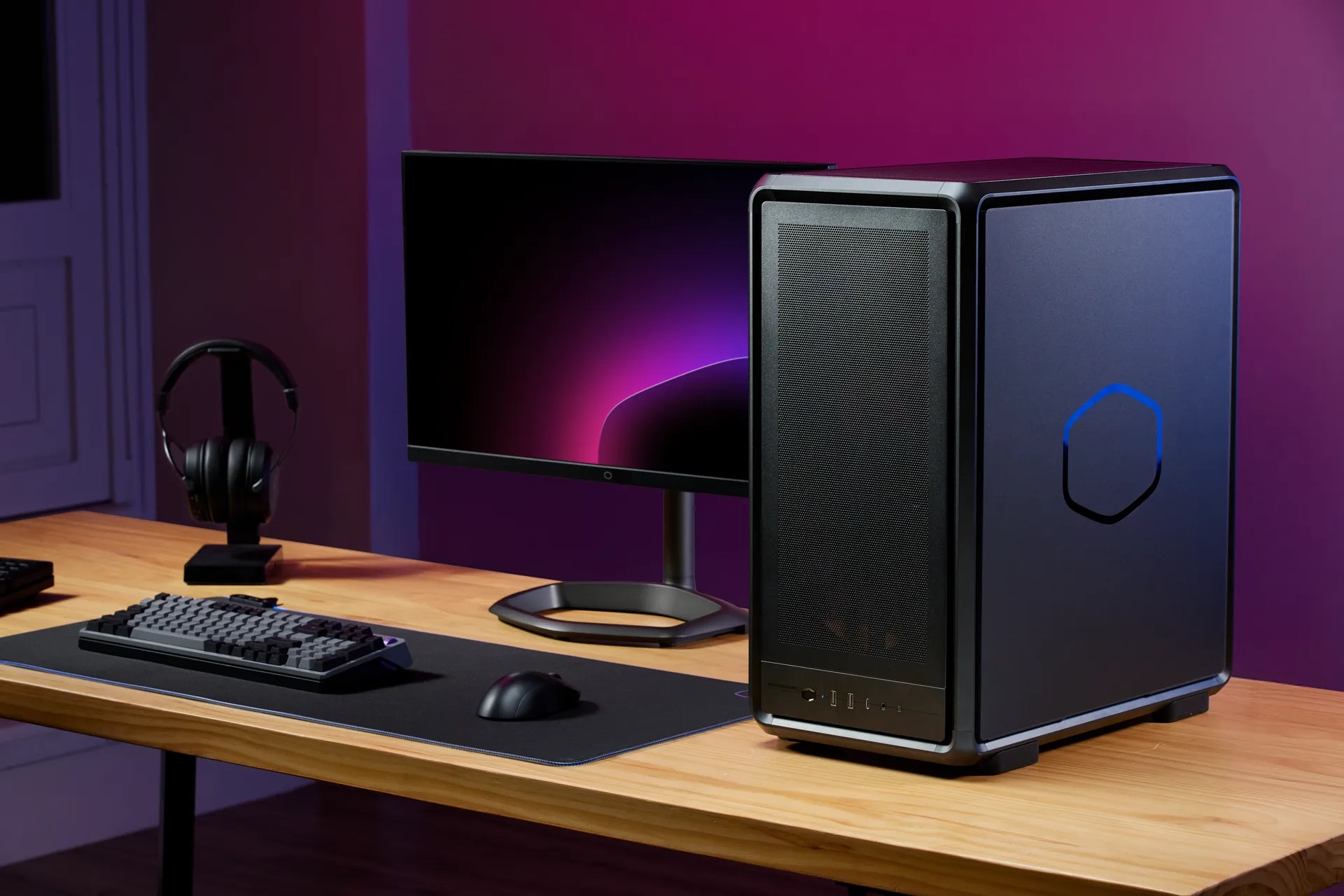
Cooler Master launches MasterFrame 500 Mesh open-frame ATX chassis
Cooler Master has introduced the MasterFrame 500 Mesh to North American builders, offering an open-frame ATX chassis designed with customization and airflow in mind.
Built on its FreeForm 2.0 design approach, the new case combines flexibility, access, and thermal performance in a format that supports a wide range of system sizes.

Deception is evolving, and security teams need to catch up
Attackers are finding new ways to get inside company systems, and deception is playing a bigger role than ever, according to the latest LevelBlue Threat Trends Report.
Threat actors are leaning on tactics like social engineering and AI tools to move quickly, stay hidden, and then extend their reach once inside. Even experienced users can be tricked into opening the door without realizing until it's too late.

Opera files antitrust complaint against Microsoft in Brazil, alleging unfair browser restrictions on Windows
Opera has submitted a formal complaint to Brazil’s Administrative Council for Economic Defense (CADE) alleging that Microsoft’s practices unfairly restrict browser choice on Windows devices.
The Norwegian company argues that Microsoft’s dominance in the operating system market allows it to give an artificial edge to its Edge browser, at the expense of competitors, such as Opera (naturally), and Brazilian users.
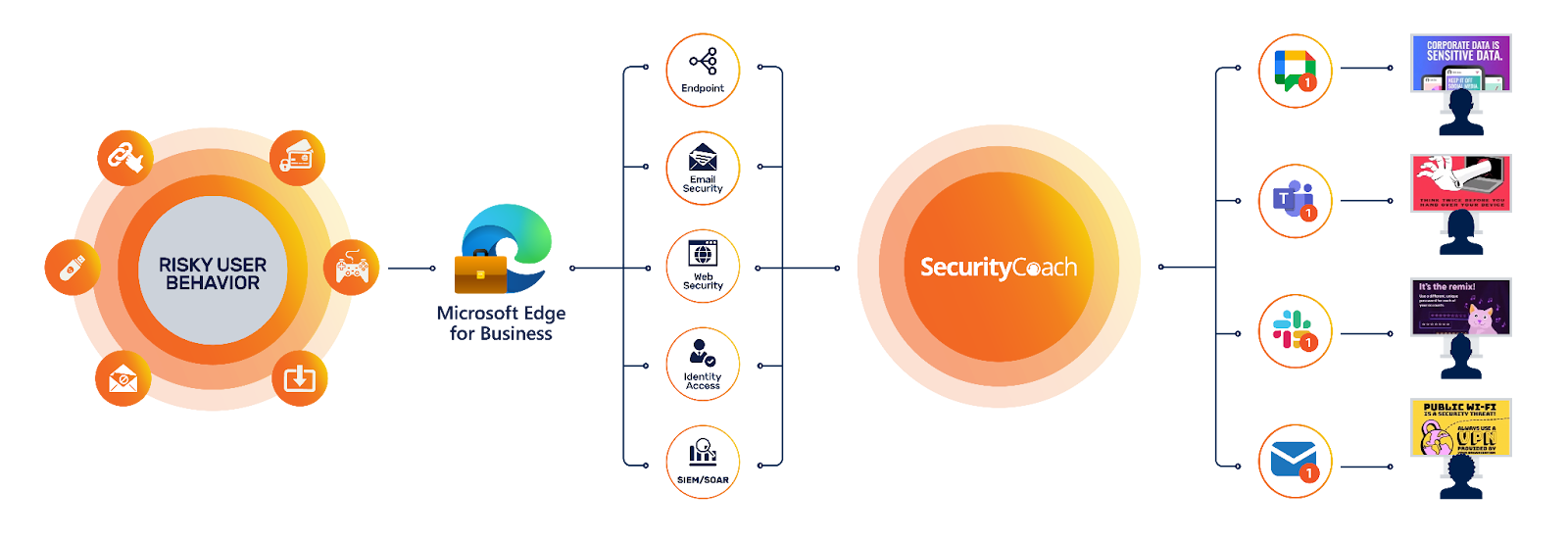
Microsoft and KnowBe4 bring real-time security coaching to the browser
KnowBe4 has announced a new integration between its SecurityCoach platform and Microsoft Edge for Business, aiming to reduce risky user behavior online by offering in-the-moment security guidance.
The feature is available globally now and is designed to give organizations better control over human-centered security threats without disrupting productivity.

Photoshop brings low-res images back to life with Generative Upscale
Photoshop’s latest updates bring a fresh set of tools to the desktop, web, and mobile. From blending elements into scenes to cleaning up cluttered images and scaling up resolution, it probably won't come as any surprise to learn these tools use AI to handle a lot of the technical heavy lifting.
Creative ideas often hit a wall when time gets lost fixing shadows, matching lighting, or removing small distractions. The newest Photoshop features target exactly those problems, helping you get past the tedious parts faster.

GregAI helps security teams fix real problems faster
Cybersecurity exposure management company Intruder has introduced GregAI, an AI-powered security analyst that, unlike generic AI assistants, has full visibility into each user’s security environment.
Currently in beta, GregAI is available to free trial users and customers on Intruder’s Cloud, Pro, and Enterprise plans. The assistant is named after Intruder’s original mascot, following a design file mix-up involving a designer named Greg.

Fable Security launches with $31m to tackle human risk in cybersecurity
Fable Security, a new human risk management platform, has launched with $31 million in funding from Greylock Partners and Redpoint Ventures. It is already working with enterprises across finance, healthcare, logistics, and technology, helping security teams reduce employee-driven risk with targeted, real-time interventions.
Fable was founded by Nicole Jiang and Dr. Sanny Liao, both early team members at Abnormal AI. At that company, they helped build and scale behavioral-based security products and saw firsthand how the threat landscape was shifting.

UpDownTool lets you move from Windows 11 to Windows 10 in just 5 clicks -- without losing any data
A new app called UpDownTool lets users revert from Windows 11 to Windows 10 for free, without losing any programs, files, drivers, or settings.
It's designed to provide a more flexible alternative to traditional rollback or clean install methods, which either require you to take action within a short window or wipe everything on your system.