
Ransomware payments hit record highs as threats get harder to detect
The frequency of ransomware attacks has dropped from eight incidents per organization to five or six incidents in the last year, but at the same time the average ransomware payment has surged by more than a million dollars, from $2.5M to $3.6M.
A new Global Threat Landscape report from ExtraHop, based on research by Censuswide, finds threat actors are shifting away from broad, indiscriminate attacks to a more targeted approach that yields better results.

Observability data drives key decisions on customer experience and more
The latest Splunk State of Observability report for 2025, released today by Cisco, shows that observability insights are guiding key business decisions in customer experience, product roadmap forecasting, and brand perception.
The study based on a survey of 1,855 ITOps and engineering professionals worldwide, and underscores how observability has evolved beyond an IT function to a boardroom priority. It finds 74 percent believe observability is important for monitoring critical business processes and 66 percent say it is key to understanding user journeys.

Supply chain security risks are becoming unmanageable
A new survey finds 60 percent of surveyed UK and US cybersecurity leaders now admit that security risks originating from third parties and supply chain partners are ‘innumerable and unmanageable.’
The study from IO (which used to be ISMS online) shows 97 percent of cybersecurity leaders say they’re confident in their breach response, with 61 percent describing themselves as ‘very confident.’ Yet, that confidence contrasts dramatically with 61 percent of leaders who say their organization has suffered a third-party or supply chain attack in the past 12 months.
Microsoft releases emergency update for Windows 11 after breaking the Windows Recovery Environment
Microsoft has released an out-of-band update for Windows 11 to address a problem caused b y the October security updates published for the operating system earlier this month.
Users who installed the KB5066835 update found that they were not able to use their USB mouse or keyboard within the Windows Recovery Environment (WinRE). This made it impossible for some to navigate the recovery options, forcing Microsoft to investigate what was going on.
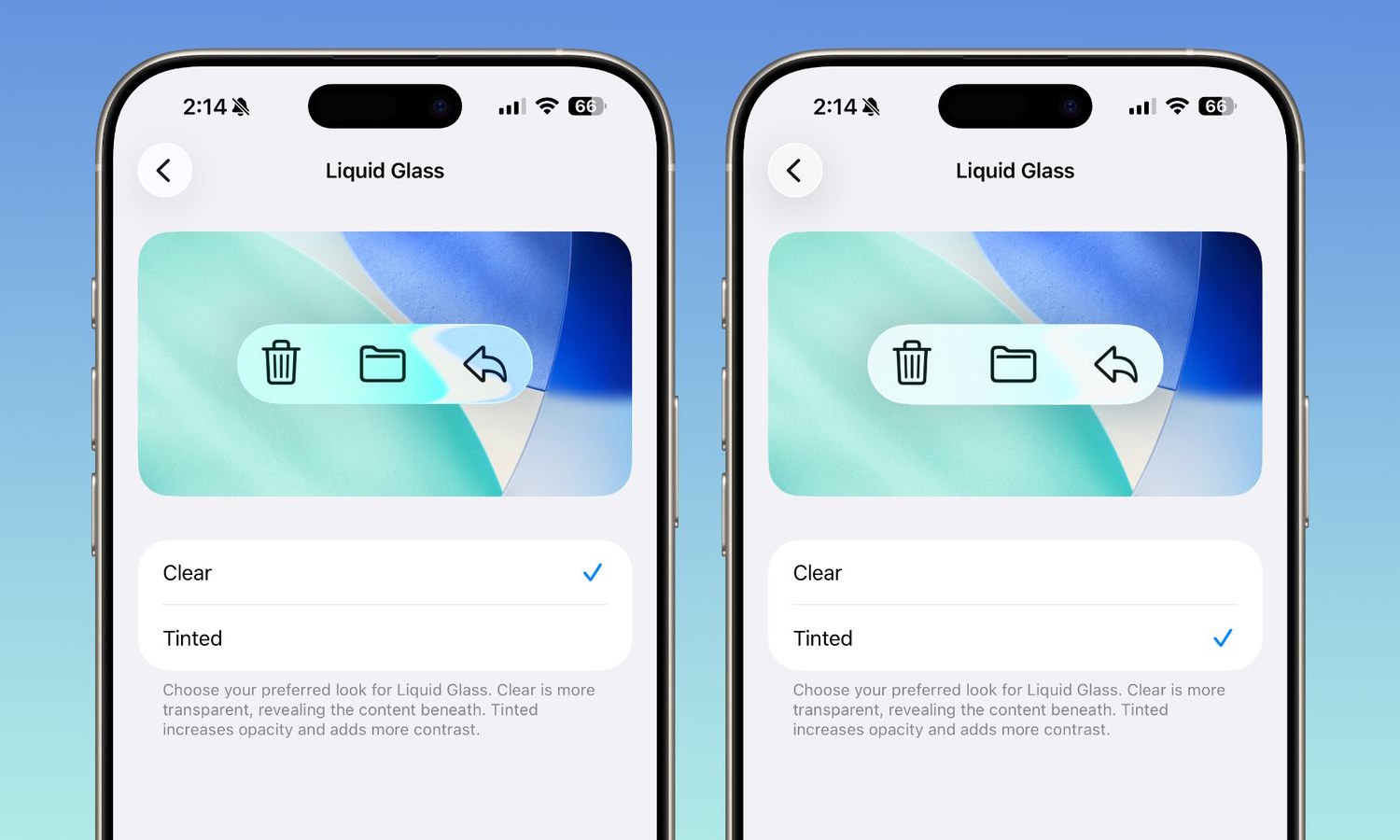
Apple decides to let users control Liquid Glass transparency
Any major visual change to software is likely to result in a mixed reaction – this is certainly true of the Liquid Glass transparency effect Apple introduced into its desktop and mobile operating system recently.
Apple is a company that prides itself on producing designs that balance beauty with utility, so it was probably surprised when users complained about Liquid Glass. Not willing to give in entirely and allow users to switch the effect off completely, Apple has relented a little, introducing controls to change the intensity of the look.
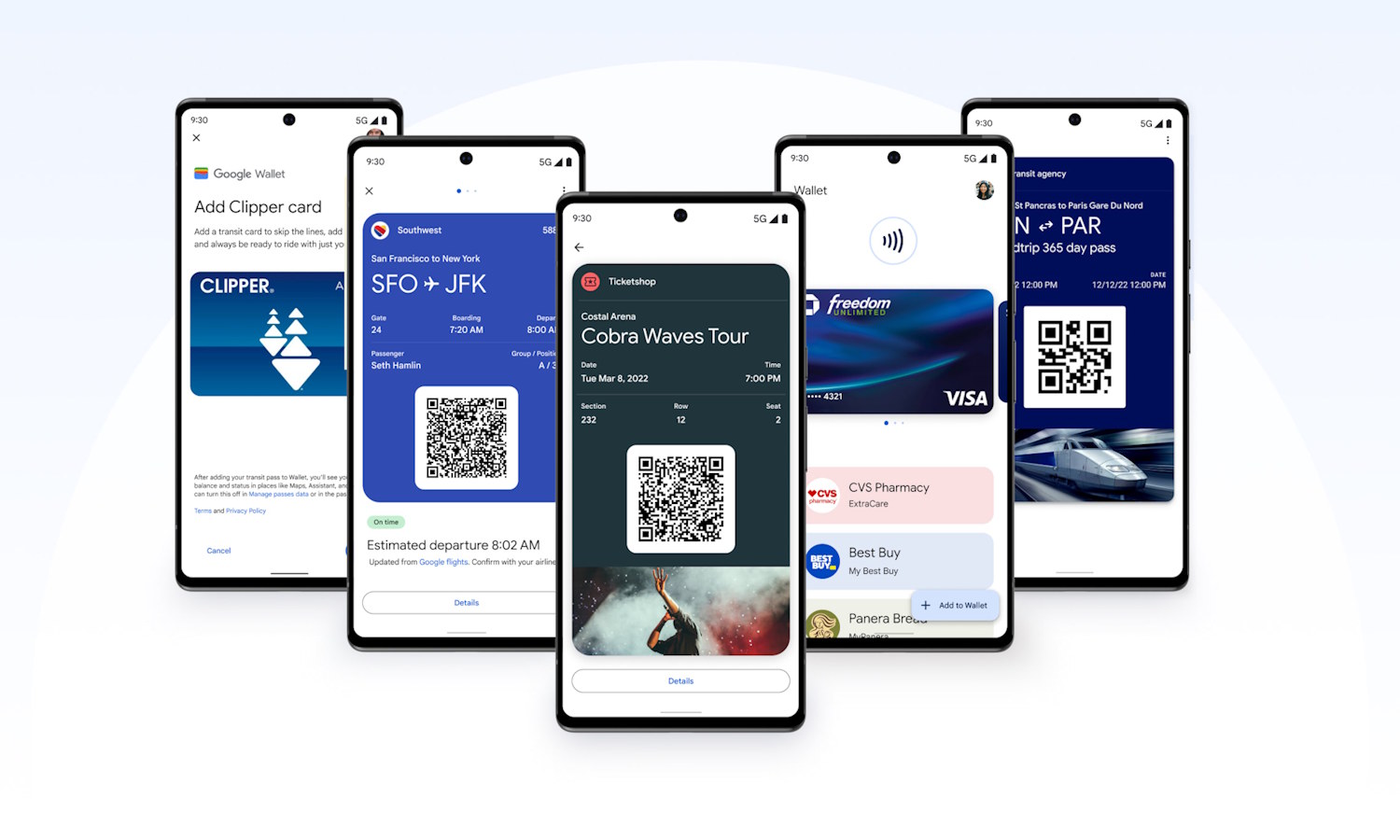
Google Wallet is getting a Live Updates feature for your tickets
Once you have embraced Google Wallet, it is hard to imagine living without it to help manage payment cards, tickets, loyalty cards and more. Thanks to a feature of Android 16, Google Wallet is gaining a handy Live Updates feature.
The addition comes as part of Google Wallet taking on the Material 3 Expressive redesign which also affects the likes of Google Maps. So just what can you expect from this change?

Smaller businesses turn to messaging platforms to engage customers
The adoption of business messaging channels has increased by 53 percent in just one year, driven by AI agents and LLM-powered automation.
A report from respond.io shows small and medium-sized businesses are increasingly engaging customers through platforms like WhatsApp, TikTok, Instagram, and Facebook Messenger.

How AI is driving email phishing and how to beat the threat [Q&A]
Among all of the various forms of cyberattack phishing attempts delivered by email are still one of the most common.
What’s more AI is making these attacks more effective, because you can no longer rely on looking out for dodgy grammar or other signs that a message may not be what it seems.
Amazon Web Services outage takes down Duolingo, Snapchat, Roblox and other major sites
Serious issues with Amazon Web Services (AWS) have rendered a number of big-name apps and services inaccessible. The likes of Fortnite, Roblox, Duolingo, Ring and many more have been suffering as a result of the problems.
The issues first came to light thanks to spikes in reports to Downdetector, but Amazon Web Services has also acknowledged a series of errors. The problems affect multiple AWS services, and the severity of disruption is high.

WhatsApp is working on a new way to cut down on spam
Like email, SMS, and just about every other method of communication, WhatsApp suffers from spam. There are certainly things that can be done by users to stem the flow of spam that makes its way to their inboxes, but WhatsApp is also trying to help.
The platform has already introduced a system designed to automatically detect and block spam, but it is not perfect; no system is. And so, WhatsApp is trying another approach that will apply to businesses and individuals alike.

Google is retiring Privacy Sandbox
Privacy Sandbox was Google’s vision for replacing third-party cookies, but now the company is giving up and moving on from the idea. First launched six years ago, Privacy Sandbox suffered with low-adoption, and Google has gradually snuffed out various technologies relating to the system. Now it has taken things further.
Google says that “after evaluating ecosystem feedback about their expected value and in light of their low levels of adoption”, it has taken the decision to retire more Privacy Sandbox technologies. But this does not really paint a true picture of what is happening.
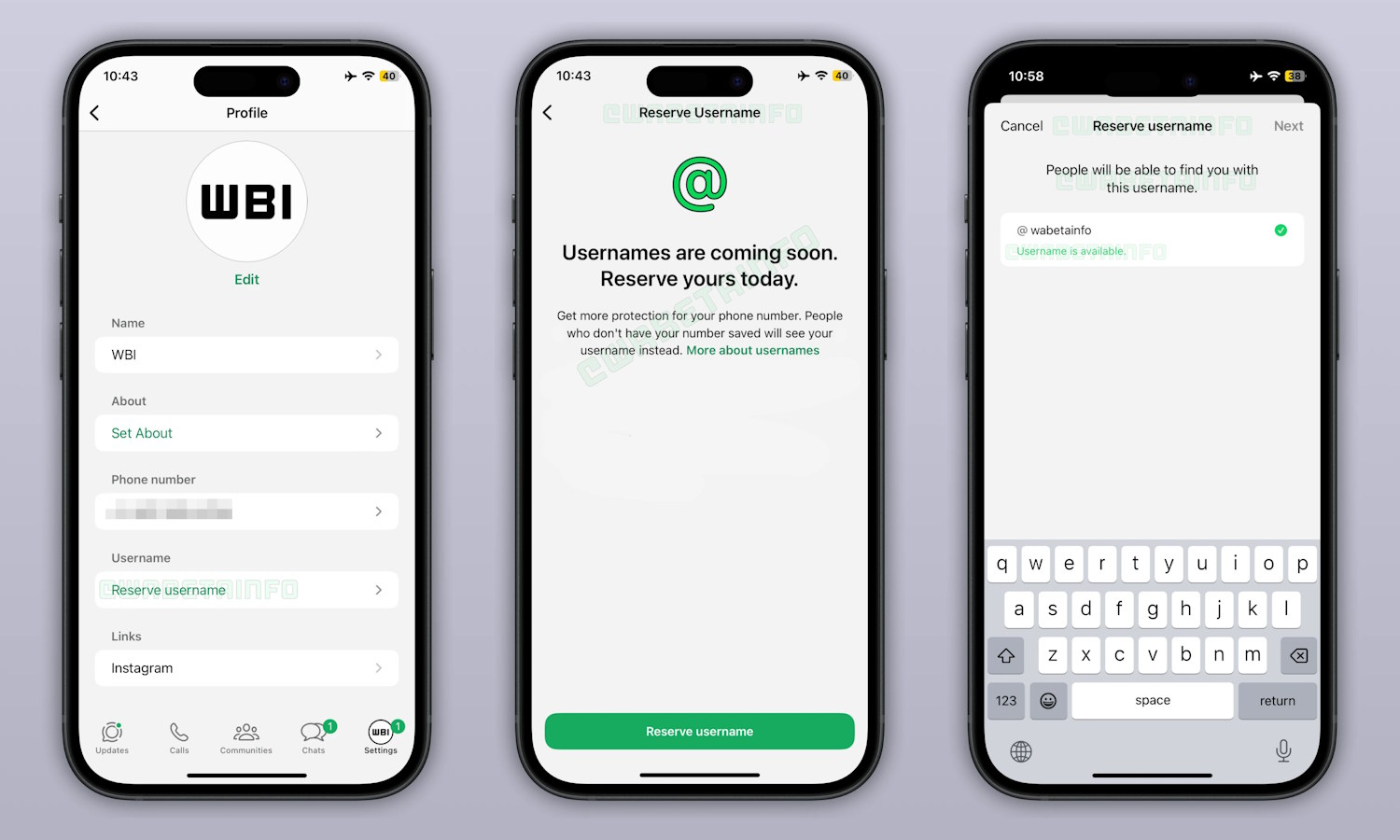
Get ready to reserve your WhatsApp username
It has been known for a little while that Meta has been working on a username system for WhatsApp. The popular messaging app is slightly unusual in not offering people a way to choose a username, but this is going to change at some point in the future.
Recent beta builds of the iOS and Android apps show that work is gathering paced, and the most recent development is a username reservation system. This will serve as a way for users to try to pre-select their preferred username even before the username system rolls out to everyone.

PowerToys update throws users into mode switching confusion
New versions of PowerToys are always eagerly received, especially when there are new utilities to explore. This was certainly the case with the release of PowerToys v0.95 last week, but in addition to the excitement there has also been confusion.
With PowerToys v.0.95, Microsoft added a new module called Light Switch. Designed to automatically switch Windows between Light Mode and Dark Mode, it is a tool that addressed an issue for many people. So where does the confusion come from? Light Switch is enabled by default.
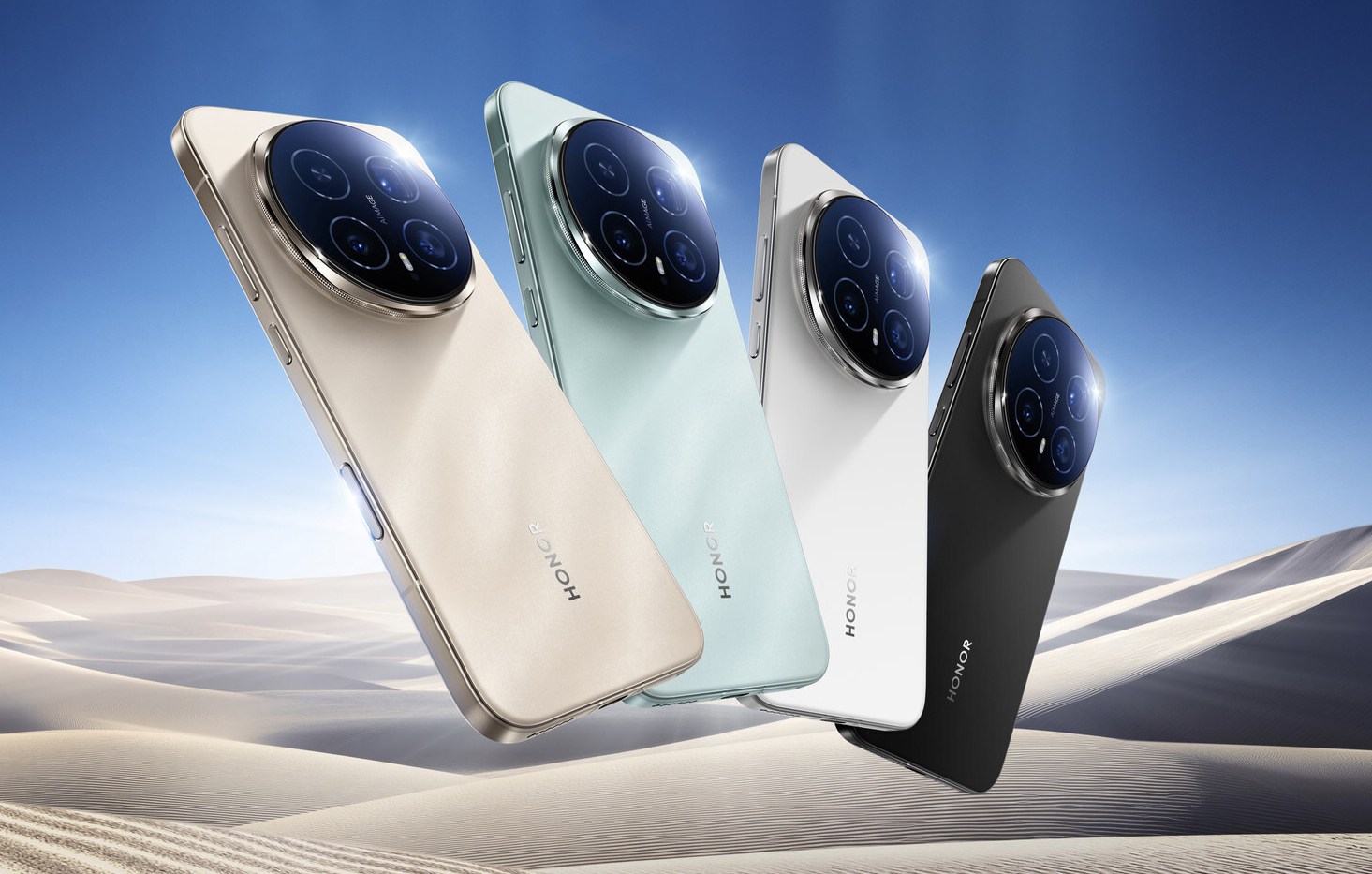
Honor unveils Magic8 series, its first 'self-evolving AI' smartphones
Honor has launched its new Magic8 smartphone series in China, introducing a range of AI-driven features designed to improve imaging, performance, and everyday usability. And while the name might remind you of the fortune-telling toy of a similar name, Honor’s Magic8 is more interested in predicting your habits than your future.
The Magic8 and Magic8 Pro are what Honor describes, somewhat worryingly, as “Self-Evolving AI Devices.” That doesn’t mean they’ll become sentient over time while jammed in your pocket, but rather can learn from user behavior to automate everyday tasks and anticipate actions.
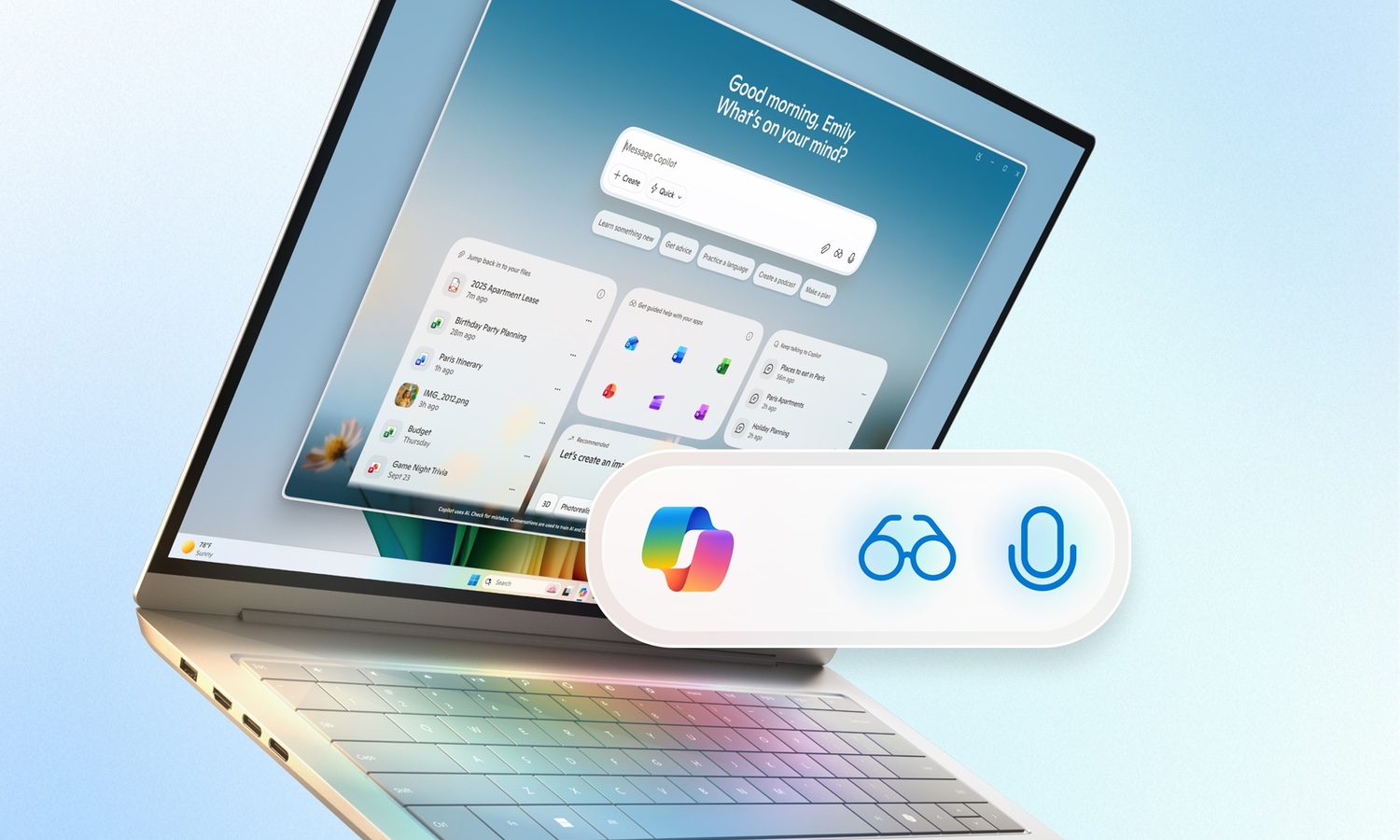
Microsoft is making every PC an AI PC with new Hey Copilot voice command
In what feels like something of a case of history repeating itself – Cortana, anyone? – Microsoft is furnishing Windows users with voice activated access to the operating system’s digital assistant.
While being able to call up the AI powers of Copilot by uttering Hey Copilot to your computer may not seem revolutionary, Microsoft has a different idea. The company says that it sees a “shift to conversational input [being] as transformative as the mouse and keyboard in terms of unlocking new capabilities on the PC for the broadest set of people.