
Google boosts AI to provide more accurate weather forecasts
That artificial intelligence is used in weather forecasting is to be expected, but Google has just announced WeatherNext 2. Self-described as its “most advanced and efficient forecasting model”, this last incarnation improves not only accuracy, but also speed.
Forecast generation can be up to eight times faster, and Google is already using the data produced by WeatherNext 2 – this is not something that is coming, it is here now. After heavy research work, Google is ready to give the tool to users.

diVine is Vine back from the dead, thanks (in part) to Jack Dorsey
Cast your mind back a few years – well, several, actually – and you may well remember Vine. The social network focused on short-form videos, and it was killed off nearly 10 years ago. Now, re-entering a very busy social arena, Vine is back.
This time, the platform is going by the name diVine, and it is partly funded by one of Jack Dorsey’s ventures. This is not just a relaunch of the old video sharing platform; there is an attempt to resurrect as much of the original content as possible.

The AI Paradox: GitLab finds faster coding is slowing teams down
GitLab has published new findings highlighting what it calls the “AI Paradox,” whereby artificial intelligence is speeding up coding but introducing new productivity barriers as a result. The company’s 2025 Global DevSecOps Report, conducted with The Harris Poll, surveyed 3,266 professionals working in software development, IT operations, and security. The results suggest that while teams deploy faster than ever, they are losing time to inefficiencies that AI alone cannot fix.
According to the study, DevSecOps professionals lose about seven hours per week to inefficient processes. The main causes include fragmented toolchains and collaboration gaps between teams.

SomniPods 3 AI-powered earbuds aim to improve sleep quality through monitoring and sound control
Fitnexa has announced SomniPods 3 ultra-light earbuds developed for sleep use. They combine active noise canceling, sleep tracking, and app-based analysis to help users monitor and adjust their sleep patterns.
SomniPods 3 features a dual-microphone hybrid active noise canceling system designed to reduce external noise by up to 42dB in Fitnexa-tested conditions. The feedforward and feedback microphones detect and counter background sounds through reverse sound waves, cutting disturbances from snoring or low-frequency hums.
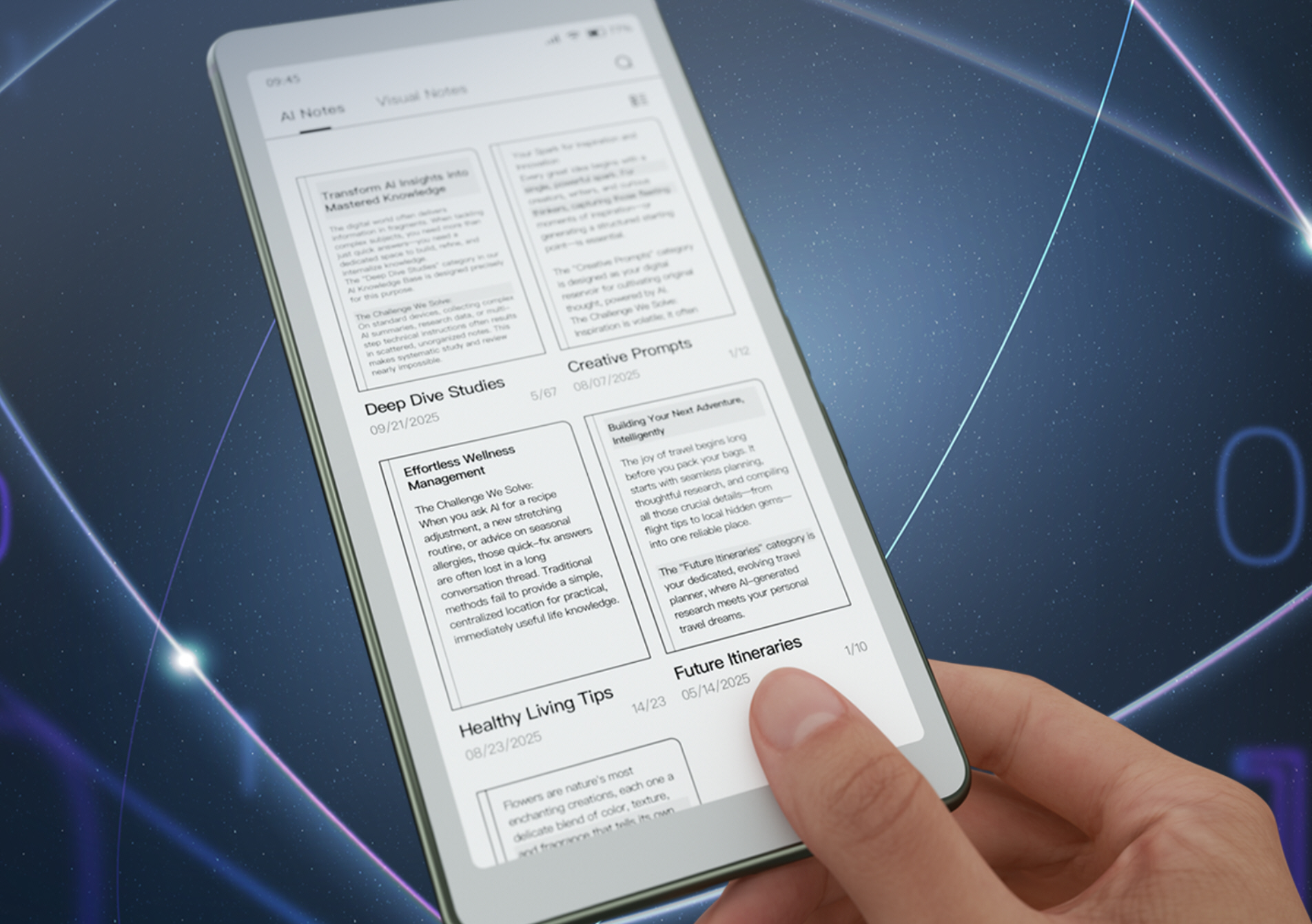
AiPaper Reader is an AI E Ink device for focused reading
Viwoods has introduced the AiPaper Reader, a 138g Android 16-powered e-reader that adds on-page AI assistance. The compact device lets readers verify terms, translate passages, or summarize figures directly within text. Viwoods thinks this will be of particular use to professional and academic users who read for long stretches or while traveling.
AiPaper Reader keeps answers beside the text rather than diverting users to another app or browser. Its 6.13-inch 300ppi E Ink Carta 1300 display features a low-reflectance layer and adjustable front light for comfortable reading in different environments.

Study debunks viral claim that AI filters out most job applicants
Enhancv has released a new study challenging the long-standing myth that Applicant Tracking Systems (ATS) or AI automatically reject most resumes before a human review. According to its interviews with 25 U.S. recruiters and HR professionals, 92 percent said their systems do not auto-reject resumes based on formatting or content.
Instead, recruiters point to overwhelming application volume and the timing of submissions as the real reasons many candidates never make it as far as the interview stage.

Intuit launches agentic AI consumer platform for year-round money management
Intuit has introduced an all-in-one Agentic AI-driven consumer platform that combines Credit Karma and TurboTax into a single system to deliver year-round control of personal finances. The company says this unified platform will help users manage credit, debt, wealth building, and tax preparation in one place, powered by advanced AI and supported by a network of 13,000 human experts across the United States.
The platform is built to predict and automate key financial actions, offering what Intuit calls “done-for-you” daily management and wealth optimization. It uses Agentic AI to identify opportunities for users to improve their money situation while combining automation with personalized guidance from human experts. According to the company, this hybrid approach will provide faster access to cash, smarter tax management, and ongoing financial support tailored to individual circumstances.

Identity for AI aims to bring accountability and trust to enterprise AI systems
Ping Identity has introduced Identity for AI, a new enterprise solution aimed at securing and enabling the growing use of autonomous AI agents. The platform focuses on embedding trust, visibility, and accountability into agentic systems as businesses begin to adopt AI-driven processes across operations and commerce.
The company said the technology will help organizations manage the risks and opportunities of agent-based automation by making sure that each AI entity operates within defined, auditable boundaries.
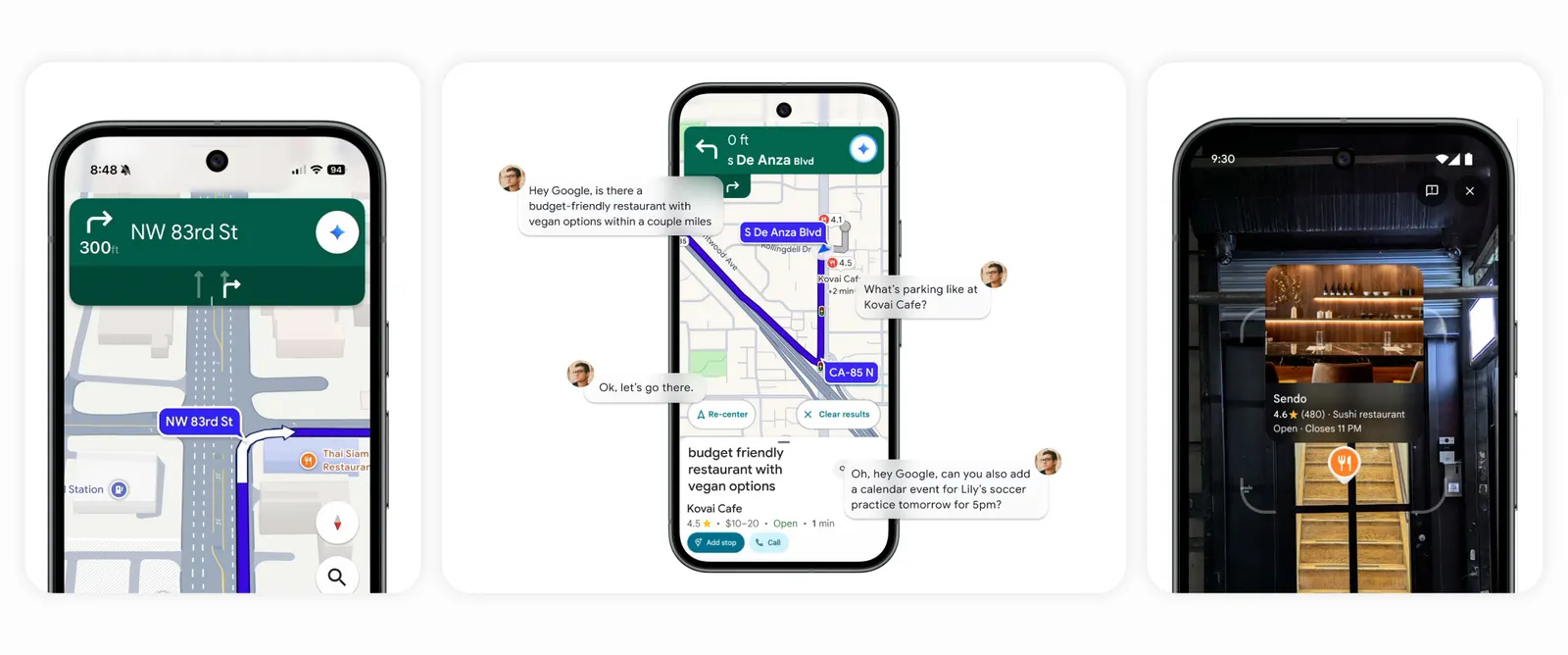
Google Maps to receive AI upgrade powered by Gemini
Google Maps is to receive an AI upgrade powered by the tech giant’s Gemini. This will add a conversational, hands-free experience to the app that is intended to make navigation smarter and less distracting.
It represents yet another step in Google’s ongoing integration of the generative model into its most widely used products. The firm added AI smarts to Google Earth not so long ago.

UK police trial AI system to support frontline officers with procedural advice
Humberside Police in the UK has released results from a trial of an AI assistant designed to guide officers in the field, suggesting that it could save more than 23,000 officer hours per year. The “Project Moriarty” pilot with Coeus Software looked into how British police forces could use AI to boost efficiency and consistency.
AI is inevitably finding its way into frontline policing, as it is in other professions, and the results from the Humberside Police trial show both its promise and its limits.

Experts warn AI tools are fueling a rise in scams targeting older adults
Experts are warning that the rapid development and growing availability of artificial intelligence tools is leading to an alarming rise in cybercrimes targeting older adults. Since technology alone cannot stop social engineering, specialists suggest that seniors learn to recognize the recurring scam patterns that criminals have used for decades to steal money and personal data.
The surge in AI is giving cybercriminals new ways to deceive people, with elderly users often among the main targets. According to The Hidden Cost of Scams [PDF] report by Independent Age, adults over 65 in the UK lose an average of nearly £4,000 each, with total losses reaching about £7.4 billion.
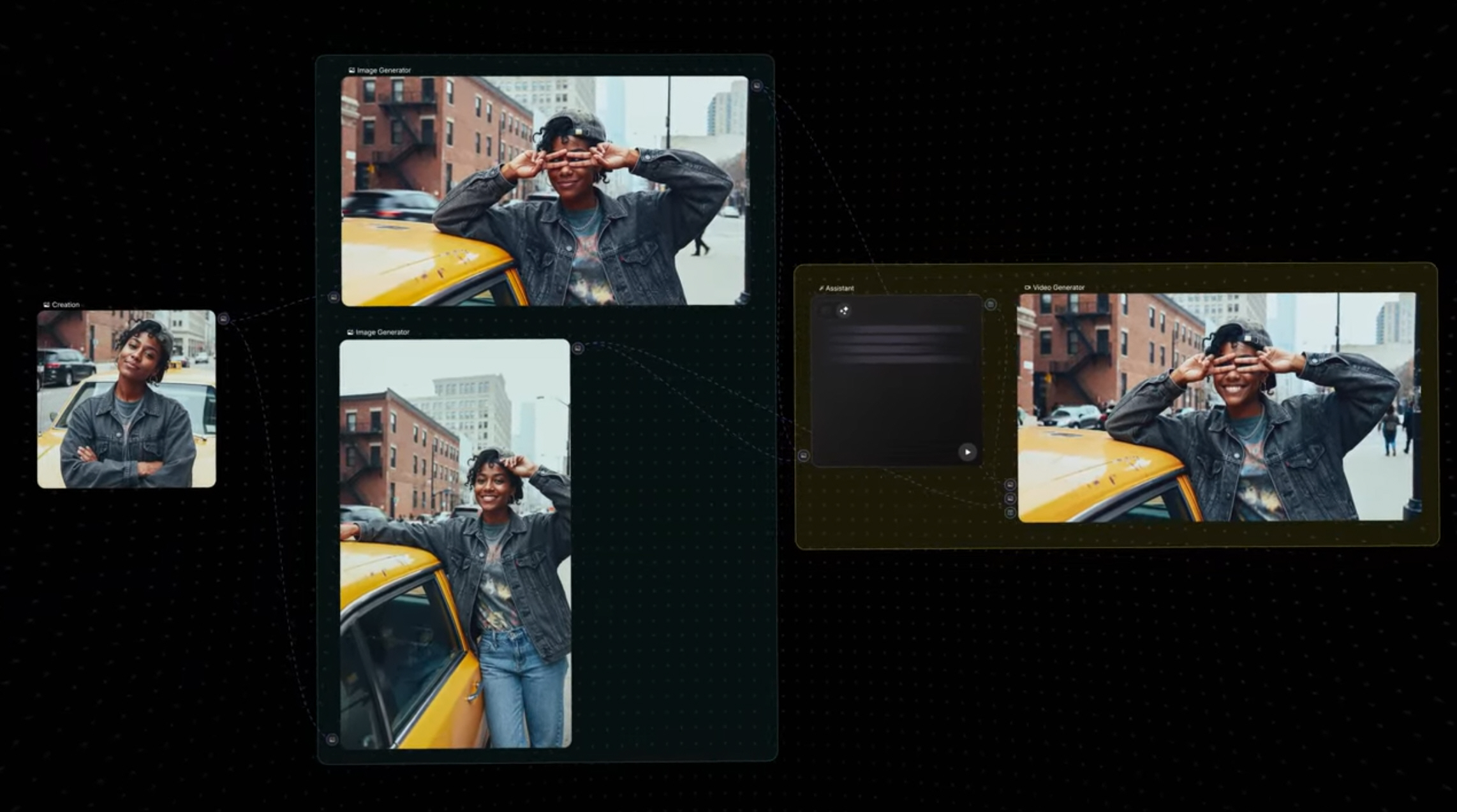
Freepik launches Freepik Spaces to power real time AI visual creation and collaboration
Freepik has introduced Freepik Spaces, a new product within its AI Creative Suite to allow creative teams to design, automate, and collaborate on visual projects in real time. The platform uses a node-based interface that brings the entire creative process onto one shared canvas, so teams can move from concept to campaign within a single environment.
Freepik Spaces is targeting creative directors, advertisers, marketers, filmmakers, innovation leads, and other professionals who work across visual media. Users can connect multiple AI tools and workflows within the same space, doing away with the need to switch between separate applications. The goal is to streamline production and make collaboration easier for distributed teams.

Google Translate is giving users a speed vs accuracy option thanks to Gemini
For business travelers, holidaymakers and many other people, Google Translate is an essential tool. Making it possible to understand and be understood in other countries and other languages, Google Translate is now gaining a new AI-powered feature.
You would imagine that when it comes to translating text between languages, accuracy would be what most people – if not everyone – would be most interested in. But with the latest Gemini-focused update, Google is giving users the option to choose between a fast translation and a more accurate one.

Canva Launches AI-powered Creative Operating System to connect design, content, and marketing
Canva has rolled out its new Creative Operating System, a unified platform that brings together design, collaboration, publishing, and performance tools. Built on its proprietary Design Model, the new system integrates artificial intelligence across the creative process, combining new products for video, marketing, forms, and professional design.
Canva describes its new system as a faster and smarter way to design, where human creativity leads and AI enhances what people can produce.
SUSE brings agentic AI to enterprise Linux
SUSE has released SUSE Linux Enterprise 16, which it describes as the first enterprise Linux distribution to integrate agentic AI through the Model Context Protocol (MCP). The update aims to let operating systems interact more directly with AI models and external data sources.
The Model Context Protocol, introduced in 2024 by Anthropic, is an open standard for connecting large language models to tools and data. It defines a simple client-server structure that allows AI systems to request information or perform tasks across different applications in a consistent way. SUSE’s adoption of MCP is meant to make those capabilities available at the operating system level, without depending on a single AI provider.