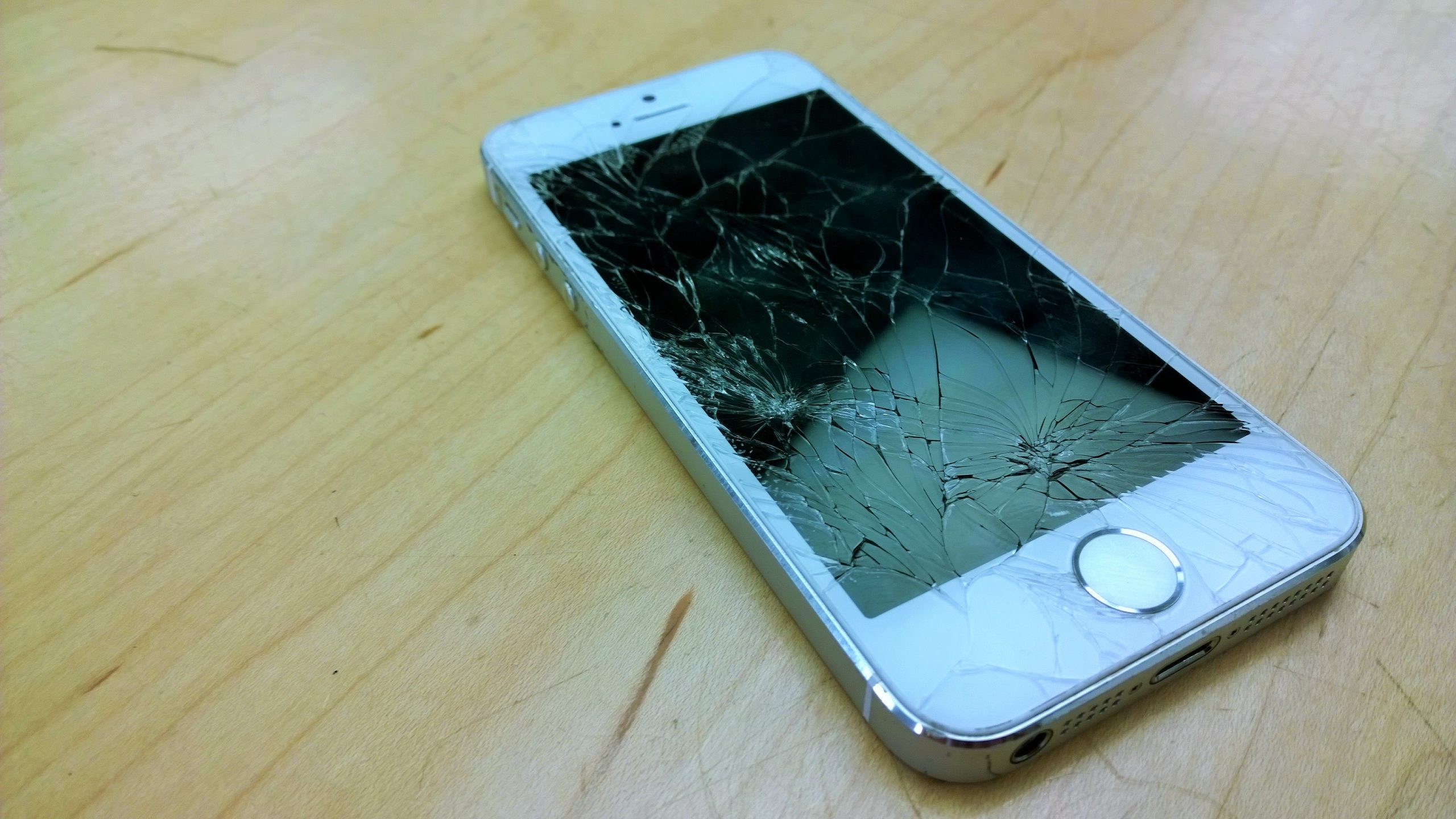
Why is iPhone so destructible?
It's the question I keep asking, wondering whether to blame the device or my daughter. Last night, she texted: "My screen cracked again. I'm so sorry". That's the third shattered iPhone 5s since May; two 5ers busted before that. Clearly, she's fumble fingers, but something just doesn't seem right. The college student sticks the damn device in a protective case. Did Apple put pretty design before damage durability?
I spent several hours searching for smartphone breakage data today -- on the web and contacting several sources compiling stats. Strangely, the most compelling comparisons are years old. For example, in late 2010, SquareTrade reported that iPhone 4 accidents exceeded the 3GS and devices from competing smartphone manufacturers. In a 2012 survey of 2,000 iPhone users, 30 percent had damaged their device in the previous 12 months.
Rival smartphone makers are no longer afraid of Apple
There was a time when Apple was the undisputed king of mobile. Since the release of the first iPhone in a barnstorming speech by Steve Jobs, the company went from strength to strength, dropping better models every year, and absolutely dominating the high-end mobile market.
Apple sold out of the launch shipments of the brand-new iPhone 5s in under two days, and sales of the iPhone have maintained Apple's profits despite a recent drop in iPad sales. But since Steve Jobs' death, Apple's competitors have been getting bolder. With the launch of the upcoming iPhone 6 coming in September, a number of high profile rivals have been snapping at Apple's heels with aggressive marketing, attack ads and a general lack of respect for the venerable giant of mobile technology. Here are a couple of hints that Apple's competitors are sensing a weakening of the giant.
Apple launches faster MacBook Pro with Retina display lineup
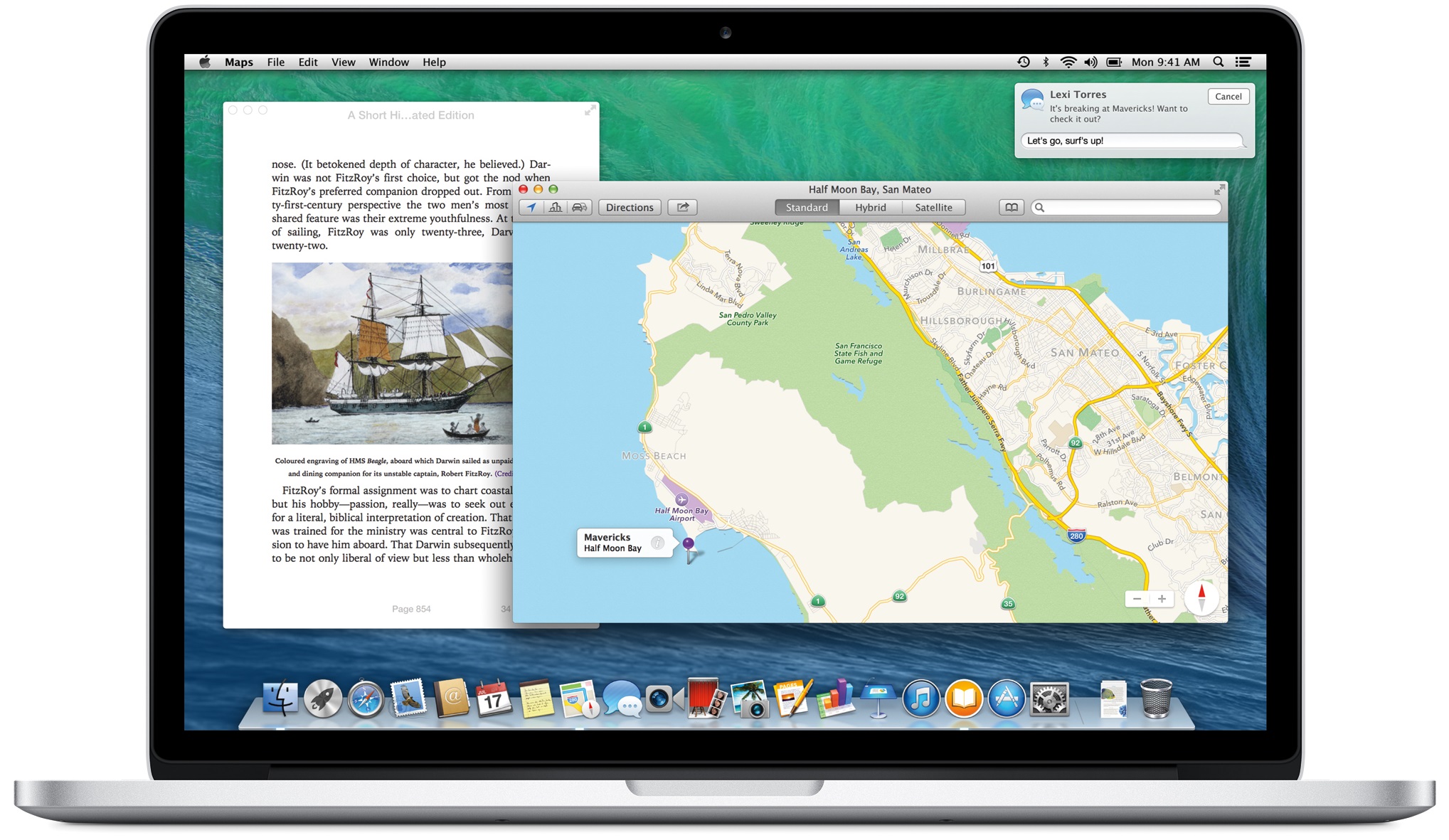
Apple has updated its MacBook Pro with Retina display lineup with faster processors across the board and more RAM in the base 13.3-inch and 15.4-inch models, that kick off at $1,299 and $1,999, respectively. The new processors are 200 MHz faster than before.
Both the entry-level and mid-range 13.3-inch Retina MacBook Pros come with a 2.6 GHz dual-core Intel Core i5 processor (with Turbo Boost up to 3.1 GHz), while the high-end model packs an even faster 2.8 GHz processor (with Turbo Boost up to 3.3 GHz). The base model gains 8 GB of RAM in the new generation, twice as much as its predecessor offered, but retains its 128 GB of internal storage.
Cortana embarrasses Siri in new Windows Phone ad
Even though Cortana shares some major design traits with Google Now, there is no denying that the new Windows Phone 8.1 personal assistant actually feels more like a Siri rival. That is due to their uncanny wittiness and human-like personality, two things that are just not there in Google's (clinical, albeit mighty powerful) offering.
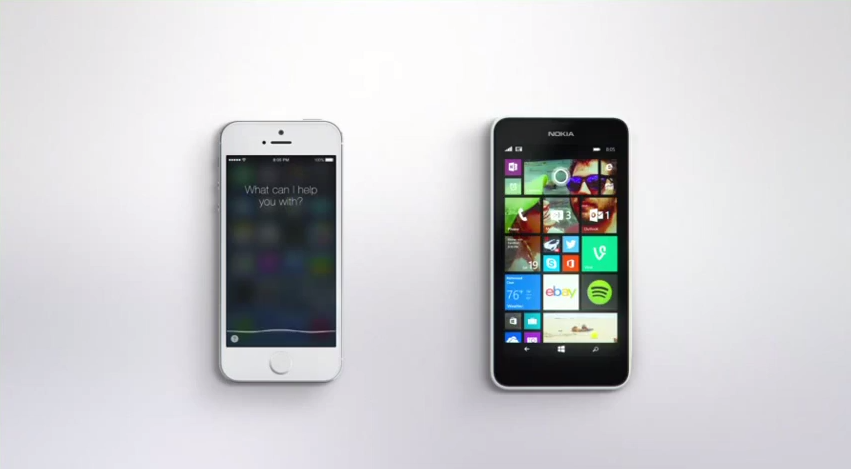
Cortana is gunning for Siri as the latter is a more talked-about personal assistant than Google Now is (and will likely ever be). So it should come as no surprise that, in a new Windows Phone 8.1 ad titled Happy Anniversary, Microsoft pits the two against each-other. And, obviously, Cortana embarrasses its opponent.

BlackBerry: Apple and IBM partnership is like 'two elephants dancing'
BlackBerry isn’t losing any sleep over the recent enterprise tie-up between IBM and Apple as their CEO John Chen compared it to a couple of large mammals taking to the dance floor.
Chen, talking to the Financial Times, likened the partnership to when "two elephants start dancing" and thinks that the firm he is slowly rebuilding has enough in the bag to compete with anyone that challenges it in the enterprise market.
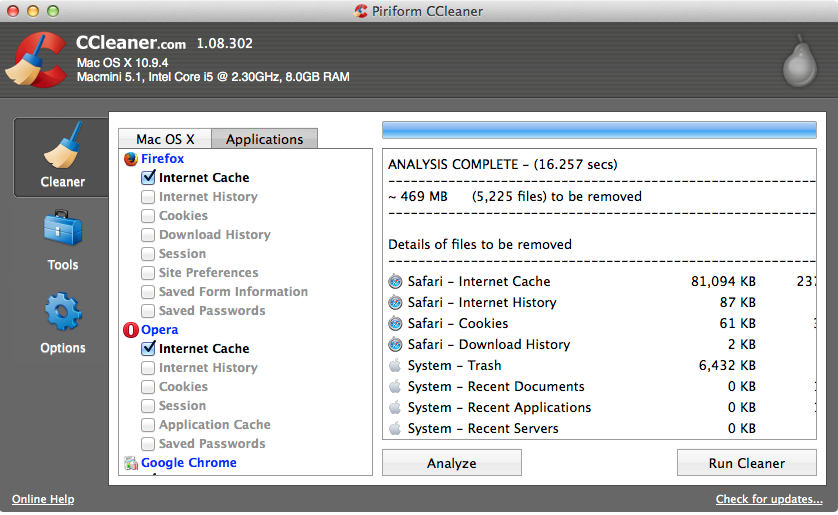
CCleaner for Mac 1.08 adds support for Yosemite Developer Preview, improves browser cleaning
Piriform Ltd has released CCleaner for Mac 1.08, a minor update to the Mac version of its freeware cleaning tool. Unlike the Windows version, which is updated monthly, CCleaner for Mac’s updates are more sporadic -- this is the first new release since November last year.
The new version opens by adding support for the OS X 10.10 Yosemite Developer Preview, which should mean it’ll work with the final version when it’s released later this year, although a further update for official compatibility is likely.
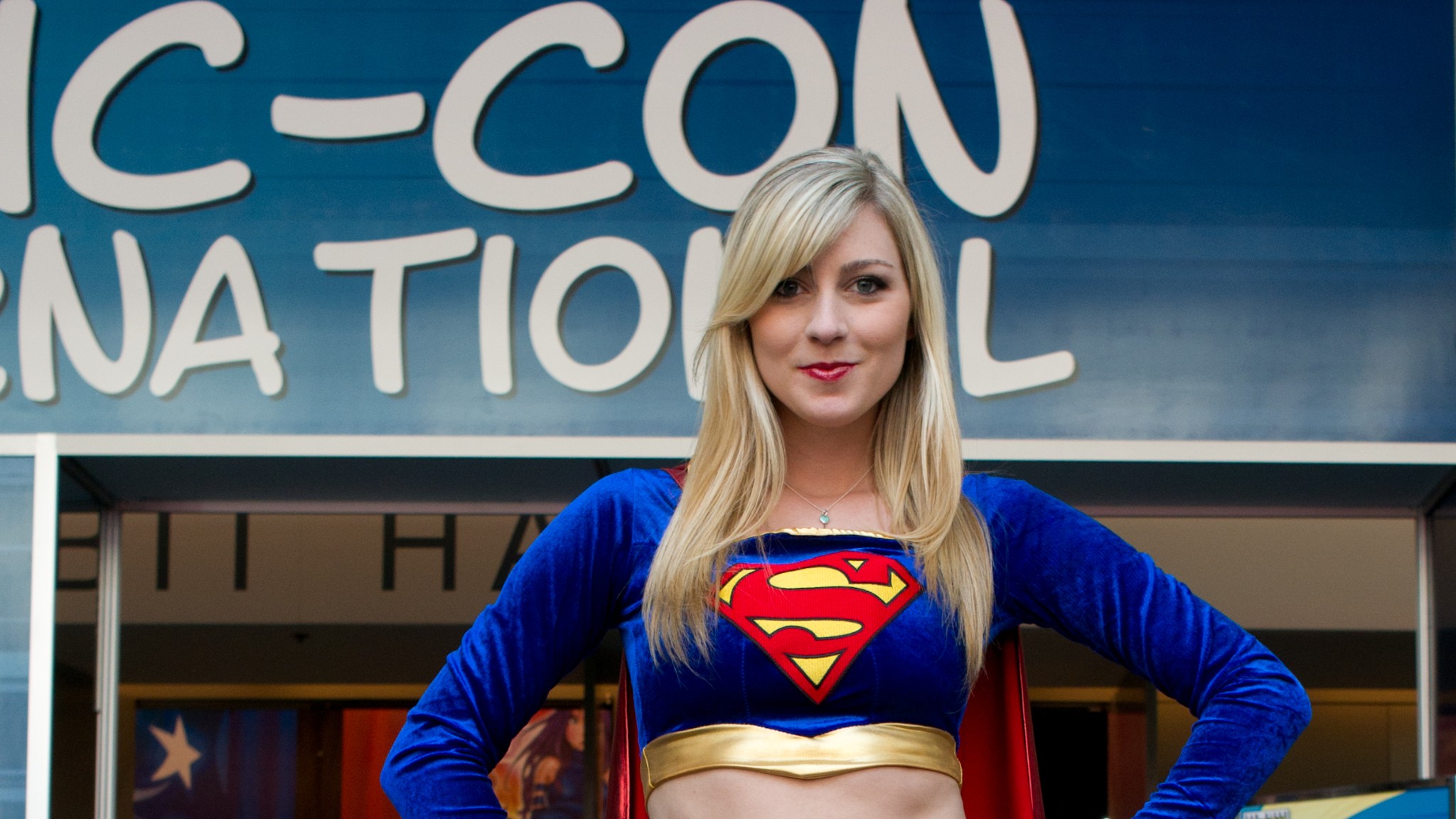
Nokia Lumia Icon Windows Phone goes to San Diego Comic-Con
Eighth in a series. What goes around comes around. It's cliché but describes my return to Nokia after abandoning the brand five years ago. I never expected to come back, and the app experience, while a backwater compared to Android or iOS, is little different than when I left. Cameras are great and app selection limited, but it's hugely improved because of Microsoft.
Nokia was in 2009 still the world's mobile handset leader, except for one major market: The United States. As such, Symbian dominated mobile app development, even as iOS rose in prominence. (Remember: Apple opened its app store in July 2008, and the first Android phone shipped a few months later.) But the majority of apps and supporting services, developed by Nokia and third-parties, best suited the rest of the world. Americans had limited choices on the company's handsets.

Are you Bing-curious? Microsoft's search engine comes to new tabs in Google Chrome
Bing is a wonderful search engine. My love for it is hardly a secret, as I declared my affection earlier today. However, while Internet Explorer is getting better all the time, Chrome is still my preferred browser on Windows, Linux and OS X. Unfortunately, using Bing as the default search engine on Chrome just felt wrong. I pictured Google employees spying on my web activity and shaking their heads in disappointment at my horrible crime.
Of course, that is not really happening (I hope), but still Bing on Chrome felt out of place and third-rate in comparison to Google. Today, this changes as Bing comes to new tabs in the Chrome browser.
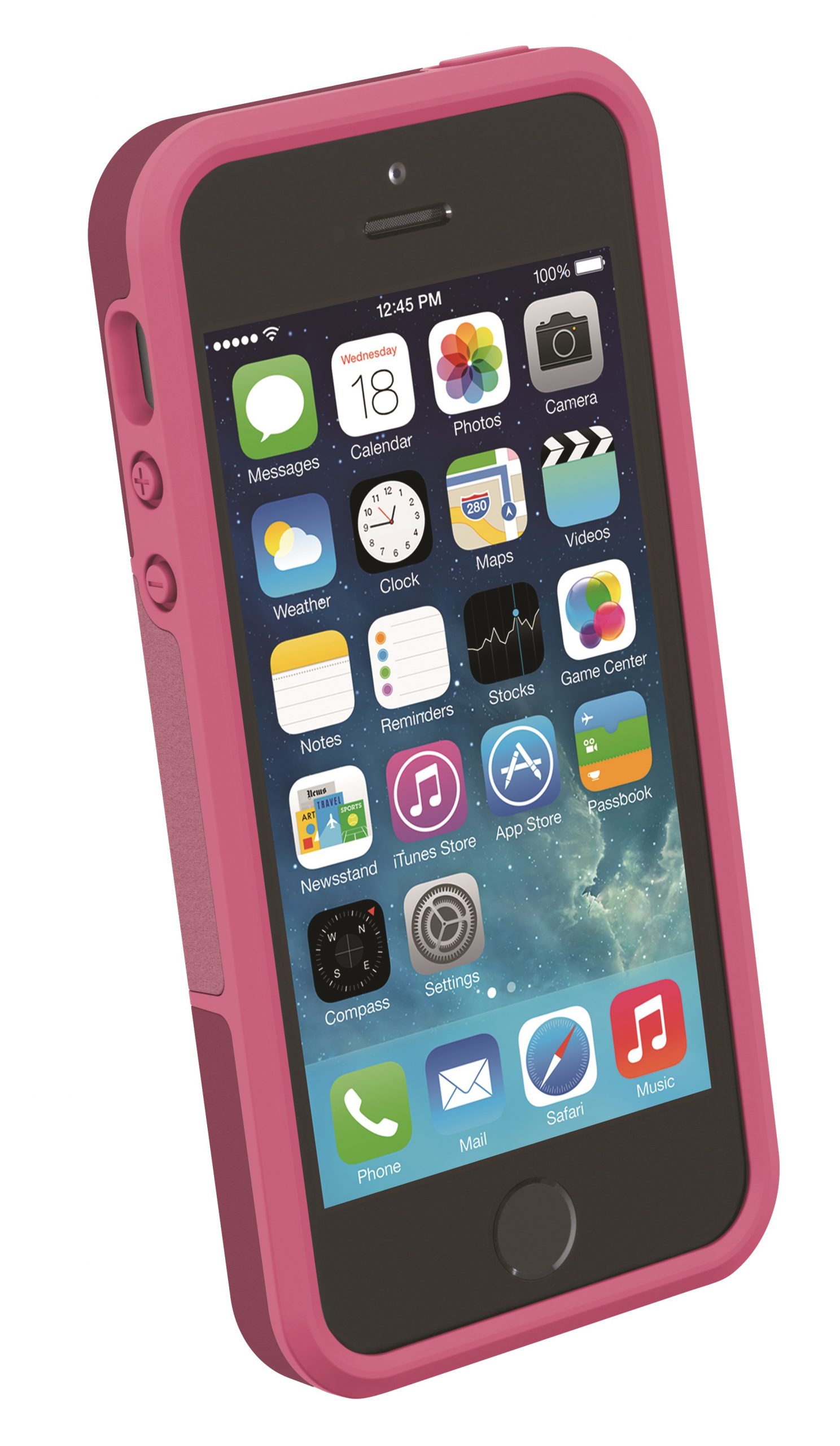
Logitech protection+ case for iPhone 5s and Galaxy S5 -- sexy durability
For a tech nerd, there is nothing more fun than getting a new smartphone. When you get that little box home and carefully open it, it is like reliving Christmas as a child. For some, the contents of the box is just a smartphone, but to others like me and you, it is pure magic.
Sadly, smartphones can be a bit fragile -- dropping it on the concrete or other surface can crack the screen or make the device inoperable. This would be like a child witnessing Santa Claus' sleigh crashing into a tree and turning into a fireball on Christmas Eve -- a nightmare. Of course, you can get a case to protect it, but many of them are bulky and ugly. If you have a beautiful iPhone 5s or Galaxy S5, the last thing you want to do is make it unattractive. No worries, Logitech is once again here to save the day with the beautiful protection+ case for both of those phones.
IBM and Apple -- Just not that big a deal
Given that I used to work for Apple and have lately been quite critical of IBM, readers are wondering what I think of Tuesday’s announcement of an iOS partnership of sorts between Apple and IBM. I think it makes good sense for both companies but isn’t a slam dunk for either.
There are three aspects to this deal -- hardware, apps, and cloud services. For Apple the deal presents primarily a new distribution channel for iPhones and iPads. Apple can always use new channels, especially if they hold inventory and support customers who aren’t price-sensitive. Apple’s primary goal is to simply get more devices inside Big Business and this is a good way to do that.

Apple and IBM form unholy union -- Tim Cook shows weakness
For years, Steve Jobs fought the good fight against IBM and IBM compatibles. Heck, Apple was the anti-IBM. Sure, the fruit-logo company was out to make money, but not at any cost -- products and perception mattered. To many Apple enthusiasts, IBM was looked at as a dinosaur. Ultimately, IBM failed as a personal computer company, but thrives today offering services. The once mighty ThinkPad line is now property of the Chinese, by way of Lenovo. Apple stands strong in America.
Boy oh boy, Jobs must be spinning in his grave. Today, Apple and IBM join forces to strengthen iOS for the enterprise. Make no mistake, this is not Apple throwing IBM a bone. No, IBM is the stronger enterprise brand lending legitimacy to the iPhone and iPad for business. Big Blue is hired muscle for Apple.

Chromebook kicks OS X and Windows out of school
Get ready for another rash of "Year of the Chromebook" stories. It isn't, but tongues will wag. Today, NPD released new data about U.S. commercial computer sales which, like the last set, is sure to be misquoted. Spurred by educational buying, Chromebooks accounted for 40 percent of U.S. commercial channel notebook sales for the three weeks ended June 7. But some nitwits are sure to claim all sales, as they did following December's data drop. Commercial sales are more limited and represent those to businesses, educational institutions, governments, and other organizations.
That's not to diminish Chromebook's success, considering the category is but three years old and supplants OS X and Windows sales in the coveted education market. Users gotten young often stay with a platform for life. The browser-based computers aren't singular entities, either. Android and stand-alone Chrome platforms benefit, too, from halo sales going both ways.
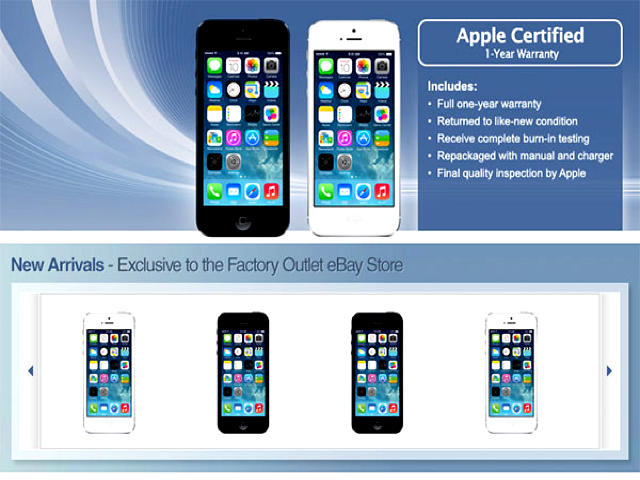
Apple's cut-price eBay store returns
Apple’s mysterious eBay Store is out of the wilderness and back online selling iPhones at prices that undercut the company’s own online refurbished store and pre-empt a new iPhone launch in September.
It’s being reported by Apple Insider that the storefront, which first appeared in 2012, is back on eBay’s site and selling "Apple Certified" iPhone 5 devices in a range of specifications -- something even Apple’s official refurbished site isn’t doing.

iTunes 11.3 delivers new iTunes Extras for HD movies on Mac and Apple TV
Apple has rolled out iTunes 11.3, the latest update to its popular media tool for Mac and Windows. Version 11.3, which is also available as a separate 64-bit build for Windows, extends its iTunes Extras feature to HD movies.
iTunes Extras include additional featurettes -- some of which may be interactive -- to accompany movies, such as behind-the-scenes documentaries, director’s commentary and high-resolution image galleries.
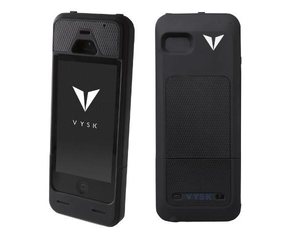
Vysk QS1 phone case brings encrypted calls to paranoid Samsung and Apple users
Phones hit the headlines for lots of reasons -- the biggest, the most expensive, the shiniest, or just the newest. We live in times in which security and privacy are major concerns for people in all walks of life. The activities of the NSA, as revealed by Edward Snowden, served only to heighten paranoia -- the prospect of having one's phone calls and text messages intercepted is something that fills few people with joy. Enter Vysk communicastions' Vysk QS1 phone case which can be used with an iPhone 5 or 5s, and a Samsung Galaxy S5 or S4. The selling point here is that it's not just your phone that's protected, but also your privacy.
The privacy features come in mechanical and software forms. On the mechanical front there are "shutters" that can be used to obscure your phone's front and rear cameras, and there's also a jamming system for microphones. This is described by Vysk as "Lockdown Mode", but you can take things a step further. For $9.95 you can subscribe to "Private Call Mode". This introduces encryption to your texts and phone calls, with an onboard processor taking care of encryption on the fly and sent via the Vysk encrypted network. As Vysk puts it: "No one -- not even Vysk -- will know the identity of the caller or the recipient. No data is collected -- no phone numbers, call times or content - so there is no data to record. Because nothing is recorded, nothing is at risk."