Microsoft uses data gathered from telemetry to reduce Windows 10 Anniversary Update rollback period
If you've upgraded to Windows 10 Anniversary Update, you only have 10 days in which to roll back to your previous operating system if you change your mind. This is a dramatic reduction from the 30 days Microsoft allowed users previously.
As noted by Richard Hay on WinSuperSite, the latest big update to Windows 10 slashes this period by two thirds. This is not just an arbitrary change, however. Microsoft says it is based on data gathered via telemetry.
Microsoft to close free Windows 10 upgrade loophole
Free upgrades to Windows 10 officially came to an end on 29 July, but there are ways to continue upgrading without purchasing a license. The easiest method is to take advantage of a scheme that Microsoft has in place for users of assistive technologies.
As detailed here, Microsoft created a web page that allows users with accessibility needs to continue to upgrade to Windows 10 for free, but because it doesn’t require users to prove they use assistive technologies, anyone can take advantage of the free extension.

How to stop receiving Insider Preview builds after upgrading to Windows 10 Anniversary Update
Windows 10 users who are part of the Windows Insider program can choose to stop receiving new preview builds after installing the Anniversary Update. Microsoft is making it very easy to stick with stable releases going forward, either temporarily or for good, so, if you want to opt out, here is how you can do it and what it entails.
Microsoft is giving you a lot of leeway with regards to how you leverage the Windows Insider program. The devices that you have enrolled are treated separately, so you can switch to stable releases on a desktop, laptop or tablet and continue to receive Insider Preview builds on another.

How to create a bootable Windows 10 Anniversary Update USB drive
Microsoft has officially launched the much awaited Windows 10 Anniversary Update. The latest release brings lots of exciting new features and improvements that make the operating system much more powerful and refined. And, naturally, many of you will want to create a bootable USB drive to perform a clean install of Windows 10 Anniversary Update on your devices.
Creating a bootable Windows 10 Anniversary Update USB drive is very easy. All that you need is a USB drive, a Windows 10 Anniversary Update ISO, a Windows device, and a couple of minutes to spare.
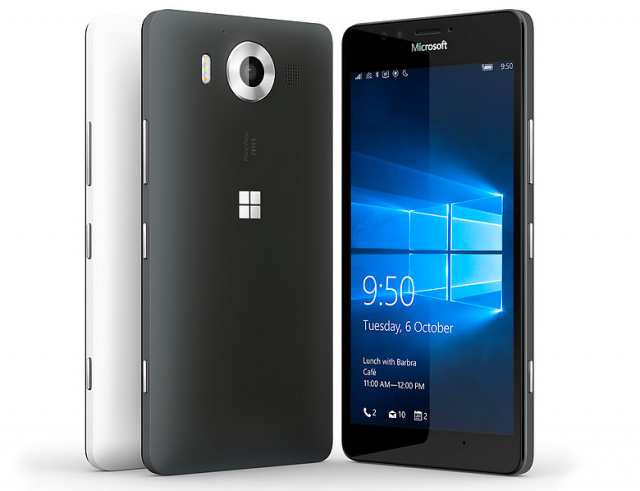
Windows 10 Mobile Anniversary Update rollout starts August 9
The same day that Windows 10 Anniversary Update started to roll out to computers around the world, the launch date for the Windows 10 Mobile version has been revealed.
The Lumia India team -- so an official Microsoft source -- said on Twitter that Windows 10 Mobile Anniversary Update will be available from August 9. This is just one week after the desktop launch, and it will give those with compatible handsets to take advantage of a raft of new features.

More than 60 percent of Windows users would switch to Mac for more privacy
Concerns over Windows 10 and the amount of data it collects via the Windows Store could prompt users to switch to Mac according to a new survey.
The study conducted by OnePoll on behalf of security and privacy advice and comparison website Comparitech.com finds that 61 percent of the US public who regularly use Windows would at least consider switching to Mac.

How to download Windows 10 Anniversary Update and create your own installation USB flash drive or DVD
Windows 10 Anniversary Update is slowly rolling out to all users but the process may take a while. You can hurry it along, by following the instructions here, or there's another even better way.
If you can’t wait to try the new features, the good news is Microsoft has updated its Media Creation tool to include the update and you can use this to download Windows 10 now and create your own installation media on either a USB flash drive or DVD. This is particularly handy if you want to perform a clean install, or update multiple computers in quick succession.

Can't wait for Windows 10 Anniversary Update? Here’s how to get it right now
As we’ve mentioned previously, the Windows 10 Anniversary Update for PCs is rolling out now, but it may take a while to reach your system.
If you’re the impatient sort who doesn’t want to wait (and who could blame you), the good news is you can hurry the upgrade along, and start installing it now.
How to install and manage extensions in Microsoft Edge
One of the biggest changes in the new Windows 10 Anniversary Update is the introduction of extension support in Edge.
Admittedly, this is something that should have been included in the browser from day one, not popping up a year later, but hey ho, it’s here now. There aren’t many extensions at the moment -- just an unlucky 13 -- but there are some very useful ones available.
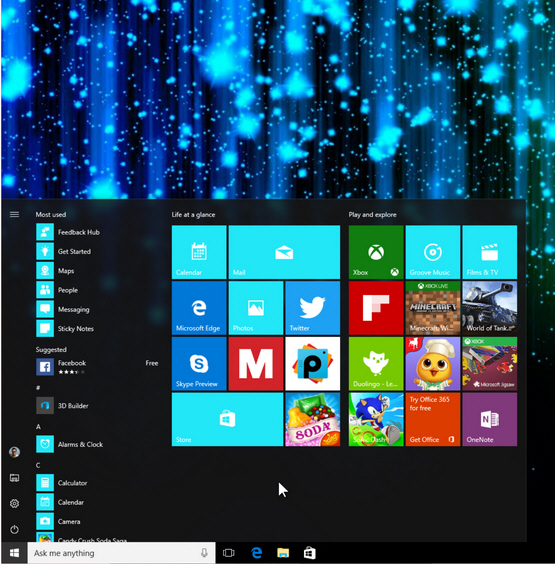
Get started with Windows 10 Anniversary Update's revamped Start menu
Windows 10 Anniversary Update is starting to roll out to users globally. There are lots of changes and improvements to the operating system but one of the biggest is to the Start menu.
If you had gripes about how Microsoft implemented it originally, the new version should go some way to appeasing you. If you liked the original approach, you'll likely be very happy with the changes. Here’s what’s new:

Windows 10 Anniversary Update rolling out today -- here's what's new
While it may take a while for the Anniversary Update to arrive on all Windows 10 systems, it is slowly rolling out to eager users across the globe, starting with "newer" devices first.
If you’re a Windows Insider, or have been following news of the various Insider Preview builds, you’ll know there’s a lot of new features and improvements in the update. These are the headline changes:
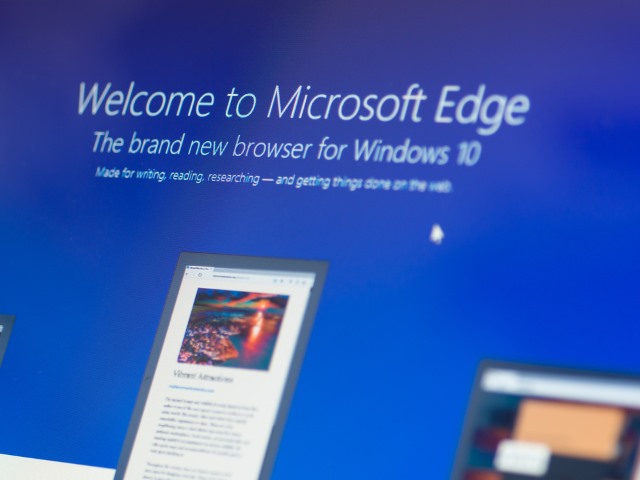
Adblock Plus arrives for Microsoft Edge in Windows 10
Today is the day that Windows 10 Anniversary Update rolls out to the masses, but this is not the only big Windows 10 news of the day. The version of Microsoft Edge included in the latest update features support for extensions -- and this means that millions of Windows 10 users can now take advantage of Adblock Plus.
Of course, this is not entirely new news. Windows Insiders have been able to use Adblock Plus for a little while now, but now that same option is available to anyone running the latest version of Microsoft's operating system.
Windows 10 Anniversary update is not driving enterprises to switch
Although 64 percent of enterprises are planning to move to Windows 10 in the next year, tomorrow’s expected Windows 10 Anniversary release from Microsoft isn't proving to be a huge motivator for upgrading.
According to the survey from systems management specialist Adaptiva, 76 percent say the anniversary update is not increasing their sense of urgency to move to Windows 10.

Turns out there was no real last-minute rush to upgrade to Windows 10 for free
July was the last month of Windows 10 being available for free, and that coupled with Microsoft's final aggressive push should have resulted in the operating system being installed on a lot more devices.
NetMarketShare has updated its usage share figures for July and while Windows 10's growth in that month is decent, it's not much different from what we've seen in previous months, which is a little surprising.
Microsoft tightens up Windows 10 security by requiring kernel mode drivers to be digitally signed
Windows 10 will not load unsigned kernel mode drivers, starting with version 1607 of the operating system. This is something that had been announced back in 2015, but is only just being implemented.
The decision was taken in order to improve the security of Windows 10, but Microsoft says that "due to technical and ecosystem readiness issues, this was not enforced by Windows Code Integrity and remained only a policy statement". Now it is a reality, and it's something developers and users need to keep in mind.