
LG and Sony partner with Microsoft to save their Android devices
There is something happening in the Android world -- consumers just aren't caring about the latest and greatest flagships like they used to. Even Samsung, once thought to be unstoppable, is facing declining sales. It almost seems as if consumers are fatigued to the upgrade cycle. While a new iPhone is a magical annual affair, the market is flooded with so many Android phones, it is hard to differentiate one from another. The major manufacturers are even starting to feel pressure from smaller companies such as OnePlus.
What are manufacturers such as Sony and LG supposed to do to make their smartphones stand out? Turn to Microsoft, apparently. Yes, both of those aforementioned manufacturers, plus a bunch of others, are turning to the Windows-maker in an effort to get Skype, Office and more pre-loaded on their devices. In other words, maybe Microsoft can save their device's from Google's perception-stranglehold and overall monotonous Android sales environment.

Fedora 22 is here -- Linux fans, get excited!
The large number of active Linux distributions nowadays is problematic. While some will say more choice is a good thing, I must disagree in this regard. This can potentially overwhelm people that are Linux-curious, causing them to abandon their open source journey before it begins.
Quite frankly, beginners should only target two distros -- Ubuntu and Fedora. The former is the easier and more accessible of the two, but the latter is arguably better from a learning experience. Today, after a long wait, Fedora reaches version 22.
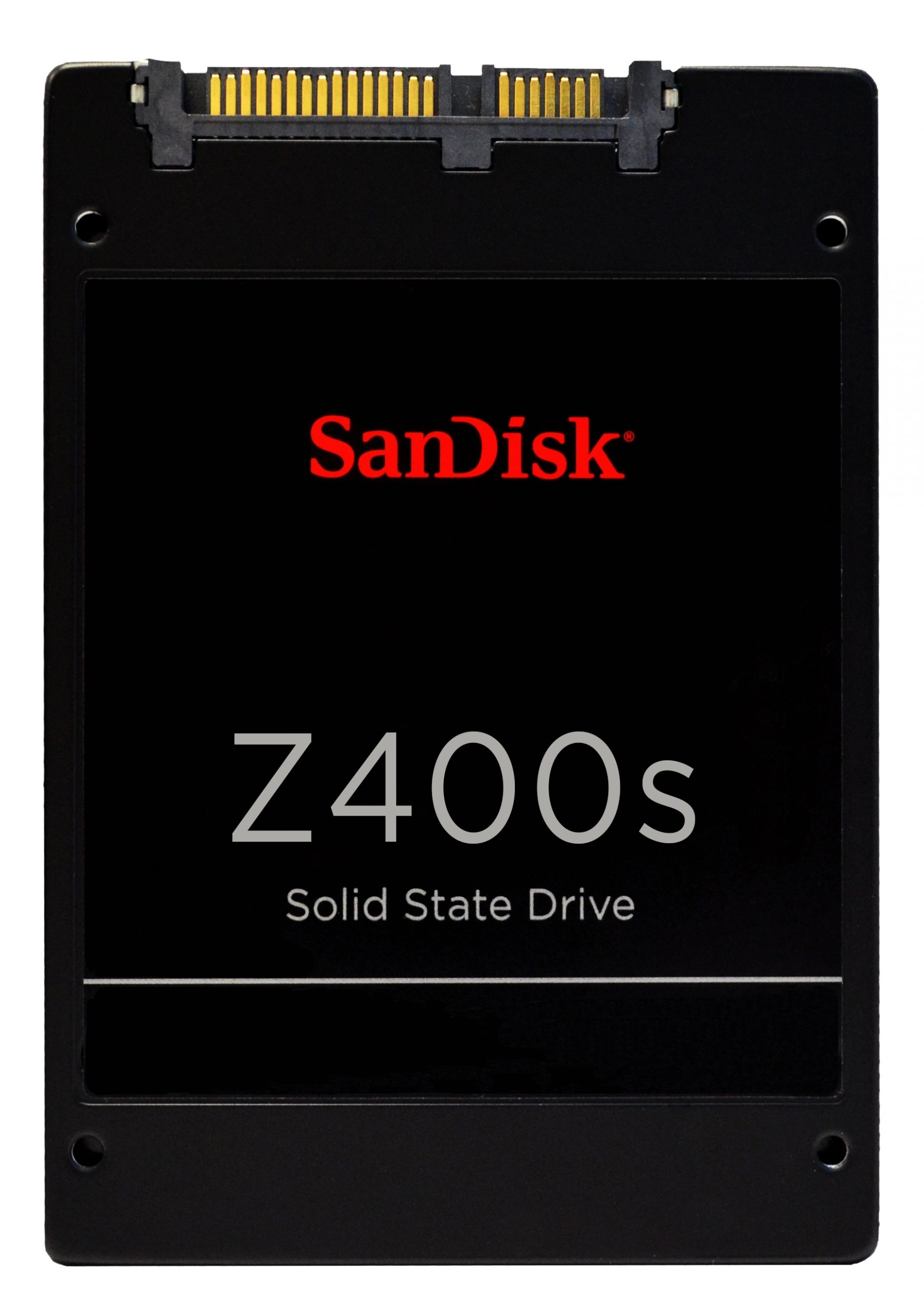
SanDisk announces Z400s SSD -- can this low-cost OEM drive finally kill the HDD?
If you are still running your operating system from a mechanical hard disk drive, you do not know what you are missing. Solid state drives have dropped dramatically in cost, while improving greatly in reliability; it is a shame that all computer users aren't using them. Unfortunately, even if the average user wanted to upgrade to a SSD, the process is probably too difficult -- both the physical aspect and copying data.
The best way to get users onto solid state drives is to have manufacturers stop making computers with HDD. This is easier said than done, however, as profit margins on these machines are often razor-thin. It can be impossible for OEMs to offer SSDs on low cost systems. Today, however, SanDisk announces the Z400s SSD. The company promises low costs for OEMs, which should translate to SSDs in lower-cost laptops. Can this finally displace the HDD?

Firefox for iOS Beta coming to iPhone and iPad very soon -- source code available now!
I have a love/hate relationship with iOS. My iPad Air is a satisfying tablet; I enjoy using it, but I feel guilty. Why? I have some specific computing beliefs that Apple's operating system is at odds with. Namely, I do not like that users cannot change the default web browser. Even worse, I find it horrible that alternative browser engines cannot be used. While I am sure Apple has its reasons, it is an undeniably bad practice which harms users by limiting choice.
Firefox is not found on iOS for this reason. Mozilla initially refused to cave to Apple and release a neutered version without its own Gecko engine. Last year, however, Mozilla announced that it was bringing a version of the browser to the mobile operating system by saying, "we need to be where our users are so we're going to get Firefox on iOS". While I am still dismayed that browser will not use the Gecko engine on iOS, I've come to accept it as a necessity for Firefox to survive. Today, Mozilla announces that the project is still on track and a beta is on the way soon.
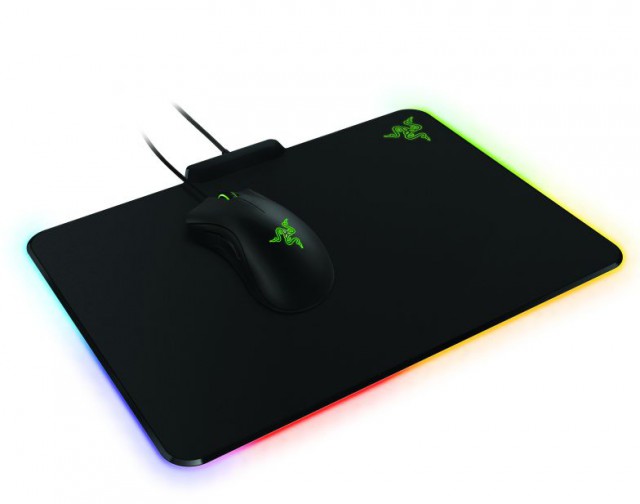
Razer Firefly is the coolest mouse pad ever
Depending on your age, you may or may not remember when mice had rubber balls to track movement. It was horrible, as they would often get clogged and required cleaning. They also benefited from a mouse pad, as the ball would work better on it than on a desk surface.
Nowadays, we have optical and laser mice, which track much better on most desk surfaces. In other words, for the most part, no mouse pad is needed. Gamers, however, still invest in mouse pads (aka mouse mats) as a way to get an edge in competitions. Today, Razer announces the Firefly, which, in my opinion, is the coolest mouse pad ever. Both gamers and non-gamers will want to check this thing out.

Google brings open source gaming to Cardboard
Virtual reality is definitely a popular thing nowadays. Unfortunately, the hardware can be rather expensive. Not to worry though, it doesn't have to be pricey. Last year, Google released its Cardboard project, bringing virtual reality to anyone with a compatible Android phone and some cardboard (plus rubber bands and lenses, etc.).
Today, the company announces it is bringing its open source Android game, Pie Noon, to Cardboard. Are you ready to play a game with your smartphone strapped to your face?
Google apologizes for Maps racism
When it hit the national news that searching for certain racist and offensive words in Google Maps brought up the White House, I was immediately appalled. As someone who grew up listening to Hip-Hop music, I've heard similar language before, so I was not offended by the words themselves. I was, however, disappointed in the apparent disrespect towards our President and the ignorance of the perpetrator.
With that said, I was not angry at the search giant, as I knew it was not the company's doing, but simply a byproduct of a user's anonymous free speech. Heck, Barack Obama and Google are quite close -- blaming the company makes no sense. Of course, modern society and the public relations machine requires an apology for this, so today, Google has done so. Do you think the search giant needed to?
Microsoft making Outlook.com prettier and more useful
I am a hardcore Gmail user, as many people are, but I am not necessarily happy about it. Why? Google's Gmail.com user interface is horrid. Sure, it is functional, but it is outdated and hardly pleasing for the eyes. It is baffling as to why Google does not update such a popular service.
Conversely, Outlook.com is a treat to use, as not only is it more functional, but prettier too. Heck, you can even use your Gmail account with the site. Today, Microsoft announces a refresh of the Outlook.com website. Not only will it be more attractive than before, but it is also gaining many new features. Excited? Me too.
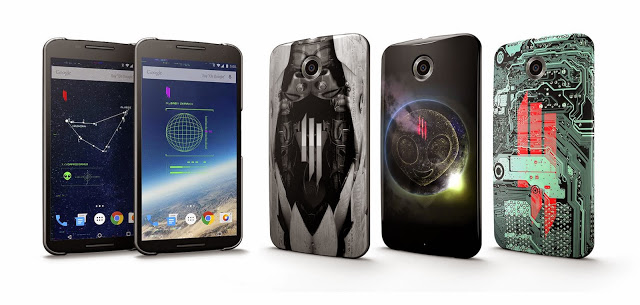
Google launches artist-inspired 'Editions' Android phone cases -- Skrillex goes first
One of the major reasons I choose Android over iOS is freedom. Not only am I free to set a default browser and default email client, but I am free to install different "launchers" to customize the experience. Manufacturers are even free to make phones of various sizes and shapes, which in turn means consumers can find the right device to meet their needs.
Following that trend of freedom and customization, Google today launches "Editions", which are artist-inspired cases for Android phones. Not only will they offer a fun and unique way to show-off your phone, but they will also grant access to exclusive artist content. The first artist is the king of dubstep, Skrillex.
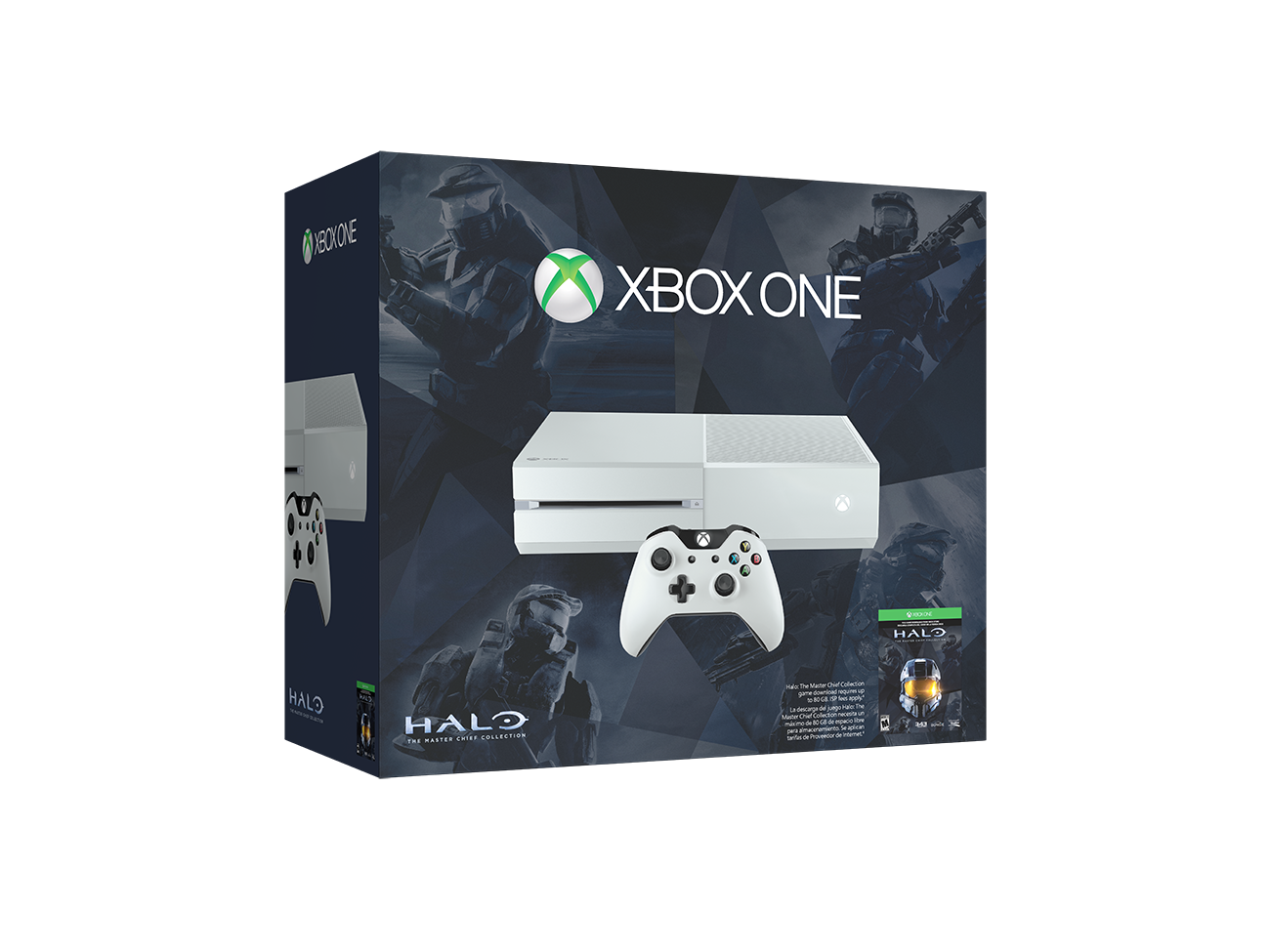
Microsoft announces limited edition white Xbox One with Halo: The Master Chief Collection
The video game console wars are really heating up lately, with both the Xbox One and PlayStation 4 selling well. Unfortunately, I still do not own either console, although I briefly had the PS4 before returning it. I am really impressed with the Microsoft ecosystem lately, so I have been considering buying Xbox One. When it comes to money, however, I am notoriously frugal.
Today the inside of my wallet may see some daylight. You see, Microsoft announces a beautiful new Xbox One model with an angelic white color. Best of all, it will come with the Halo Master Chief Collection Bundle at the same low $349.
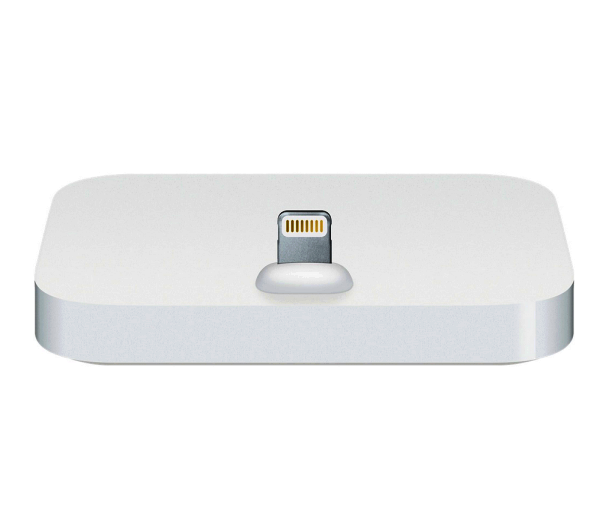
Apple resurrects the iPhone dock, adds Lightning connector -- still stupid
When I bought my first iPod, a click-wheel model, I excitedly bought some accessories too; a silicone case and the official dock. Docking the iPod was such an elegant thing, I was excited to do it. I connected the dock to my Windows PC, put the case on my iPod and...FAIL.
Yes, with the case on, my iPod would not fit in the dock. I had to decide between elegant docking and protecting my investment. Fast forward to today, and Apple introduces a dock for the lightning-connector iPhones and iPods. While it may work with some thin cases, once again, users will have to decide between the dock and protection, which is surely foolish.
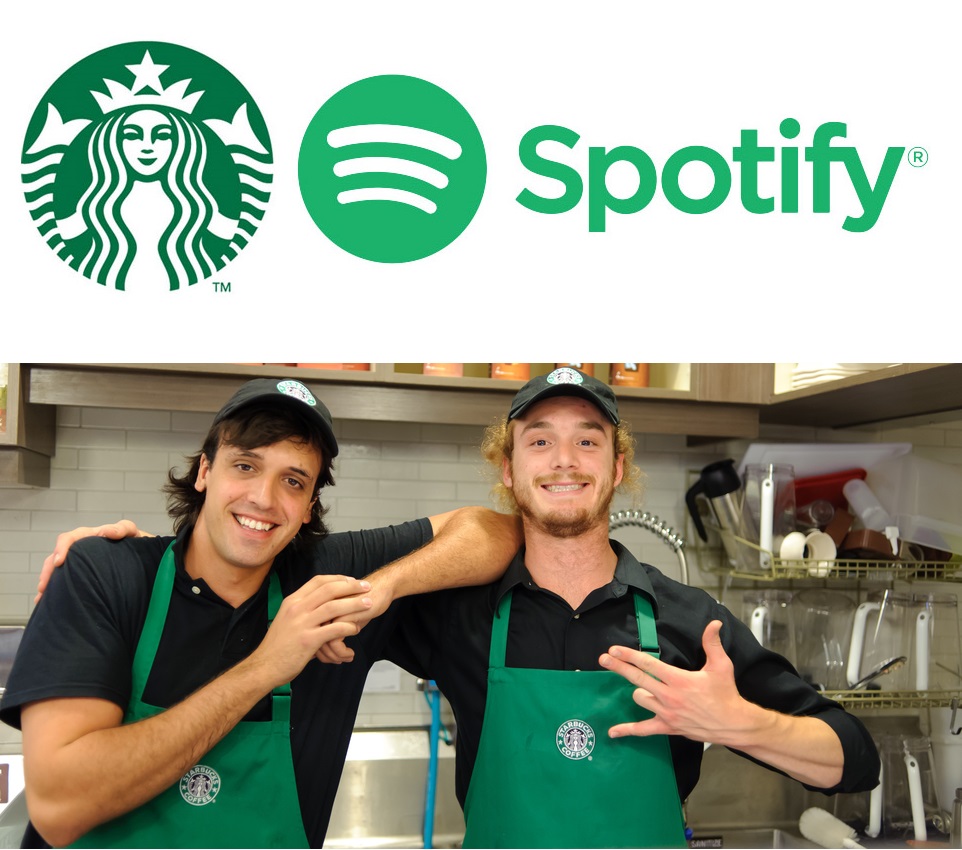
Starbucks and Spotify join forces
When it comes to coffee, I am pretty open-minded, brewing many different brands with my Keurig. Hell, the use of that single-cup brewer is sacrilege to many aficionados, but I enjoy it. Away from home, however, I drink Dunkin' Donuts, 7 Eleven and, of course, Starbucks. While the Seattle-based Starbucks is not my favorite coffee, I go there more often than the other two. Why? The ambiance. I enjoy being in the coffee shop, as it is trendy and they play interesting music. Oh, and free Wi-Fi!
Apparently, I am not alone in enjoying the music that is played in Starbucks, as the company is joining forces with my favorite streaming music service, Spotify. While this partnership seems odd on the surface, it actually makes a lot of sense.

Microsoft Solitaire turns 25 -- what are your fondest memories of the game?
Back in the 90's, I got my first computer. I was not alone in this regard; at the time, Windows-based computers exploded in popularity thanks to the Internet. These machines were hardly inexpensive, often costing several thousand dollars. This was at a time when a thousand dollars was much more valuable than today.
The funny thing is, beyond using AOL to talk to strangers, we home users did not know what the heck to do with these expensive machines. Before you bought it, you would envision all of the magical things you will do, but ultimately, it was often used for one thing -- solitaire. Yes, many consumers justified their purchases by playing Microsoft Solitaire for hours on end. Hell, even in the corporate world, employees would play the game instead of getting work done; it was gloriously unproductive. Today, the game turns 25.
Google slashes prices to attract the enterprise to its Cloud Platform
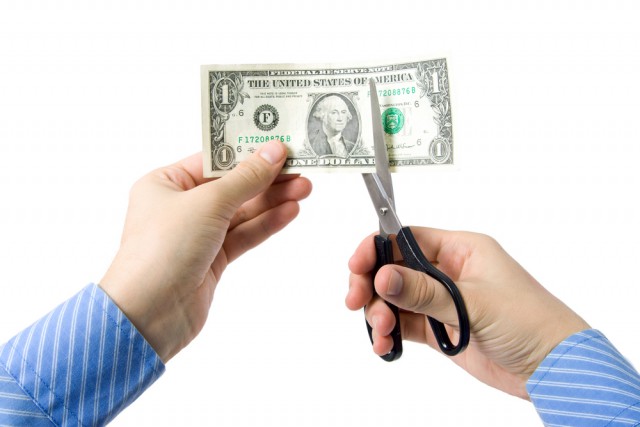
They say the key to a man's heart is his stomach, and for me, that is probably true -- feel free to put fat jokes in the comments. But what is the key to a company's heart? Money. Yes, cost savings is an easy way to make a company take notice in your solution.
Today, Google is aiming to attract the enterprise to its Cloud Platform using this practice. You see, the search giant is dramatically slashing prices, and quite frankly, businesses should take notice.
Netrunner 16 'Ozymandias' is here -- the best KDE Linux distro gets better
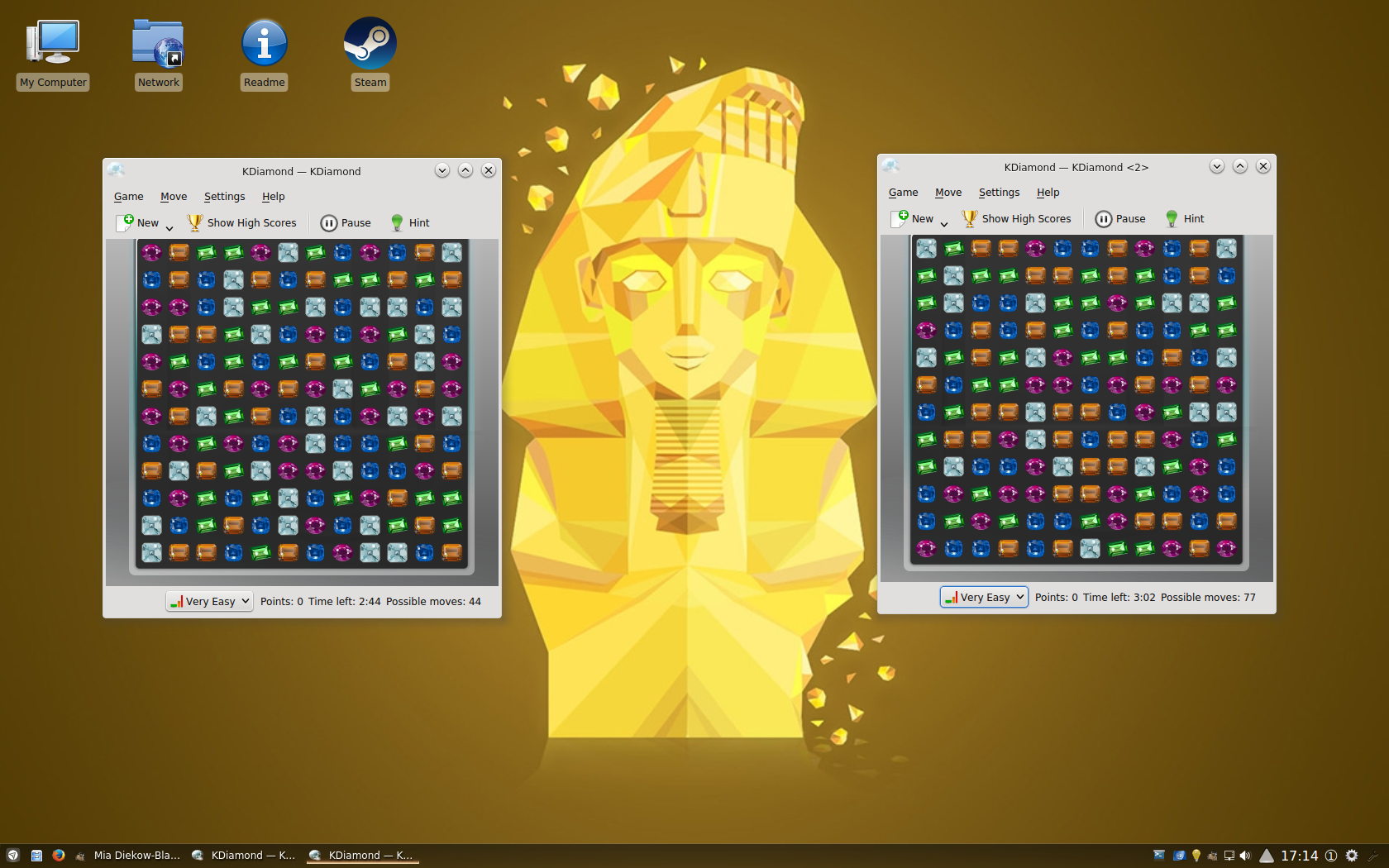
One of the wonderful things about Linux distributions is the various desktop environments available. Unlike Windows and OS X, if you do not like the user interface, you can simply change it. I am a big fan of GNOME 3, but I know that many people dislike it. That's OK -- different strokes for different folks as they say.
Another desktop environment I like, and recommend to many, is KDE Plasma. The latest version, Plasma 5, is wonderful, and former Windows users will feel comfortable with it. Today, the best KDE distribution, Netrunner, reaches version 16. Dubbed "Ozymandias", it embraces KDE Plama 5.