
Linux gets hit by a trojan -- it's time to sudo apt-get scared!
When evangelists pontificate the benefits of Linux, the topic of security always comes up. A big selling point of Linux-based operating systems are that they are generally immune to viruses, trojans and malware. However, this is a falsehood -- no OS is 100 percent safe when it comes to these things. According to security company RSA, a team of Russian cyber-criminals have developed a trojan, named "Hand of Thief", which targets Linux.
The security company explains that the trojan is "designed to steal information from machines running the Linux OS. This malware is currently offered for sale in closed cybercrime communities for $2,000 USD (€1,500 EUR) with free updates. The current functionality includes form grabbers and backdoor capabilities, however, it's expected that the Trojan will have a new suite of web injections and graduate to become full-blown banking malware in the very near future. At that point, the price is expected to rise to $3,000 USD (€2,250 EUR), plus a hefty $550 per major version release".
Bing apps for Windows Phone 8 -- Microsoft delivers the goods
Windows 8 users already enjoy the Bing app suite on their laptops, desktops and tablets. Since these apps are very mobile and touch-focused, it has been disappointing and rather curious that they were absent from Microsoft's own Windows Phone 8 platform. But, now, it finally arrives.
The suite is comprised of four Bing apps -- Sports, Finance, Weather and News. The apps closely mirror their desktop counterparts; including live tiles. The live tiles are nothing short of gorgeous and improve the value of the home screen immensely. By pinning the apps to the "Start" page, the user is presented with ongoing information. Tapping on the live tile delivers personalized information. I must say that the suite is, well... sweet.
LG announces the G2 -- life's good for Android users
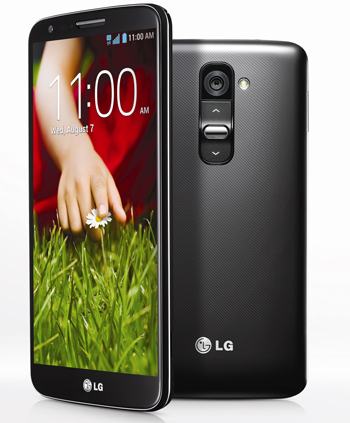
While LG has slowly made a name for itself in the USA with such devices as televisions and washing machines, the company has also released smartphones to much lesser fanfare. The South Korean company has a small and quiet following in the Android community, but it is far outmatched by the likes of Samsung, Motorola and HTC. Today, the company hopes to change this by announcing the LG G2 -- an interesting new smartphone with an unfortunate ho-hum name.
The most intriguing new aspect of the G2 is something LG calls "Rear Key". Basically, the volume and power buttons have been moved from the side of the device to the rear. This is truly innovative outside-the-box product design -- my mind is officially blown!
Microsoft warns Windows Phone users not to use WiFi -- wait, what!?
Windows Phone is a very closed system -- much like Apple's iOS. Because of this, users can comfortably use the operating system without fear of malware. However, this does not mean that the OS is free of vulnerabilities. Unfortunately, Microsoft has warned that Windows Phone 8 and 7.8 are vulnerable to a security weakness regarding Wi-Fi.
According to Microsoft, it is "...aware of a public report that describes a known weakness in the Wi-Fi authentication protocol known as PEAP-MS-CHAPv2 (Protected Extensible Authentication Protocol with Microsoft Challenge Handshake Authentication Protocol version 2), used by Windows Phones for WPA2 wireless authentication. In vulnerable scenarios, an attacker who successfully exploited this issue could achieve information disclosure against the targeted device". This is scary stuff!
Intel announces Education Tablets -- powered by Android and Atom
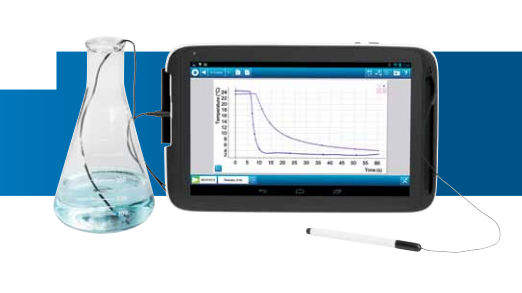
Tablets allow students to leverage technology to improve learning. An iPad for instance, can offer a more immersible experience when compared to a paper textbook. While there are many educational based applications for Android and iOS, there hasn't been a serious education-focused tablet from a major manufacturer -- until now. Intel has announced a new line of Android-based tablets designed for learning.
According to Intel, the tablets "...available in 7-inch and 10-inch sizes, are designed specifically for education and built to meet students' needs. The multi-touch display and e-Reader software enable students to access rich online content. Ultra-portability allows them to take the device to the field to capture data with the built-in camera and analyze it with Intel Education Software. They can collaborate with their classmates, while comparing their findings to others on the web".

Bing gets a sexy makeover for Windows Phone 8
While Android users are tightly integrated with Google Search, Windows Phone 8 users are even more tightly integrated with Bing. Heck, there is even a button that is dedicated to launching Bing Search. Today, the Bing Team announces that the search engine-related functionality is getting a brand new makeover to improve the experience on Windows Phone 8.
According to the Bing Team, the company will "...roll out a set of global updates for Windows Phone 8 similar to recent upgrades we've made to Bing.com on Android and iOS. With this release, we're excited to provide people with more info they need on their mobile device, including additional instant answers and Snapshot entity information". While this update is appreciated, it is disappointing that Microsoft gave similar updates to Android and iOS first.

Linux Kernel 3.10 gets long-term support
A common misconception is that Linux is an operating system. While it is easier to think of it this way, in reality, Linux is a kernel that operating systems (or distributions) use. For example, Ubuntu and Android are operating systems that utilize the Linux kernel. And so, this kernel is extremely important, as it impacts many users on many different operating systems.
Since the Linux Kernel can change very rapidly, there is a need by some (usually companies) to have a long-term support version; supported for 2 years.
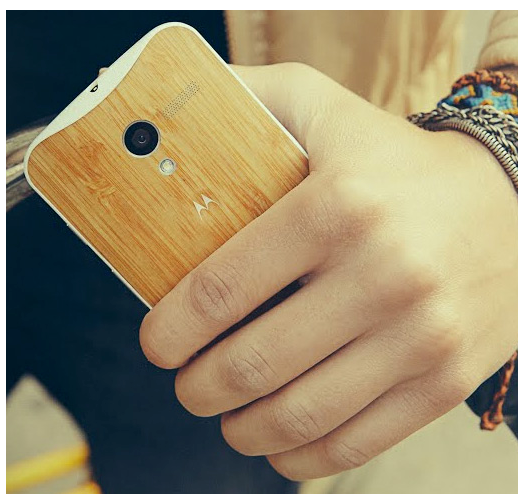
Motorola announces the Moto X -- Android users get wood
When Google bought Motorola, the Android community was abuzz with excitement. Motorola is a world renowned class-leader in quality. With that in mind, the world waited for a mythical and epic smartphone to be released as a result of the marriage. Unfortunately, while Motorola did release great phones such as the Droid Razr HD, these were not the Droids we were looking for. Today, Google and Motorola announce the Moto X, hoping to deliver on the high expectations.
The tagline for this new smartphone is "All Yours" -- this is because you can customize the phone to your liking. According to Motorola, the smartphone "...is truly yours, because you design it. Through our online studio, Moto Maker, you choose the colors, and decide on the details: front, back, accents, memory, wallpapers, even add a name or a short message. When you are done, we assemble your Moto X right here in the USA and ship it to you for free in four days or less. Choose from more than 2,000 possible combinations, with more to come. We’ll be constantly exploring new offerings, such as real wood backs, starting later in the year".
USB 3.1 specification complete -- still rectangular
When I built my newest computer, I was excited to get a motherboard with native USB 3.0 ports -- I was finally at the forefront of USB speed. I bought a USB 3.0 flash drive, hard drive enclosure and hub. All the devices worked great and life was good.
However, yesterday my world was rocked when the USB 3.1 specification was announced as complete. While we are likely years away from actual affordable USB 3.1 devices, it still leaves me feeling that my newly-bought hardware is already on the way to obsolescence. You see, this is not a minor update it is doubling the speed of USB 3.0 to 10Gbps!
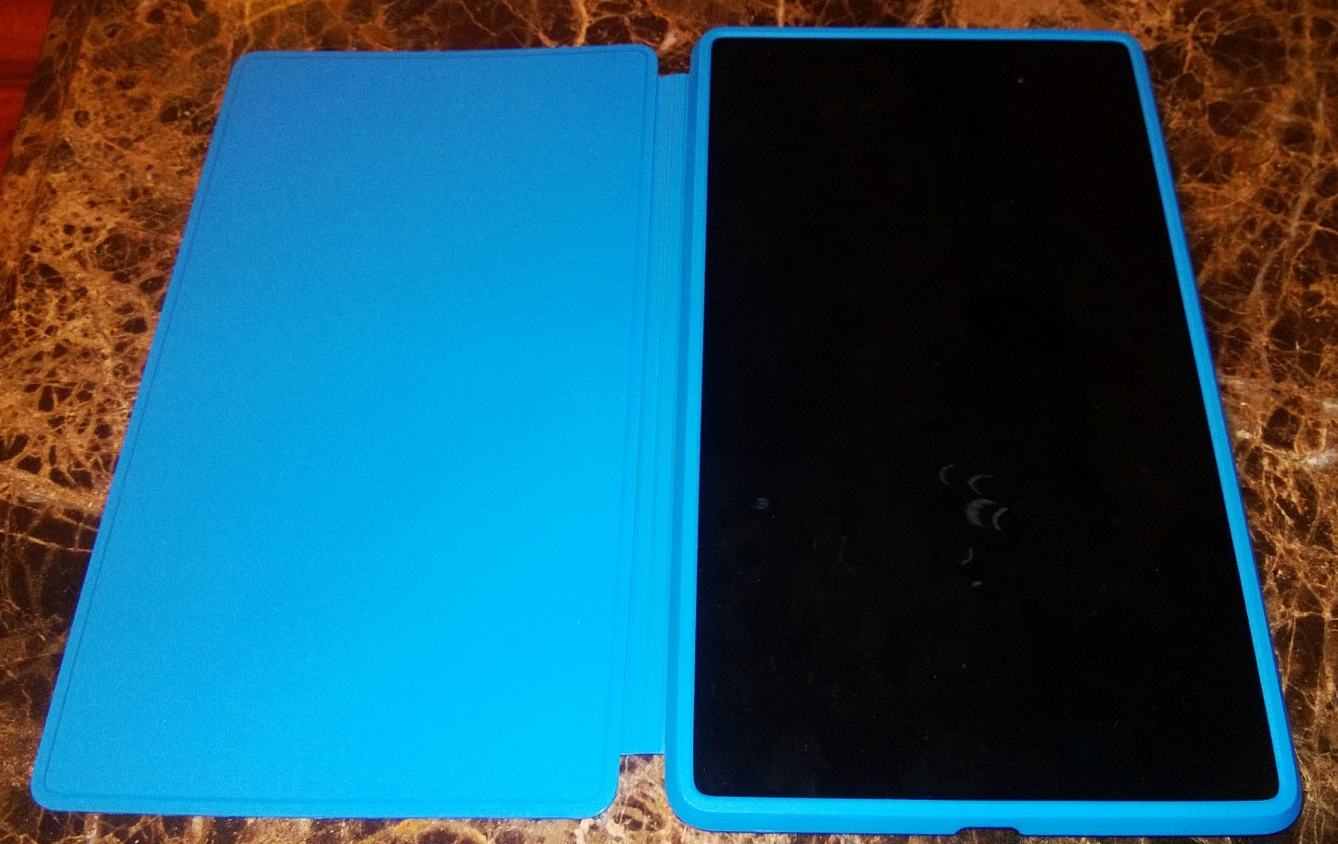
Nexus 7 (2013) Travel Cover by Asus [Review]
Smartphones and tablets are no longer just electronic devices -- they are fashion statements. It is becoming increasingly rare to find someone using one naked (without a case or cover). At some point, our iPhone-culture started to demand that our devices remain in flawless condition; this birthed an entire industry of fashion-based device protection. Yes, there were leather pouches and cases for old Palm Pilots and flip-phones, but a scuff or scratch on those devices was inconsequential.
When I received my second-generation Nexus 7, there were no cases available locally. I found that I had anxiety when using the tablet naked -- I was fearful of breaking or scuffing it. Luckily, I have an Amazon Prime account so the official Asus-made travel cover was only a day away (with $3.99 one-day shipping). I am happy to announce that the cover has arrived to my house so I can share my thoughts of it with you. So, is this cover good?
Microsoft embraces Google -- releases Office for Android
Two months ago, Microsoft released a version of Office for iPhone. While it was eagerly anticipated by many wishful Apple users, Office Mobile for Office 365 Subscribers was met with some dissatisfaction due to apparent limitations. Despite these shortcomings, many Android users were still saddened to be left out of the party. Today they can finally try it for themselves as Microsoft announces Office Mobile for Android phones.
While this is great news, the app has inevitable limitations. According to Microsoft, "...you will not be able to download and install Office Mobile for Android phones on an Android tablet from the Google Play store. If you have an Android tablet, we recommend using the Office Web Apps which provide the best Office experience on a tablet". In other words, Office for Android will not run on larger screen devices -- just like Office for iPhone is not available for iPad. However, unlike iOS, Android can side-load applications. If someone was to leak the .apk file, there is a good chance it could be made to run on a tablet.
Facebook sends friend request to mobile game developers
Facebook and the gaming community have a tumultuous relationship. Hardcore gamers look down on the social media giant for offering casual games like Farmville. However, Facebook has proven to be a great way to link gamers together. For instance, I am a big fan of Candy Crush Saga and Words With Friends for Android. Facebook allows me to discover other people also playing those games. In addition, PlayStation 3 can be linked to Facebook to share achievements.
In keeping with this gaming trend, Facebook today announces Mobile Games Publishing. The social media giant describes the service as "...a new pilot program to help small and medium-sized developers take their mobile games global. Through the program, we will work with select game developers and provide promotional support for their games in placements across our mobile apps".
Sony and Panasonic tag-team digital storage with 300GB optical disc
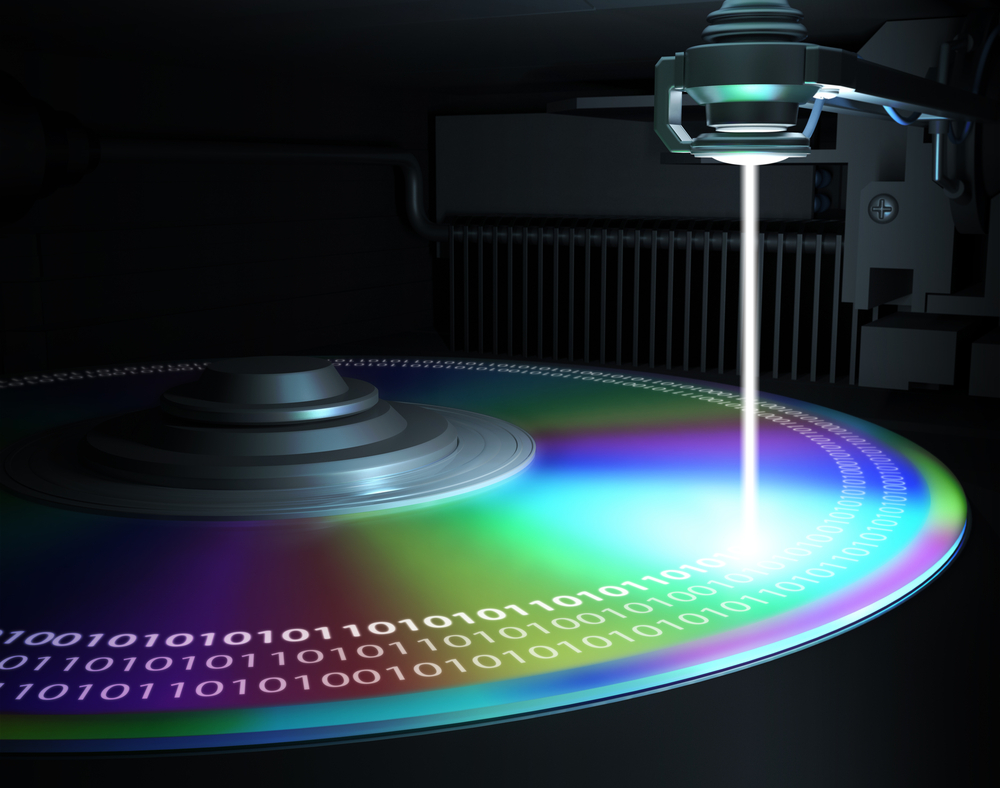
While cloud storage is all the rage nowadays, there is still demand for a reliable physical back-up medium. True, consumers already have access to CD, DVD and Blu-Ray writable discs, but they simply do not offer enough storage space -- low cost, high megapixel cameras and HD video cameras have contributed to an increase in file sizes.
While some may point to low-cost hard disk drives and flash drives, they are simply not reliable enough to store life's precious memories. Also, in addition to personal use, there are professional needs for archiving large amounts of data for business. Today, Sony and Panasonic announce that they are teaming-up to meet the demands of home-users and businesses with a 300GB optical disc.
Google Chromecast already hacked
When I spent $35 on the new Chromecast, I expected that it would eventually be hacked. Truth be told, the possibility of tinkering with the device was a big factor in my purchase. However, I never expected it to be exploited so quickly. Today, GTVHacker announces that they have successfully hacked and rooted the media device.
According to the exploit authors, "...Google was kind enough to GPL the bootloader source code for the device. So we can identify the exact flaw that allows us to boot the unsigned kernel. By holding down the single button, while powering the device, the Chromecast boots into USB boot mode. USB boot mode looks for a signed image at 0×1000 on the USB drive. When found, the image is passed to the internal crypto hardware to be verified, but after this process the return code is never checked! Therefore, we can execute any code at will".
Google Chromecast -- greatness in its infancy [Review]
Consuming digital media can be an overwhelming affair nowadays. There are too many devices on the market that do similar things but in different ways. There is the Apple TV, Roku, Blu-Ray Players, smart TVs and more. When Google announced the Chromecast, I was a bit skeptical -- surely I didn't need yet another device. However, the low price of the product ($35) and the fear of it selling out caused me to order it anyway.
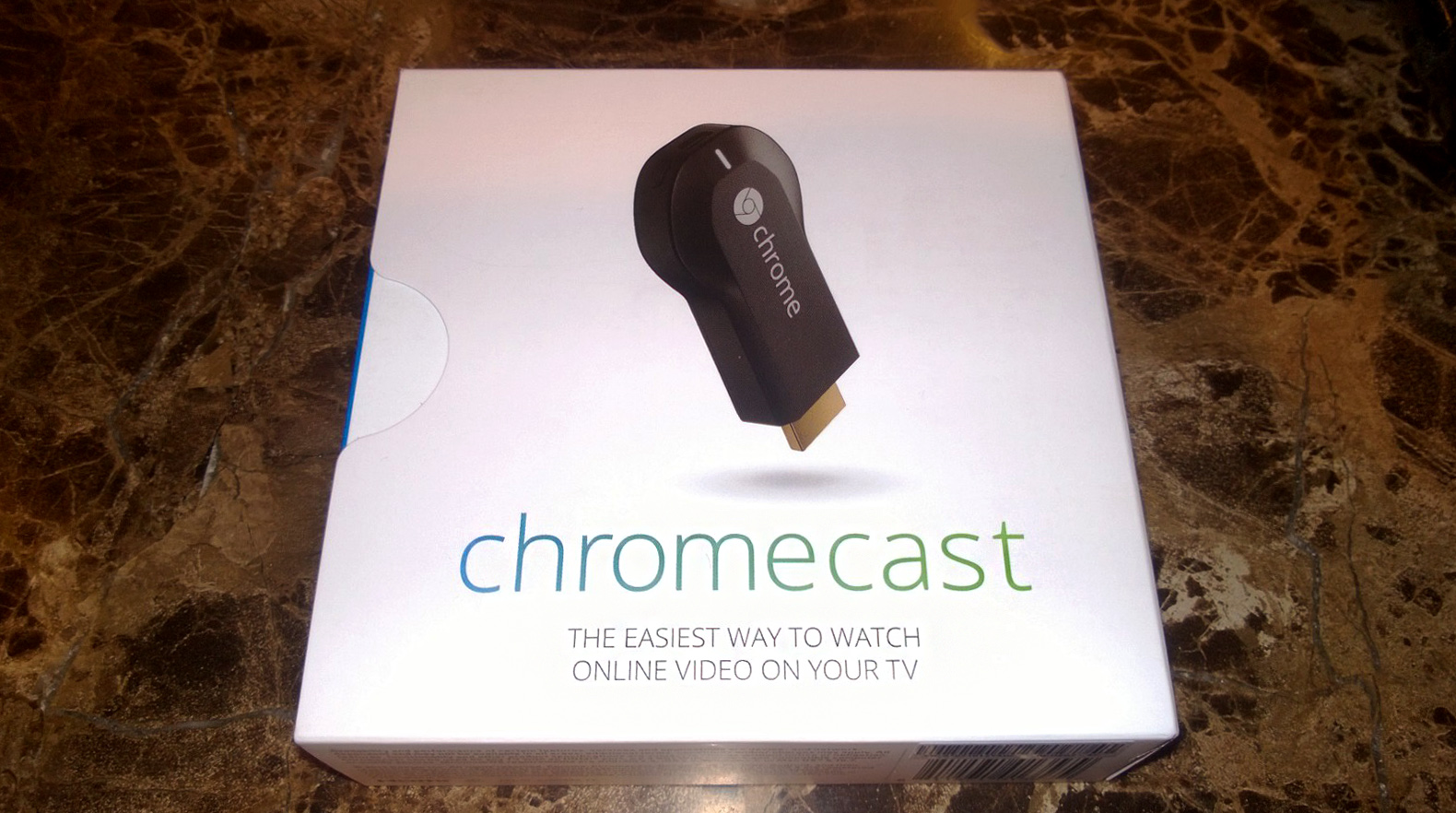
When it arrived, I was shocked by just how small the packaging was. Upon opening the little box (OK, tearing into it) I was presented with the Chromecast. The device looks like a very fat flash-drive with an HDMI plug instead of USB. Also in the box was an HDMI extender cable, micro-USB cable and AC power adapter.