
EasyTouch mechanical keyboards aim to combine comfort with AI-driven productivity
Adesso has launched two new mechanical keyboards, the EasyTouch 130 and EasyTouch 150, offering ergonomic designs and AI integration for professionals and everyday users alike.
The two models feature quiet mechanical switches and dedicated Microsoft Copilot AI hotkeys on select versions, aiming to improve both comfort and workflow efficiency.

Say no thanks to Windows 11 and yes please to SparkyLinux 8, the lightweight OS you deserve
You can’t have failed to be aware that Windows 10 is approaching its end of life, meaning security updates will soon stop.
For users who don’t watch to take risks with their system safety, the obvious next step is a move to Windows 11, but the newly released SparkyLinux 8.0 offers a lightweight, fast, and fully configurable alternative that supports both modern and older hardware.

Magic Research debuts white-label AI that runs in-house for better security
Magic Research has introduced a private, white-label generative AI platform that operates entirely within an organization’s own infrastructure.
The company says the system can cut AI costs by up to 90 percent while keeping sensitive data secure. It gives enterprises full control over their branding, data, and operations without relying on vendor-owned AI services.

CrowdStrike debuts unified identity security for human, non-human, and AI accounts
CrowdStrike has launched Falcon Next-Gen Identity Security, a new unified solution aimed at protecting identity across the full attack chain.
The platform covers human users, non-human service accounts, and AI agent identities, delivering security without the usual integration delays typically seen in multi-vendor setups.

HTC launches VIVE Eagle AI glasses with camera, translation, and voice control -- would you wear them?
HTC has announced VIVE Eagle, a new range AI-powered smart glasses developed in partnership with Taiwan Mobile and 2020EYEhaus.
The new product, which will be sold in Taiwan to begin with, combines voice control, smart photography, and real-time translation in a lightweight frame designed for daily wear.

High security savings account promises tighter protection against modern banking scams
A new kind of savings account built to stop fraud before it starts is now available nationwide. Fort Knox Bank’s High-Security Savings Account, developed by Austin Capital Bank, removes passwords entirely and uses biometric identity verification with proprietary Closed-Loop technology to keep criminals out.
The launch comes at a time when U.S. consumers are facing unprecedented levels of financial crime. According to the Federal Trade Commission, losses from fraud hit $12.5 billion in 2024, a 25 percent leap from the year before.

Six newly identified Windows vulnerabilities put Microsoft users at serious risk
Six newly discovered Windows vulnerabilities, including one rated as critical, could crash systems, allow attackers to run malicious code, or expose sensitive data. The flaws were uncovered by Check Point Research and privately reported to Microsoft under a responsible disclosure process.
One of the most notable discoveries involves what is likely the first publicly disclosed bug in a Rust-based Windows kernel component. Rust is often chosen for its ability to prevent memory errors that have historically led to security flaws

Can AI master classic text adventures? Someone went on a quest to find out
Large language models (LLMs) have shown impressive results in many areas, but when it comes to playing classic text adventure games, they often struggle to make it past even the simplest of puzzles.
A recent experiment by Entropic Thoughts tested how well various models could navigate and solve interactive fiction, using a structured benchmark to compare results across multiple games. The takeaway was that while some models can make reasonable progress, even the best require guidance and struggle with the skills these classic problem-solving games demand.

UK tax agency using AI to help target fraud and evasion
HM Revenue and Customs (HMRC), the UK’s national tax authority, has confirmed it is using artificial intelligence to monitor the social media accounts of people suspected of tax fraud. The BBC reports that this is done only as part of criminal investigations and not for everyday taxpayers.
For readers outside the UK, HMRC is the government department responsible for collecting taxes, administering certain benefits, and enforcing compliance with tax laws. Its role is similar to the Internal Revenue Service (IRS) in the United States or the Canada Revenue Agency (CRA) in Canada.
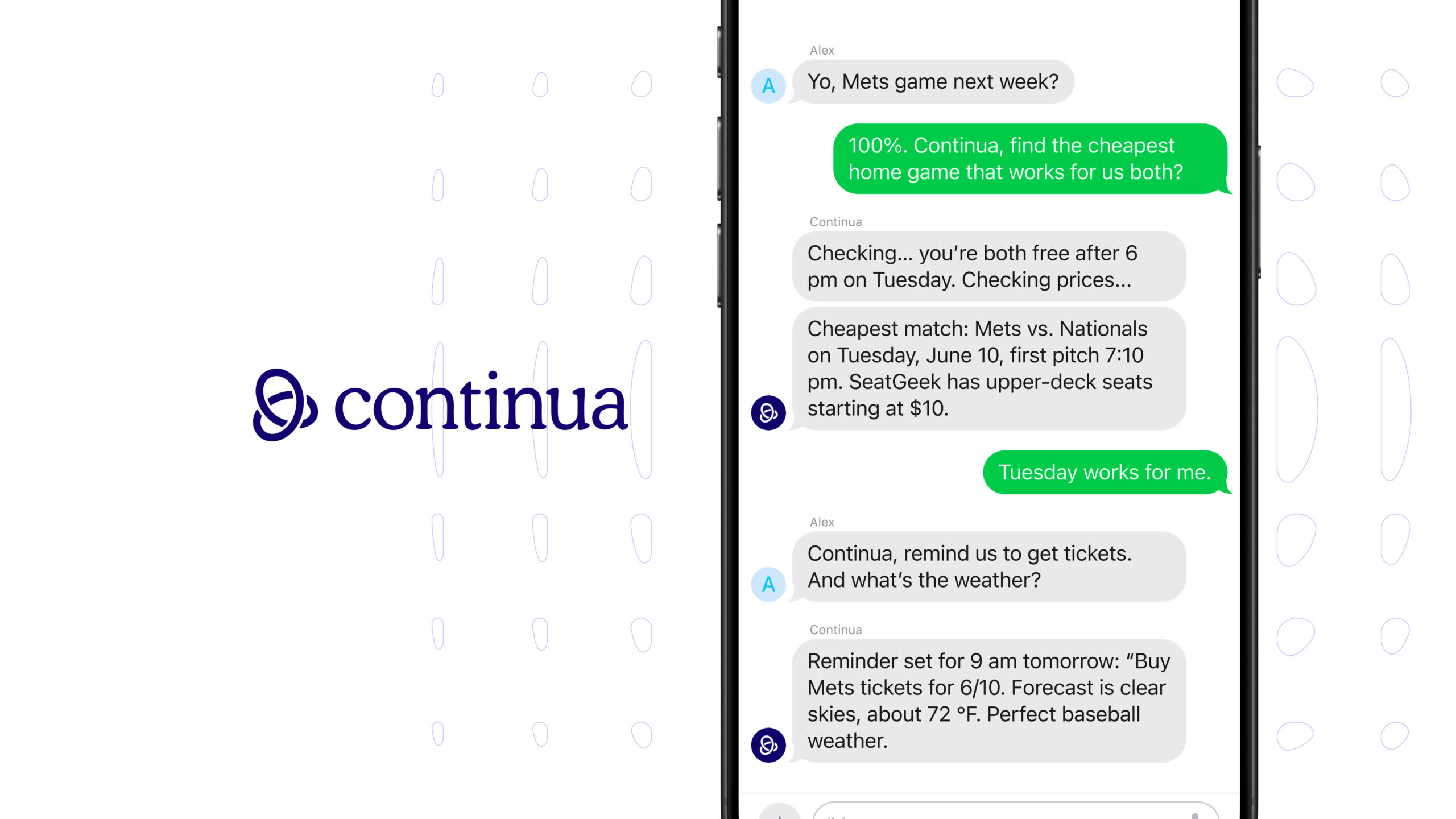
Continua is an AI assistant that joins your group chats and keeps plans on track
Continua has launched an AI assistant designed to work directly inside group chats, helping participants keep track of ideas, decisions, and plans in real time. The tool can join conversations on SMS, iMessage, or Discord, offering live web search, scheduling tools, and the automatic organization of group discussions.
The company describes the product as a “social AI” agent that listens in, remembers details, and can turn ongoing conversations into shareable documents, checklists, or calendar invites. It can also suggest restaurants, find meeting times that suit all members, and provide quick answers without breaking the flow of conversation.

Google Pay adds new ways to make web payments easier
Google Pay has announced three new features which it says will make online payments simpler and more flexible for shoppers. The update focuses on providing more choice, convenience and value, and covers both everyday purchases and larger transactions, as well as international money transfers.
For US buyers, Chrome’s autofill feature will now display reward details for over 100 credit cards, expanding from the smaller set previously supported. This addition makes it easier to see which card offers the best benefits for a specific purchase before checkout.

Linux Mint 22.2 'Zara' beta now ready to download -- here's what's new
Linux Mint 22.2 “Zara” beta version has been released, giving testers and enthusiasts an early look at the next long term support release of the popular desktop Linux distribution. The final version will be supported until April 2029, but this preview is aimed at testing, so some issues are to be expected.
This update continues Mint’s focus on making small, but noteworthy changes. Sticky Notes now have rounded corners, Wayland support, and can sync with Android devices via the new StyncyNotes app. The login screen gains a blur effect, user avatars, and a cleaner layout.
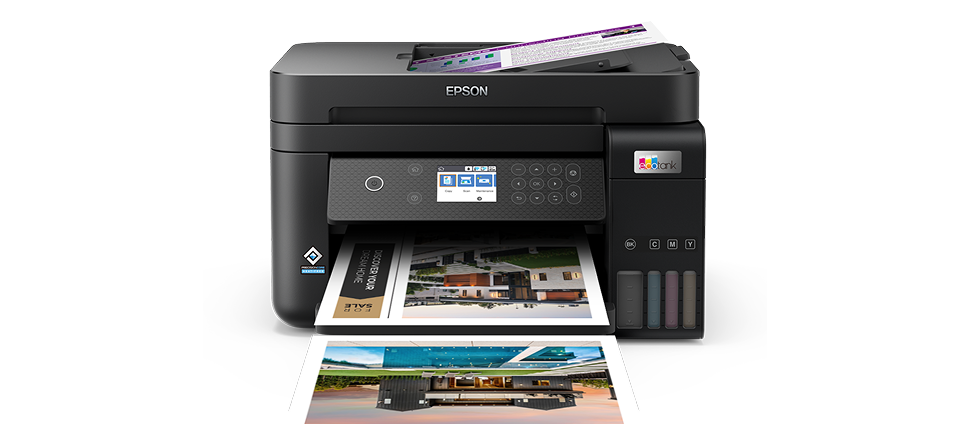
Epson launches ReadyPrint subscription for unlimited color printing at a fixed monthly cost
Epson has launched ReadyPrint, a subscription-based printing service that aims to make color printing simple, predictable, and cost-effective for homes and businesses.
The plan combines an EcoTank wireless all-in-one Supertank printer with unlimited color printing, premium support, and automatic ink replacement for a fixed monthly fee.

Sync files quickly and securely between devices for free with Syncthing 2.0
Syncthing 2.0 has arrived, promising faster syncing, a new database system, and a number of major fixes and improvements. This open source program lets you sync files directly between computers in real time, keeping them private, encrypted, and fully under your control without the need for a central server.
Syncthing offers a simple promise: your files stay yours. You decide where they are stored, how they are transmitted between devices, and who gets access.

Kubuntu Focus launches Zr GEN 1 Linux laptop with Nvidia RTX 5090 option
Kubuntu Focus has introduced the Zr GEN 1, a high-performance Linux laptop aimed at users who want maximum mobile power. The 18.0-inch workstation replaces the previous 17.3-inch M2 GEN 5 and brings faster components, more storage capacity, and a brighter display, with shipping now available in the US and Canada.
The Zr GEN 1 runs Kubuntu 24.04 LTS and is built for developers, machine learning researchers, content creators, and others looking for fast hardware with Linux-first support.