
Apache -- 20 years of the world's favorite web server
In 1995 a group of just 21 web masters got together to develop some server software. They became the Apache Group and today the project they started powers over 500 million websites, around half the internet.
Open source software specialist Lucidworks has produced an infographic that looks at the history of Apache and how it has succeeded by becoming a collaborative, consensus-based development process with an open and pragmatic software license.

Quick Review: OW Shredder
OW Shredder is a free Windows tool which securely wipes files, folders, free space or entire drives, ensuring any confidential data can’t be recovered.
The program is a compact 600KB download. There’s no installation involved, no adware or other hassles -- just unzip the program to a USB key and you can run it anywhere.
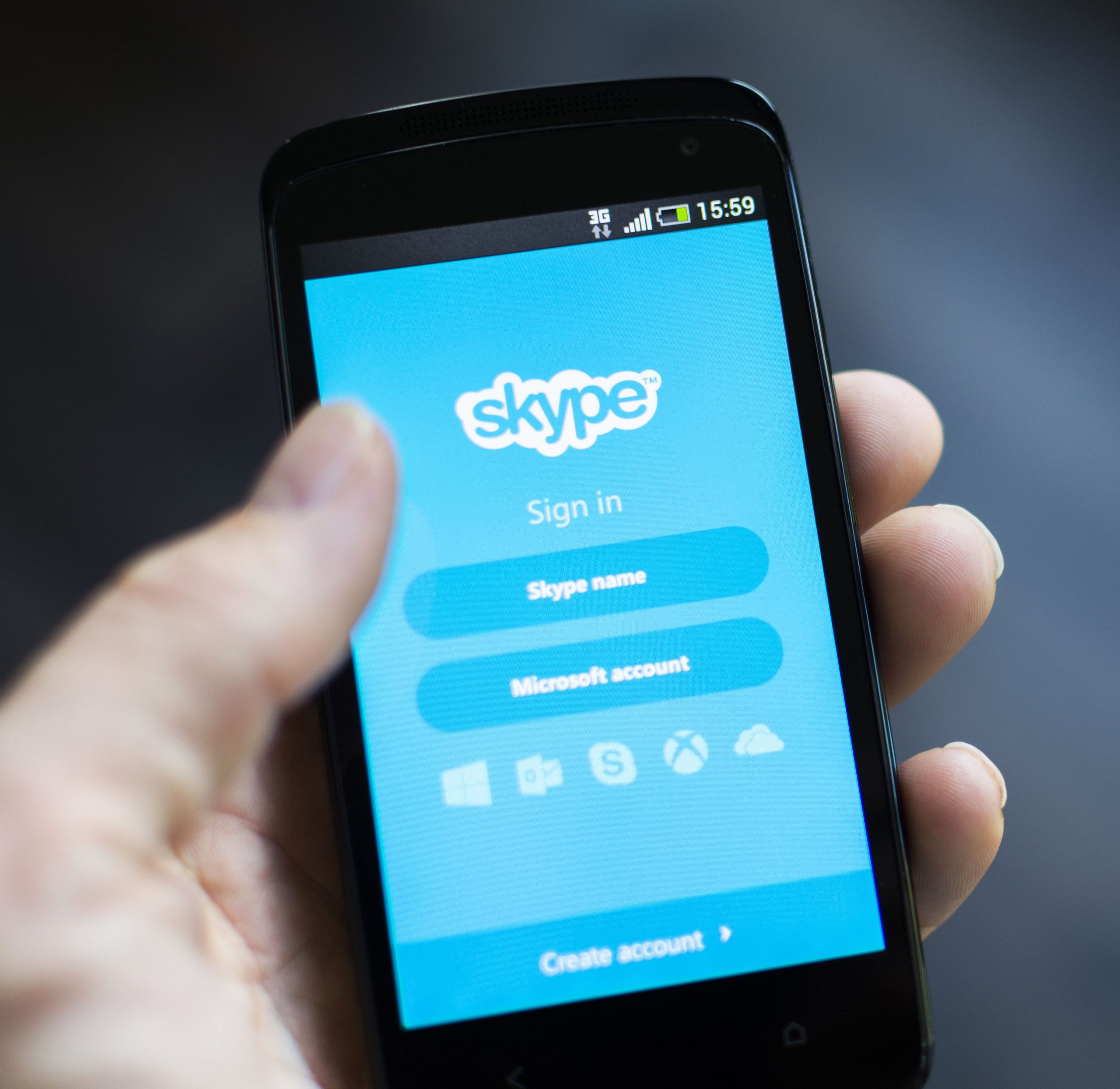
Buy Skype Credit at Western Union -- Microsoft offers limited-time bonus
Skype is a fantastic communication service. What makes Skype so much better than its competitors, is the cross-platform availability. Microsoft supports pretty much all major platforms with this service. Whether you are on Windows, OS X, Android, Ubuntu, iOS or Windows Phone, you can utilize Skype.
Today, Microsoft announces a partnership with Western Union, giving Skype users a new way to buy Skype Credit. Plus, if a user buys Credit from the money-transfer company, they will receive bonus Credit too -- very cool!

HBO set to launch on Sling TV just in time for Game of Thrones
Just this morning I opined about my experience with Sling TV. On the whole I like it, though I have a few gripes. I have also written of my plans to purchase an Apple TV for two reasons -- price drop and HBO NOW. The HBO was the real key in my decision making, but perhaps it's a blessing I haven't yet pulled the trigger.
That's because Sling is announcing the service in its menu of viewing options. In fact, it promises to be up and running in time for the big season debut of Game of Thrones which takes place on April 12th. Pricing is in line with what you'd expect -- $15 per month.
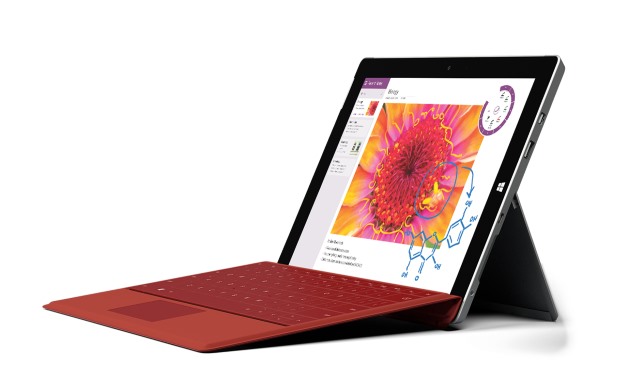
Surface 3 is Microsoft's chance to take on the iPad
Microsoft's Surface Pro took many people by surprise. It was a bit of a late entry to the tablet game, but it showed how to do things properly. This was full caffeine, full sugar, full alcohol Windows in tablet form. For those who need a little more flexibility, there's the option of adding a keyboard. With Surface Pro, Microsoft carved out a niche for itself.
It tried to do the same with Surface, and Surface 2, but there was one problem. Windows RT. With the Windows 10 wheels now in full motion, Surface 3 has been pulled out of the bag. Microsoft has made the sensible decision to ditch Windows RT and provide a cut-price tablet with full-blown Windows 8 -- and ultimately Windows 10. This is Microsoft's chance to take on the iPad head to head.
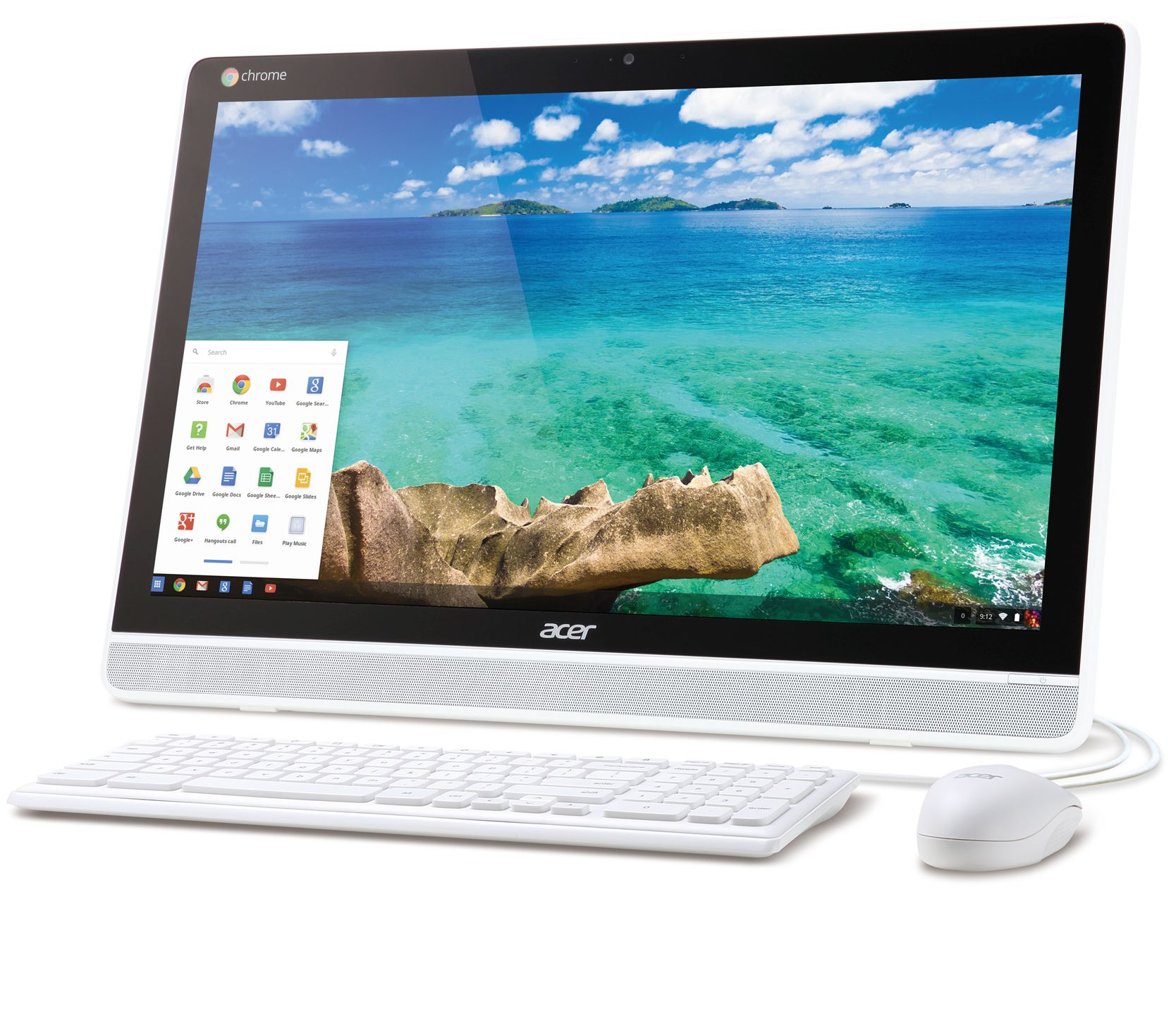
Acer announces the world's first Chromebase All-in-One Desktop with a touchscreen
Chrome OS is a wonderful operating system for some users. If you live in the web browser, Google's Linux-based OS can be a brilliant way to both work and play. Some people may have trepidation in investing in such a limited ecosystem, where only one web browser is permitted, and that does make sense. However, others are comfortable with one company controlling their window to the web, and that is OK too. In other words, people have different needs and ideology, and that is a beautiful thing.
While many associate Chrome OS with Chromebooks, there are many other form factors too, such as Chromebox, Chromebase and the recently announced Chromebit. Today, Acer announces the world's first Chromebase with a touchscreen. Yes, you can finally have a Chrome OS All-In-One with touch-friendly design.

Chromebook self-browsing is for REAL
Google got me. Not because I didn't get the joke but for how far it actually goes. Perhaps you saw the April 1st post, "Re-rethinking computing", which introduces the project from a "rogue team of engineers...Today, we’re excited to announce a way to make your Chromebook self-browsing". Of course, it's an April Fools gag.
I first saw the post on my Nexus 9 tablet while exercising on the stationary bike. Later, thinking to post a quickie to Google+, I pulled up the URL from synced History on Chromebook Pixel LS. On the N9, I had clicked the post's last link, which did nothing special but when opened on the Pixel took me to the Chrome Web Store with option to install the self-browsing extension. Now that was unexpected. What to do, what to do?
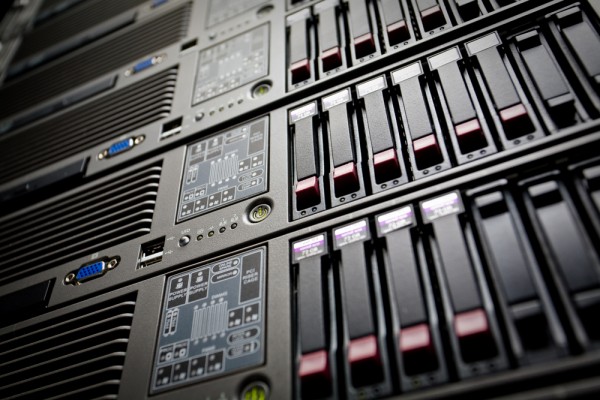
HP wants to replace data centers with The Machine
The Machine is the name of a project HP is developing for data centers based on several novel technologies. At this distance, The Machine seems like a fantasy as it’s still at least two years from its launch as a unified product.
If the project is successful, it may replace what we consider computers now; the promised changes to server power draw alone would be revolutionary. It’s initially intended for data centre use, but established, expensive technologies tend to trickle down to individual consumers eventually. Examples of the trickle down effect of technologies first widely implemented on a business level are numerous, and include tech such as solid state disks, 64 bit operating systems, and multiple cores. It may be that the technologies HP is developing will become ubiquitous in the industry for both consumers and businesses.

The risk cloud partners pose to enterprises
Cloud security firm Skyhigh Networks has released its Cloud Adoption and Risk Report for Q1 2015, with some unsettling findings in terms of the risks businesses are taking.
The report is compiled by analyzing real-world cloud usage over some 17 million employees, and for the first time in this sixth report, it delved into the risk to enterprises posed by business partners connected via the cloud. This follows a spate of recent data breaches which have been the fault of a third-party, of course.
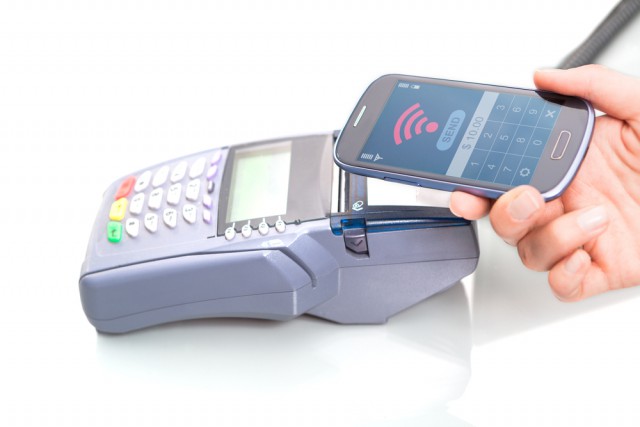
Point of sale systems at risk from underlying vulnerabilities
Last week we reported on the PoSeidon malware threatening credit card security by stealing transaction details.
Charles Henderson vice president of managed security testing at information security specialist Trustwave believes that there's a bigger underlying problem with the way retailers implement PoS systems putting them at risk.
How secure is your bank? Security firm reports vulnerabilities in 70 percent of mobile banking apps
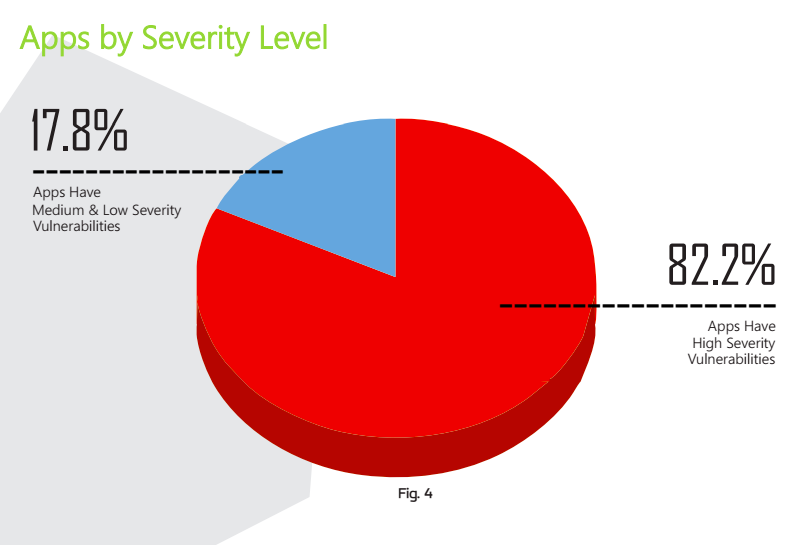
People are becoming increasingly concerned about their security. They use two-step authentication, login alerts, and third-party security services to better protect their email and social media accounts. One would hope for a similar -- if not more secure -- level of protection from our banks. After all, this is the place where we put most of our earnings and savings. However, apparently we are all mistaken. Mobile security firm Appvigil is reporting that as many as 70 percent of the top 100 mobile banking apps on the Android operating system in the APAC region are vulnerable to security attacks and data leaks. Don’t live in the said region? That’s no reason to relax. The report further pinpoints vulnerabilities in mobile banking apps found in other regions as well.
The security firm tested the mobile banking apps of the top 29 Indian banks and 71 more in the Asia Pacific region and the results are staggeringly bad. "Most of the mobile banking apps failed and many didn’t employ even the basic security checks expected. The communication between the apps & their servers is still in the unencrypted format i.e. in HTTP instead of HTTPS", the report reveals.
OnePlus unveils $20 DR-1 miniature drone
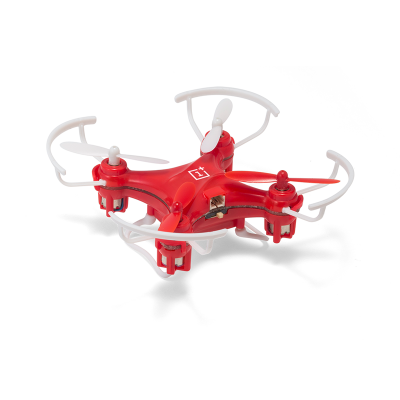
OnePlus, best known for its One "flagship killer", is now looking to gain the attention of drone enthusiasts, as today it unveiled a highly-affordable remote-controlled quadcopter touted to be the smallest in the world. And, no, it's not an April Fools prank, unlike what other companies have been trying to pull in the last 24 hours.
Called DR-1, OnePlus's first miniature drone has a wingspan of only 70 mm, and four blades with a diameter of 30 mm. Given the specs, it's only going to serve as a fun little toy, and not something that you can attach a GoPro to.

NewRetroArcade has classic 80s games -- in a VR arcade
If you’re interested in 80s arcade games then you’ve probably played clones of Space Invaders, Pac-Man and other classics. If you’re a real fan then you might have set up an emulator to run the original game ROMs.
NewRetroArcade goes further. Not only does it give you MAME emulated playable arcade games, but it actually presents them in a Virtual Reality arcade for Oculus (although you can also run it on your Windows desktop to get a basic idea of what it can do).

After one week of Sling TV, here's the good and bad
Almost a year ago DirecTV and I parted ways. I grew tired of the $60 per month charge when I only watch a handful of shows. The excessive amount of channels included in my bundle was also a bit of a joke -- I probably used ten of them. I'd have gladly paid less for those -- the à la carte TV that people talk about, though it never materializes.
I already had an Amazon Prime subscription that entitled me to movies and some TV shows, and it costs as much per year as one and half months' worth of satellite. I threw in Hulu Plus for an additional $7.99 and get most of my shows, though I have to wait until the next day to watch them. But live TV escaped me, with the exception of the occasional event broadcast online. Those live broadcasts online are fine, but neither Roku nor Amazon Fire TV has a web browser. Then several weeks ago Sling TV appeared on the scene. Live TV from multiple sources and, for once, no cable or satellite subscription to verify. Suddenly there was access to ESPN, History Channel, HGTV and many more. I've been using it for the past week and I have some observations.

Tune your Windows Services with Easy Service Optimizer
Popular utilities developer Sordum has released Easy Service Optimizer 1.0, a free tool for optimizing system services on Windows XP and later.
The program works much like an automated version of Black Viper’s classic tuneup site. It has four profiles ("Default", "Safe", "Tweaked", "Extreme"), each of which disables progressively more services, and you can apply the profile you need in a couple of clicks.