
New G Data plug-in offers free protection against malicious websites
German security vendor G Data has released G Data CloudSecurity 1.0, a free browser plug-in for Internet Explorer and Firefox users that adds an extra layer of protection to Windows PCs. It works by blocking access to known phishing and malware-infested websites, throwing up a highly visible prompt warning the user that the site they're about to visit is considered to be dangerous.
G Data CloudSecurity won't rely on regular updates to provide protection against known websites, but utilize data from other users of its security software in the cloud to monitor behavior and spot malicious and fake websites, deploying protection to all of its users.

'Spam king' released from prison, disavows his former ways
After more than four years in prison, Robert Soloway is now a free man. Dubbed the 'Spam King' for his role as the head of a spam ring that sent an estimated 10 trillion junk e-mails between 2003 and 2007, Soloway is now busy reintegrating himself into everyday life, according to Wired.
He was first arrested in May 2007 and charged with 35 counts including fraud, identity theft, and money laundering, and sentenced in July 2008. Soloway was widely considered one of the top ten spammers in the world, and had also lost multimillion dollar suits to Microsoft and an Oklahoma ISP as a result of his actions.

Quick Bar makes trending topics easier on Twitter for iPhone
The official Twitter app for iOS has been updated with a new Quick Bar that provides easy access to trending topics from the comfort of your timeline. The new feature is exclusive to the iPhone version of the app, but iPad users can also benefit from features and tweaks added to both versions of the app.
The bar appears at the top of the screen, and you can scroll through trending topics by simply swiping left or right. The trending topics feature has also been updated so that trends are displayed based on your current location.

You can blame Apple and China for slowing PC shipments
A year ago, PC shipments were on the rebound. The recovery is over for consumers, according to Gartner, which today lowered its global PC forecast for this year and next. PC shipments aren't going to be bad, just not as good. You can blame Apple and China.
Gartner lowered 2011 PC shipment growth by about a third -- 10.5 percent down from 15.9 percent. The analyst firm now predicts 387.8 million PCs shipped globally this year. Gartner expects 440.6 million PC shipments in 2012, with growth lowered much less -- 15.9 percent to 14.8 percent.

Microsoft to bring daily deals to Bing users
Aiming to harness some of the buzz surrounding deal of the day websites as of late, Microsoft said Thursday it had partnered with The Dealmap. The San Francisco-based aggregator site takes content from about 200 sites like Groupon and LivingSocial, and lists them on a single page organized by city.
Instead of attempting to create its own program, or look to acquire an existing service like Google's failed buyout of Groupon last year, Microsoft believed it easiest to partner with an aggregator like The Dealmap to bring a deals offering to Bing users.
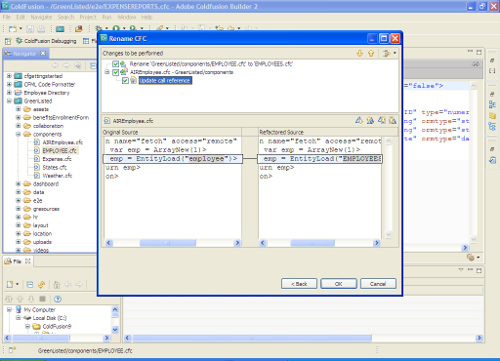
Adobe launches ColdFusion Builder 2 public beta
Thursday, Adobe announced the public availability of ColdFusion Builder 2 beta, the company's Eclipse-based Integrated Development Environment (IDE) for its ColdFusion development platform.
ColdFusion Builder first became available

iPad 2 wasn't Apple's big March 2nd announcement
It was the software -- FaceTime, Garage Band, iMovie and Photo Booth -- and the colorful Smart Covers. I kid you not. There are good reasons why so much of yesterday's launch event focused on software -- hell, Apple even made a video about the new covers; now what does that you tell you?
Apple CEO Steve Jobs officiated yesterday's launch event, which spent surprisingly little time on iPad 2 -- and that may have confounded some people, given the huge amount of hype about the tablet. But as I explained yesterday, Apple typically iterates rather than innovates hardware on a new category's successor product. I have laid out five reasons why the other stuff -- new software features and applications and even the colorful cases -- are more important.
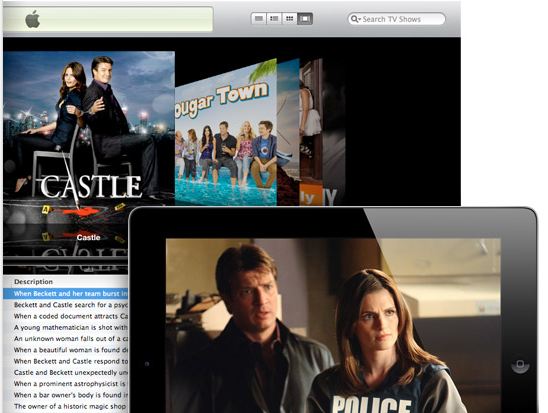
New features in iOS 4.3 that the iPhone 3G will never have
Along with the iPad 2 on Wednesday, Apple unveiled the next version of its mobile operating system, iOS 4.3. Though these features were revealed back in a beta version in January following the launch of the CDMA iPhone 4, this is the first time Apple officially presented the new features.
According to Apple, iOS 4.3 will be available to iPad, iPad 2, iPhone 3GS, iPhone 4 (GSM model), and third- and fourth- generation iPod Touch devices as a free software update on Friday, March 11.
Why is iPad 2 so much like last year's model?
Today's iPad 2 launch came with a couple surprises: Apple CEO Steve Jobs, who is on medical leave, officiated the media event. It's a smart way of quelling rumors about his health, without ever having to disclose any real information. The other surprise: The new iPad isn't remarkably different from the 1st generation model. Like many other second generation Apple products, the iPad 2 is evolution not revolution, a pattern of product development Jobs instituted long ago.
Apple typically develops its products incrementally, starting with a showstopper that Jobs often calls "one more thing." There is a consistent pattern: "One more thing" debuts with modest hardware features but something else nevertheless killer -- something people want, or think they do. During the launch event, Jobs performs his marketing magic, demonstrating how this "one more thing" will make peoples' lives better. Often the product lacks something compared to competing wares but offers something more elsewhere.
Apple unveils slim new iPad 2: release date March 11
At an event in San Francisco on Wednesday, Apple unveiled the second generation iPad, which Apple is simply calling iPad 2.
Typically, Apple's second generation product revisions don't deviate much from the groundbreaking debut product, and serve as an incremental update, increasing the feature set and putting a finer polish on its design. Apple again proved this to be true with today's unveiling of the new iPad.
Google removes 21 apps from Android Market over malware
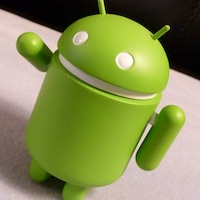
Some Android users are finding out the hard way the perils of an open platform, as Google was forced to take down 21 apps in the Android Market after it was found they contained malware. According to Android Police, which first broke the story on Tuesday, these apps may have been downloaded a combined 200,000 times.
The apps performed a variety of malicious activities, including root exploits, the stealing of phone data, and even acting as a Trojan horse to open the door for the device to download more malicious code. Google quickly pulled the apps from the store after being informed of the issue, and remotely wiped the apps from user devices.
Who loves or loathes iPad?
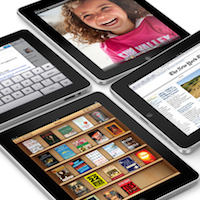
While geekdom holds its collective breadth waiting for Apple's 1 p.m. ET "special event," presumably the iPad 2 launch, I thought it would be interesting to see how people use the original model. Yesterday I asked "Do you still own iPad?" because I keep meeting people who sold or passed along to family their Apple tablets. Betanews readers certainly had answers. Either you love or loathe iPad; there is little response between the extremes.
"Nope, gave it away after a couple of months," Anthony Scott answered in comments. "The size was nice, but the performance was poke out my eyes slow. Grabbing an old netbook, that has about the same weight/size and battery life and running Excel at 100x the performance of the iPad Spreadsheet, is sad how underpowered Apple made the iPad."
Google's Chrome OS laptop saved my butt
My March started off badly today.
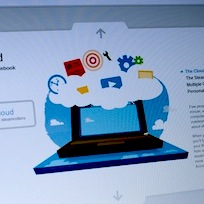
When I was a school kid in Maine, teachers said that if March roared in like a lion, meaning snowy stormy, it would go out like a lamb -- and vice versa. I got the storm in a faulty Snow Leopard rather than the Lion. This morning my 11.6-inch MacBook Air crashed and wouldn't reboot. If not for moving my computing life to the cloud, I would have lost an important day of productivity and lots of valuable data.
Software and content in the Arab world: Moving beyond infancy
In the late 90's, India, Israel, and Ireland (often called the "three i's") grew from having unremarkable software industries into major software exporting nations. According to the Taxonomy of New Software exporting Nations by Erran Carmel in 2003, they went from "infant" software exporting nations to almost top-tier major exporters in a relatively short time, a rare occurrence indeed.
According to Carmel's thesis:
Fast Copy 2 speeds Windows file copying
When Microsoft was developing Windows Vista, the company decided to work on the file copy engine, to optimize it for performance. This wasn't exactly the most successful of moves, though -- soon many users were complaining that file copies were taking longer than ever before. And while Windows 7 has addressed many of these issues, there still seems to be plenty of people who feel that copying is still slower than it ought to be.
If you're also tired of staring at the copy dialog, then there are alternatives. Fast Copy, in particular, claims to be the fastest copying software on Windows. It supports UNICODE and long file pathnames (more than 260 bytes), and, the author says, can achieve read/write performance that's close to the limit of your hardware.