
ESPN Fantasy Football adds AI-powered weekly insights from IBM watsonx
IBM and ESPN are working together once more for the 2025 fantasy football season, introducing Fantasy Insights Built With IBM watsonx on the ESPN Fantasy Football app.
The new tool provides personalized, AI-powered recommendations based on over 36 billion insights generated throughout the season, helping fantasy managers make weekly roster choices with greater context and data-driven guidance.
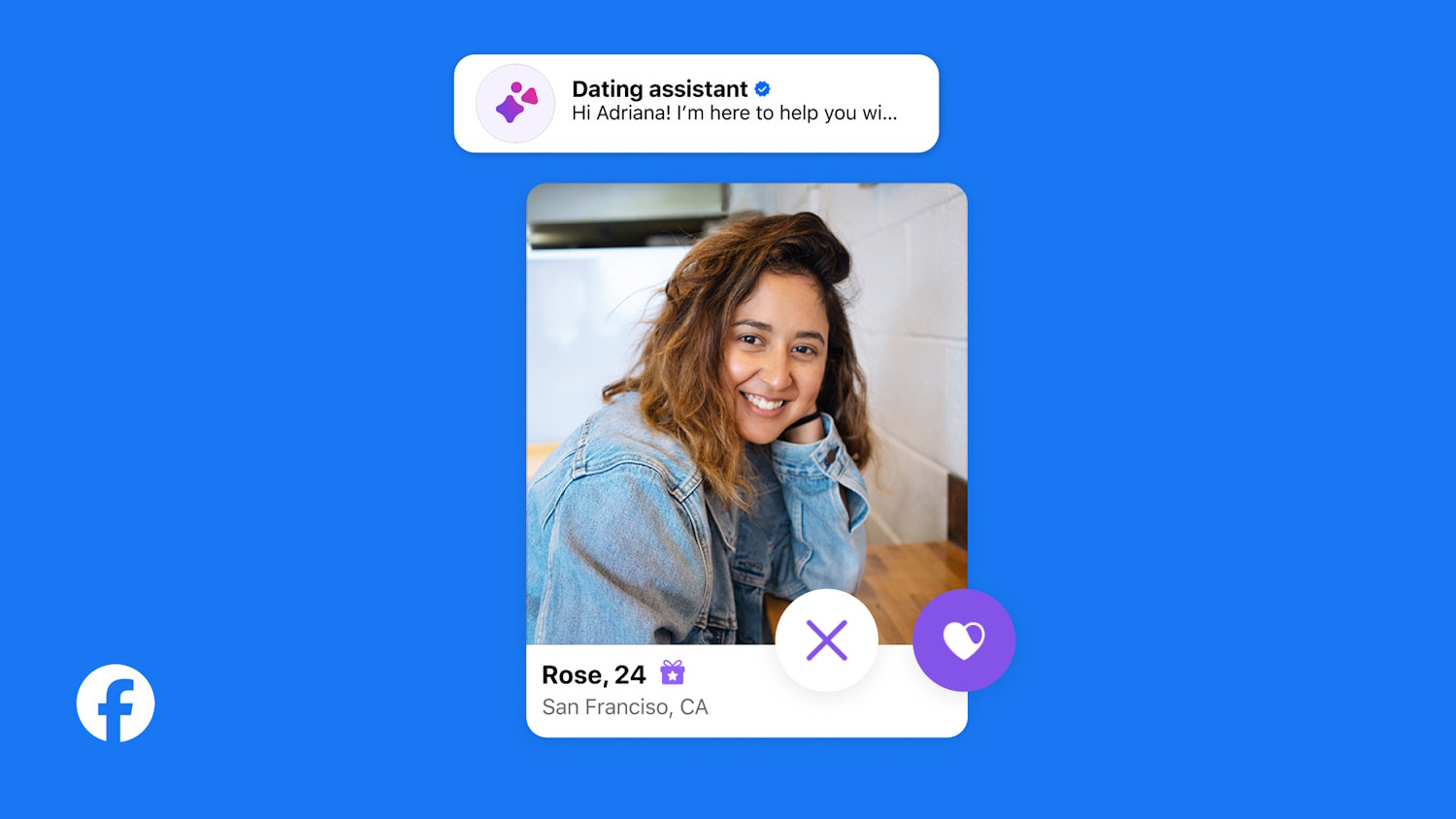
Meta reminds the world about Facebook Dating by launching new features
Facebook is primarily about staying in touch with people, but Facebook Dating is about starting relationships. It seems unlikely that Facebook is the first place people think of when it comes to finding partners, and Meta has just decided to add new features to Facebook Dating and use it as a reason to remind the world of its existence.
Despite the rather older demographic that Facebook generally attracts, Meta says that “hundreds of thousands of young adults in the US and Canada create Facebook Dating profiles every month”. It is for these people that a dating assistant and Meet Cute feature are being added.
Grindr forces its own brand of AI on angry users
Having announced plans earlier this year to become an “AI native” company, Grindr has caused ire by introducing new gAI (its own artificial intelligence tech, pronounced “gay-I”) on an opt out basis.
Grindr users have been expressing anger in recent days as they encounter an in-app pop-up informing them that AI is now being used for a personalized experience. While it is possible to opt out of this – as many people want to do so – the company has been heavily criticized for not making this optional more accessible, and for opting everyone into using AI by default int the first place.
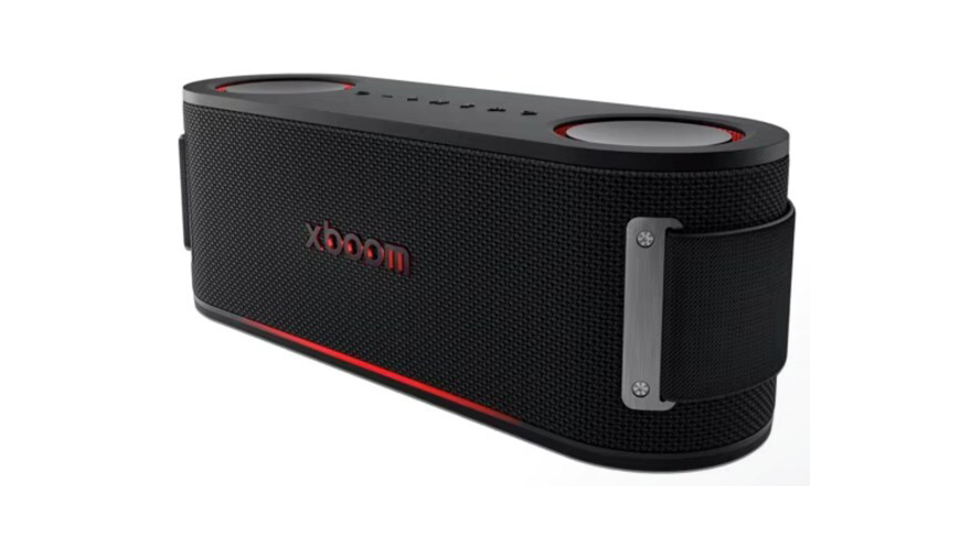
LG and will.i.am team up for xboom speakers that mix music with AI banter
will.i.am, The Black Eyed Peas rapper and producer turned entrepreneur, has teamed up with LG to create the audio device you probably didn’t have on your wishlist: a Bluetooth speaker with its own AI DJ.
The new “LG xboom by will.i.am” range comes loaded with FYI.RAiDiO, an interactive service designed to let you chat with a virtual host while your music plays.

Google is turning Chrome into an AI web browser powered by Gemini
Google’s love affair with AI shows no signs of burning out, and the company has just announced even deeper integration of Gemini into Chrome.
Billed as a reimagining of the web browser with artificial intelligence, Google says this is about more than just bringing more AI smarts to the humble web browser. The company says that the addition of Gemini-powered features will not only help to make users more productive, but will also keep them safer. Bold claims.

After selling out in Japan, Casio’s $429 Moflin AI pet launches in US and UK
Moflin, an AI-powered robotic pet priced at $429, has officially launched in the US and UK after selling out in Japan. The palm-sized pet is designed to provide companionship through evolving emotional interaction driven by AI.
Unlike real pets, it doesn’t require feeding (just as well as it lacks a mouth) and won’t get sick or rack up pricey vet bills.
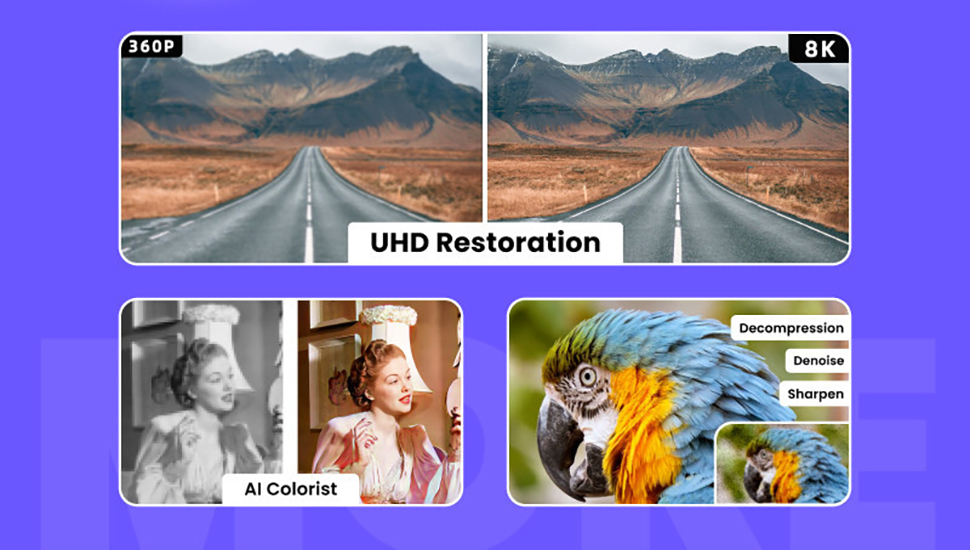
HitPaw launches FotorPea 5 and VikPea 5, bringing AI smarts to its photo and video editors
HitPaw has rolled out major updates to FotorPea and VikPea. The updated photo editing tool, FotorPea 5.0.0, introduces a new feature called AI Replace, which lets users modify images with plain text instructions. This can be used to switch backgrounds, adjust hairstyles or clothing, make corrections directly within selected areas, and so on.
The face restoration system has been tweaked in this new release, with the CodeFormer model producing details closer to natural facial features.

Brands are increasingly testing AI influencers, but trust in them is low
Global influencer marketing spend is forecast to reach $32.5 billion in 2025, with much of the new growth coming from AI influencers, according to a new case study by UNmiss.
From polished AI Instagram avatars to TikTok personalities who never sleep, brands are increasingly testing whether audiences care if creators are real or virtual.

1 in 5 workers are misusing GenAI, according to a new survey
A new survey from ABBYY highlights the hurdles businesses face when adopting generative AI, revealing that many companies need additional AI tools to get the results they want. The report, State of Intelligent Automation: GenAI Disillusionment and AI Wishlist, points to training, integration and governance as major sticking points.
The research, carried out by Opinium, shows that 31 percent of business leaders find training models more difficult than expected. Another 28 percent say GenAI tools are hard to integrate, while 26 percent cite governance problems. Misuse by staff was flagged by 21 percent of respondents, suggesting that some deployments lack proper oversight.
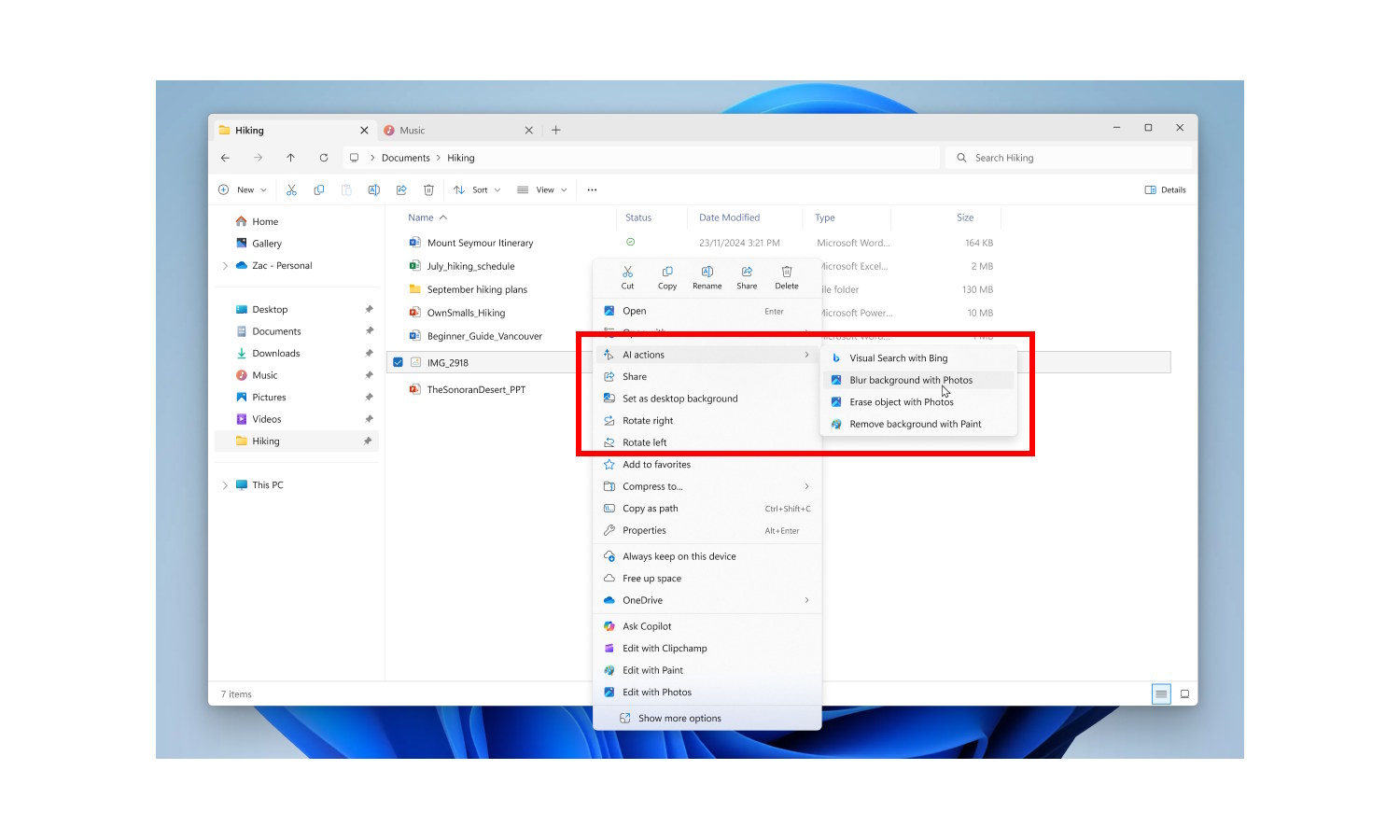
Latest Windows 11 build sees Microsoft adding AI to File Explorer and improving clock options
Microsoft has released a new Canary build of Windows 11, and among the additions is the arrival of AI actions in File Explorer. The company implores users to “leverage[e] the power of AI” to summarize documents and edit images directly from File Explorer new AI Actions context menu entry.
For Microsoft, this is the highlight of Windows 11 Insider Preview Build 27938, but there is much more to this release. There are, of course, lots of bug fixes but there are also new clock options including the ability to show seconds.
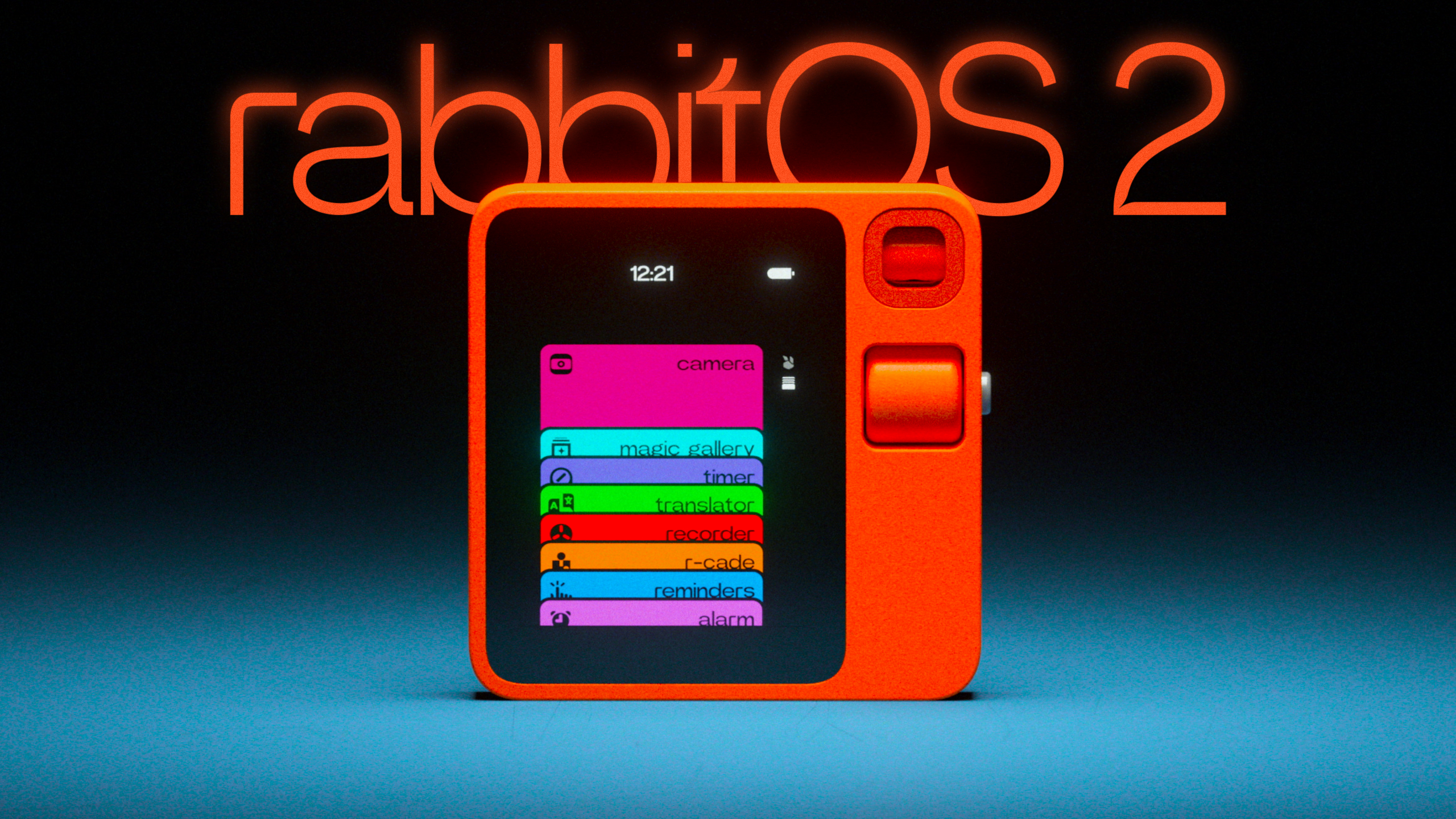
Rabbit updates its AI companion device with rabbitOS 2 and new card-based design
Rabbit has announced rabbitOS 2, a brand new operating system update for its r1 AI companion device, redesigning the interface and expanding its AI features.
The update, released today, brings a colorful card-based layout and a new system called creations that lets users build tools, games, and experiences directly on the device by talking to it.
Google explains Gemini Apps limits and upgrades for Google AI subscribers
There is much to get frustrated about in relation to AI, not least of which is that there are so many AI tools to choose from. But there is also the fact that each AI app and service has its own limitations, and it can be difficult – or impossible – to know what these limits are until you hit them.
It has been this way with Google Gemini. Google has, until now, been a little fuzzy when it comes to telling users about limits. Being told that the company “may have to cap how much you can use some features” is not very helpful, certainly not very specific. But now Google has published much more detailed information to help users know where they stand.
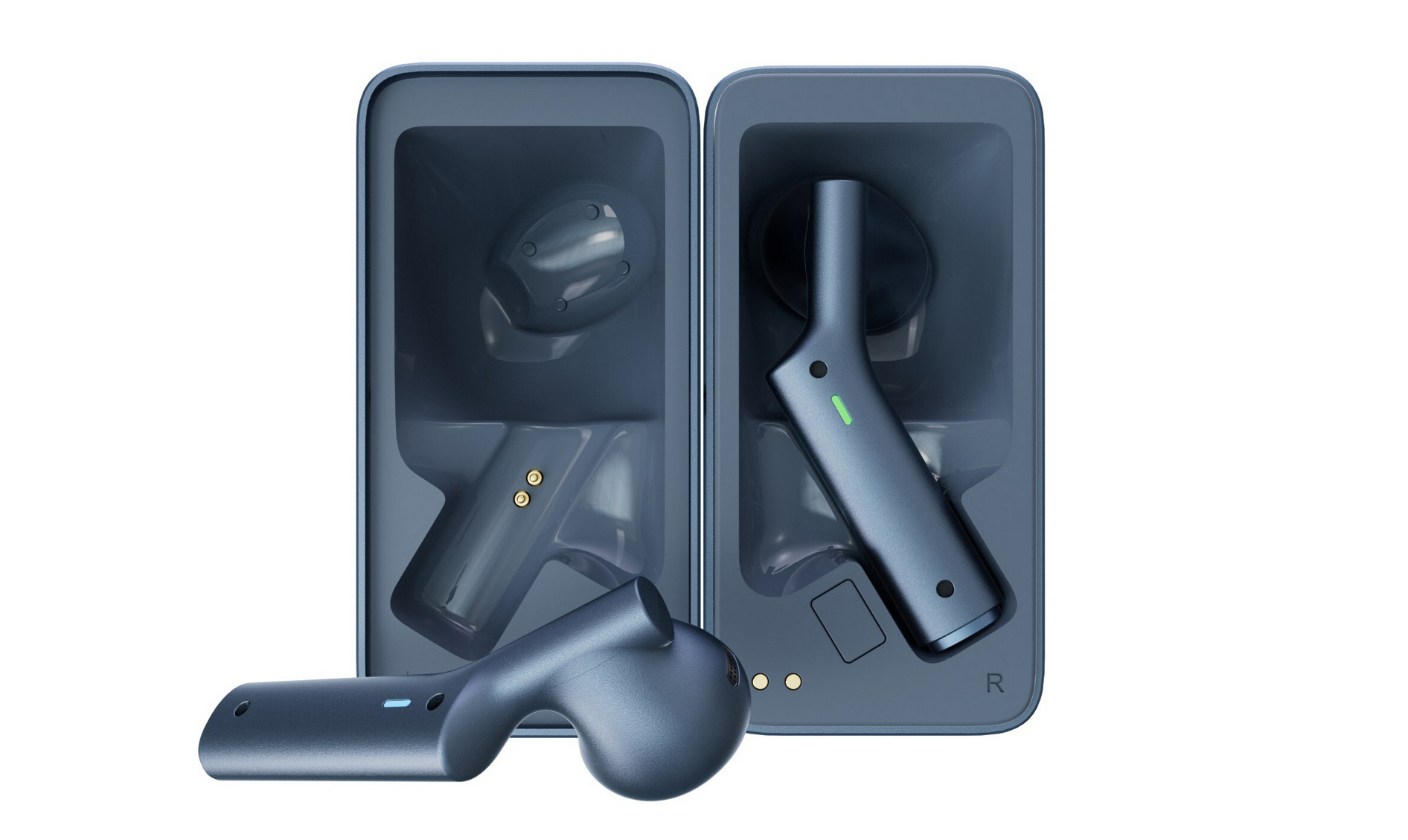
Timekettle W4 AI Interpreter Earbuds offer tourists near real-time translation on the go
Timekettle has launched the W4 AI Interpreter Earbuds which combine bone-conduction voice sensors with AI translation models to provide near real-time multilingual communication.
The W4’s bone-voiceprint sensor filters out background sounds, improving clarity in crowded or noisy settings and cuts audio leakage, offering more privacy.

Truecaller adds AI to caller ID to show you not just who's calling but why -- and while the phone is still ringing
Truecaller has announced an AI-powered expansion of its caller ID service, aiming to reveal not only who is on the other end of the line, but also why they are phoning you.
The company says the new feature brings real-time context to incoming calls, with the goal of reducing uncertainty for its 450 million global users. The update comes as scam calls and fraud attempts continue to skyrocket worldwide.
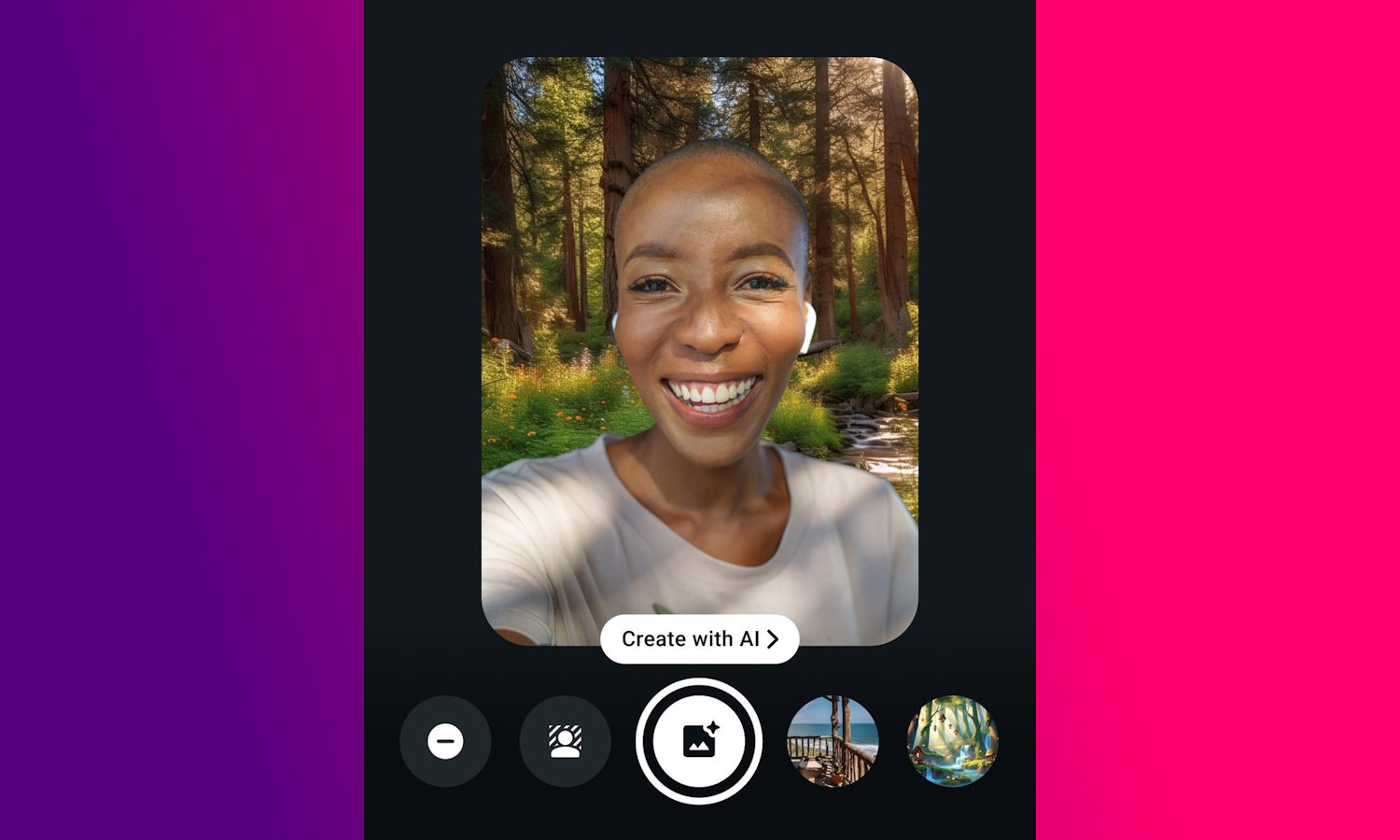
You can now use AI backgrounds in WhatsApp video chats
The inescapability of AI continues, and Meta is at the forefront. WhatsApp has already liberally coated itself in features driven by artificial intelligence, and now there are more.
This time around, things are fairly innocuous. The chat platform has now added the option of using AI backgrounds within video chats.