EFF goes after Cisco for human rights violations in China
China can be a difficult place to do business and it's sometimes a question of conscience or pocketbook. It's a huge market and companies stand to make a lot of money there, but the government isn't shy about wanting data in return. Is it worth it? To many corporations the answer seems to be yes, but for those who suffer there because of it the answer is a resounding no.
Now the Electronic Frontier Foundation is pursuing Cisco in court. This isn't a particularly new accusation or case, but the organization isn't ready to let it die.
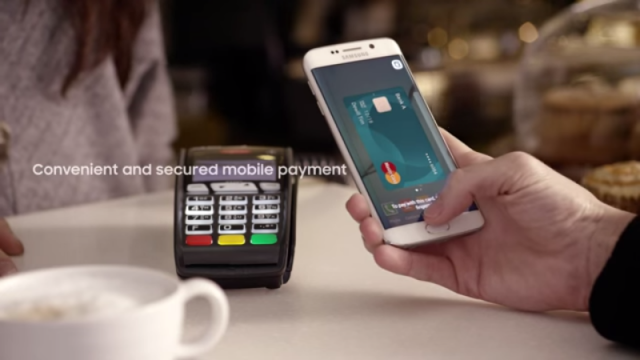
Samsung Pay will have 50 percent market share in Asia
Maybe Samsung isn’t doing all that great in the smartphones department, but it has high expectations from its mobile payment service that will be introduced in China early next year.
So high, in fact, that Hyundai Securities is predicting a 50 percent market share in China, and a significant share globally, too. The news was first reported on by ETNews.
Microsoft will offer custom Windows 10 to the Chinese government
Microsoft has signed an important deal with the Chinese government, one which will see the American company deploy its latest operating system directly to the government agencies.
The Verge has reported how the Redmond-based software company will deploy a customized version of Windows 10 to the Chinese government through a newly-formed company called C&M Technologies.
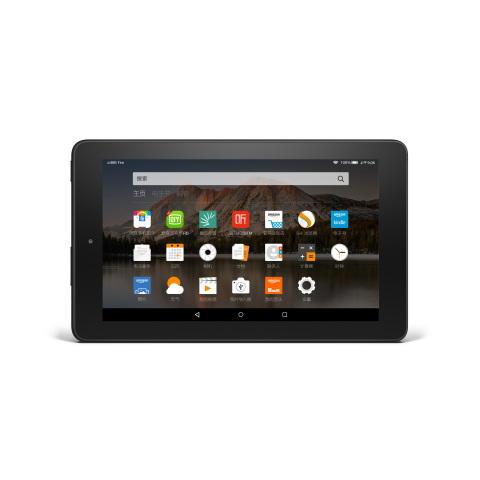
Amazon takes its Fire tablets to China, adds new features
Amazon recently released its latest tablets, the Fire 10 and Fire 8, as well as a smaller $50 model, all of which sold very well over the big shopping days from Thanksgiving through Cyber Monday. These were among several Amazon products that did well over that period.
Now the company is updating the software across the entire line, bringing several enhancements to the tablets. It's also putting a device on sale in China for the first time, so there's plenty of news out of the Washington-based company.

UK and China sign cyber-attack agreement -- but will it be honored?
Chinese president Xi Jinping, and the British prime minister David Cameron, signed an agreement saying the two countries won’t hack and steal each other’s secrets.
A similar agreement was signed between China and the US, just a day before a Chinese cyber-attack against the States.
China attacks US after signing cybertheft agreement
Hackers associated with the Chinese government attacked a handful of American companies just a day after the two countries agreed not to cyber-attack one another.
According to CrowdStrike, a prominent American security firm, the attacks against seven American companies started on September 26. On September 25, President Barack Obama said he and Chinese President Xi Jinping agreed that neither government would knowingly support cyber theft of corporate secrets to support domestic businesses.
IBM allows China to take a look at its source code
IBM has allowed China to review the source code for some of its programs, The Wall Street Journal reported on Monday, but the details are scarce.
According to the media report, the deal between IBM and the Chinese government is a completely new practice, which was implemented recently. It allows the Chinese government to take a closer look at the source code behind some of IBM’s software, but does not allow for the code to be copied or tampered with in any way.
Chinese talking cybersecurity means security is already lost
A longtime reader and good friend of mine sent me a link this week to a CNBC story about the loss of fingerprint records in the Office of Personnel Management hack I have written about before. It’s just one more nail in the coffin of a doltish bureaucracy that -- you know I’m speaking the truth here -- will probably result in those doltish bureaucrats getting even more power, even more data, and ultimately losing those data, too.
So the story says they lost the fingerprint records of 5.6 million people! Game over.
Fake Apple Stores sell real Apple products in China
Fake Apple stores selling genuine Apple products are popping up around China like mushrooms after the rain.
According to a Reuters report, Apple only has one official store in Shenzhen and five authorized dealers in the area, but China’s southern boomtown has more than 30 stores selling these products.

Surprise! Microsoft Edge ditches Bing for Baidu in China
Bing may now be the default search engine in Microsoft Edge, but that is about to change for Windows 10 users in China. Microsoft has announced that it will replace Bing with a local alternative, making its new browser a more attractive option to Windows 10 users in the country.
The new default search engine -- and homepage -- in Microsoft Edge will be Baidu, which Microsoft says has over 600 million active users. In turn, according to Microsoft, Baidu's "'Windows 10 Express' will make it easy for Chinese Internet users to download an official Windows 10 experience".
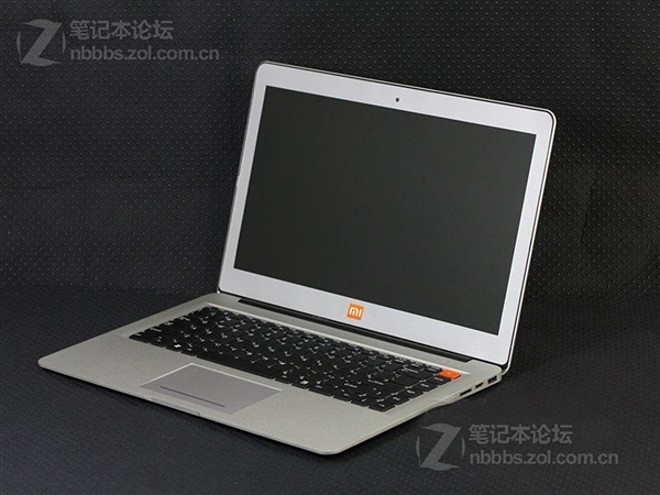
Xiaomi is indeed making a laptop, to begin shipping it in first-half of 2016
Xiaomi, which has earned a name selling insanely cheap-priced smartphones, smart TVs, a smart band, and a range of other smart products, is indeed making a laptop. Inventec, one of the company’s manufacturing partners has confirmed.
In an interview with Taipei Times, Inventec Corp chairman Richard Lee said that Xiaomi Inc’s first notebook computer product not only exists but it is set for shipments in the first half of 2016.
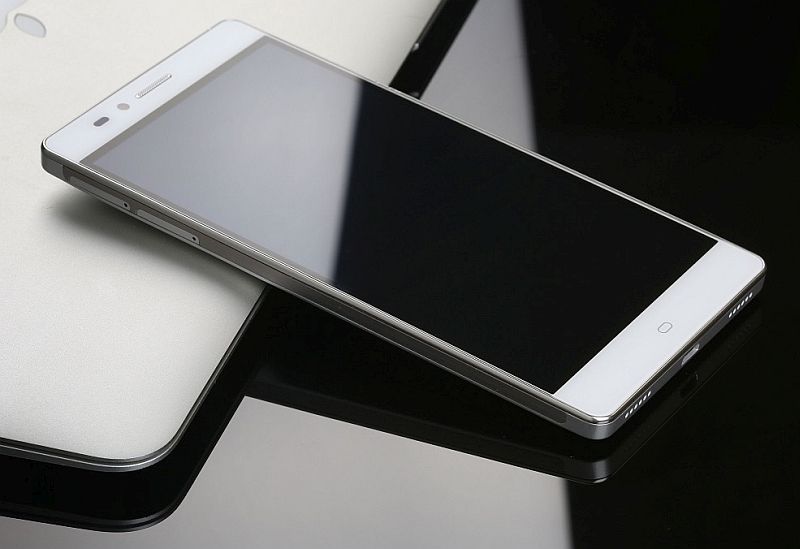
At $300, Elephone Vowney flagship smartphone dual-boots Android 5.0 and Windows 10 Mobile
Back in April, we reported that Chinese smartphone manufacturer Elephone planned to launch a handset which would dual-boot Windows 10 Mobile and Android 5.0 Lollipop mobile operating systems. Five months later, that phone has been officially launched. Called the Elephone Vowney, the smartphone is priced at $299.99 and goes on sale from September 30.
As for the specifications, the Elephone Vowney sports a 5.5-inch QHD display (2560 x 1440) with a pixel density of 535ppi. It is powered by an octa-core MediaTek MT6795 processor clocked at 2.2GHz coupled with 3GB of RAM. It comes with 64GB of inbuilt storage with support for a microSD card should you want more.
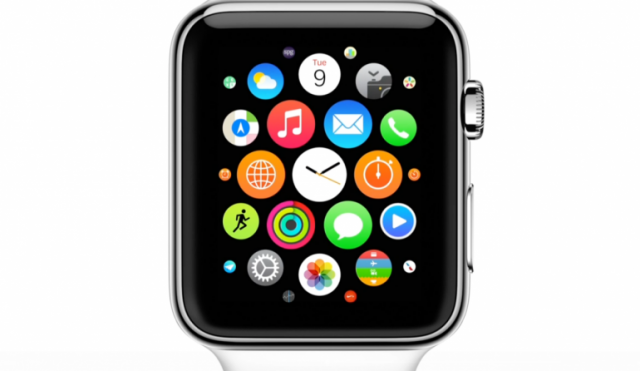
Apple Watch selling well in China
Following an initial strong performance out of the gate, Apple Watch sales have been widely regarded as on the slump according to several pieces of analysis we’ve seen -- although the latest snippet concerning the Chinese market is more optimistic.
As you may be aware, the iPhone 6 models have been doing very well over in China, and Apple’s smartwatch has also shifted a considerable amount of units.
Apple: iPhones thriving in China
Even though China’s smartphone market is saturated, and now relies only on people replacing their devices instead of buying their first one, Apple still bets a lot on that market.
In its third quarter earnings the iPhone business grew by more than half, to $31bn (£19.64bn) on 47.5 million shipments. According to a report by the IB Times, sales in China more than doubled to $13bn (£8.24bn), over a quarter of Apple’s revenue. The company did not say exactly how many iPhones it sold in China last quarter, but it was an 87 percent increase on a year earlier.
The tide is turning for Chinese brands in Europe
Whilst recent attention in the payments industry has been on China as the next e-commerce frontier -- with Alibaba’s Jack Ma recently courting US businesses to cross the border -- we are starting to witness the rise of Chinese companies breaking into European markets.
Driven by the hunger of fast growth and the increasing acceptance of customers to purchase online internationally, Chinese brands are keen to get a slice of the European market and bring their offerings to a new audience. And it’s not just the big companies that are crossing borders. With analysts at Bernstein predicting that Lenovo and Huawei will emerge as world class brands in the next few years, we are also starting to see smaller players getting in on the action, including smartphone manufacturer Xiaomi that is already making headlines overseas since launching in the UK in June.