Why cross-platform capability is vital to the future of development [Q&A]
Increasingly consumers and businesses alike are relying on portable devices, and that means it's important that apps are available across several different systems.
We spoke to Jerome Laban, CTO of Uno Platform -- which allows Microsoft developers, using traditional C# and XAML, to take their apps to iOS, Android, Mac, Linux, and the web -- to find out more about cross-platform development and how it can future-proof applications.

Microsoft acknowledges Kerberos authentication issues caused by November updates
The torrent of problematic updates for Windows shows no signs of drying up. Since Patch Tuesday this month, Microsoft has already confirmed a Direct Access connectivity issue in various versions of Windows (which it sort of fixed by rolling back the update), now the company has issued a warning that this month's updates are also causing problems with Kerberos authentication.
Despite the fact the issue can lead to sign-in problems, failed Remote Desktop connections and printing not working, Microsoft is yet to offer either a fix or a workaround. Virtually every version of Windows is affected.
Microsoft warns of Direct Access connectivity issues after installing KB5019509 update
Microsoft has acknowledged an issue affecting Windows 10, Windows 11 and Windows Server 2022 that may result in Direct Access connectivity problems.
The problem can arise after installing KB5019509 or later updates, and as a result of the discovery, Microsoft has performed yet another Known Issue Rollback (KIR) -- one of a growing number. The company has also published details of a workaround for those affected.
Microsoft warns that October 2022 security updates can cause problems joining domains in Windows 11 and older
Microsoft is warning users of every from Windows 11 down to Windows 7 that this month's security updates -- in particular the KB5018427 update -- could lead to issues joining a domain. The company says that those affected by the problem will see 0xaac (2732) errors.
Despite flagging the matter in the known issues section of Windows release health, Microsoft says that the behavior is intentional. There is, sadly, no proper fix right now, just some advice and workarounds -- but this should change soon.
KB5012170 update for Windows is even more problematic than first thought… Boot issues and BitLocker irks abound
Microsoft may have issued a warning that the recently released KB5012170 update for Windows might cause 0x800f0922 errors, but it seems that the update is even more problematic. Users who have been able to install the update are complaining of numerous other issues including boot problems.
Among the issues being reported are the appearance of BitLocker recovery screens, slow boot times and more.
Microsoft warns that KB5012170 update may cause 0x800f0922 error
Microsoft has issued a warning about the KB5012170 update, a security update for Secure Boot DBX released a few days ago.
The company says that users of Windows 11, Windows 10 and Windows Server may find that the update installation fails, resulting in a 0x800f0922 error. While there is currently no fix, Microsoft has issued some advice while it investigates the problem.
Tips for securing Windows with PowerShell... courtesy of the NSA
The NSA might not be the first organization that you think of turning to for advice about how to secure your computer, but the agency has offered up various tips about how to use PowerShell to do just this.
In conjunction with the Cybersecurity and Infrastructure Security Agency (CISA), the New Zealand National Cyber Security Centre (NZ NCSC) and the United Kingdom National Cyber Security Centre (NCSC-UK), the NSA has published a Cybersecurity Information Sheet. The document is entitled Keeping PowerShell: Security Measures to Use and Embrace, and it advises properly configuring and monitoring PowerShell, rather than removing or disabling it as is often recommended.
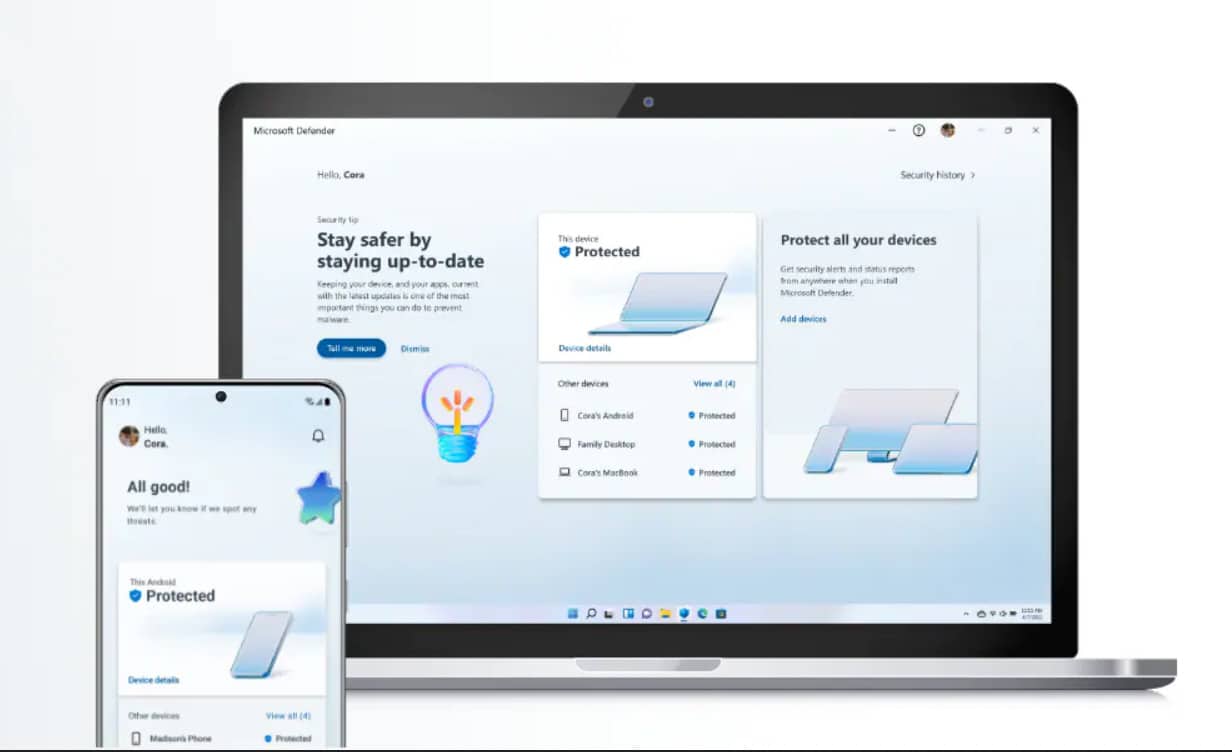
Microsoft Defender for individuals now available for Windows, macOS, iOS and Android
Microsoft has been working on a new security tool for a while now to help protect you and your family’s data and devices against online threats, such as malware and phishing attacks.
Three months ago it made a preview build of Microsoft Defender available for Windows Insiders to try out, and today it announces the tool's official availability for Microsoft 365 Personal and Family subscribers.

Another Windows protocol vulnerability emerges; this time it is a Windows Search zero-day
Following on from the Follina security flaw, another Windows zero-day vulnerability has come to light. Dubbed SearchNightmare, the issue allows the search-ms URI protocol handler to be used to launch remotely hosted malware-ridden executables via a search window.
The protocol is normally used to perform local searches, but it can also be used to do the same with shared files on a remote host. An attacker could easily trick a victim into clicking a search-ms URI, and a method has been found to bypass the security warning that should be displayed by default.
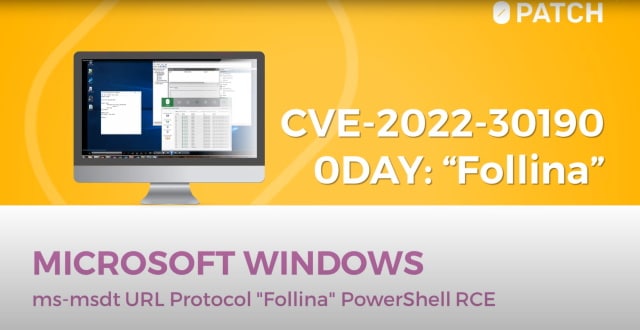
0patch releases free fix for Follina vulnerability in Windows as Microsoft apparently can't be bothered
This week, we have written about the Follina zero-day vulnerability that allows for remote code execution on a victim's computer. Despite having been known about for a number of weeks, Microsoft is still yet to issue a patch for the actively exploited critical security flaw, instead simply offering details of a workaround.
As has been the case in the past, a third party has come to the rescue. Micro-patching firm 0patch has released a free fix for the vulnerability -- for Windows 11, Windows 10, Windows 7 and Windows Server 2008 R2 -- which is tracked as CVE-2022-30190 and relates to the Microsoft Windows Support Diagnostic Tool (MSDT) component of Windows.
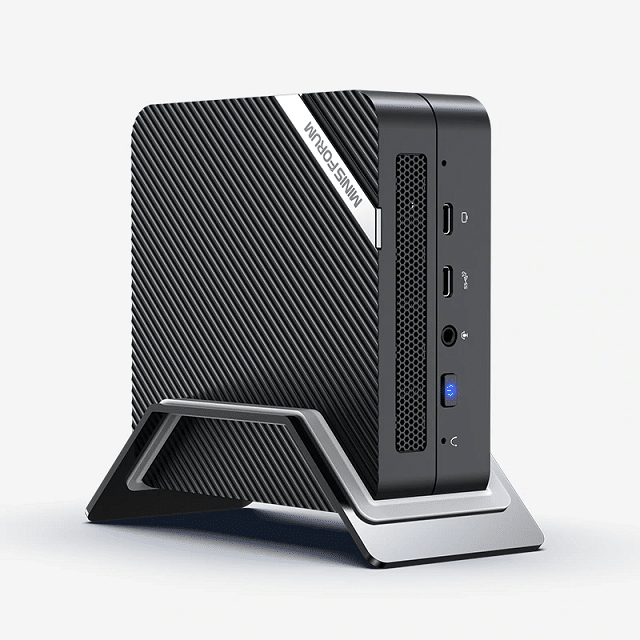
MINISFORUM Venus Series UM560 is a tiny Windows 11 PC powered by AMD Ryzen
MINISFORUM is a computer-maker that has been releasing many models of mini PCs lately. Its machines are often looked upon favorably by consumers that prefer diminutive desktops. Not only are its computers small and well-made, but often quite powerful too. These tiny machines can be good servers, retro-gaming machines, office workstations, home theater PCs, and more.
Many MINISFORUM computers are powered by capable Intel processors, but the company has been embracing AMD chips a lot lately as well. In fact, the company now has several AMD-powered options. Today, MINISFORUM announces an upcoming AMD desktop that is very cute. Called "Venus Series UM560," it is powered by a Ryzen 5 5625U CPU. The little computer can be purchased as either a barebones or with both RAM and storage pre-installed.

How much does security software really slow down your PC?
One of the frequent complaints people make about security software is that it slows the performance of your system.
But how much difference does it really make? Independent testing organization AV-Comparatives has been carrying out some research to find out.

Ubuntu Linux 22.04 LTS Jammy Jellyfish can replace Microsoft Windows 11 on your PC
The developers over at Canonical have been busy baking a yummy new version of Ubuntu recently, and following a brief beta period, it is finally time to take the open-source operating system out of the oven. Yes, folks, the stable Ubuntu 22.04 is finally here!
Code-named "Jammy Jellyfish," Ubuntu 22.04 is an "LTS" version, which stands for "Long Term Support." Yeah, that means exactly what it sounds like. The Linux distribution will be supported for a long time -- five years to be exact. Very nice.
Microsoft releases KB5012643 update for Windows 11 with loads of fixes and improvements
Patch Tuesday may have come and gone, but this does not mean that Microsoft has finished pushing out updates for Windows. The latest to be released is the KB5012643 update for Windows 11 and it is jam-packed with fixes for various issues.
Among the numerous improvements are a fix for an issue that caused extremely slow startup times, as well as addressing a memory leak. The update also improves the Secure Boot and Trusted Platform Module (TPM) components.
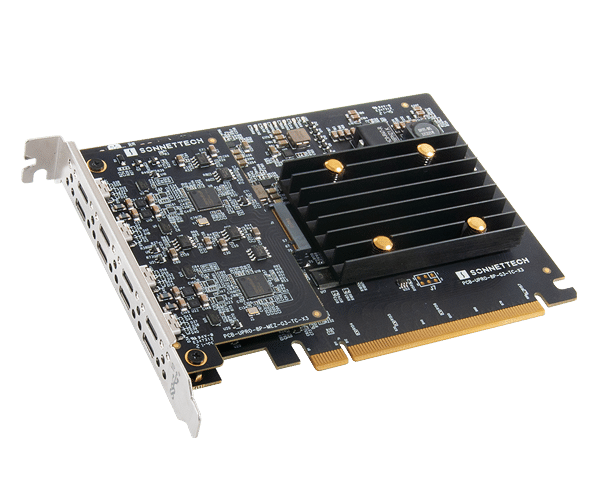
Sonnet launches Allegro Pro USB-C 8-Port PCIe card for Mac, Windows, and Linux
Believe it or not, some modern desktop computers don't have any USB-C ports, and for those that do, many only have one or two of the ports. Thankfully, if you have a free PCIe slot in your machine, you can easily add more.
A new card from Sonnet takes adding USB-C ports to another level. Called "Allegra Pro," it offers an impressive eight external Type-C ports all running at USB 3.2 Gen 2 speed (10Gbps).