
How to disable auto-playing sound on Facebook videos
As you'll no doubt have seen, Facebook is introducing several big changes to video on its platform. The most divisive change will be the introduction of auto-playing sound.
"Videos in News Feed have previously played silently -- you tap on a video to hear sound. As people watch more video on phones, they've come to expect sound when the volume on their device is turned on. After testing sound on in News Feed and hearing positive feedback, we’re slowly bringing it to more people. With this update, sound fades in and out as you scroll through videos in News Feed, bringing those videos to life," says Facebook. If that sounds like something you really don't want (and who would want that?), the good news is it's easy enough to disable the new feature.

Microsoft delays its February patches for a month
For the past several years, Microsoft has released security patches on the second Tuesday of the month -- the so-called Patch Tuesday.
However, Microsoft missed the date this month and now says the new patches won’t arrive until the middle of next month.

Microsoft reissues snooping patches for Windows 7 and 8.1
This week, Microsoft re-released the telemetry updates KB2952664 (for Windows 7) and KB2976978 (for Windows 8.1).
While we don’t know what these will do this time around (Microsoft’s description is giving little away), in the past they triggered a snooping Windows task called DoScheduledTelemetryRun, and were linked to the infamous GWX (Get Windows 10) campaign that forced OS upgrades on unwilling Windows 7 and 8.1 users.
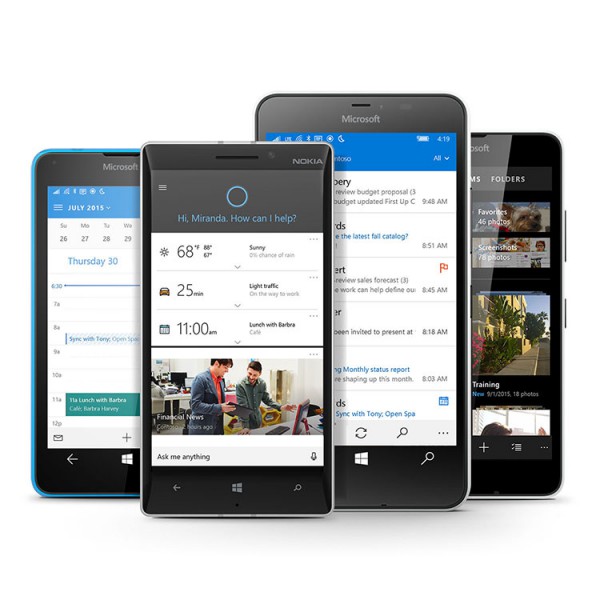
Windows 10 Creators Update Build 15031 for Mobile arrives on the Fast ring
Microsoft released Insider Build 15031 for PC two days ago, and promised a build for Mobile would arrive by the end of the week.
The software giant is as good as its word, and Build 15031 is now available to install.
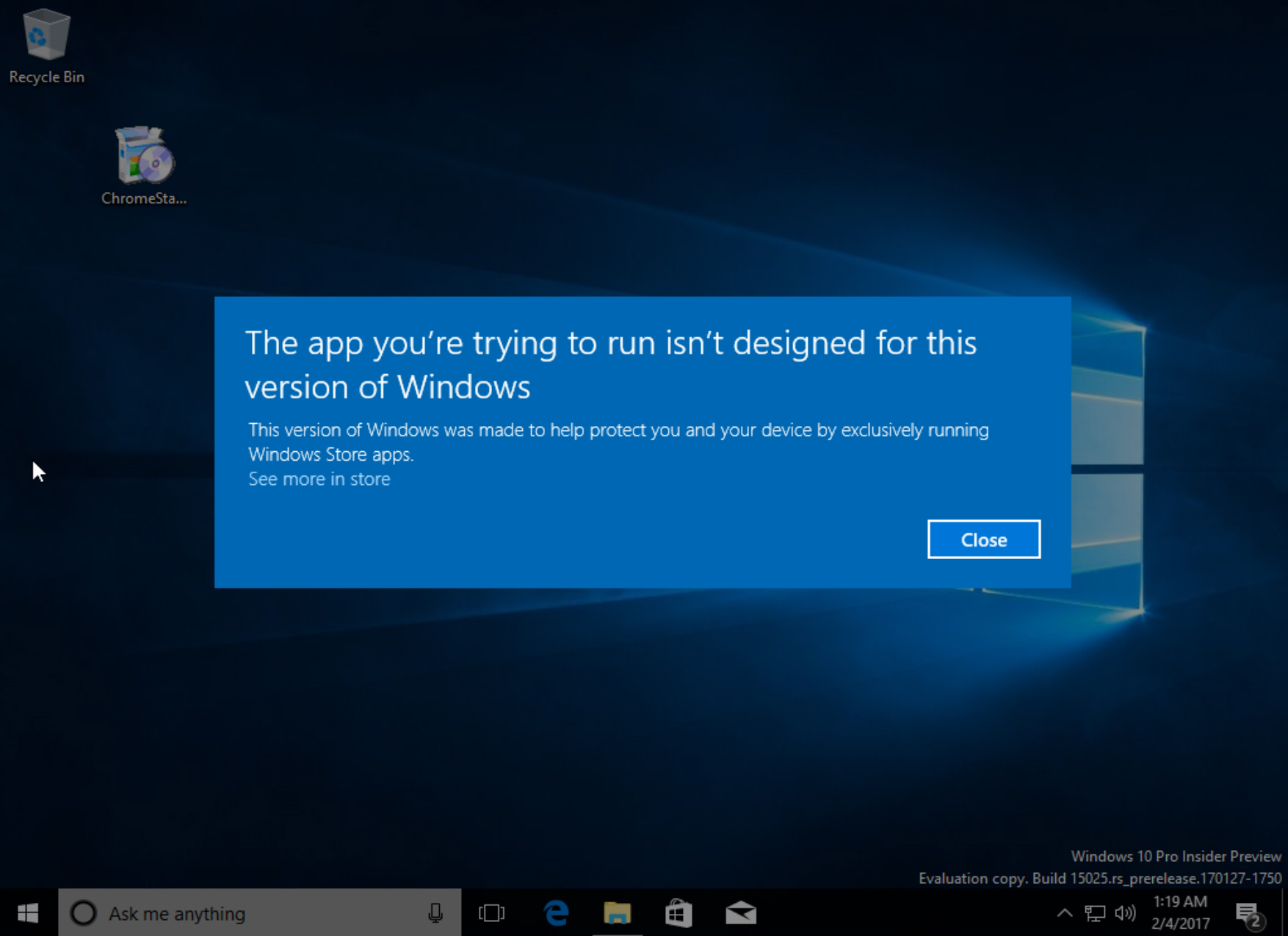
Windows 10 Cloud already hacked to run Win32 programs
Windows 10 Cloud, Microsoft's new (and likely free) operating system hasn't been officially announced yet, but the first build of it leaked over the weekend, giving people a chance to see what the successor to RT looks like.
In this early version, the answer is mostly just like Windows 10, albeit with one major difference -- Windows 10 Cloud can only run apps from the Windows Store, not Win32 programs. Or at least that used to be the case.
Windows 10 Creators Update Build 15031 for PC arrives on the Fast ring, introduces yet more new features
Microsoft has been busy bug bashing this week, but has still found time to push out a new Insider Preview build to the Fast ring.
Build 15031 is for PC only (a Mobile Build is anticipated later this week), and introduces yet more new features to the forthcoming Creators Update, including Dynamic Lock.
Planning to visit the US soon? You might be asked to hand over your internet passwords
Donald Trump’s controversial travel ban might have been overturned for now, but the new administration intends to do what it can to tighten entry into the United States.
One of the plans being considered as part of Trump’s "extreme vetting" policy is to ask visitors what websites they visit, and request their passwords. Should anyone refuse to hand over this information they will be prevented from entering the US.

Microsoft creates a Digital Civility Index -- encourages people to be more respectful online
The problem of trolls and general rudeness is something that many people would like to change about social networks and online interaction in general. Twitter is trying to curb abusive behavior on its service, but Microsoft has a more interesting approach -- it wants people to embrace "digital civility" and to treat each other with respect and dignity online.
With this aim in mind, the software giant has created a Digital Civility Index -- a new measure of people’s safety online and exposure to risks.
Twitter cracks down on repeat offenders -- stops the creation of new abusive accounts
Twitter has long had an abuse and harassment problem, which has put off a lot of would-be users. Over the years the company has taken steps to try to combat the issue, but with very limited success.
However, Twitter is now working hard make the service a more friendly place -- just last week it improved how users report abusive tweets. Today, the company goes even further, and introduces three new changes designed to silence the trolls.
First build of Microsoft's unannounced Windows 10 Cloud leaks online
Rumors have been swirling about Windows 10 Cloud for a while. The operating system is said to be a Chromebook-like version of Windows 10 -- the evolution of RT, really -- that only runs apps from the Windows Store.
Until now, there hasn’t really been any hard evidence of what the OS looks like, or how it behaves -- Microsoft hasn’t even announced it yet -- but that’s no longer the case, as both screenshots, and a usable build have surfaced on the web.
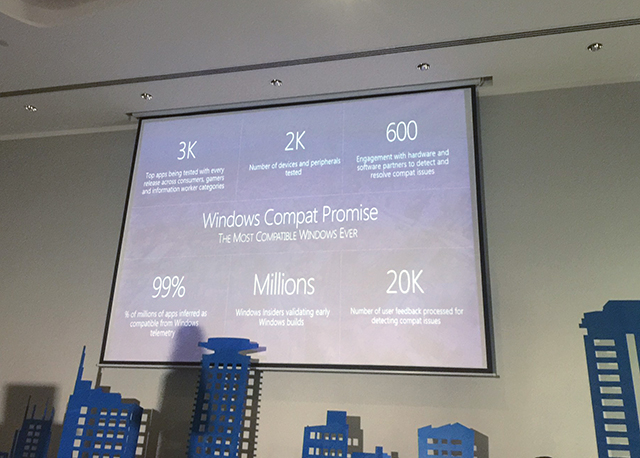
Microsoft: Windows 10 is the most compatible Windows yet
There are so many different programs, devices and peripherals on the market, that when Microsoft makes, or updates a new operating system, there’s a good chance something will break.
It’s obviously a challenge to make Windows compatible with as many third-party products as possible, but Microsoft says Windows 10 is its most compatible OS to date, and shares some facts to back this up.

Get Hacking For Dummies, 5th Edition ($20 Value) FREE for a limited time
Ethical hacking, also called penetration testing, entails thinking like the bad guys to find and plug any vulnerabilities in your system to keep it secure.
Hacking For Dummies explains how to protect your computers from malicious attacks. It usually retails for $20, but for a limited time you can download the fully updated 5th edition ebook version for free.

Windows 10 Creators Update Build 15025 for PC arrives on the Fast ring -- but you may not be able to run it
New feature-packed builds have been coming thick and fast as Microsoft works to get the forthcoming Windows 10 Creators Update ready in time for its planned launch in April.
There’s a lot of changes in the big update, and of course that means a lot of bugs to try and squash before it rolls out. Build 15025 is the version that Microsoft wants Insiders to use for the second Creators Update Bug Bash which starts on Friday, but ironically the new build comes with a major bug that means some users won’t even be able to install it.

Windows 10 is now on one in four systems -- but can it catch Windows 7?
While Microsoft’s unconvincing numbers portray Windows 10 as an unstoppable operating system gobbling up market share, NetMarketShare’s monthly OS usage figures suggests things are going well for Windows 10, but that it will still be a long time before it starts to trouble Windows 7’s continuing dominance.
January proved to be a good month for the new OS, certainly better than December was at least.
Microsoft is working hard to make Edge a great browser -- but is it too late?
Bundling Internet Explorer in Windows 95 was enough for Microsoft to win the "browser wars" and consign Netscape to history, but a lot has changed since then. Bundling Edge in Windows 10 has had negligible effect on Chrome and Firefox’s dominance. After a year and a half, Microsoft Edge still only has a little over 5 percent share, according to NetMarketShare.
It didn’t help that Edge was only partially baked when Windows 10 debuted. Why swap your existing browser for one missing core features and with a far-from intuitive interface? (How to change the default search engine in Microsoft Edge quickly became one of my most viewed stories here). Microsoft is promising a wealth of new features for Microsoft Edge in Windows 10 Creators Update, but will that be enough to persuade users to give the browser a second chance?