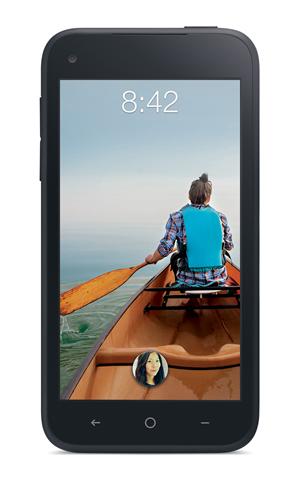
Facebook phone not coming to Europe
European operators have been asked not to go ahead with the launch of the HTC First planned for this summer. The phone comes with Facebook Home which replaces the standard Android screens with its own social media interface.
Home has been available for download to other Android devices too but hasn't proved popular with users. UK mobile operator EE has issued a statement making it clear that Facebook is behind the decision not to launch saying, "Following customer feedback, Facebook has decided to focus on adding new customisation features to Facebook Home over the coming months. While they are working to make a better Facebook Home experience, they have recommended holding off launching the HTC First in the UK." Orange in France has made a similar statement.
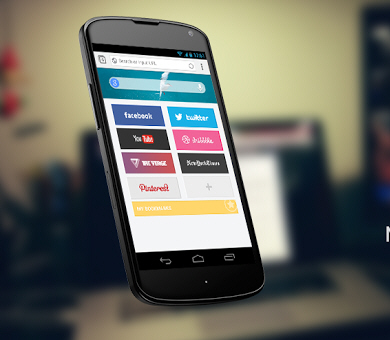
On your marks, get set... GO Launch Dev Team releases Android Next browser
The Android web browser market is a packed one, and users are almost spoiled for choice. If you're a fan of Firefox, Chrome or Opera on your main computer, there's an accompanying mobile version for you to work with, and there are plenty of others as well.
The GO Launcher Dev Team is best known -- it should go without saying -- for the Android launcher GO Launcher EX, but it has now branched out and is bringing its stylish looks to a web browser -- Next Browser.
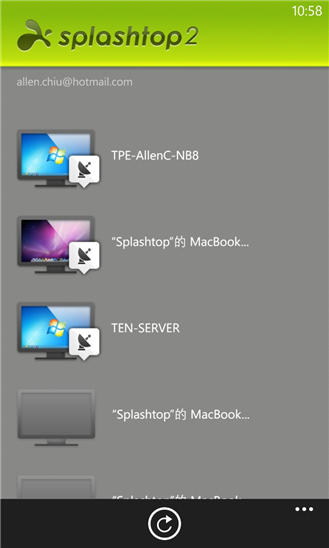
Remotely access your PC with Splashtop 2 for Windows Phone 8
Remote control apps are increasingly versatile, allowing smartphone and tablet users to access and manage computers from the workplace, a holiday resort or the couch in my case. For Windows Phone 8 users the most popular choice is PC Remote but, late-yesterday, another app hit the Store.
"Many Windows Phone users have asked for Splashtop", says Splashtop CEO Mark Lee. "We are excited to partner with Nokia and Microsoft to optimize and deliver the best-in-class Splashtop experience for Windows Phone 8". The app allows folks to remotely access Linux, OS X and Windows-based computers straight from the tiled operating system. Let's take a look at the features.
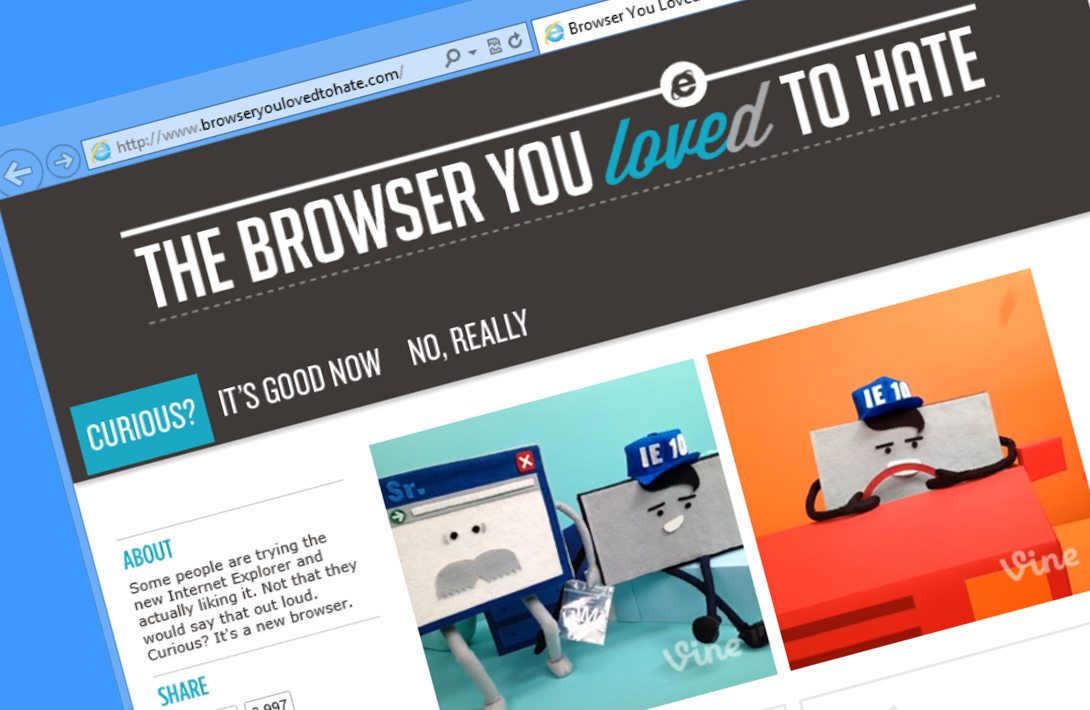
Internet Explorer Q&A: The 'browser you loved to hate' is making a comeback
Internet Explorer’s tight integration into Windows 8, coupled with the fact that IE10 is actually pretty good, means the veteran browser is enjoying something of a resurgence these days. Humorous advertising poking fun at the browser’s past (while distancing itself from it) has also encouraged many ex-users to take a fresh look.
I chatted with Internet Explorer’s Marketing Manager Rebecca Wolff about the "Browser you loved to hate" campaign, asked her what major changes we can expect to see in IE11, and found out why embracing web standards is now a major priority for Microsoft.

Android users rejoice! BBC iPlayer 1.7 brings support for your 10-incher
A week ago BBC iPlayer finally made its debut on Windows Phone 8, but the existing Android version has been far from forgotten about. BBC iPlayer 1.7 has hit Google Play and now boasts support for 10 inch tablets.
While owners of larger tablets previously had to pay a visit to the iPlayer website, UK viewers can now enjoy their favorite programmes directly in the app. If you're nursing a smaller 7-incher, there's no need to feel left out. The UI for more diminutive tablet and phones has been updated with a few tweaks as well.

The radio that knows where you live
We’re used to the somewhat spooky way that websites track our every move. Notice how the adverts on various sites reflect the products you’ve been viewing elsewhere? You only have to look at a CD on Play and Amazon will be trying to sell it to you within hours. We’re used to the GPS tracker on our smartphones monitoring where we are all the time and pointing us towards local attractions too.
Well now this technology is starting to spread to other devices too. The BBC has used the Thinking Digital conference to trial a perceptive radio. Developed by the BBC's Future Media North Laboratory, the radio uses information about where you live to change the listening experience by referencing local places or weather conditions. It also monitors the background noise at your location so it can decide whether to boost certain sounds to enhance the listening experience. The idea is to provide an "immersive" broadcast that can reconfigure the content for each listener.
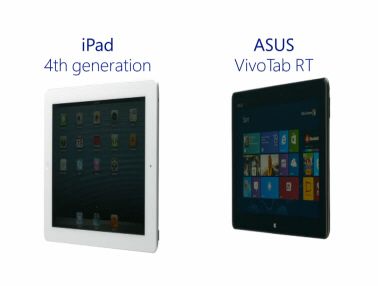
By taking on Apple, Microsoft marketing finally nails it
I recently wrote about some strange but awesome Windows 8 ads geared towards the Japanese market. It appeared that people across the internet were pretty down on them as the ads didn’t say anything about the OS. My point in the article was to show that there are different types of advertising and sometimes companies need to get our attention in some pretty unusual ways.
I’ve been very critical of Microsoft’s advertising approach with Windows 8 and especially Surface. Although the company has increased the frequency of its advertising and is advertising more of its products, there was one area in particular where it was lacking: a strong focus on features against competitor products. None of this was more apparent than its approach with Windows 8 and Windows tablets. I previously wrote,

KillEmAll helps you stamp out stubborn malware
Removing malware used to be fairly easy, at least in principle. Detect the infection, kill any running processes and files, and that’s it -- finished.
These days, unfortunately, life can be more difficult. Some malware will actively try to block any attempts to remove it, perhaps preventing you from running antivirus tools, locking its files, maybe restarting itself if necessary. This can be frustratingly effective, too, but there are ways to fight back. And KillEmAll is a great place to start.
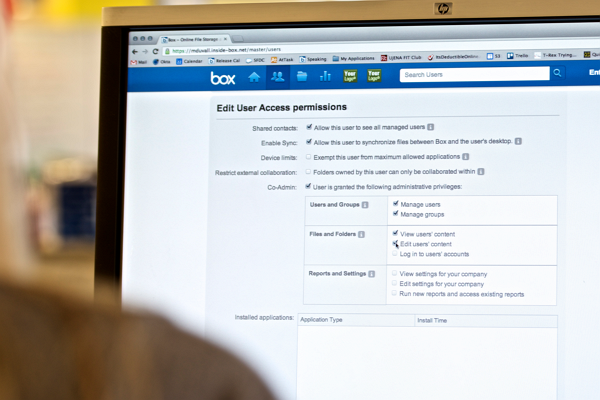
Box takes more strides towards IT acceptance
The cloud has become a battleground these days between heavyweight companies, and Box has remained in the fight. Today the company takes another step towards securing its location in the corporate future with three new features in the Box admin console designed to make the service easier to deploy.
An improved content manager, granular co-admin permission options, and the ability to prevent users from permanently deleting content are all heading the way of IT administrators.
Chrome for Android 27 introduces fullscreen on phones, tab history on tablets
Google has released Chrome for Android 27, a major update to its open-source browser for Android smartphones and tablets. Version 27 boasts several key new features, including full-screen support on smartphones and the ability to access a history of previously opened tabs on tablet machines.
A key improvement on all platforms is the simplified searching tool. When using the omnibox to search the net, it will remain visible when displaying search results, making it easier to both view and edit searches.
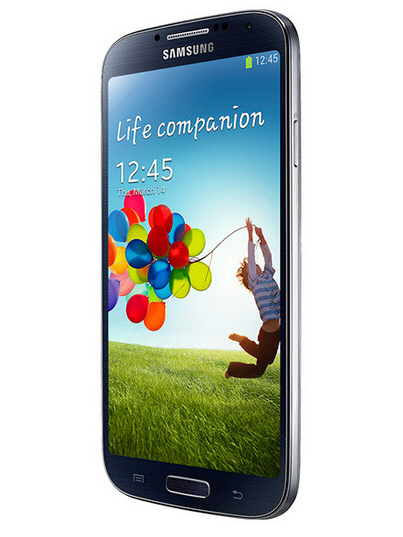
Samsung Galaxy S4 is NOW available at Verizon
On Thursday, little under a month after the smartphone's global launch, the Galaxy S4 finally arrives at US mobile operator Verizon. The handset is available now at big red for $199.99, alongside a two-year contract, in either Black Mist or White Frost.
Today, rival mobile operator AT&T revealed that the Aurora Red Galaxy S4 comes exclusively through its online and brick and mortar stores (pre-orders start tomorrow). Tough luck for Verizon customers looking to grab the smartphone in the red trim, which is a tad ironic considering the carrier's logo (yes, it's red).
Evernote adds Reminders for the absent minded
Evernote continues to evolve in its quest to keep up with (and even outpace) Microsoft's OneNote. The service is already available on all the major platforms, and today adds a new feature which a lot of users have been asking about for some time -- Reminders.
"For the millions and millions of people around the world that use Evernote everyday to achieve their goals, we’re excited to announce a new part of Evernote that will keep you on track every step of the way. Reminders are here", says Evernote's Andrew Sinkov.

iPad follows iPhone, gets the Mailbox treatment
On Thursday, following user demand, Mailbox released an update for its iOS mail app that introduces support for iPads. The service, which delivers more than 100 million messages each day, was previously available as an iPhone-only affair.
Mailbox boasts a better organized and easier to manage inbox, allowing its users to take advantage of swipe gestures to archive or trash messages. Similar to alarm clocks, the app also offers the option to snooze emails in order to receive them at a later date in the inbox.

Google X acquires flying turbine company Makani
Google may be most readily associated with the Internet, apps and mobile devices, but the company has many more strings to its bow. Google X -- the secretive research and development division best known for Project Glass and the driverless car -- has acquired Mikani Power, a green energy company that generates power with flying turbines.
Ground-based wind turbines are common all over the world, but Mikani Power takes a slightly different approach. Using wings fitted with miniature turbines it is possible to generate power with a series of self-piloted kites. Successful tests have been conducted on a 30kW prototype model, with plans to scale up to 600kW in the future.
Internet Explorer uses its ongoing Vine series to tease future WebGL support
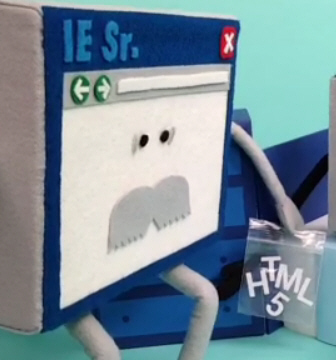
The leaked builds of Windows 8.1 provided a pretty strong clue that Microsoft intends to support WebGL in Internet Explorer 11, but so far the software giant has stayed silent on such matters.
However, a new Vine clip -- part of an on-going series titled "Not your Father’s Browser" -- drops a pretty big hint that WebGL (Web Graphics Library) support is definitely on its way.