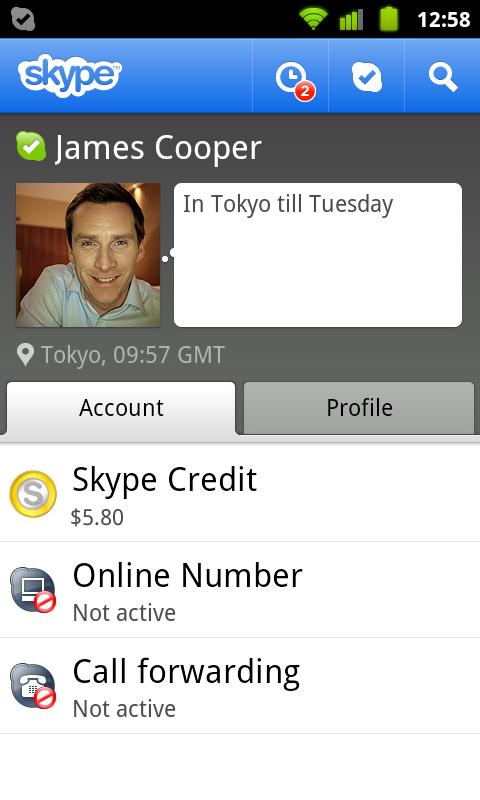
Finally you can Skype video on Galaxy Tab 10.1 and XOOM
I must have been asleep at the wheel yesterday, because somehow this reporter missed the big Skype for Android upgrade. What? You missed it, too?
Well, hells bells. Version 2.5 adds video-calling support for 14 more devices -- and, finally, some big-brand tablets: Motorola XOOM and Samsung Galaxy Tab 10.1. About friggin' time!
Let the tablet price wars begin
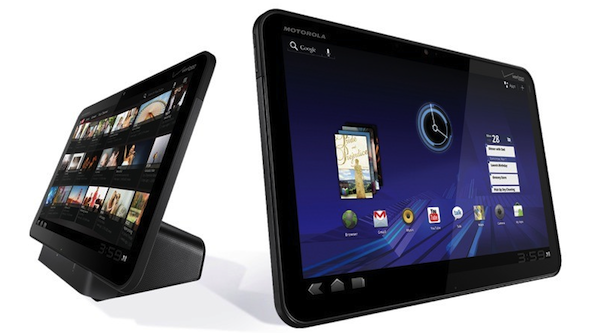
What better way for retailers to celebrate the low-cost Amazon Kindle Fire than to offer cut-rate prices on existing tablets. Woot has a one-day special on Motorola XOOM WiFi, refurbished, for $349.99 plus $5 shipping; the tablet typically retails for $499.99. Meanwhile, Best Buy has dropped the price on BlackBerry PlayBook again to $299.99 -- that's $200 off the list price -- for the 16GB model.
The deals come one day after Amazon announced its 7-inch tablet, for $199. The online retailer is taking preorders now, but Kindle Fire doesn't ship until November 15. Best Buy and Woot deals may or may not be coincidentally timed, but they foreshadow what likely will be a price war during the holidays. Tablet prices are going south for the holidays.
T-Mobile joins Verizon to block Apple injunction against Samsung
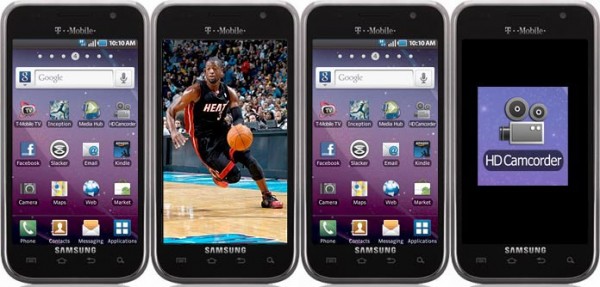
With Apple's battle against Samsung heating up, T-Mobile is doing its best not to get burned. If Apple is successful in getting a preliminary injunction against Samsung, the nation's fourth biggest carrier could find itself in a bad spot. Verizon has iPhone to fall back on. T-Mobile mostly offers Android smartphones, and Samsung makes the flagship models.
On Wednesday, T-Mobile filed a legal brief with the United District Court for the Northern District of California asking a federal judge to reject Apple's request for preliminary injunction against four Samsung devices: Droid Charge, Galaxy S 4G, Infuse 4G and Galaxy Tab 10.1. A hearing is scheduled for October 13. If granted, Samsung would be barred from offering these Android devices in the United States.
Samsung unveils all new components for next-gen phones and tablets
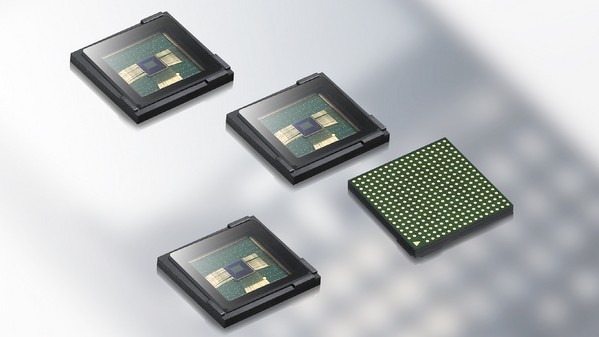
At Samsung's Mobile Solutions Forum 2011 in Taiwan, the South Korean consumer electronics leader revealed some major new components that it will use in its next generation of smartphones and mobile tablets: a new dual-core applications processor, and a new 16 Megapixel CMOS sensor and new forward-facing camera sensor, a new 64 GB flash memory module. and a new 4 Gigabit low power DDR3 DRAM memory unit.
These components find their way into all types of mobile devices, and not just those with the Samsung brand stamped on them; so here is what will be going into new devices next year...
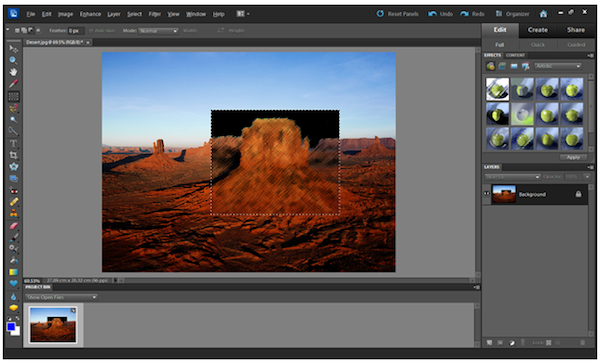
Adobe Photoshop Elements 10 released
Adobe has updated Photoshop Elements to version 10, and there are a huge range of features to enable you to view, organize, manage and edit your digital photos. For many people, using a photo editing package is all about adding special effects to images, and there are dozens of new effects to choose from here.
If you’re having trouble using any of the tools you find in the program, Guided Edits are on hand to provide you with assistance. While these may not help you to produce the best possible results, it is a good way to get an introduction to any tools you are not familiar with so you can see just what they are capable of.
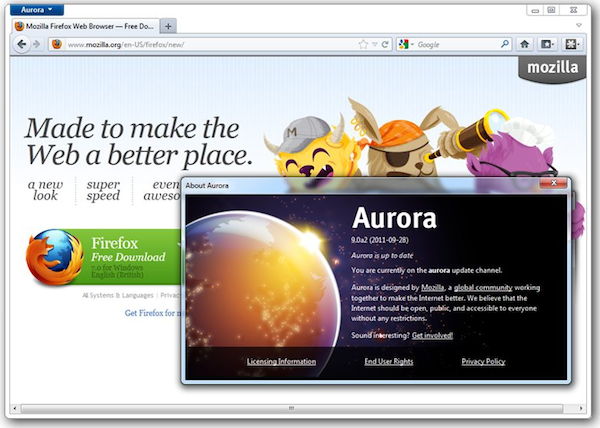
What can you expect from new Firefox versions?
Mozilla has started the Firefox development merry-go-round again, updating its Beta, Aurora and Nightly builds to versions 8, 9 and 10, respectively.
The most significant changes between all three versions can be found in Firefox 8 Beta, which includes a number of notable improvements and new features. But there’s also an alternative Nightly build, called Firefox 10.0a1 UX. What is it, and what sets it apart from other releases? Which version should you install? Read on for our updated guide to what’s happening with Firefox.

Virtualization makes sense for small and medium businesses
For small and medium businesses (SMB), the cost of IT can be sometimes prohibitive. Budgets are small and resources are thin: virtualization may be an attractive alternative to the server farm as it is easy to set up and less time consuming to maintain. Through virtualization, SMB IT deployments can be much more expansive and comprehensive due to cost savings typically realized as a result.
A recent survey by VMWare validates this. Of the 309 SMB IT managers surveyed using virtualization, nearly 73 percent saw a significant decrease in the amount of time spent on routine IT tasks. Over two-thirds also were better equipped to adapt to the changing needs of their businesses, and nearly the same number were able to significantly reduce their hardware costs.
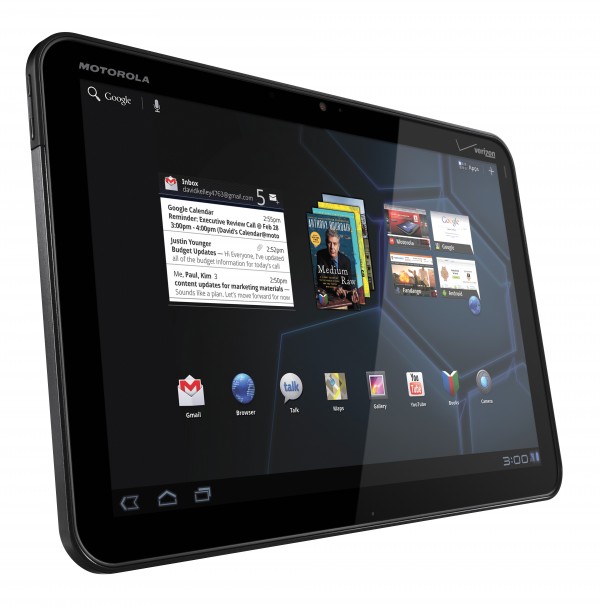
Is XOOM 4G LTE better late than never?
You were an earlier adopter. You bought Motorola XOOM six months ago -- or five, or three, or one -- on the promise of a free LTE upgrade. Soon. But you waited, and waited, and waited. Then Verizon released Samsung Galaxy Tab 10.1 LTE first. You felt gipped. Angry. Frustrated.
The wait is over. Finally, Motorola and Verizon are coming through for you. Today Verizon announced that XOOM LTE upgrades start tomorrow, and that XOOM 4G LTE models will be in stores on October 13.

FCC sued over leaving wireless data out of open Internet rules
Media reform group Free Press has filed suit in the US Court of Appeals for the First Circuit, asking the courts to review the Federal Communications Commission's "Open Internet Rules." Those policies were passed last December in an effort to create a formal code of conduct for broadband providers following accusations of unfair traffic handling.
These rules force providers to be transparent about how they handle Internet traffic and forbid the favoring of one company's traffic over another. But it's not the same for wireless data.

Amazon lights up Kindle Fire advertising
Amazon's new Kindle Fire tablet may be nearly two months from shipping, but that's not stopping the retailer from building buzz now. Amazon only just announced the Android 2.1-based tablet this morning, and the first commercials are ready to go. The 7-inch Kindle Fire goes on sale November 15 for $199. Wanna guess what the hot Christmas gift this year is gonna be? Hint: It ain't iPad 2.
While geeks, tech writers and Apple fanatics will get all hung up on what's missing -- no camera, no Bluetooth, no 3G, no Android 3.x "Honeycomb" -- ignore their complaints. Amazon isn't selling techie features but a digital lifestyle -- that's crystal clear from this one video, and it resonates with marketing for Kindle ebook readers.
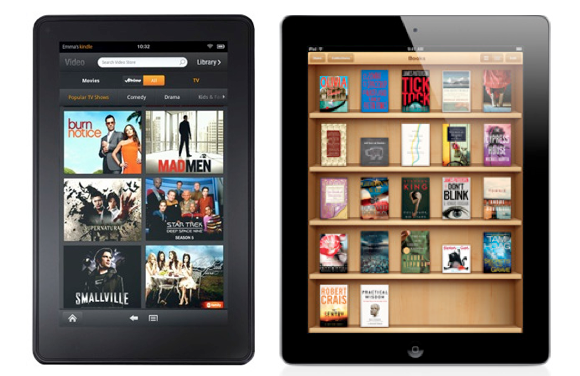
How does Amazon Kindle Fire compare to iPad 2? [chart]
Amazon's unveiling of the Kindle Fire on Wednesday took the eReader ever closer to becoming a full-fledged tablet device. With the move, Amazon will now have its devices ever-more increasingly compared to tablets rather than other e-readers in its class.
The most obvious comparison is price. At $199, Amazon is clearly aiming to get as many Fires in the hands of consumers as possible. It could see the device as a loss leader, hoping to make up any lost margins on the sales of content from its music and entertainment services.

Intel admits its Windows app store is a failure, pins hopes on HTML5
By Intel's own admission, its attempt at an app store has been a flop. Even though the company supplies the processors for more than 80% of the PC market, it has barely even scratched the surface at bringing a solid method for software distribution to all those devices it powers.
Intel launched AppUp in 2010, hoping to capitalize on the popularity of netbooks, and to bring some of the success of the popular mobile app store to them.

Facebook backs off tracking logged-out users
On September 27, Nik Cubrilovic posted a follow-up to his terrific analysis (which we posted two days ago) looking at how Facebook uses cookies to track users even when they have signed out of the service. That post's popularity got Facebook to respond to his questions about cookie tracking, something that it hadn't done despite more than a year of requests. We asked and he granted permission to repost this follow-up, but we're a day late because of the time difference between Australia and the United States. This version differs in two subtle ways from the original: Slight editing for house style and different headline.
I wrote a post two days ago about privacy issues with the Facebook logout procedure which could lead to your subsequent web requests to third-party sites that integrate Facebook widgets being identifiable and linked back to your real account. Over the course of the past 48 hours since that post was published we have researched the issue further and have been in constant contact with Facebook on working out solutions and clarifying behavior on the site.
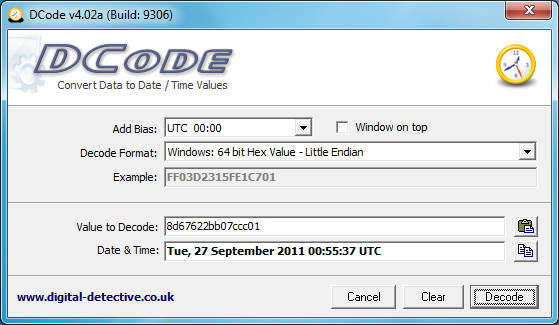
Confused by Windows Registry values? DCode can help
Some Registry values are easy to understand. Find a file path, say, and you’ll often be able to figure out its purpose at a glance.
Dates and times, though? That’s often a very different matter.
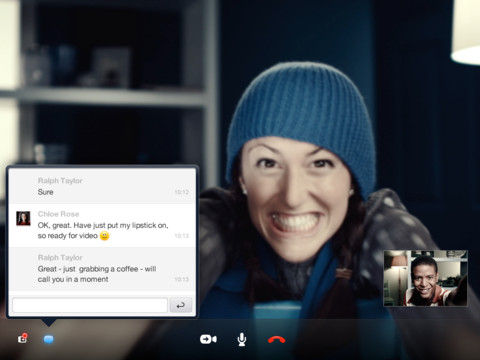
Skype for iPad, iPhone now supports Bluetooth headsets
Skype’s iPhone app proved to be incredibly popular, and the recently released iPad version soon picked up a healthy following as well. Both versions of the app have been updated to include support for Bluetooth devices while the iPhone version has a new anti-shake feature designed to eliminate wobbly footage when conducting a video call.
Bluetooth support has been enabled for iPhone 3GS and 4 users as well as for the iPad 2 and fourth generation iPods. This opens up the opportunity to use headsets to make and receive hands-free calls.